CRETE
03/20/2026 - 04/05/2026
Following the Greek Island/Turkey cruise with the Lawrence’s, we flew to the island of Crete where we spent 16 nights. Crete is the largest and most southern of the Greek Islands and supposedly the warmest Greek Island option during March which is why we chose it. Unfortunately had really terrible weather for pretty much the entire time we were there. That said, the island is gorgeous!
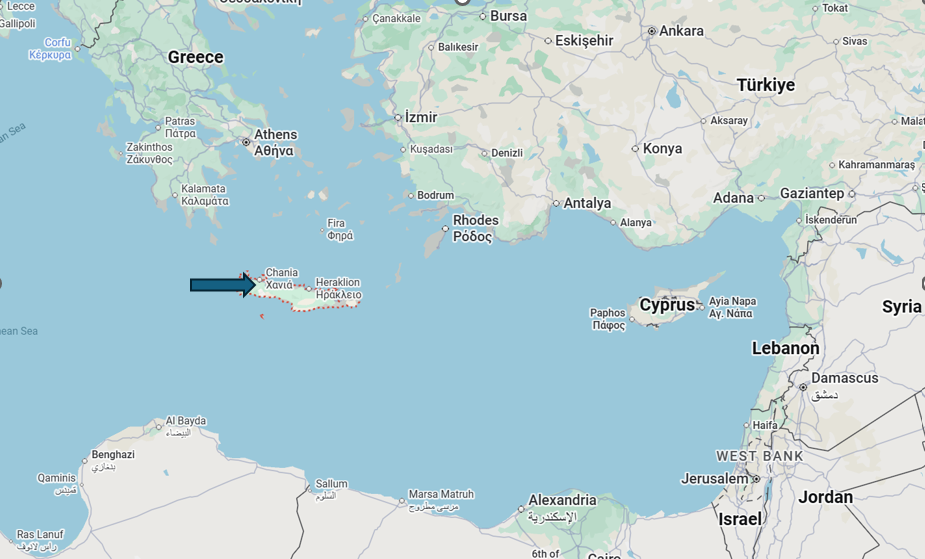
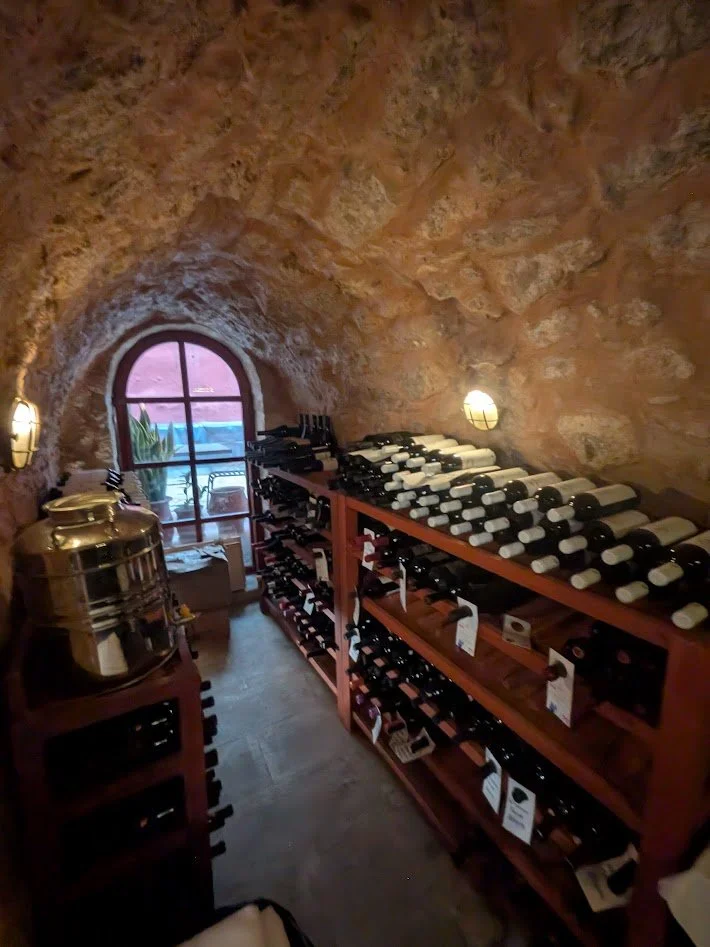
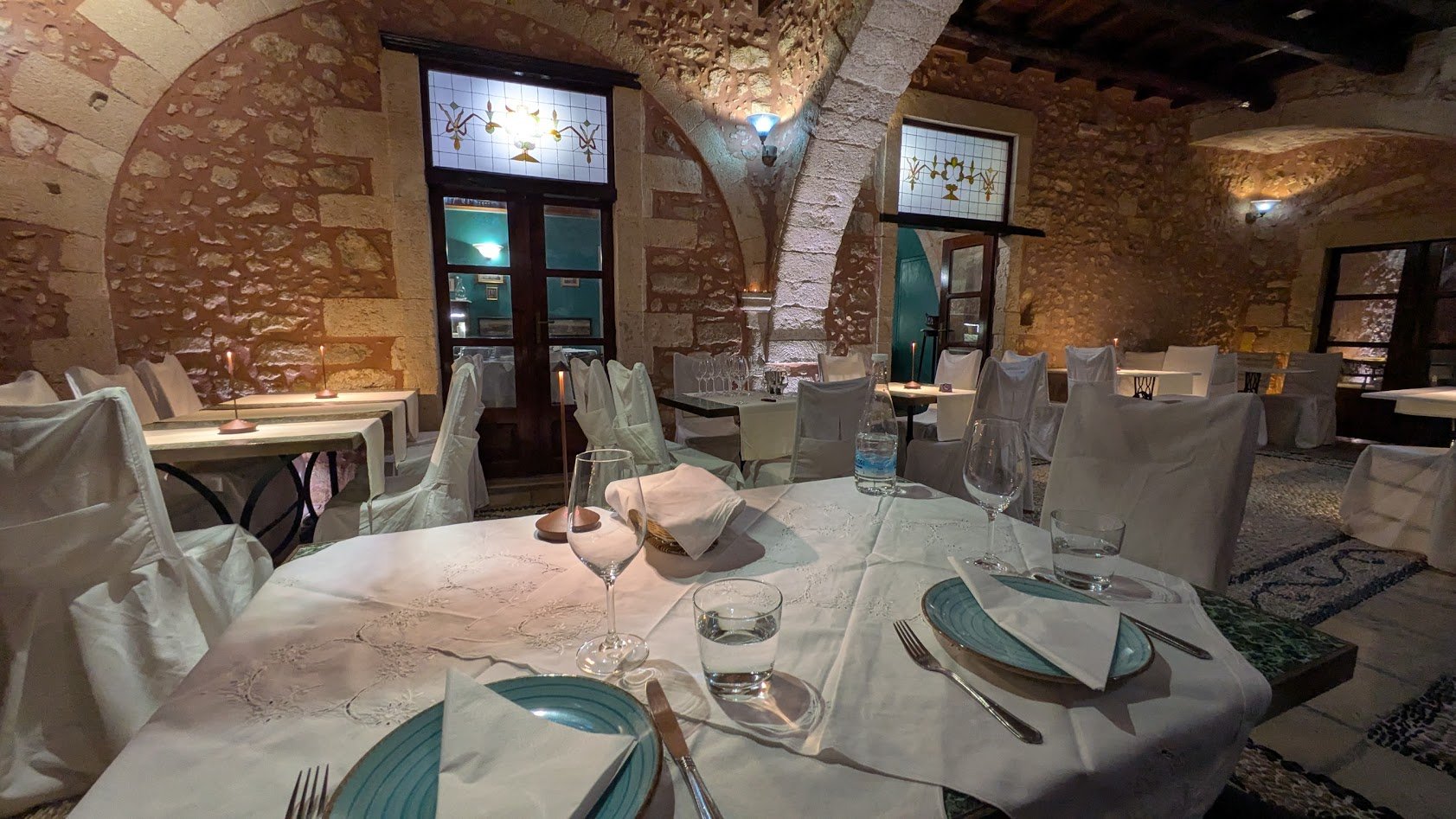
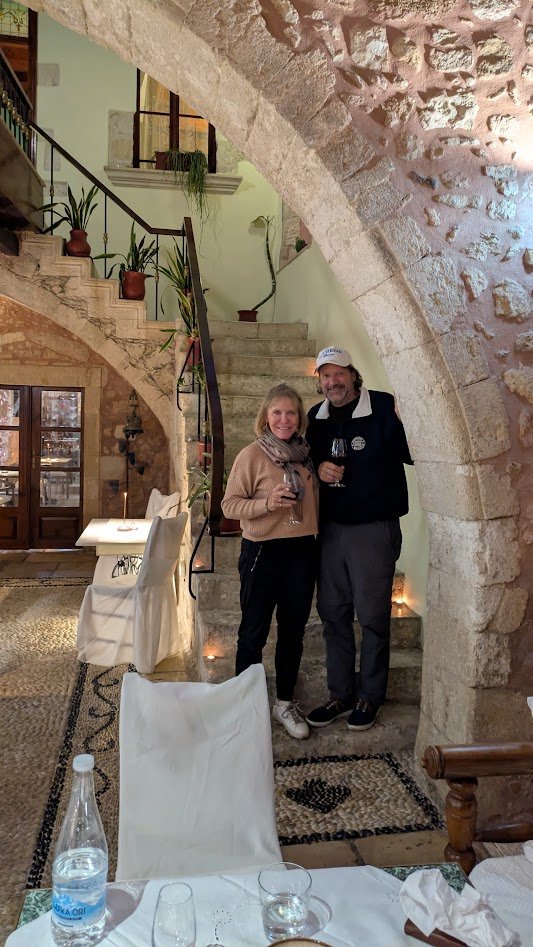
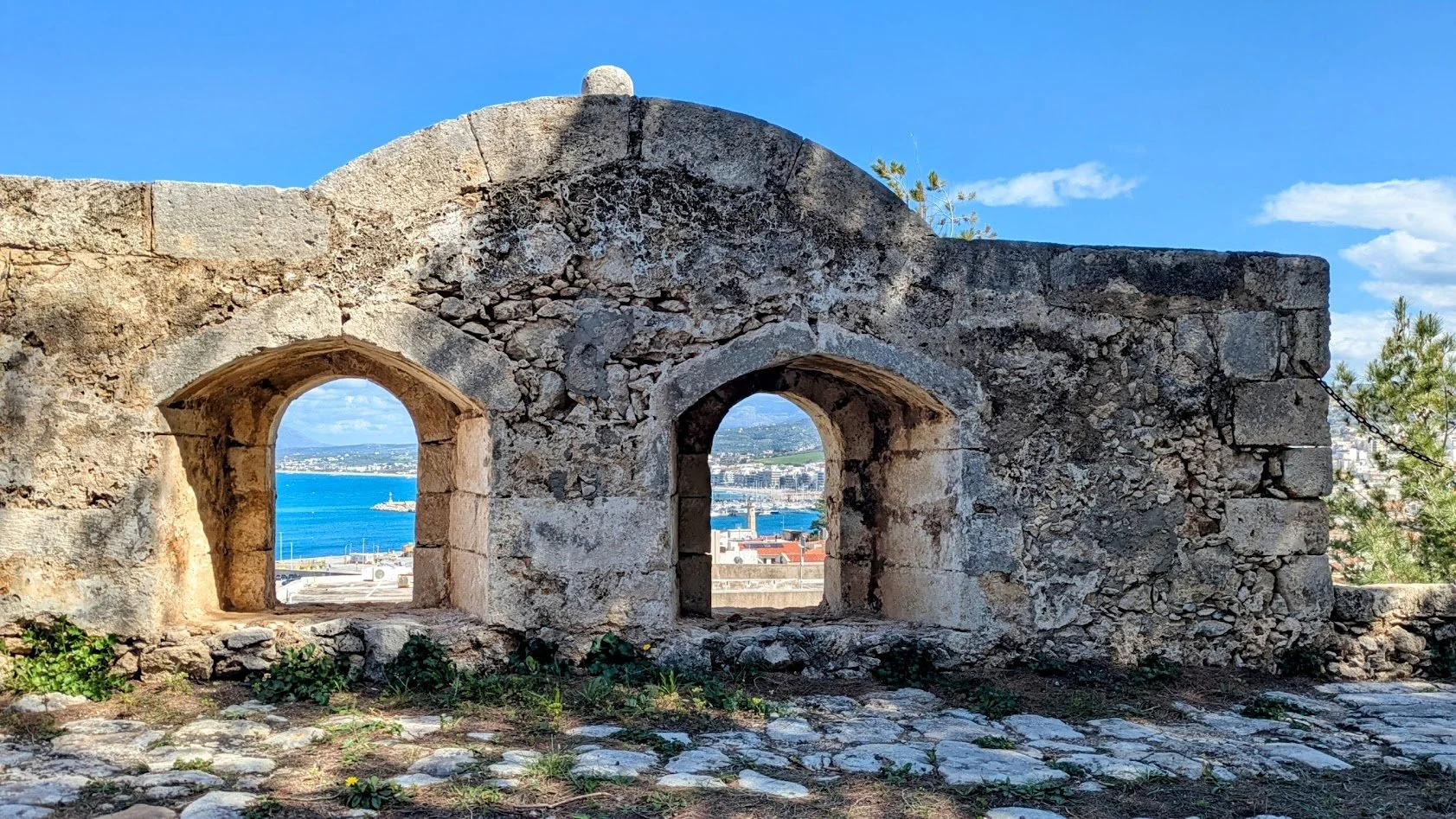
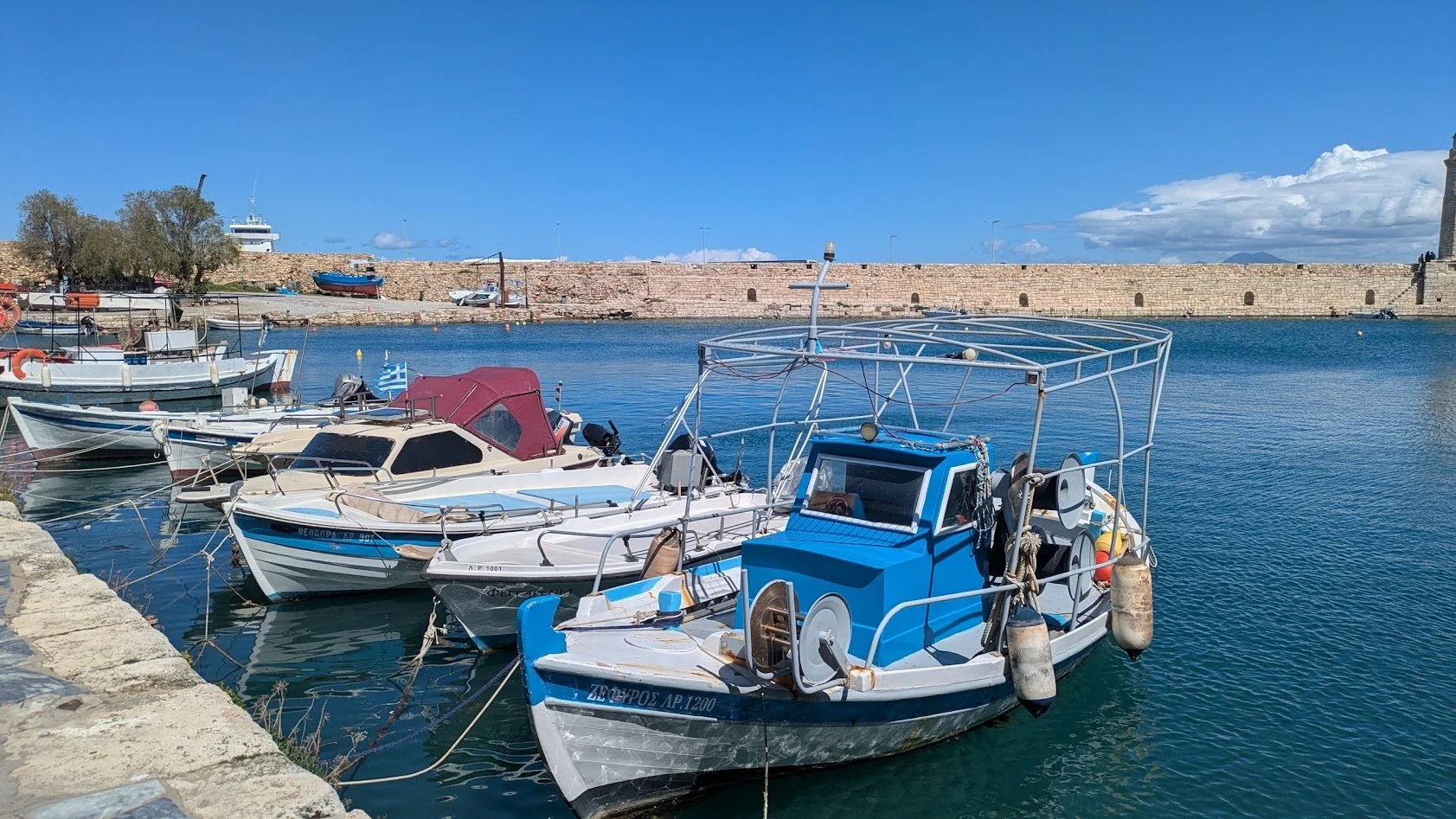
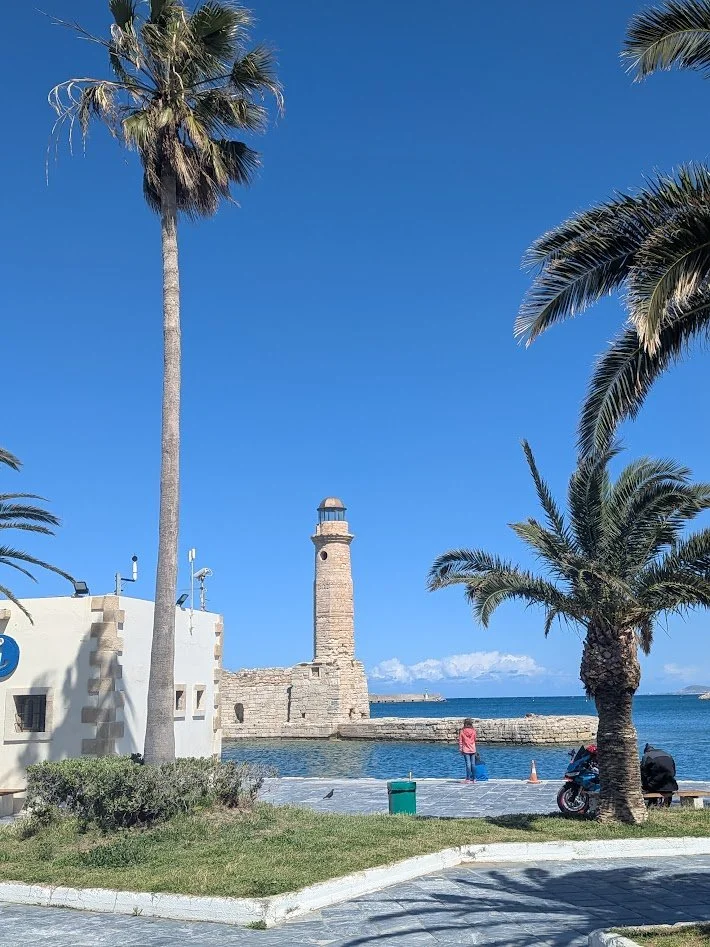
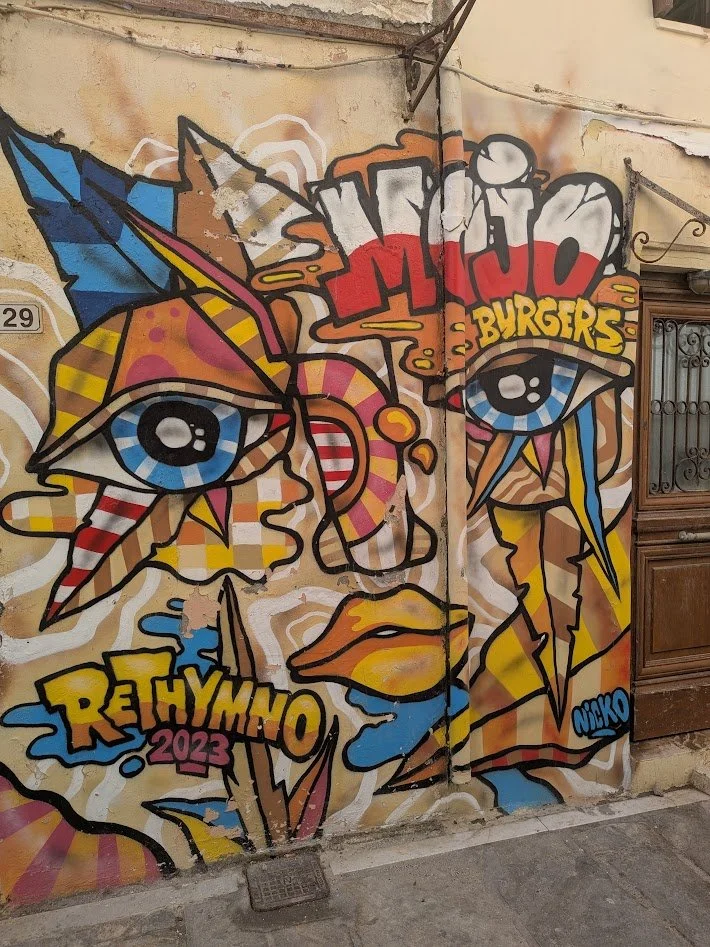
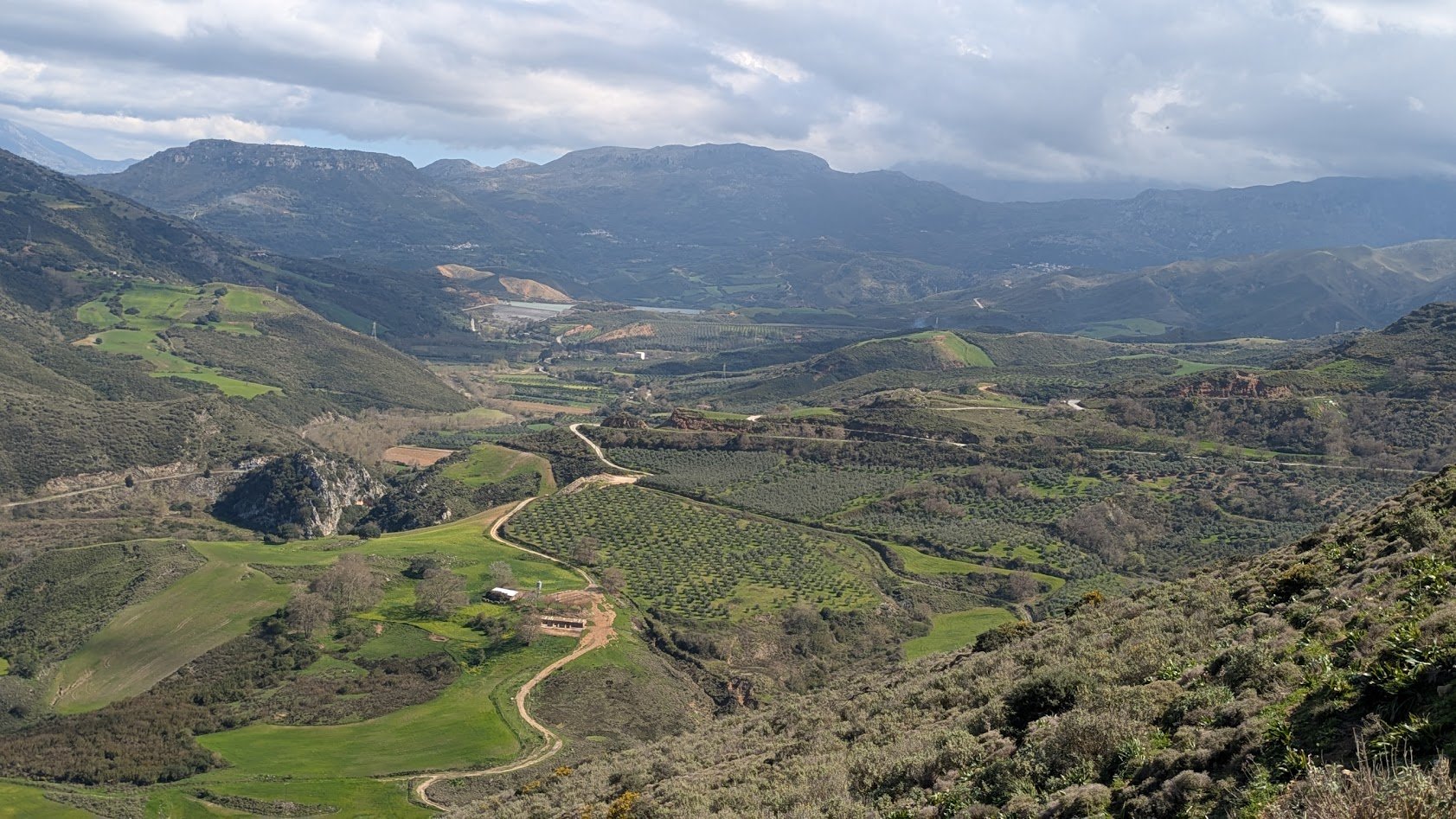
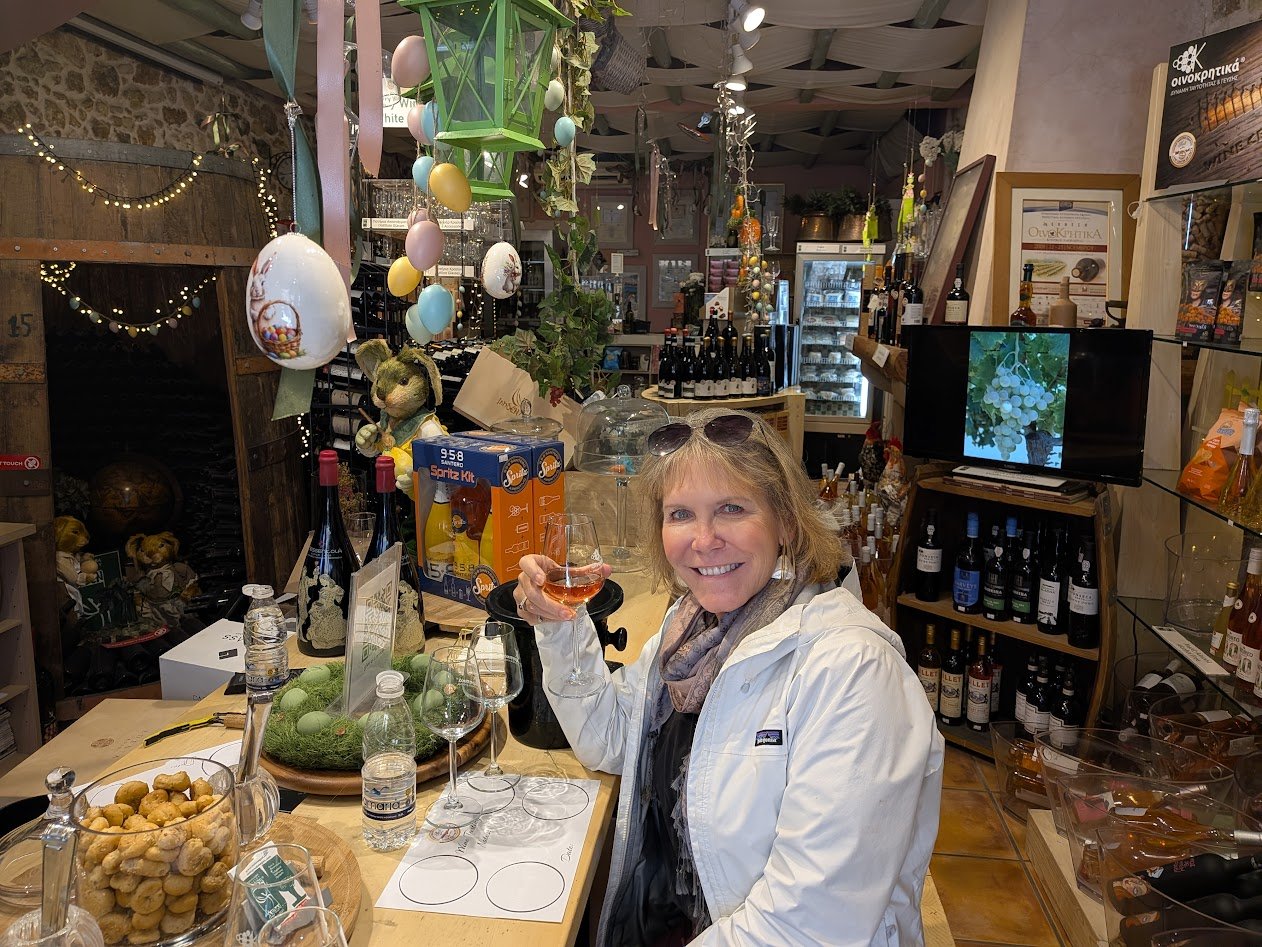
We spent our first 11 nights in Rethymno which is on the north coast of the island pretty close to the center, so a good base to explore a decent amount of the island (but definitely not all – Crete is really big). We had an apartment right on the ocean with amazing views that we couldn’t enjoy because it was so freaking rainy and windy! Rethymno has a seriously cute, well preserved, 16th century old town that we were also barely able to enjoy not only because of the weather, but also because most of the businesses were closed until April 1st. We made the most of it… we did a few wine tastings at some wineries outside of town and in a historic building in old town, and when the weather was tolerable, we checked out the fort and old town, and since we had a car, we drove around and saw the beautiful landscape.
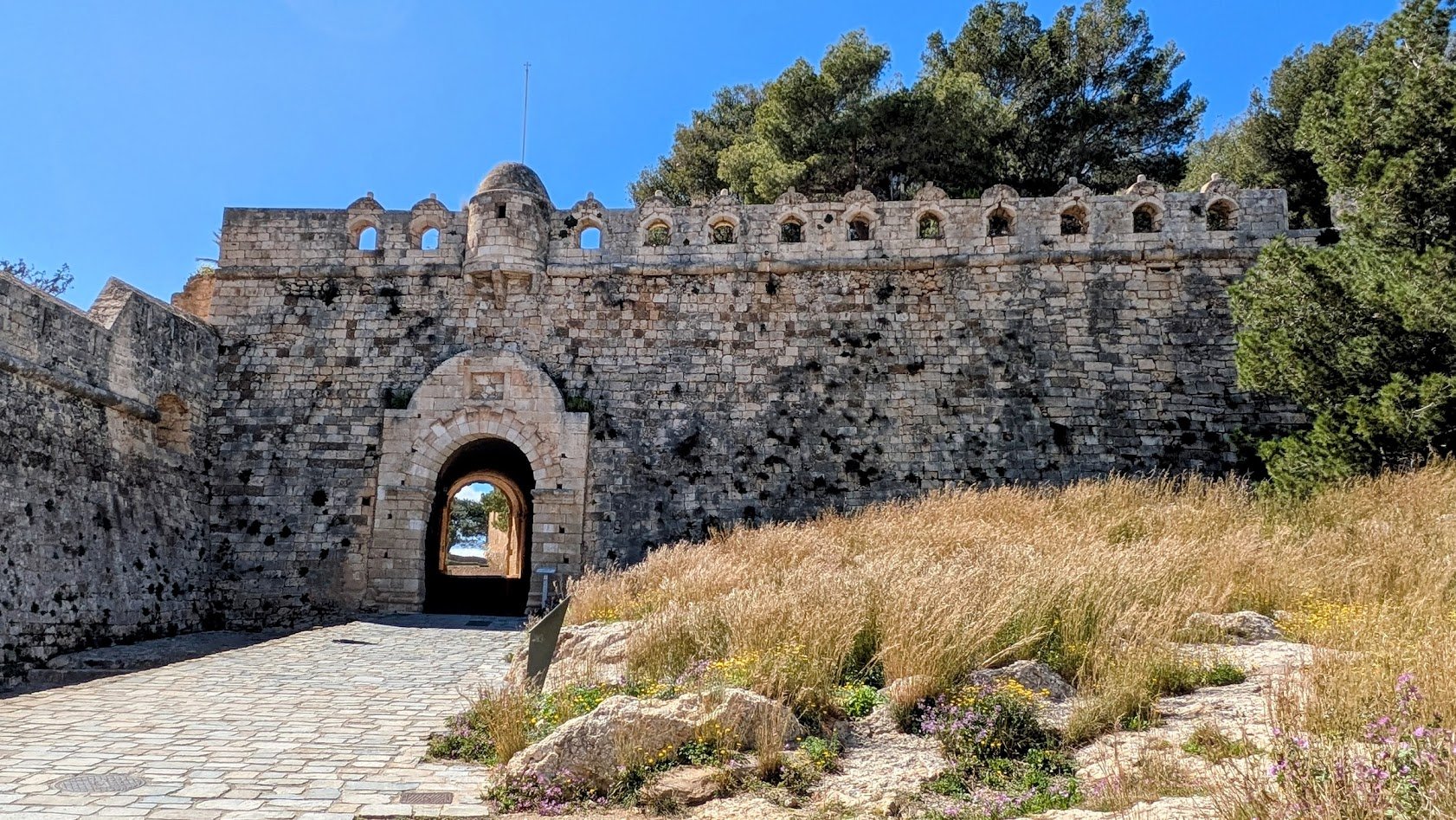
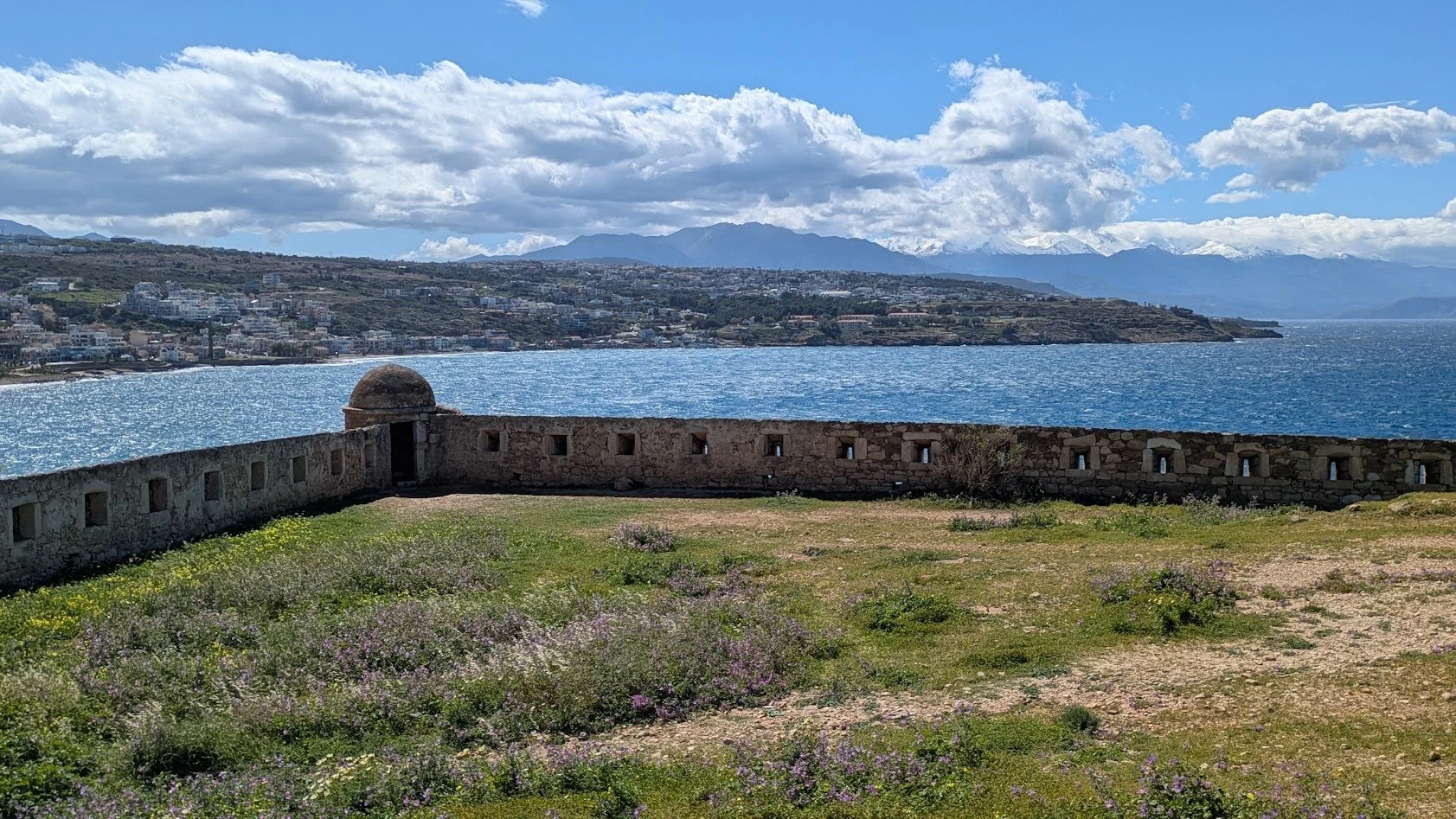
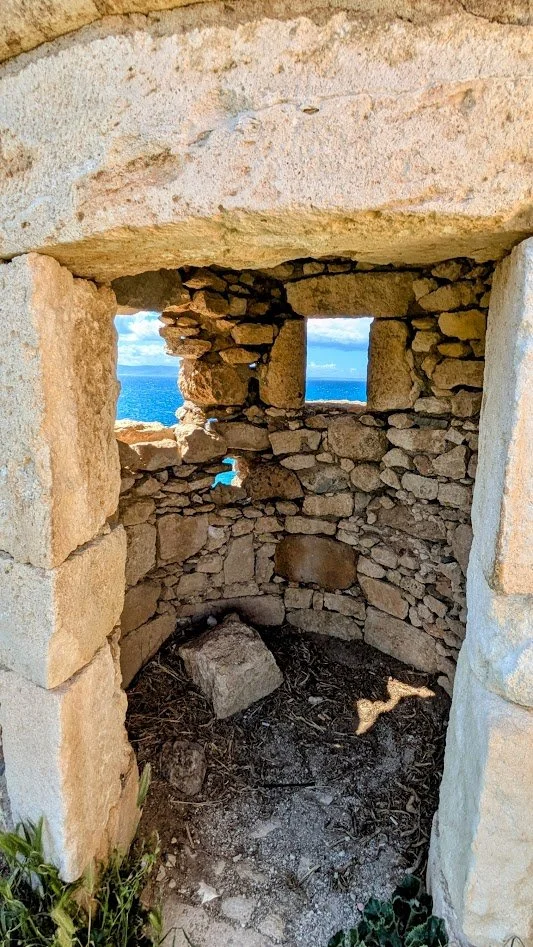
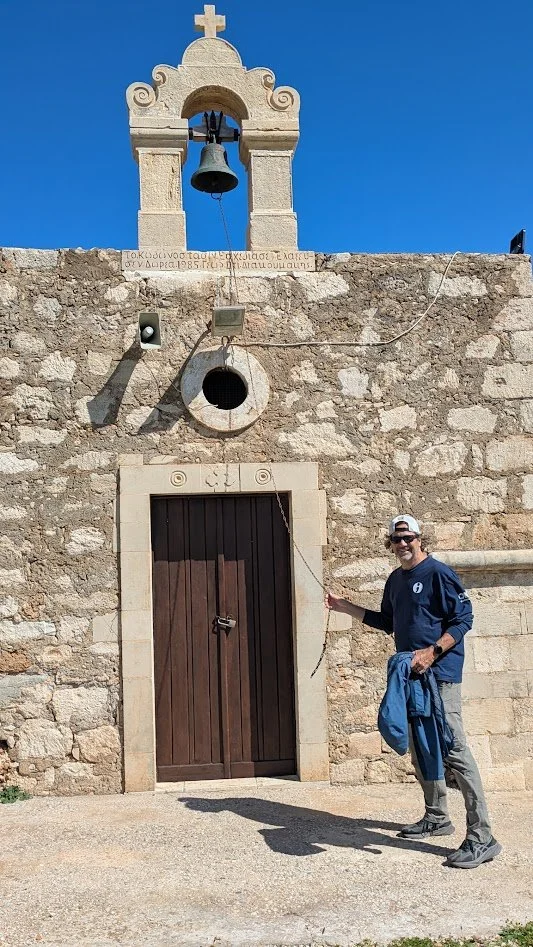
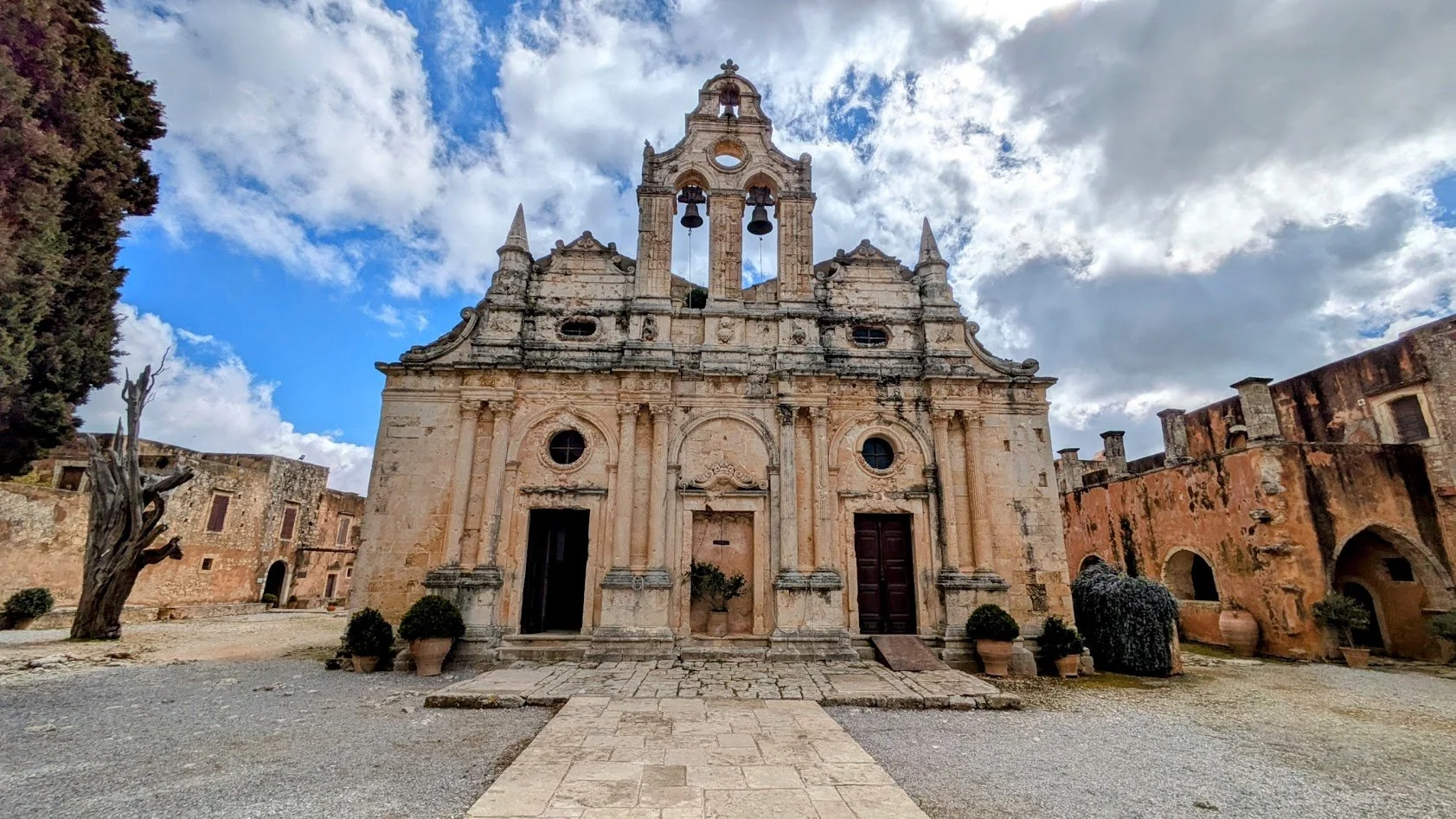
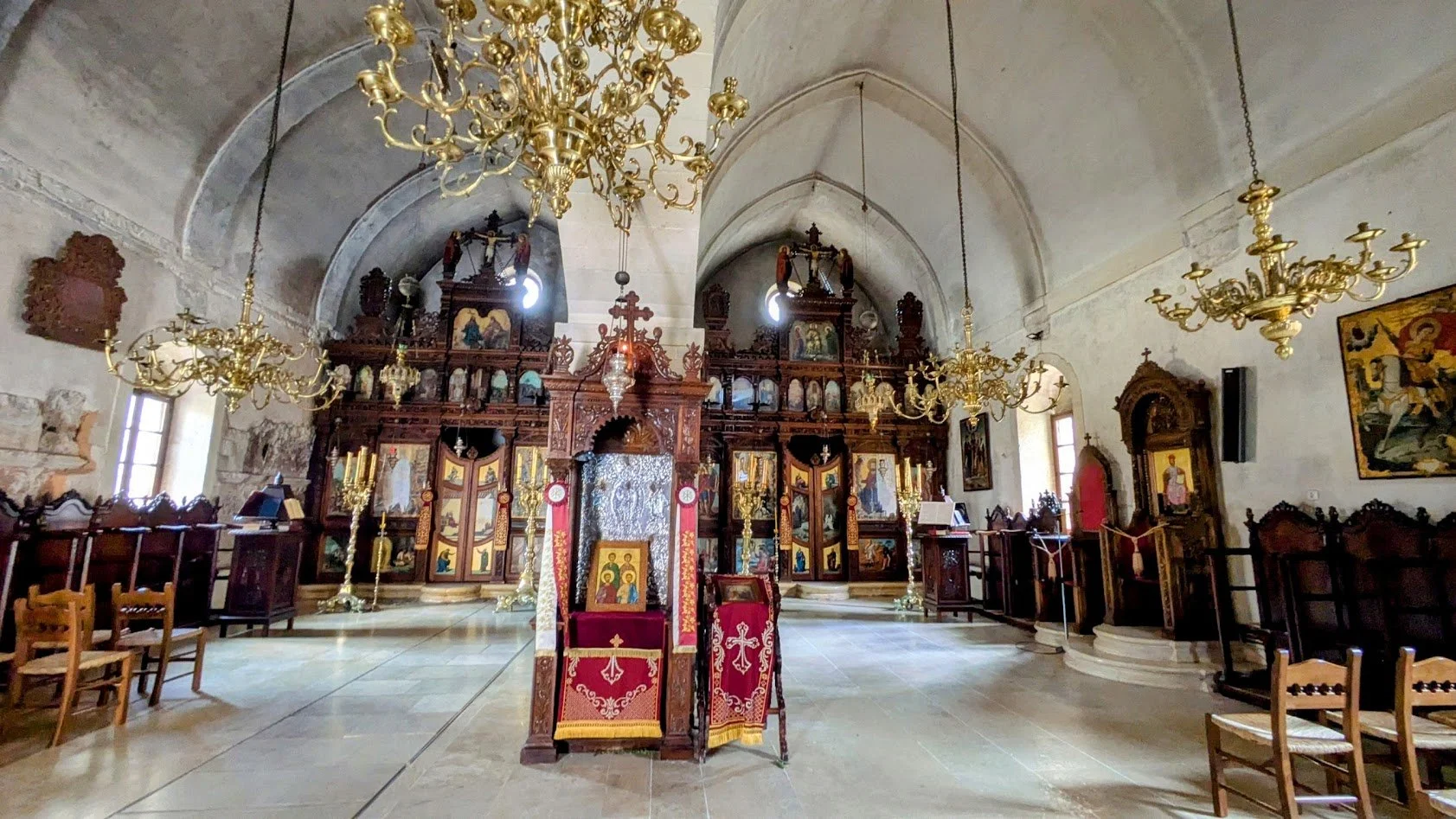
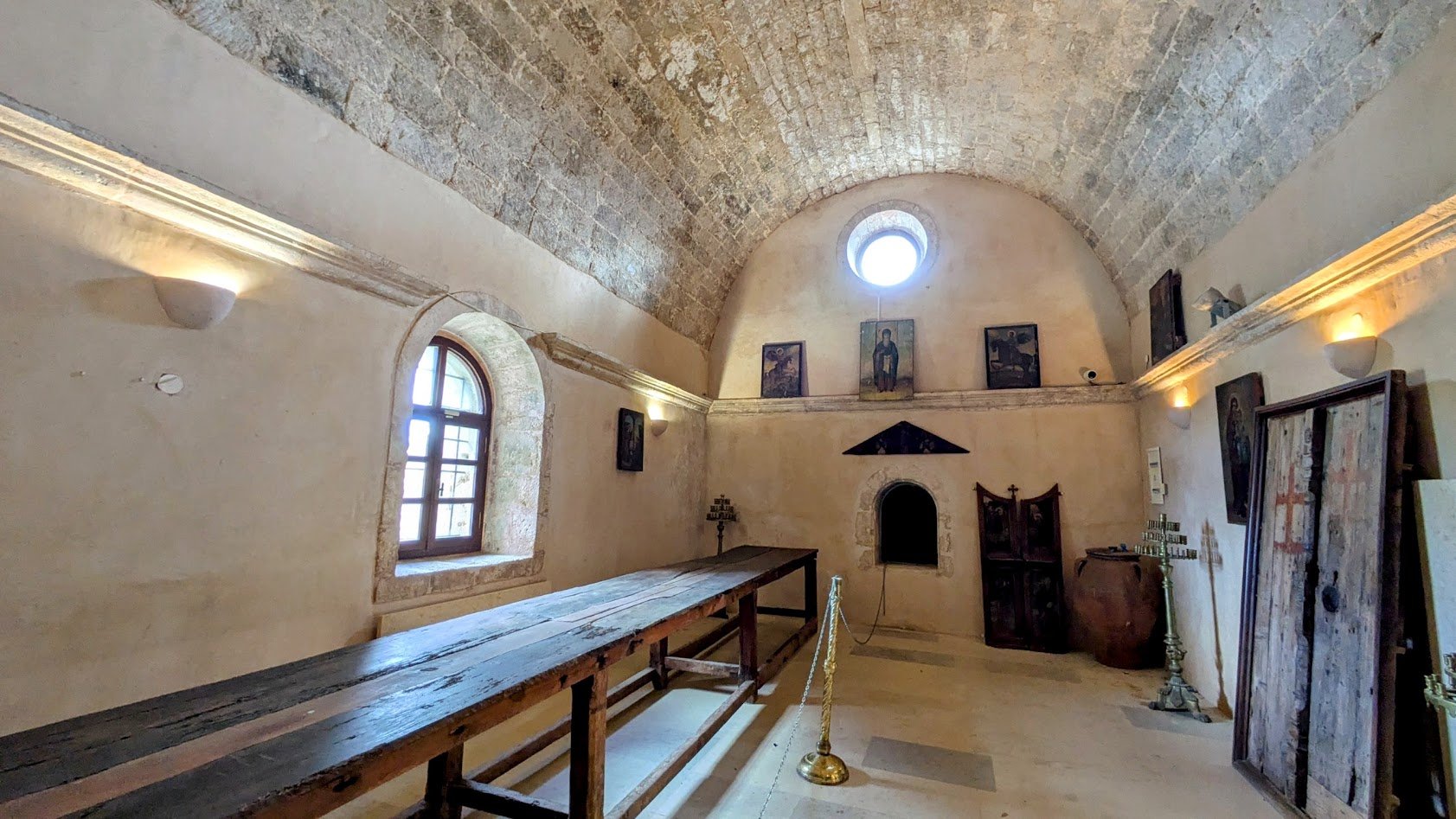
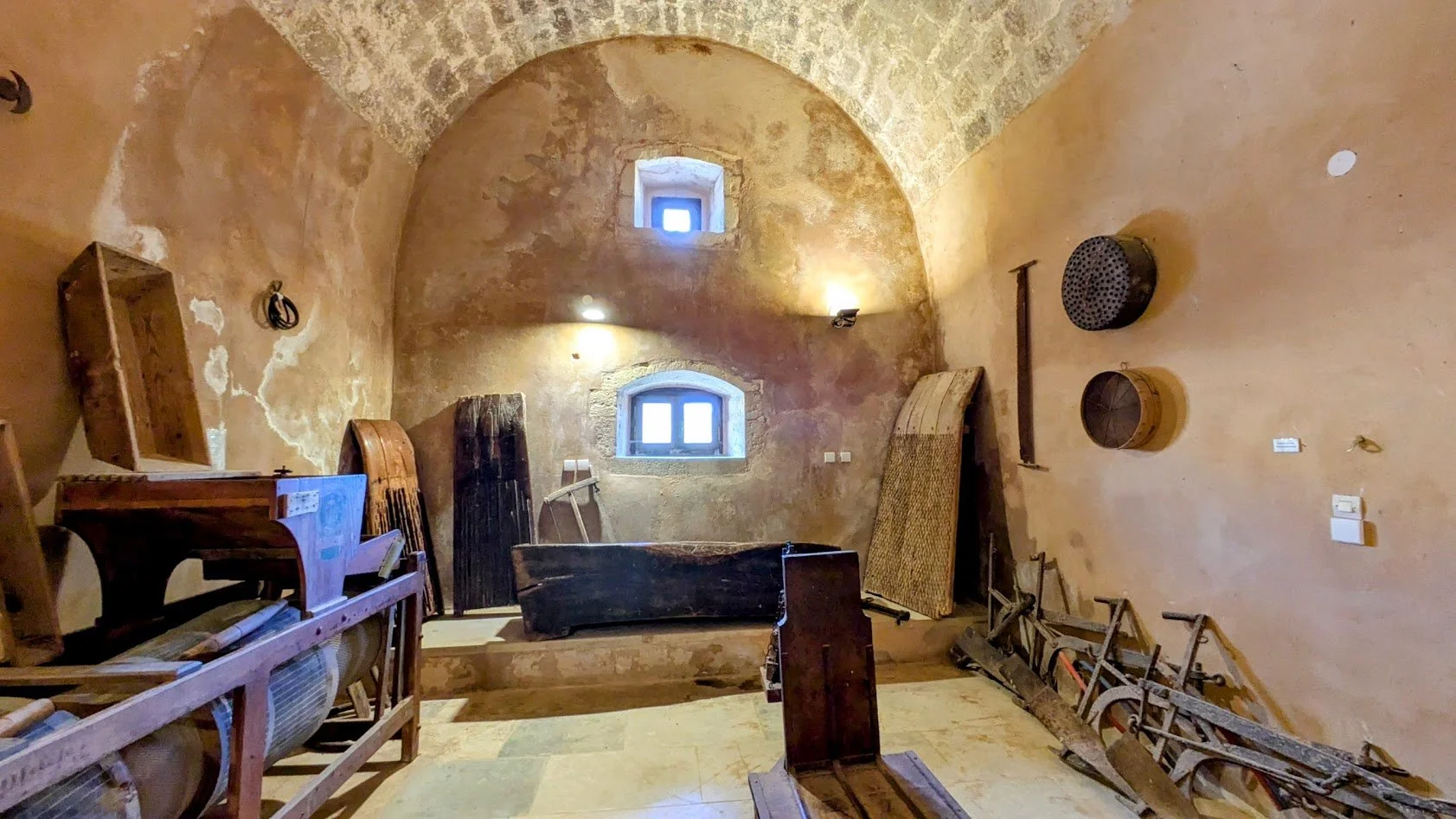
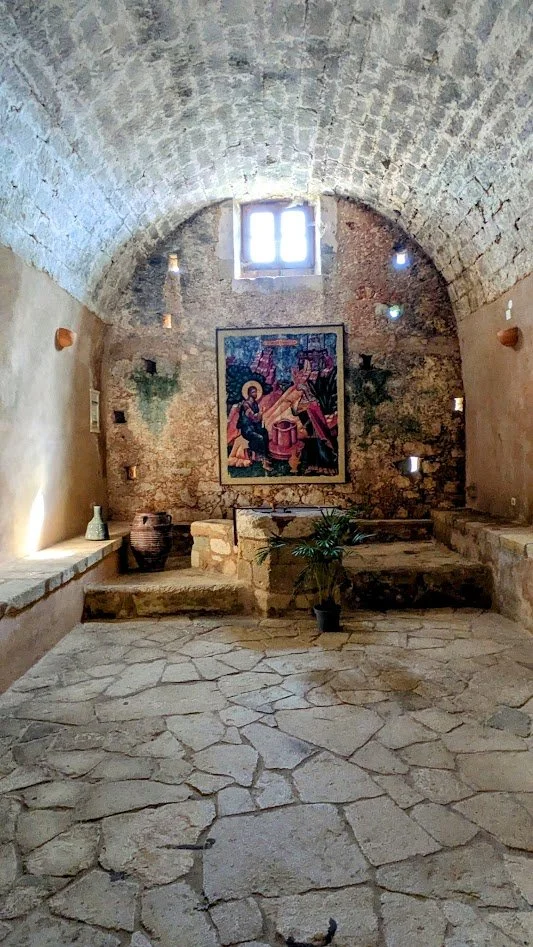
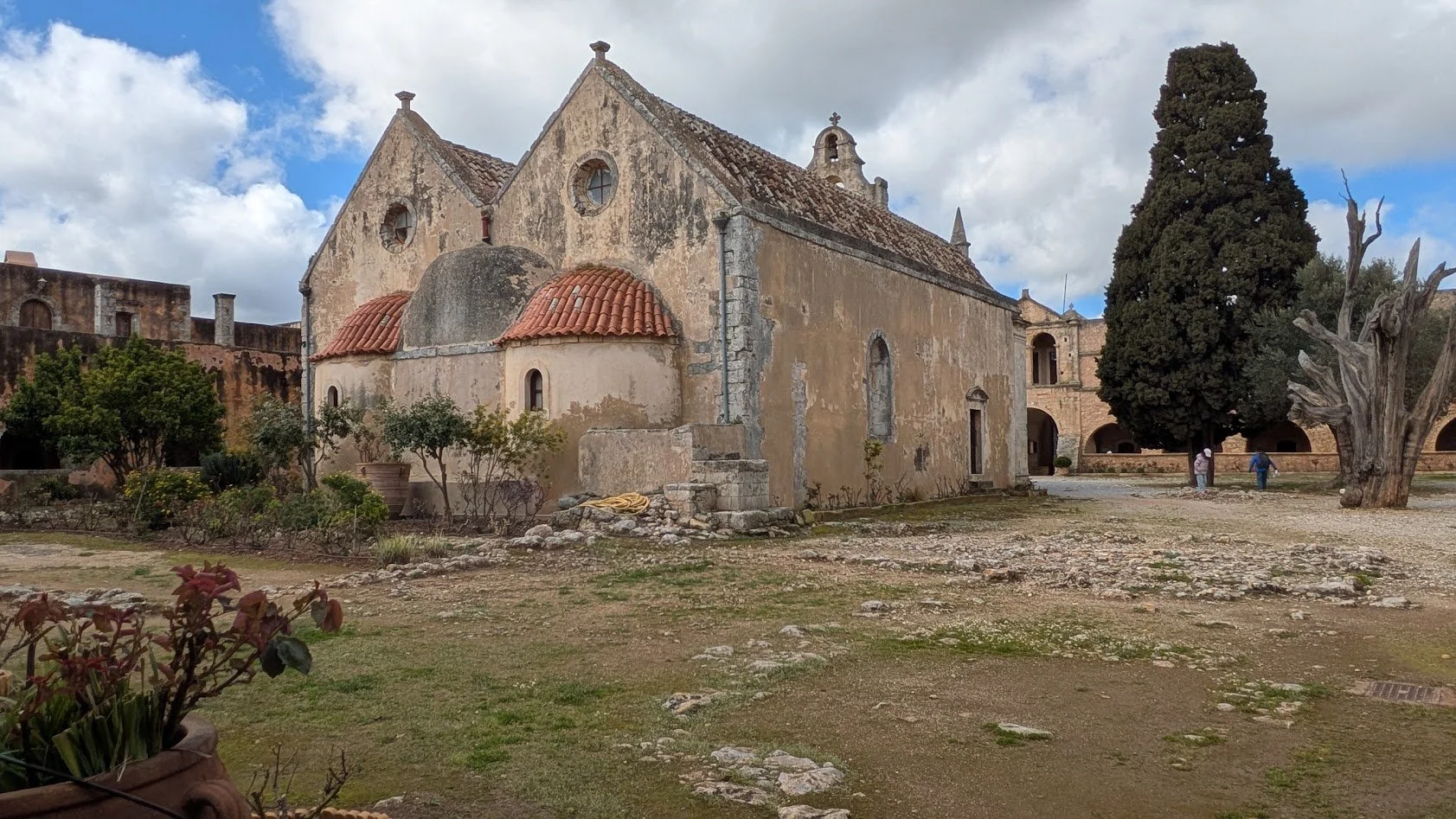
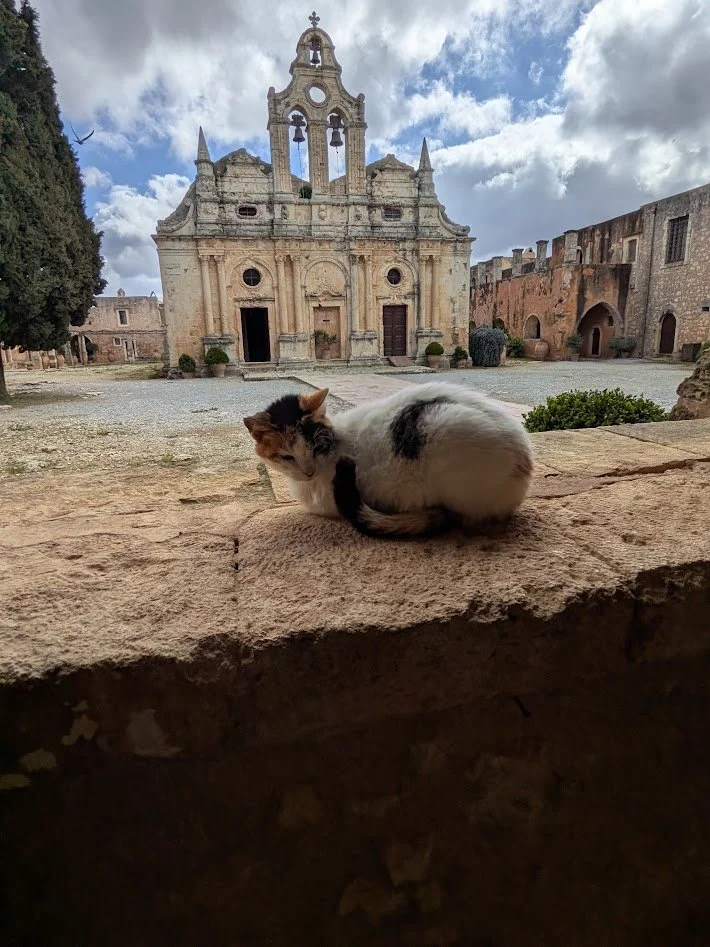
We visited the Arkadi monastery one day which was about 30 minutes from Rethymno. This was a pretty cool monastery. Not as cool as the one we saw in Georgia that was perched on top of an enormous pillar of rock, but still pretty interesting. They did a good job of providing actual information about the buildings and the history and they had a nice little museum.
It is a 16th-century Greek Orthodox site renowned for its Venetian Baroque architecture and role in the 1866 Cretan resistance against Ottoman rule when the monastery became a symbol of Cretan freedom during the Cretan Revolt. Hundreds of Greeks, mostly women and children, died in a final stand against Ottoman forces when they blew themselves up the ammunition storage rather than surrender.
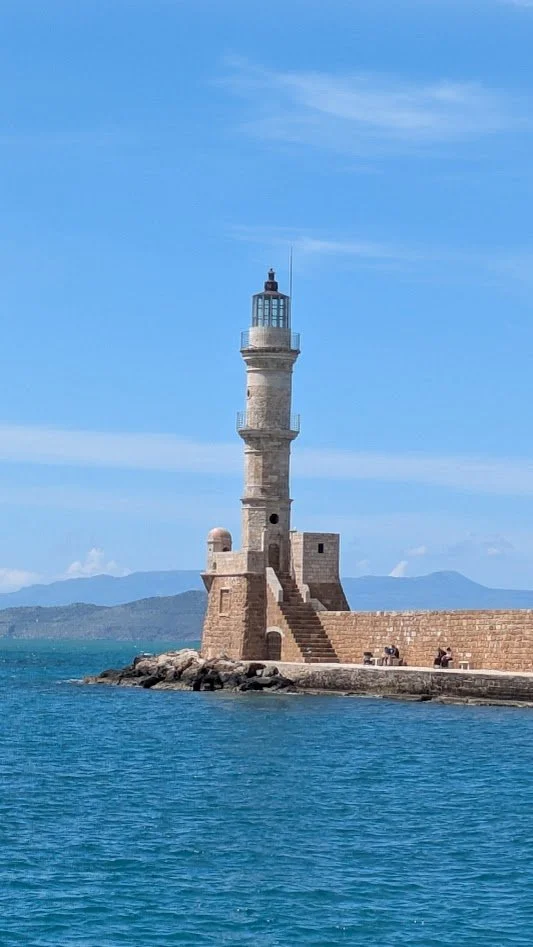
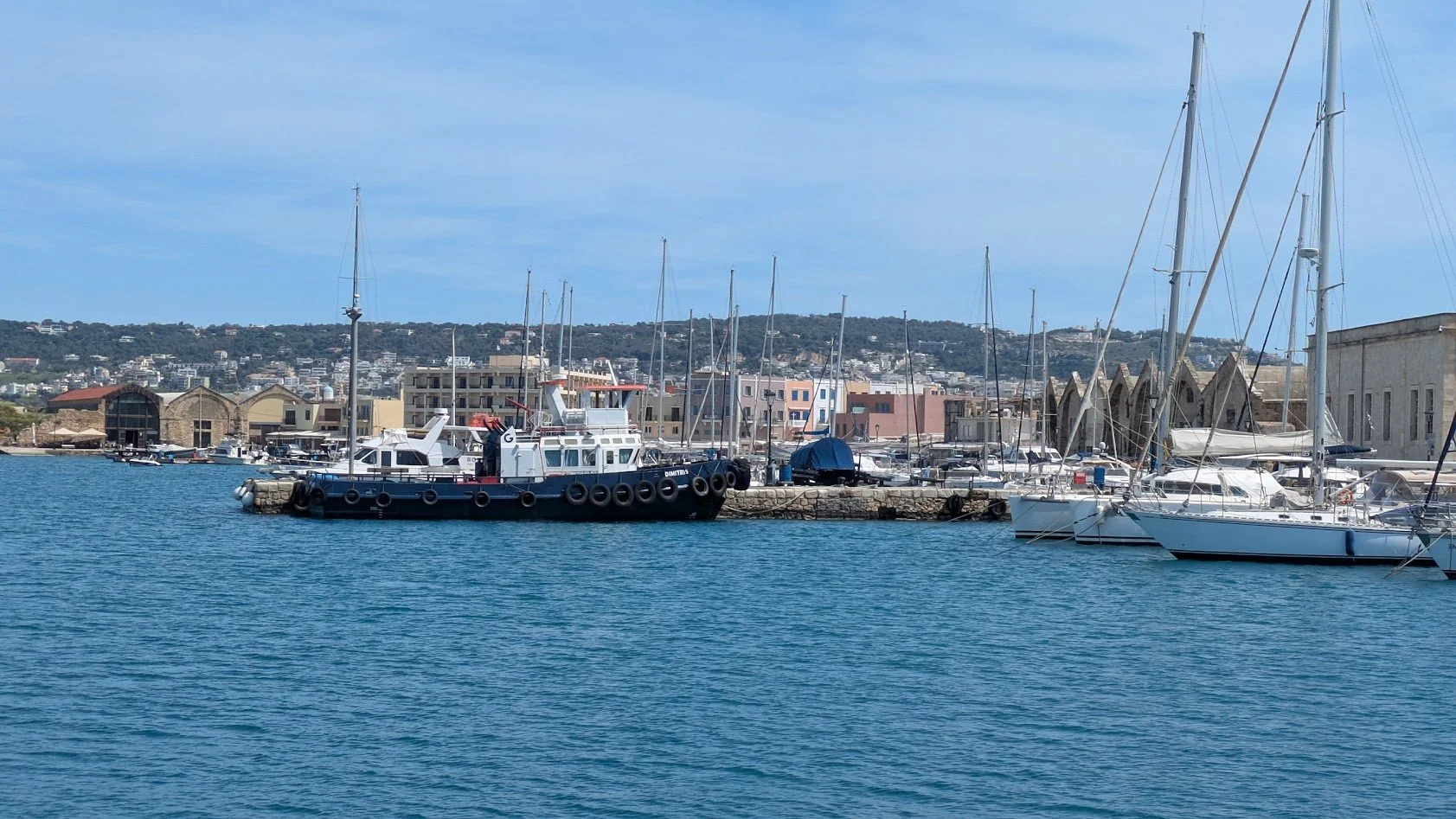
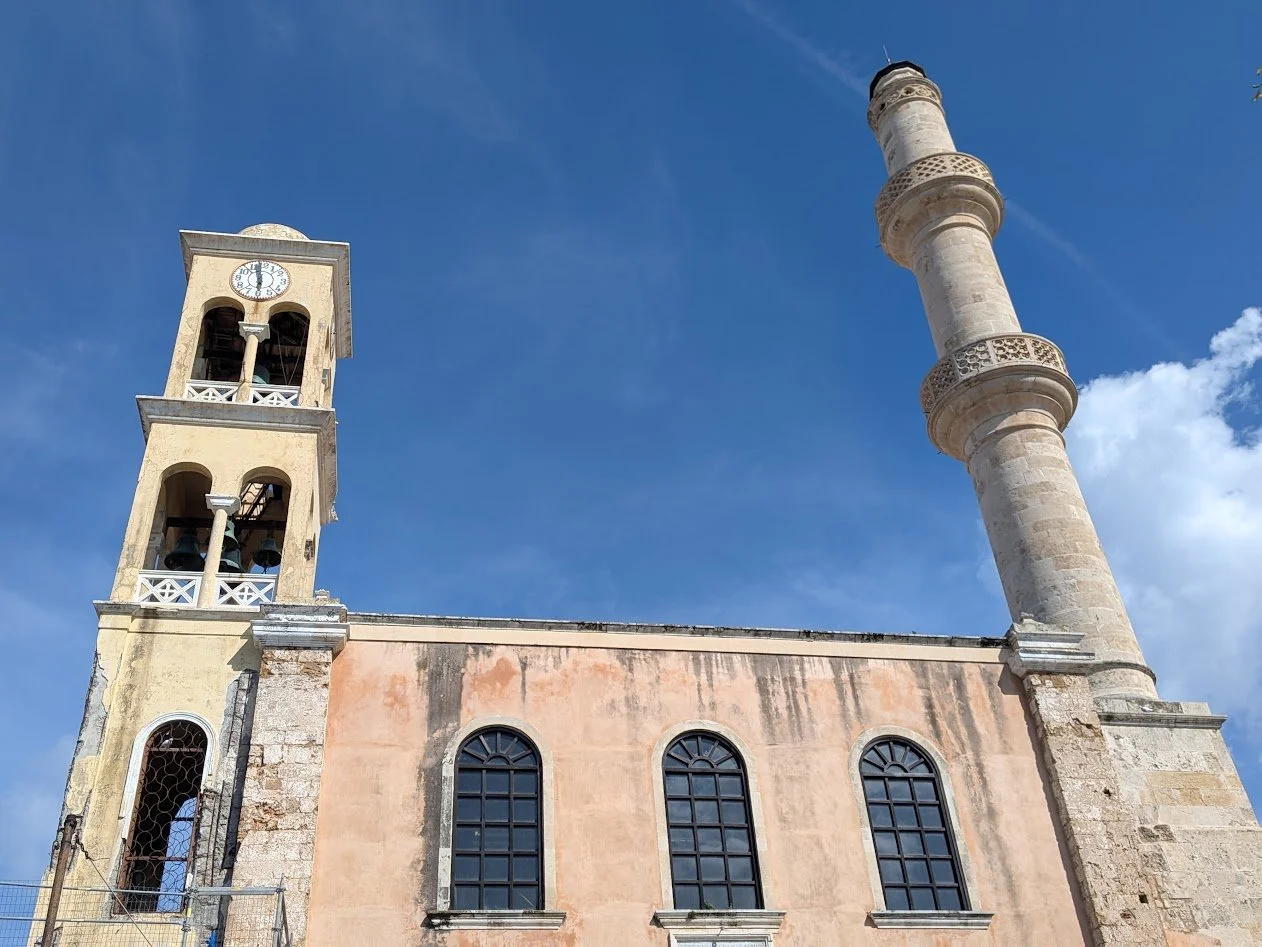
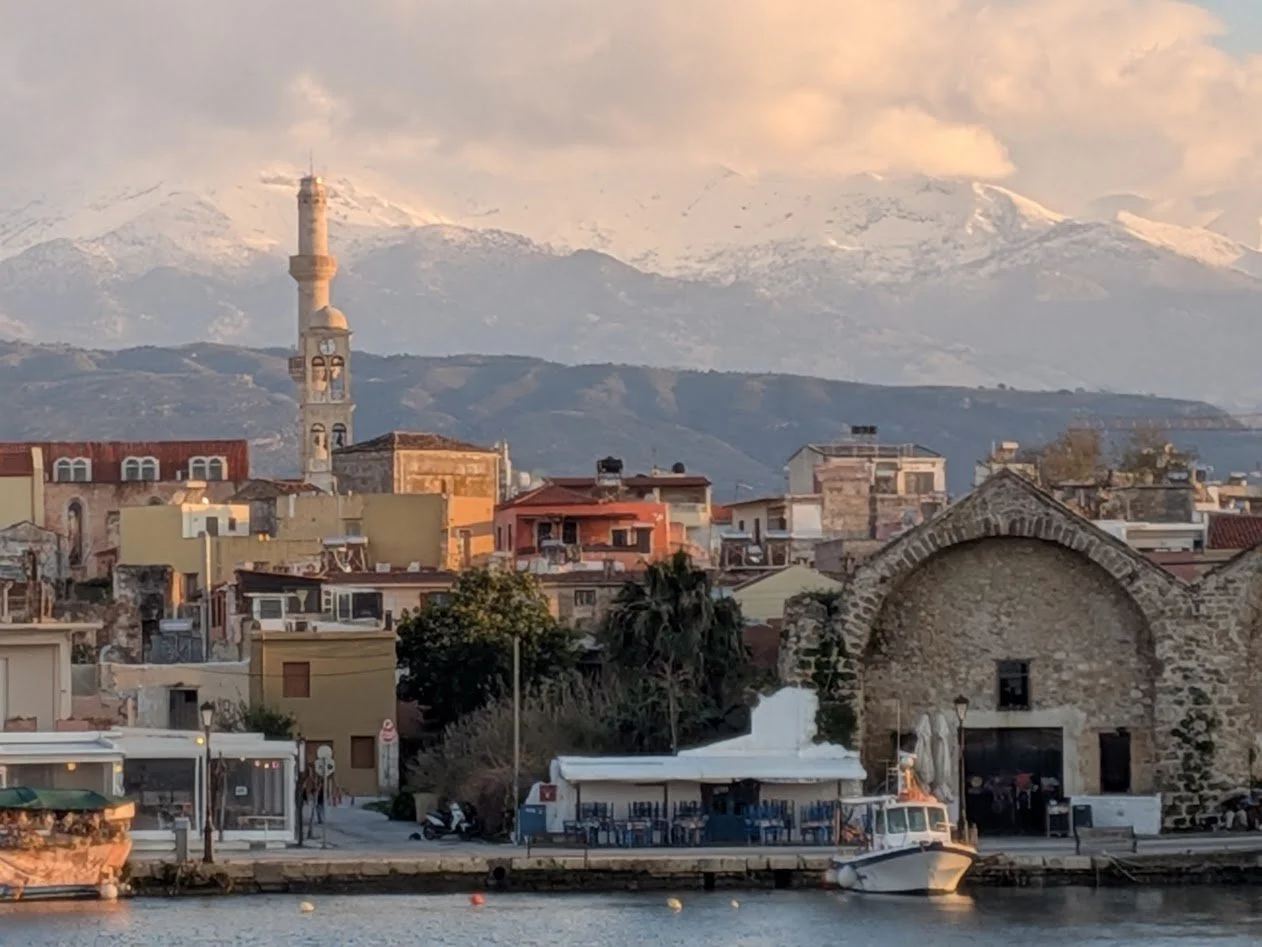
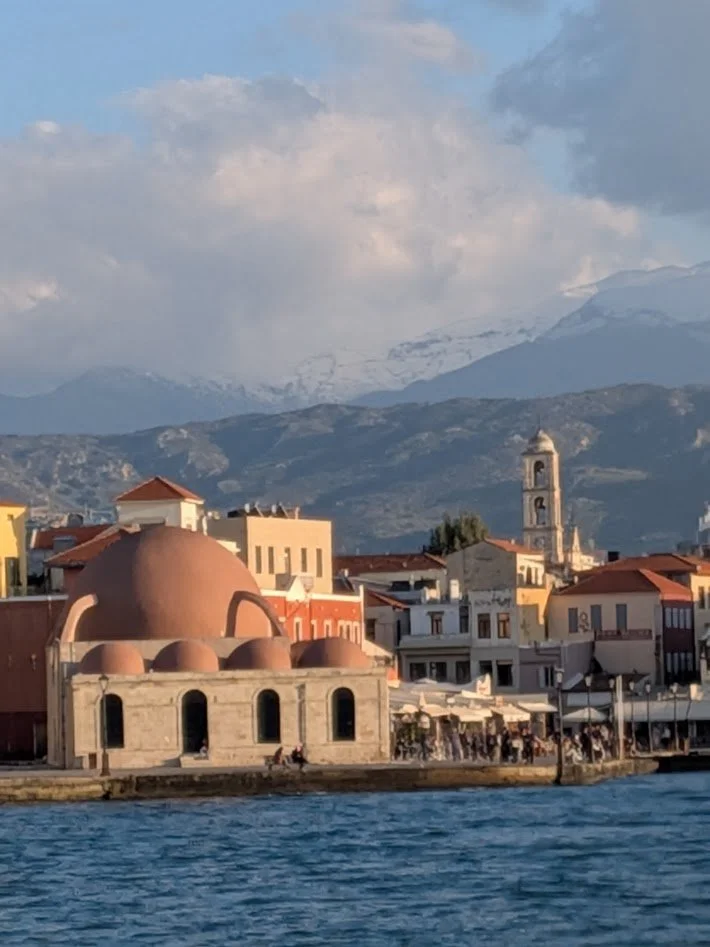
We did an overnight from Rethymno to Chania Town which is about an hour west, also on the northern coast of Crete. Luckily, we had a couple days of sunny weather. Chania is a really cute town renowned for its 14th-century Venetian harbor and narrow old town streets. It is a former capital of Crete and features a blend of Venetian, Ottoman, and Greek influences in its architecture.
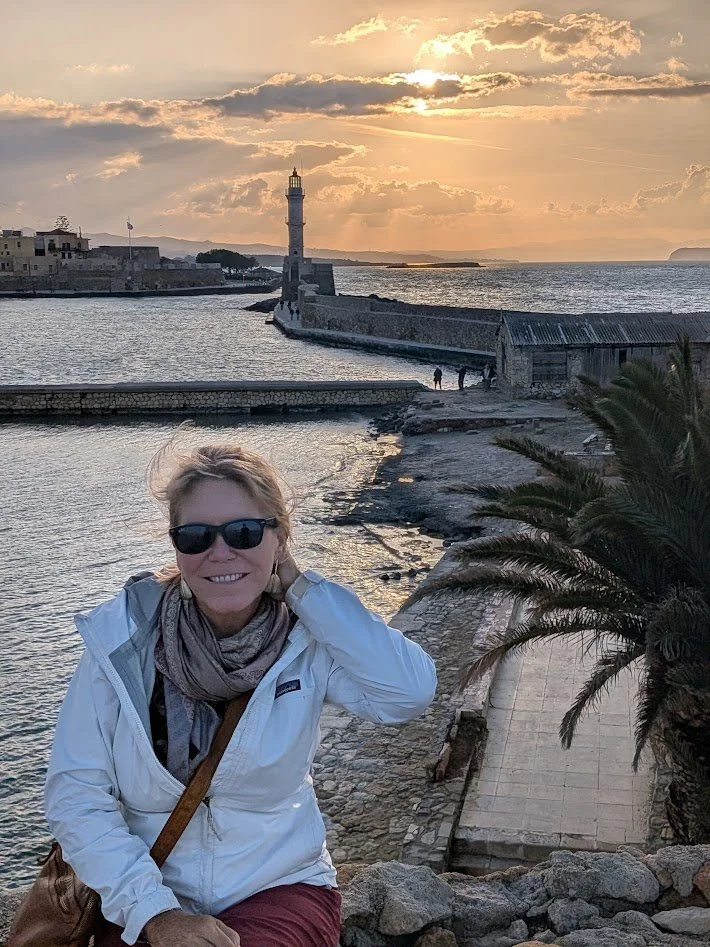
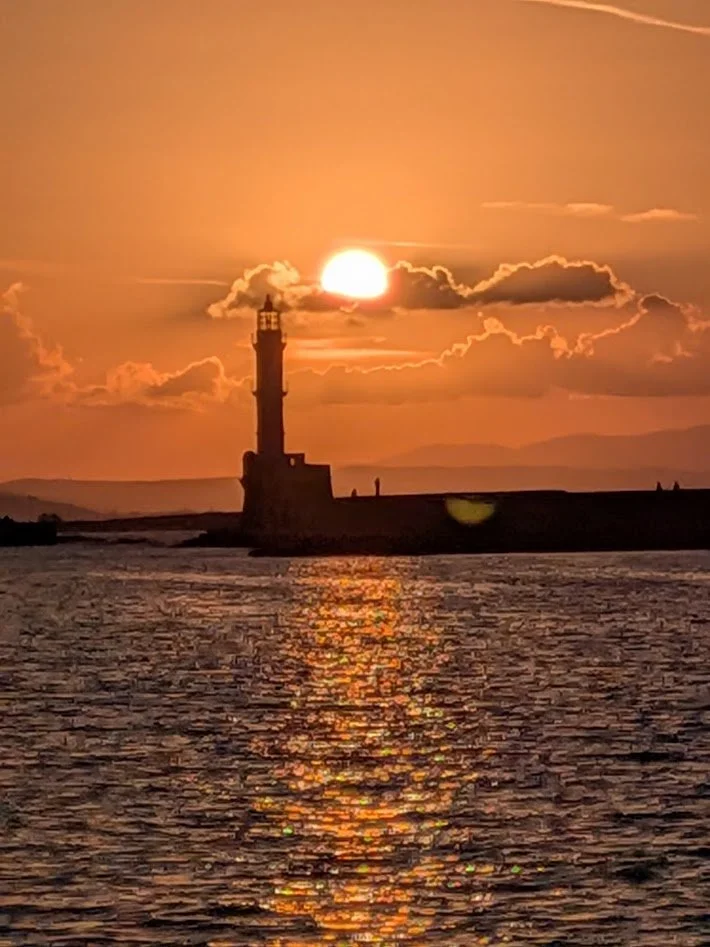
After a food and wine tour in Chania, we mostly just wandered and checked out the town and the port and enjoyed a nice sunset.
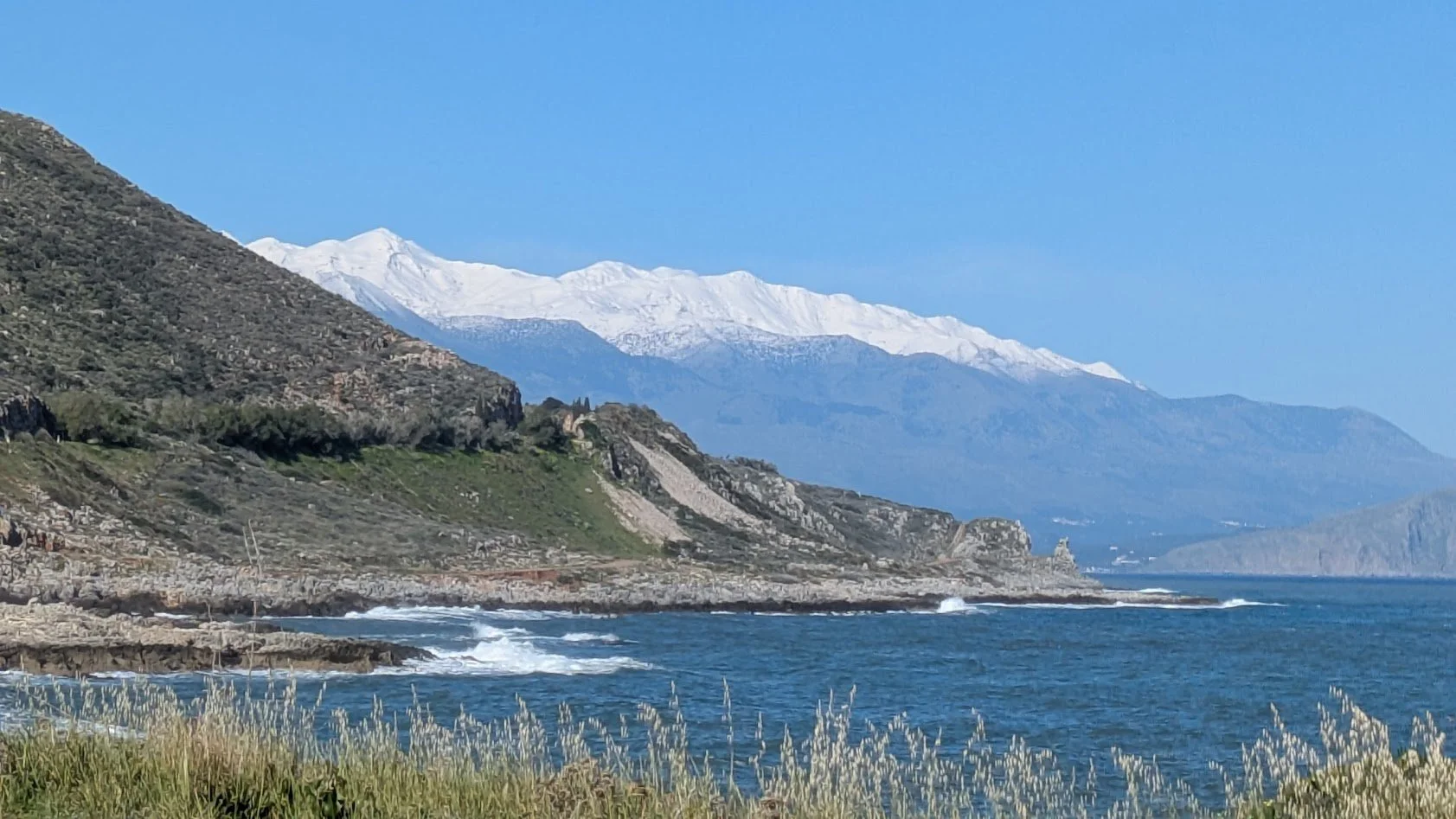
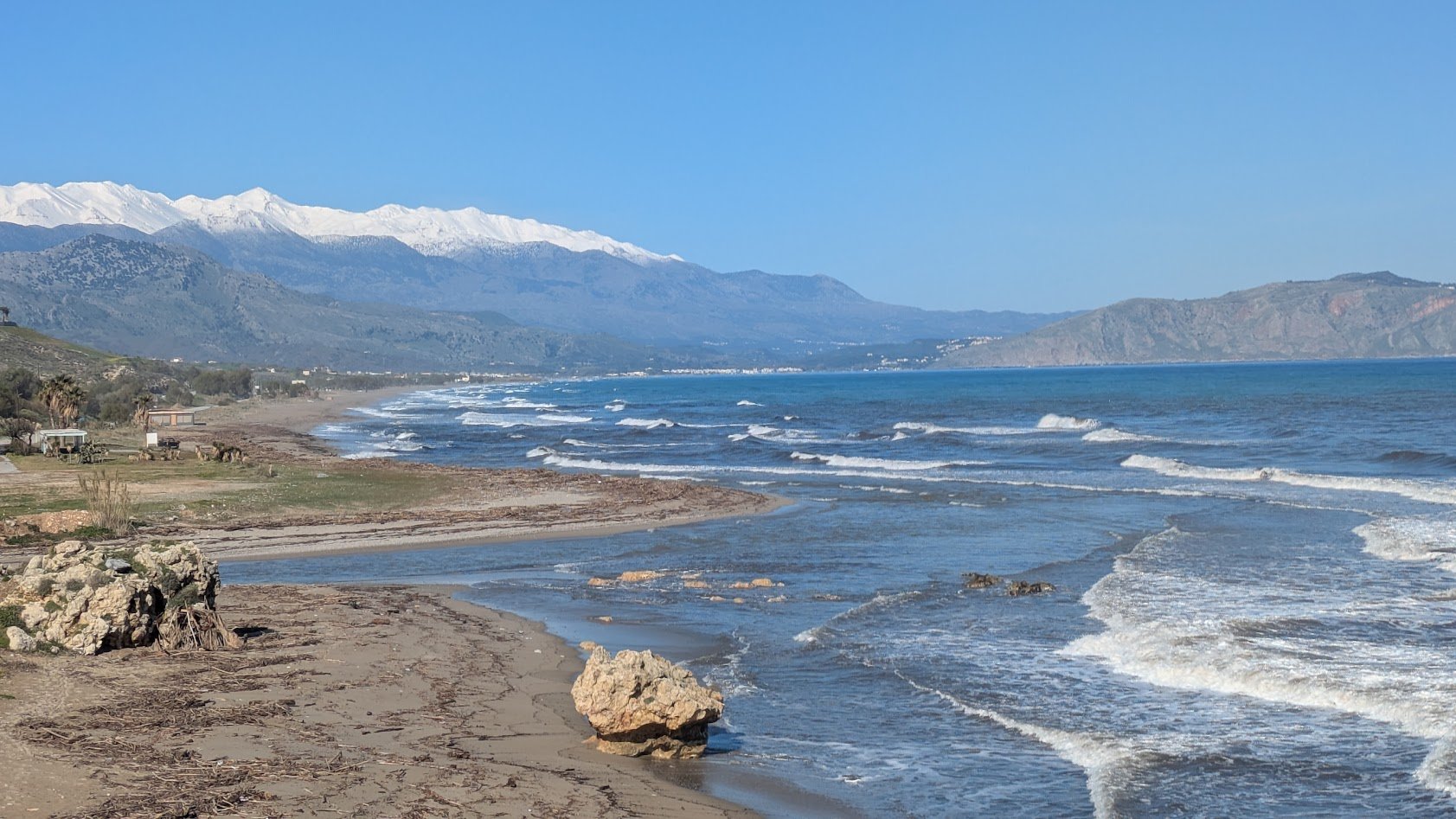
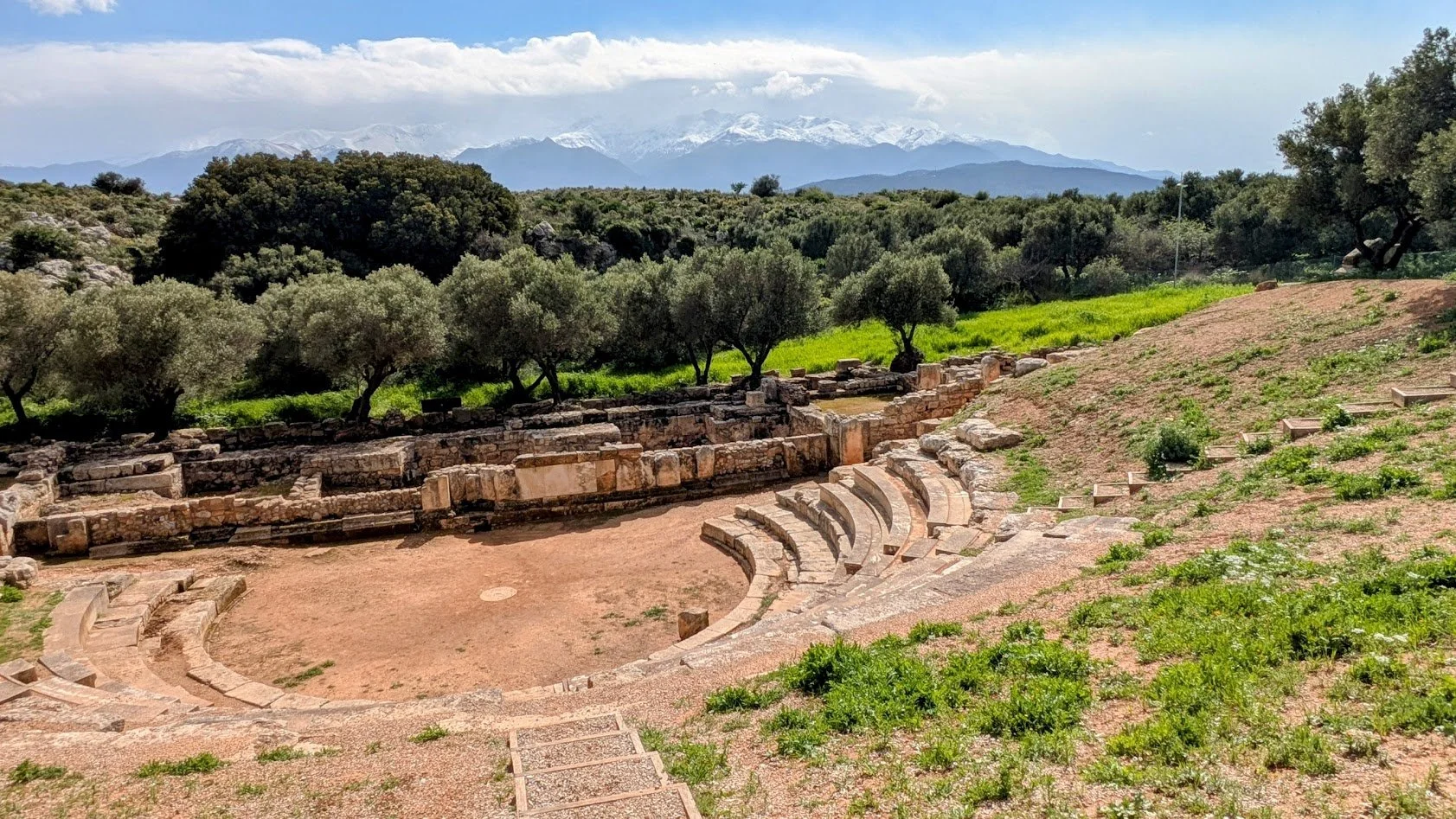
From town and on our drive toward Chania, you could see the “white mountains” in the distance on the far west of the island. They were gorgeous - and a bit of a surprise. We didn’t expect to see snow covered mountains in southern Greece!
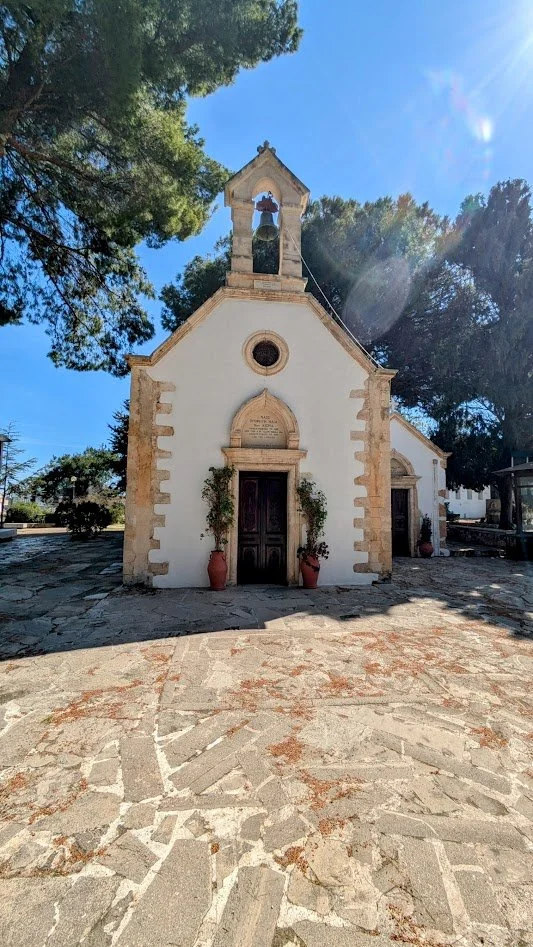
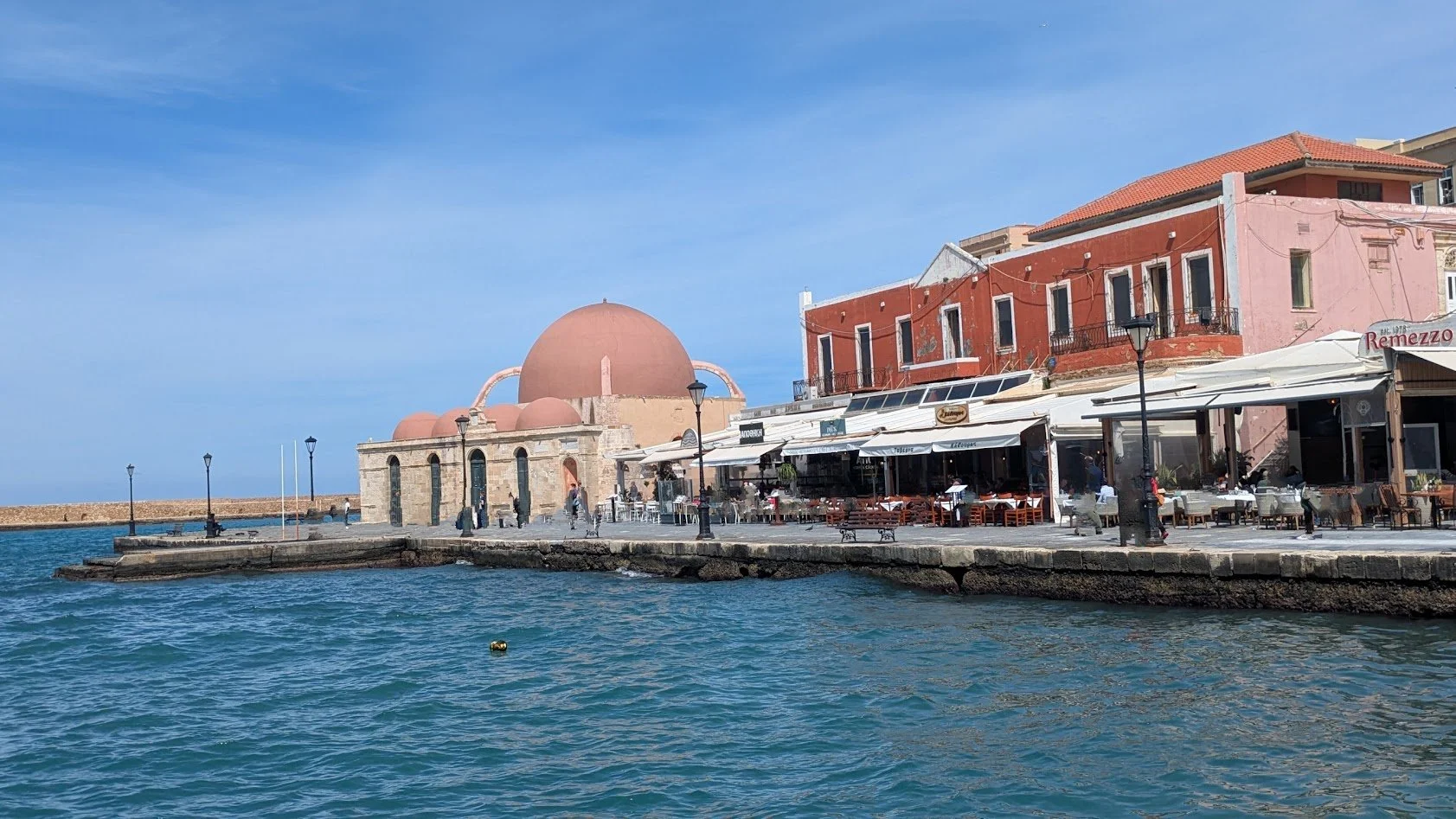
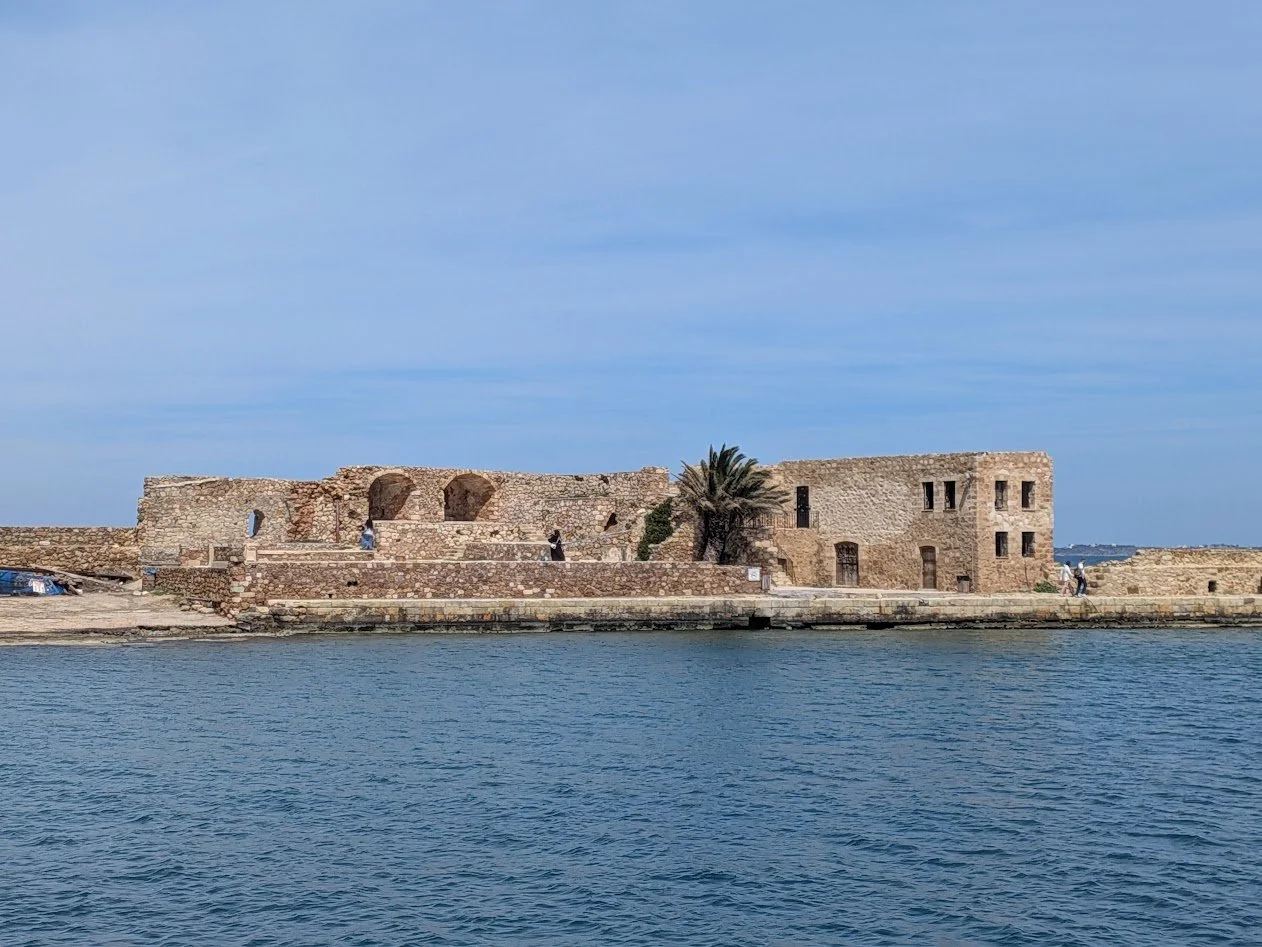
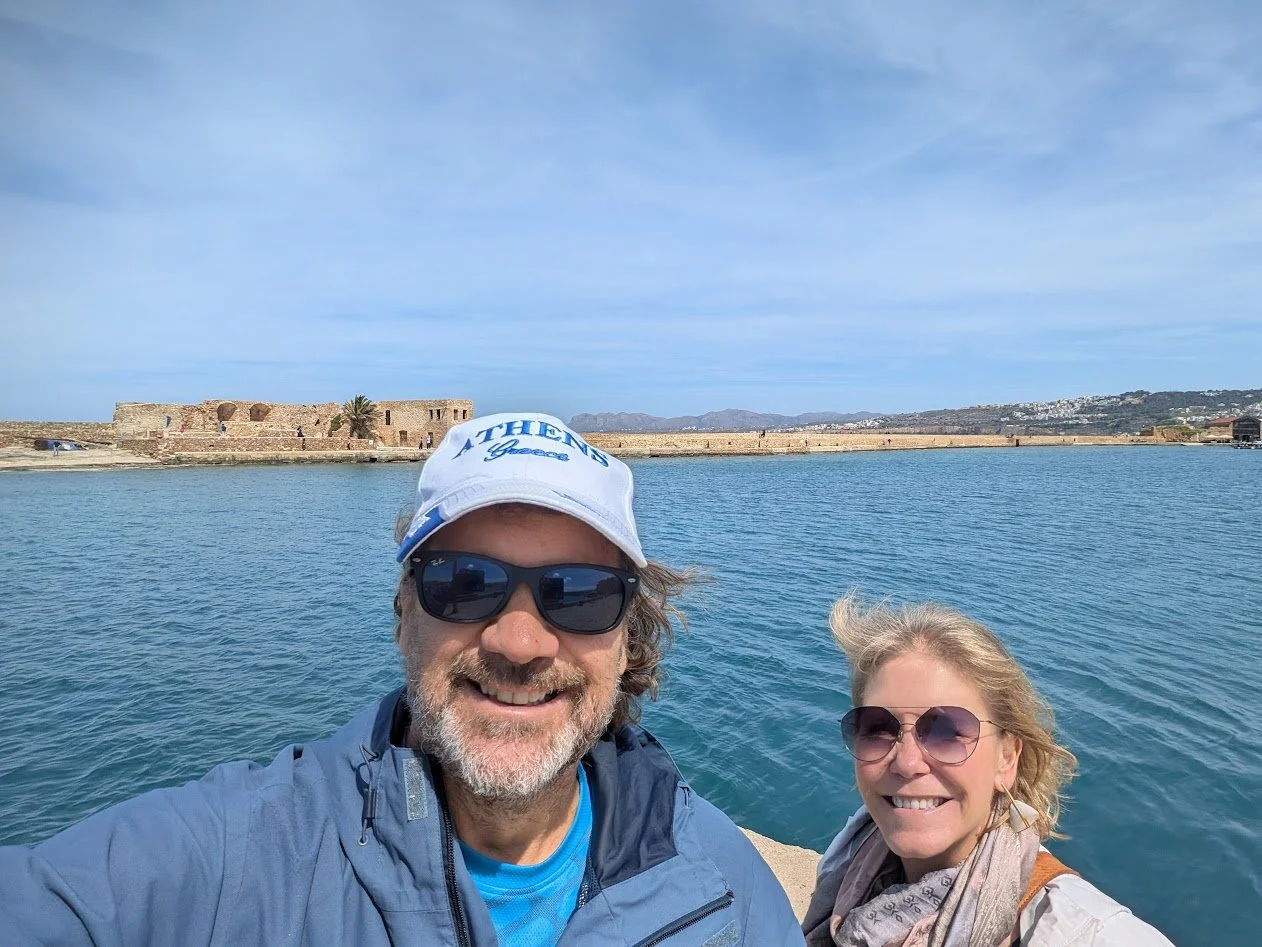
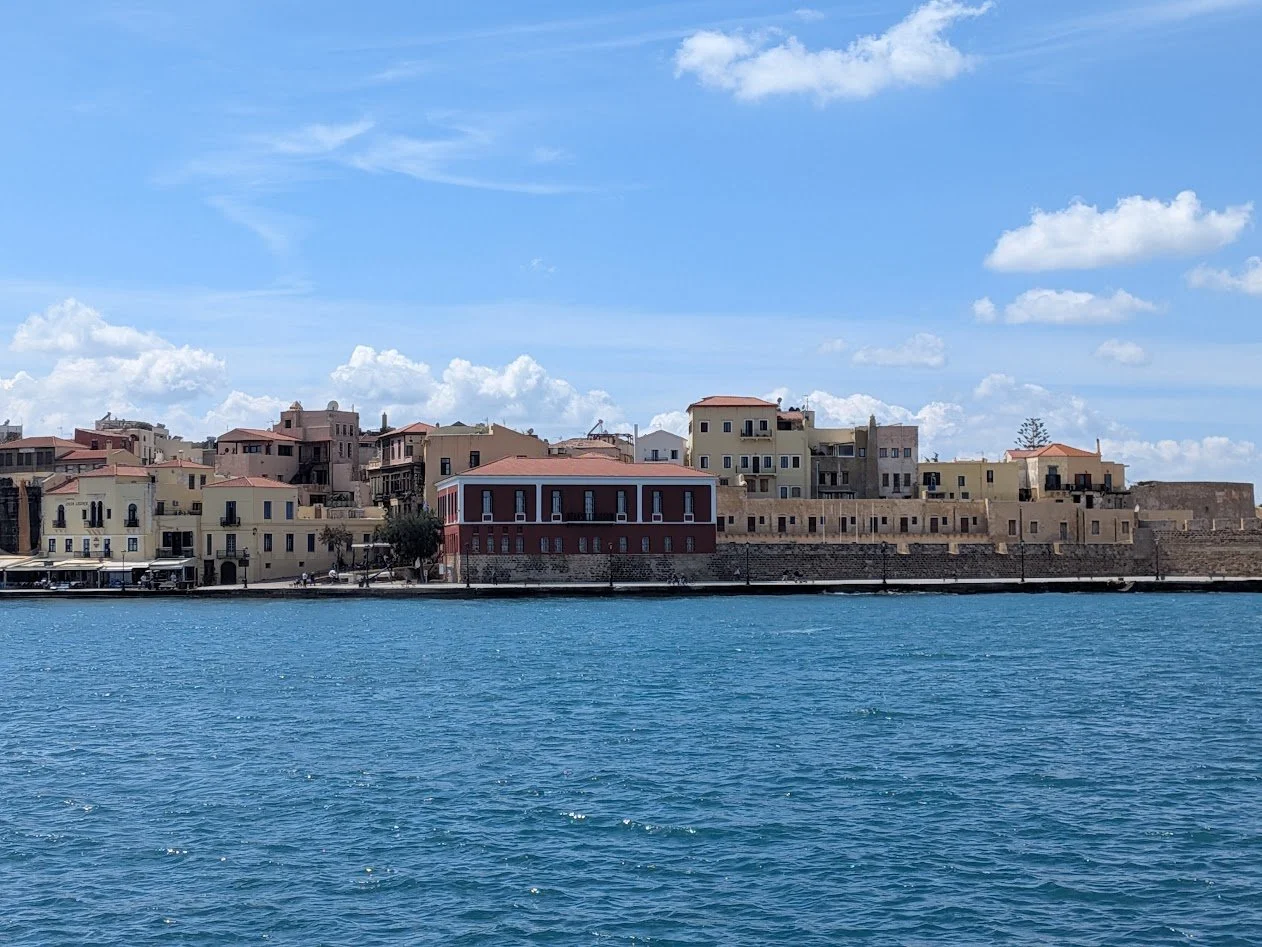
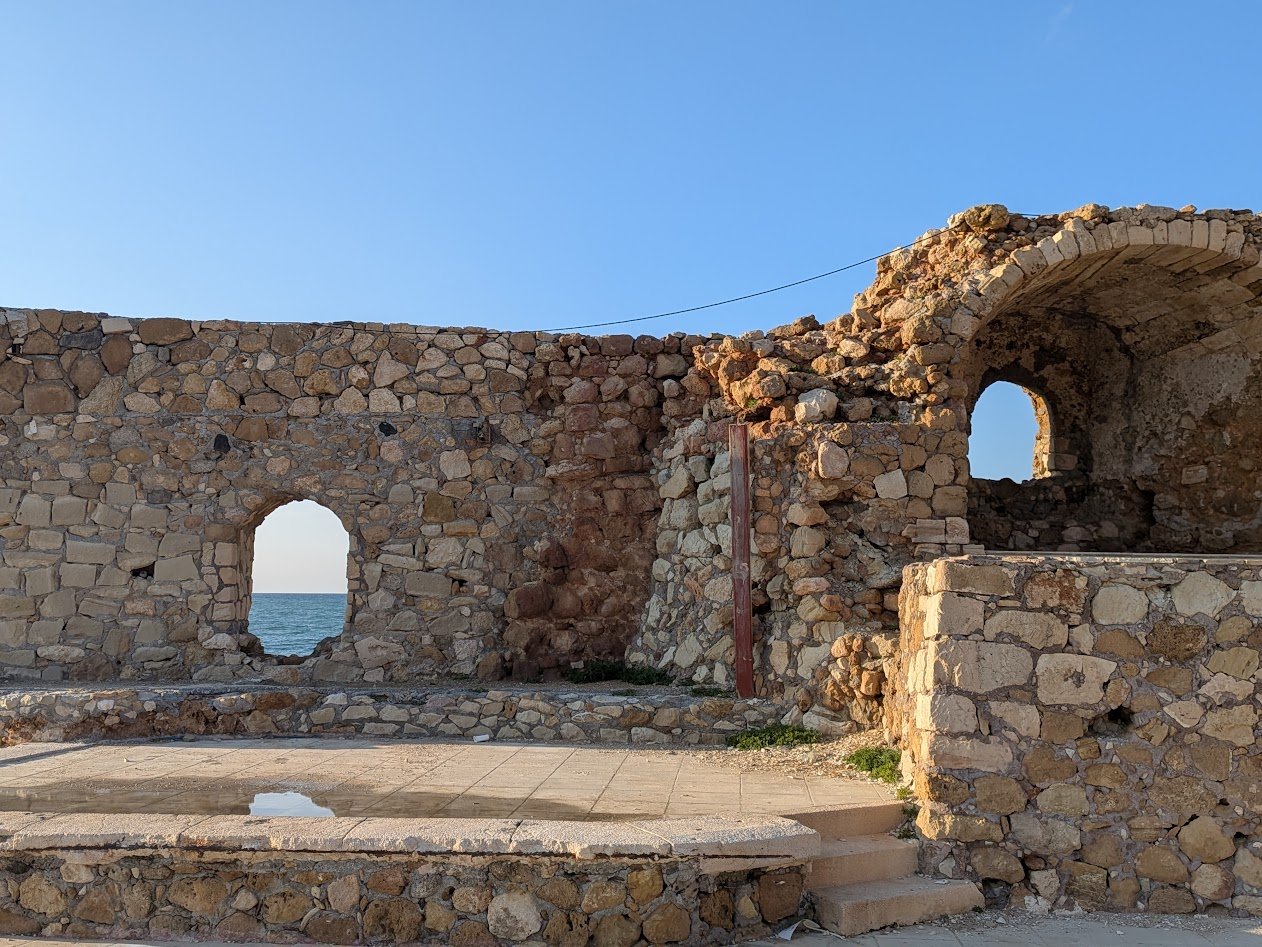
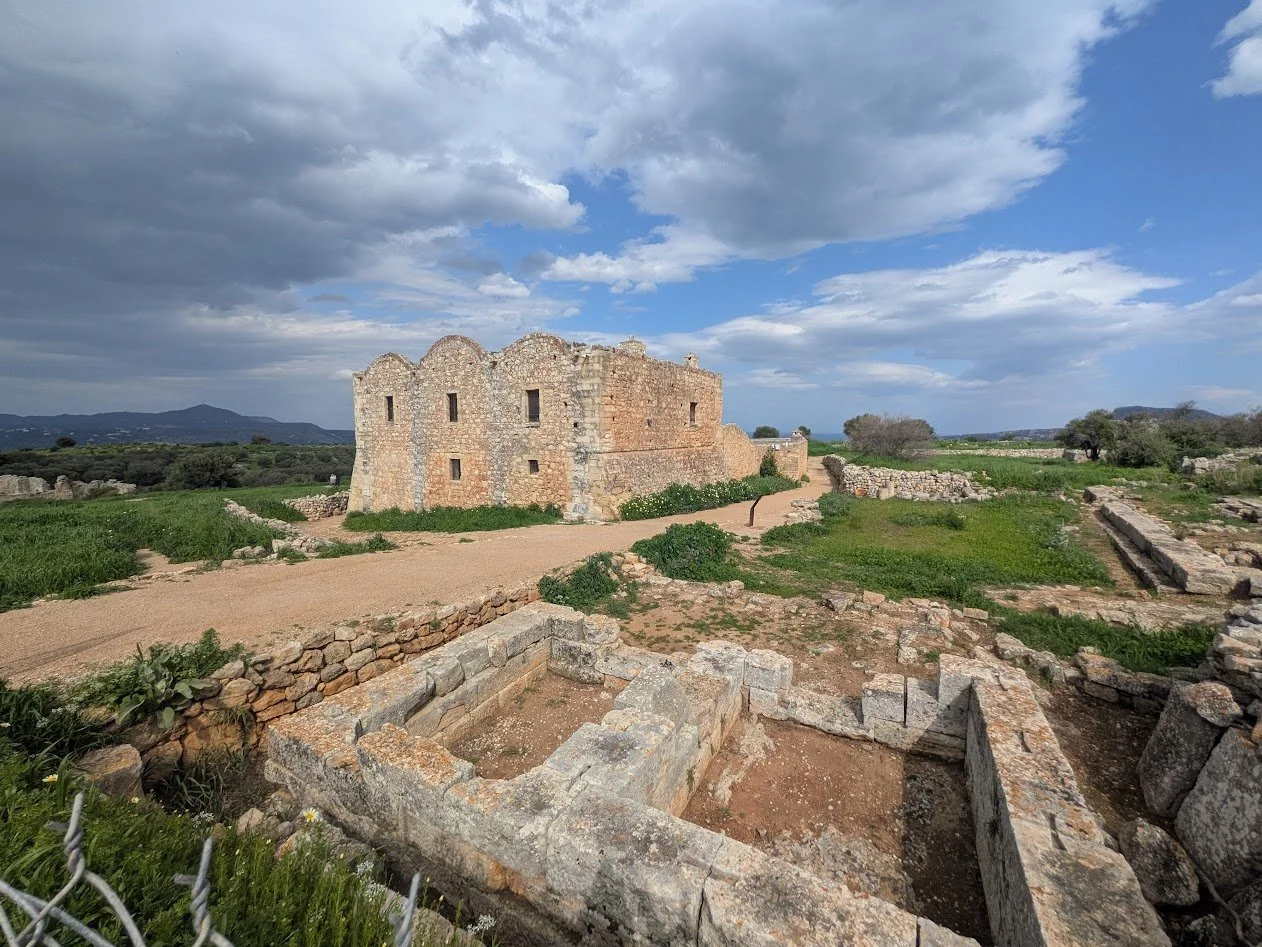
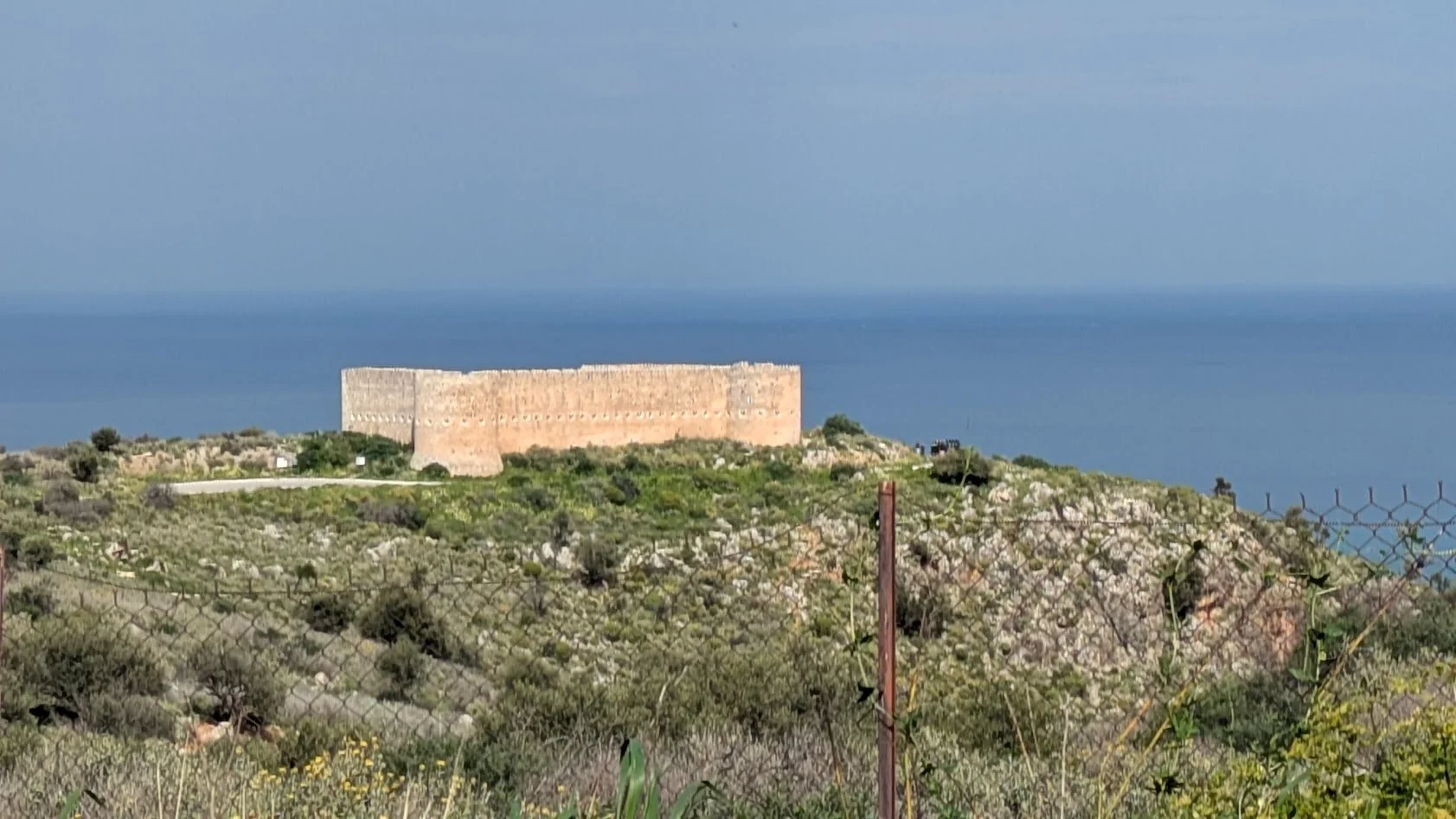
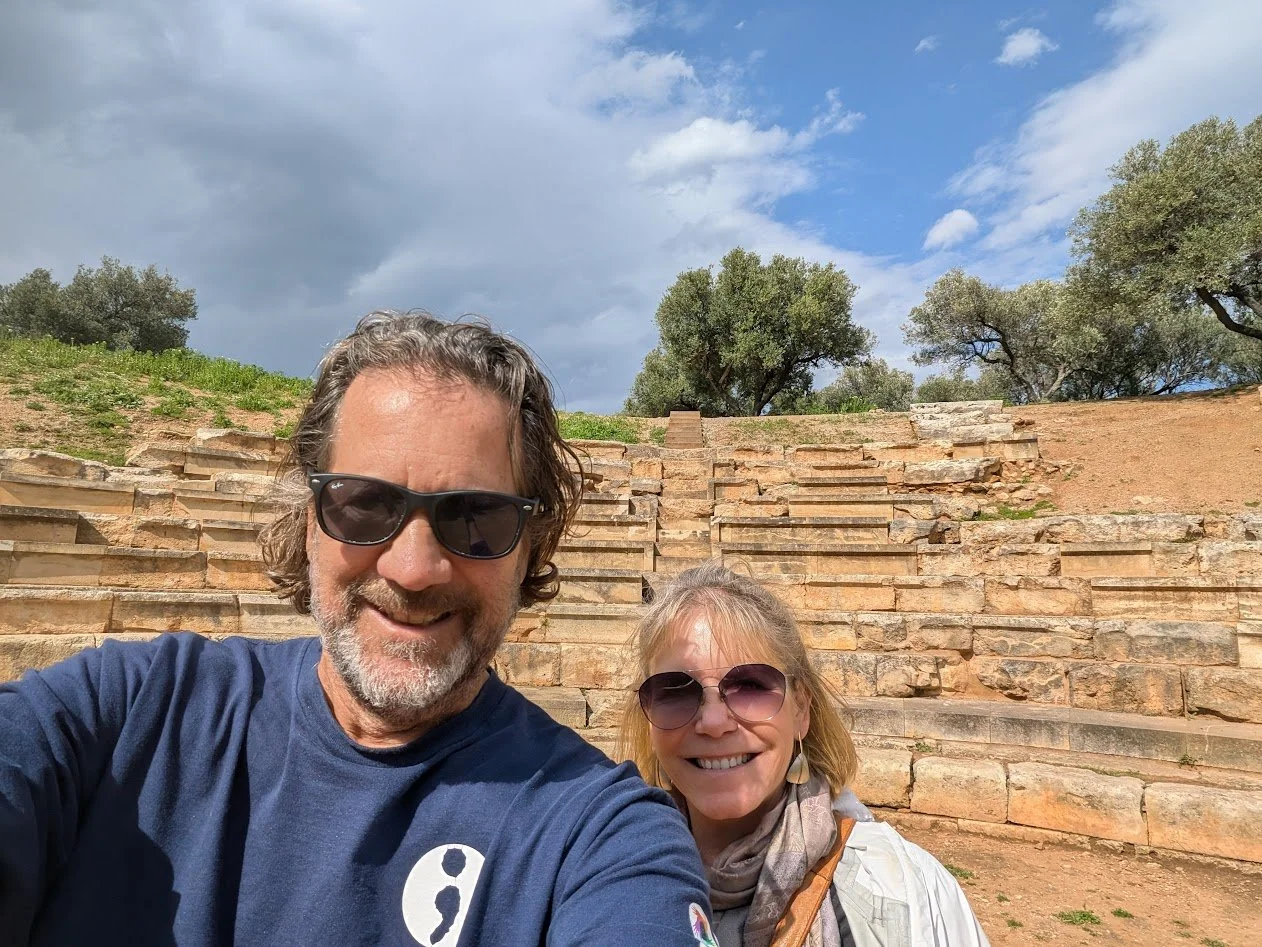
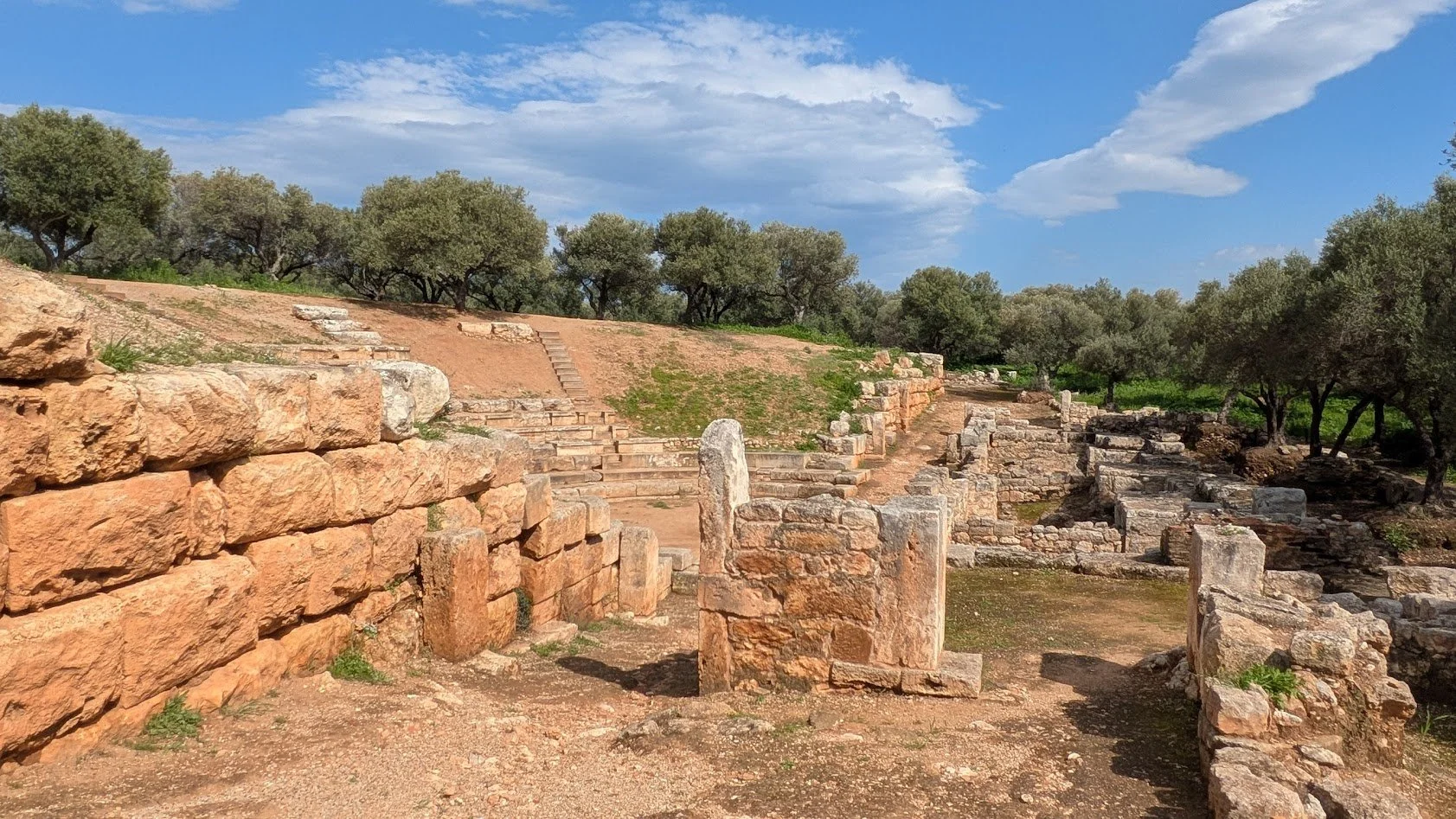
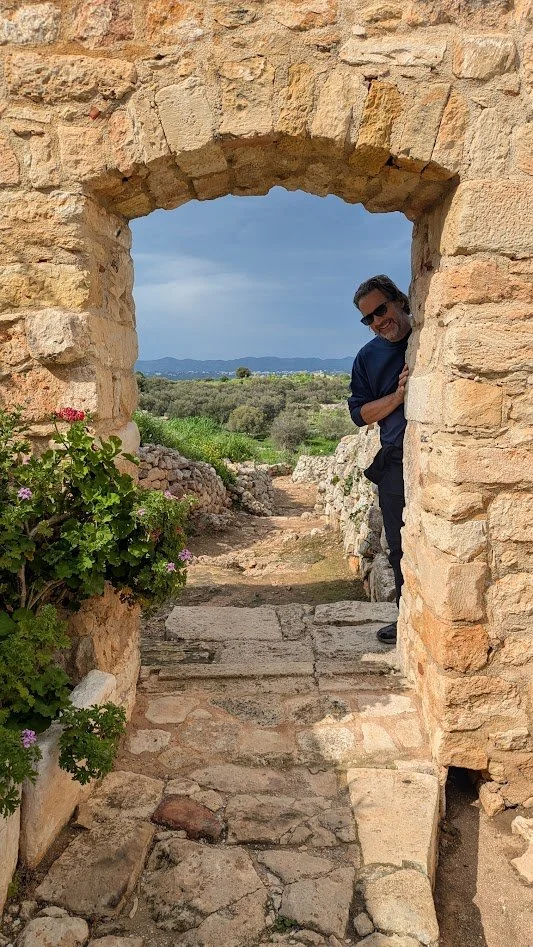
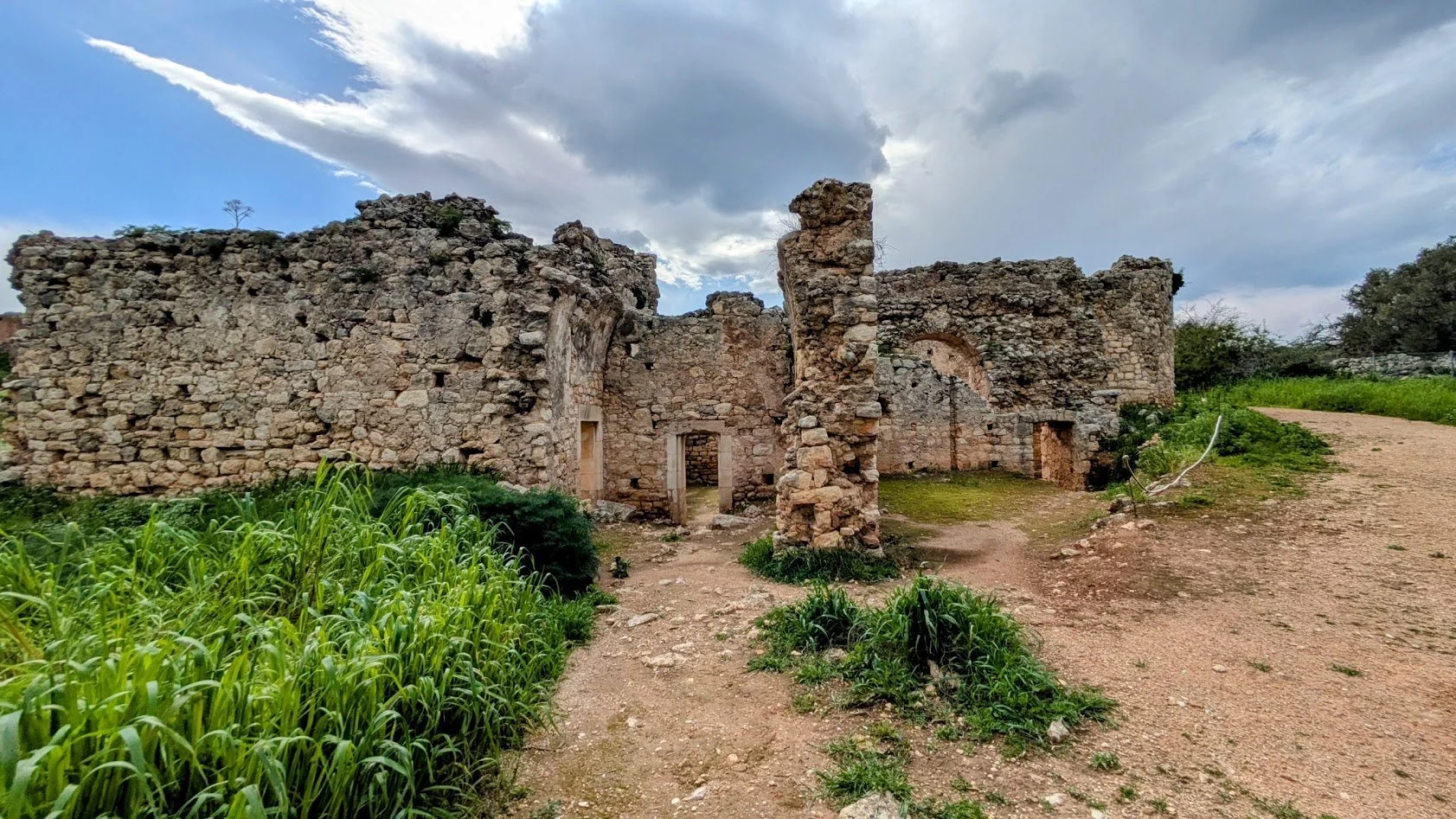
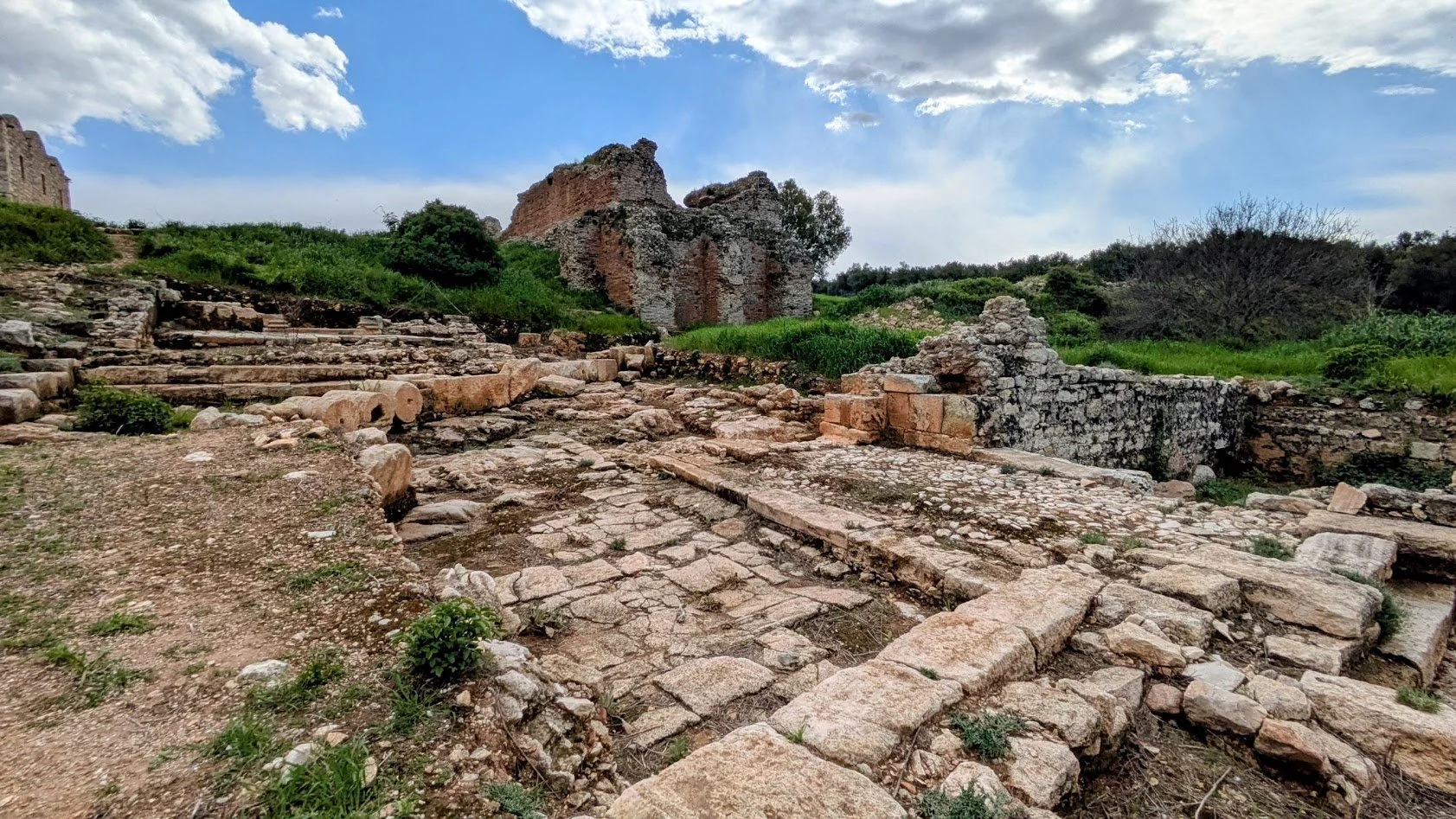
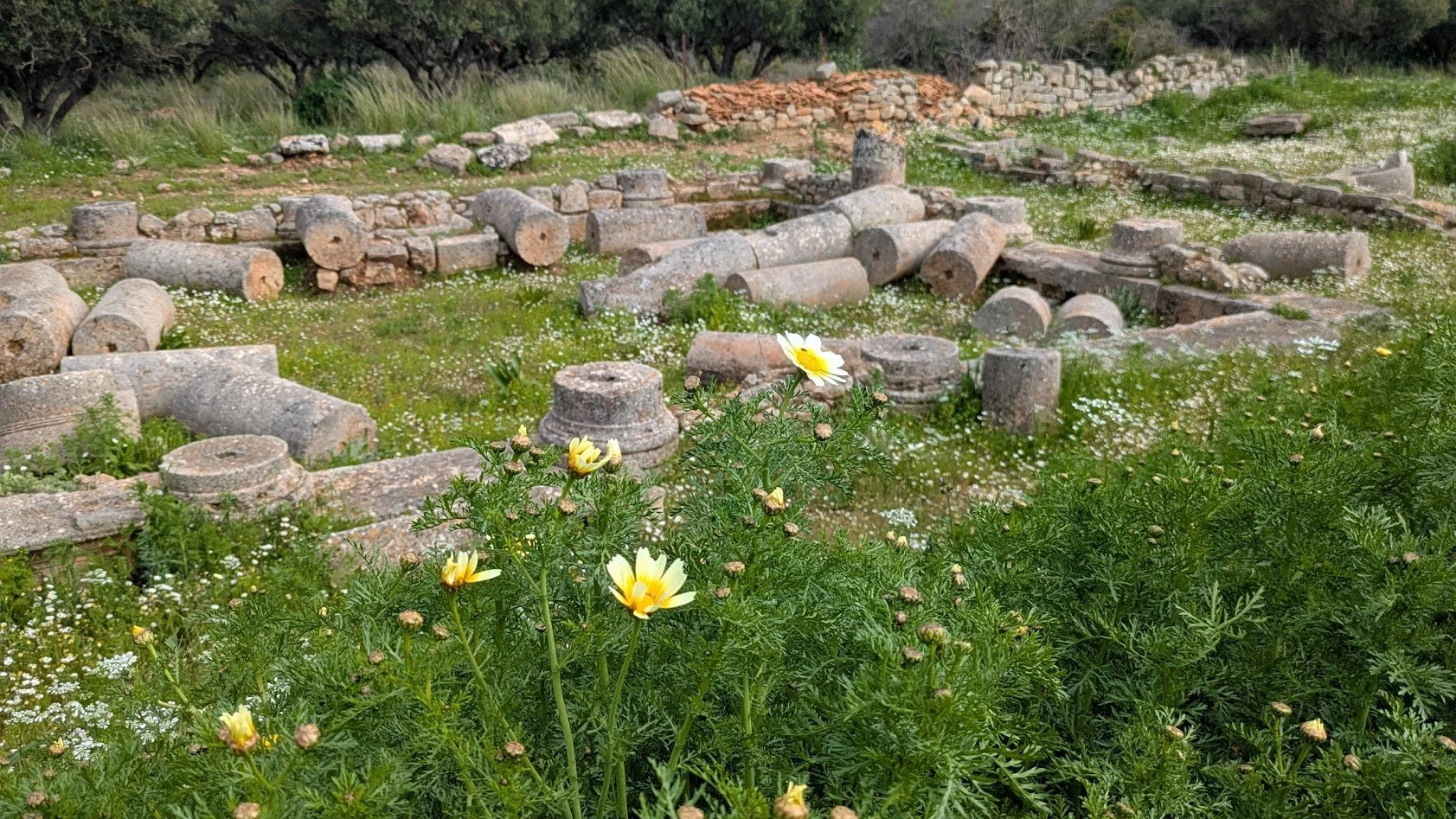
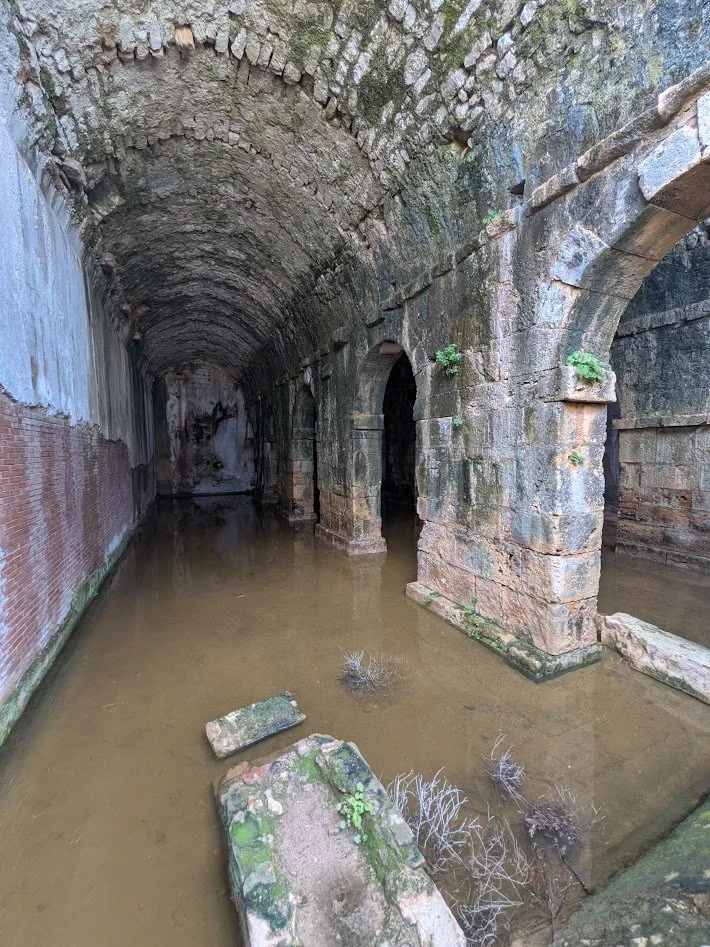
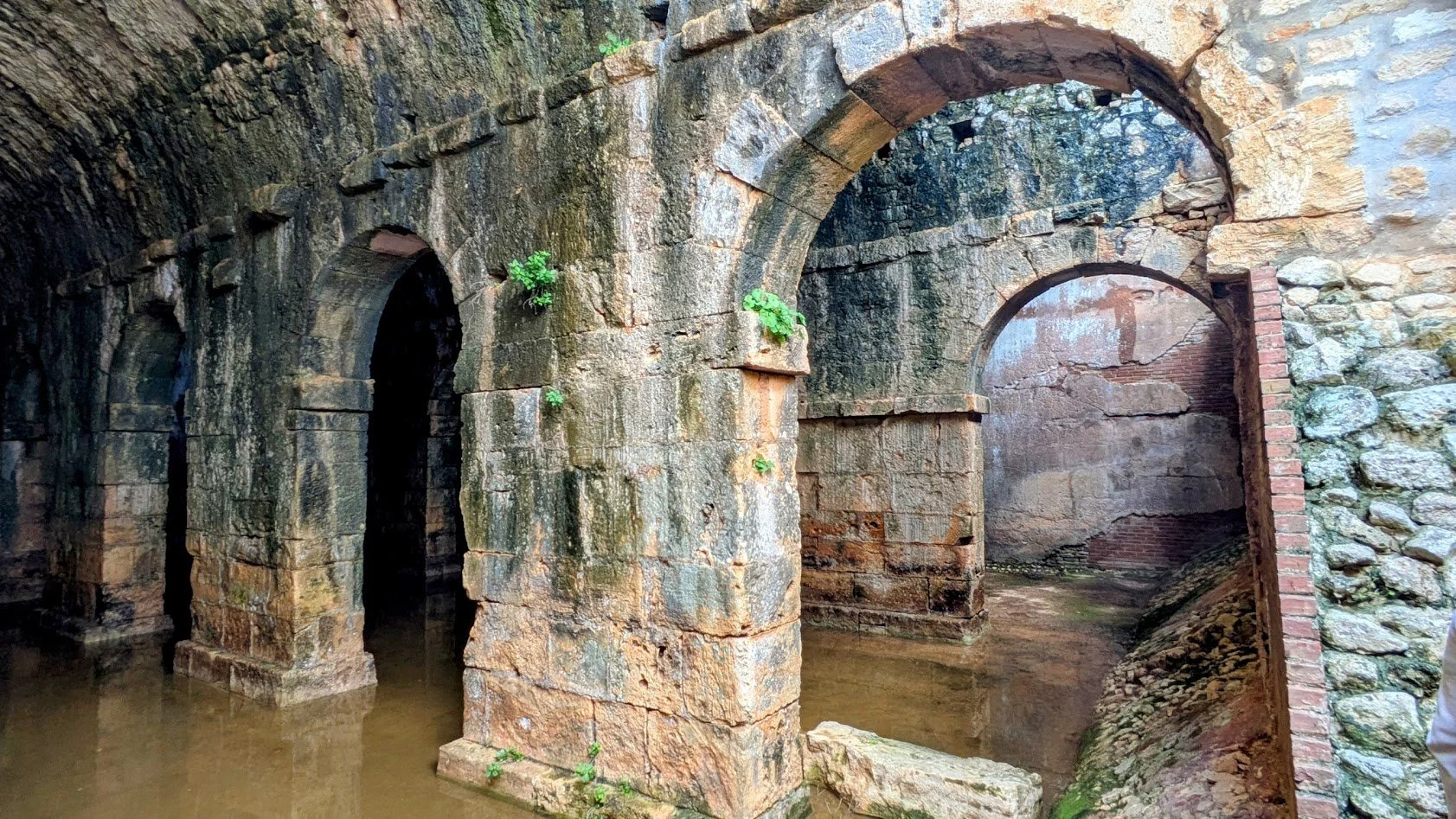
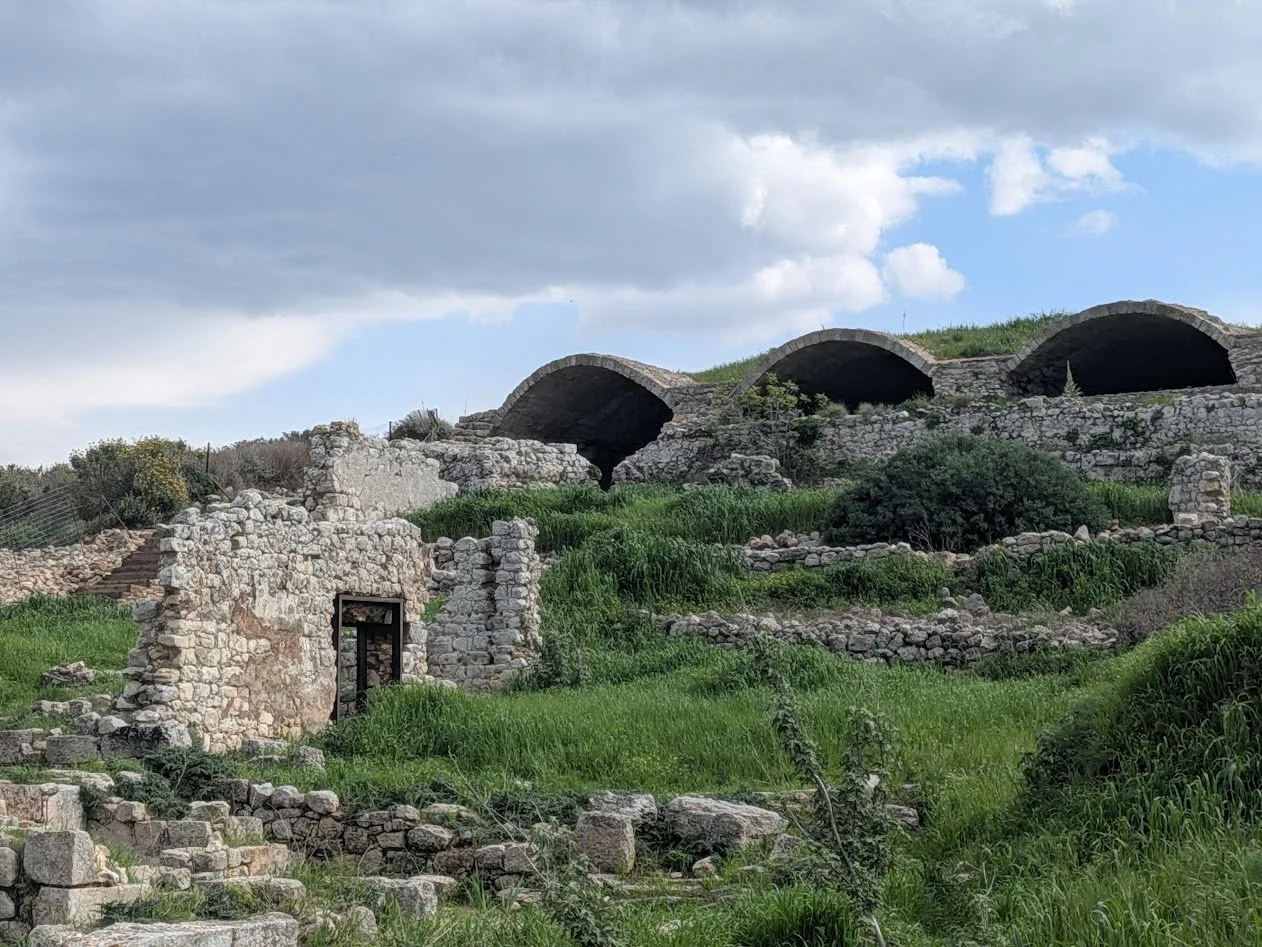
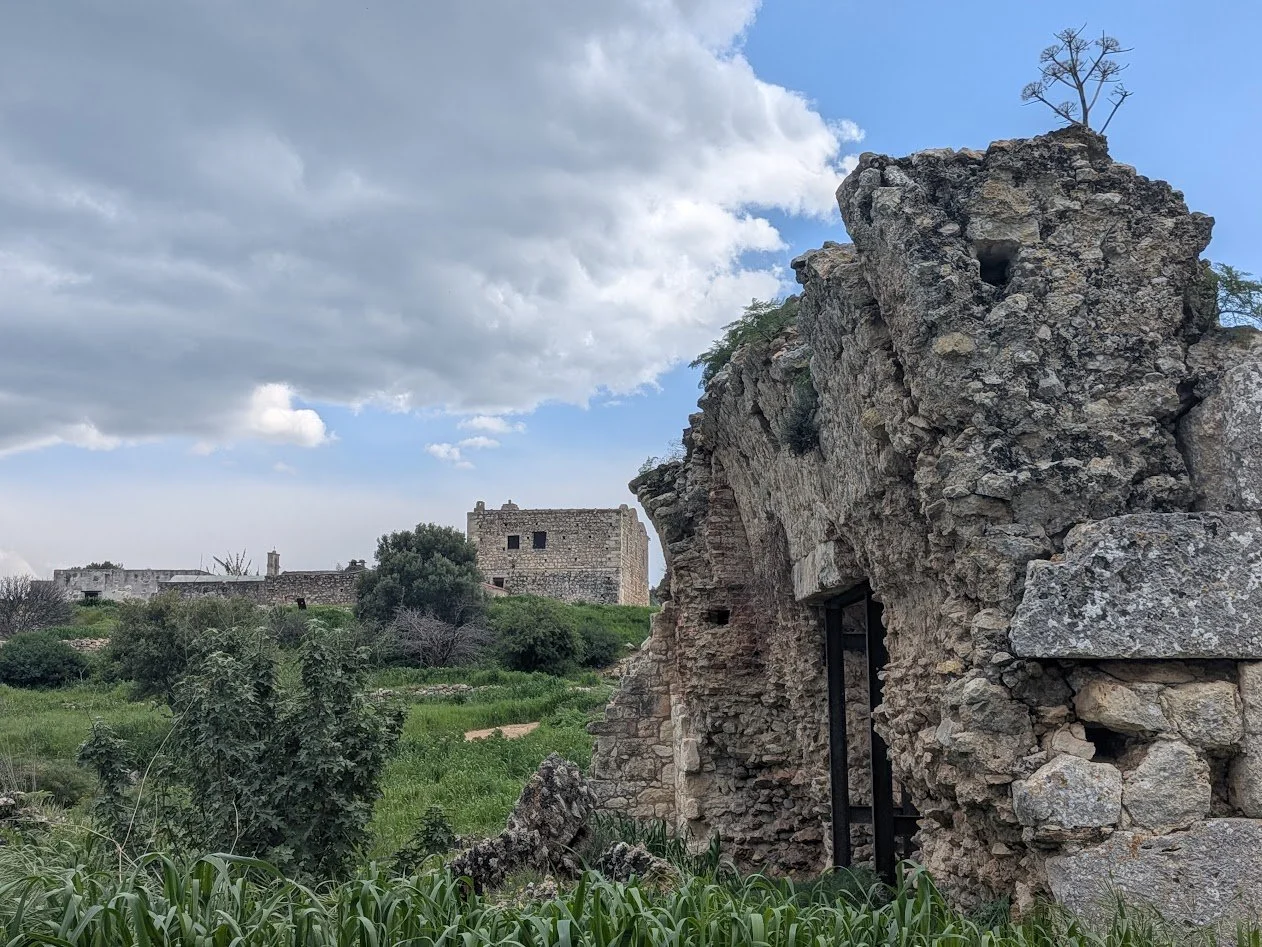
After leaving Chania, we stopped nearby in the ancient city of Aptera which was a powerful city-state founded in the 8th century BC. At this point, it is mostly just a bunch of “old stones” (as Grady would say), but it was a nice sunny day of which we had had very few thus far, and was enjoyable to get out and walk around.
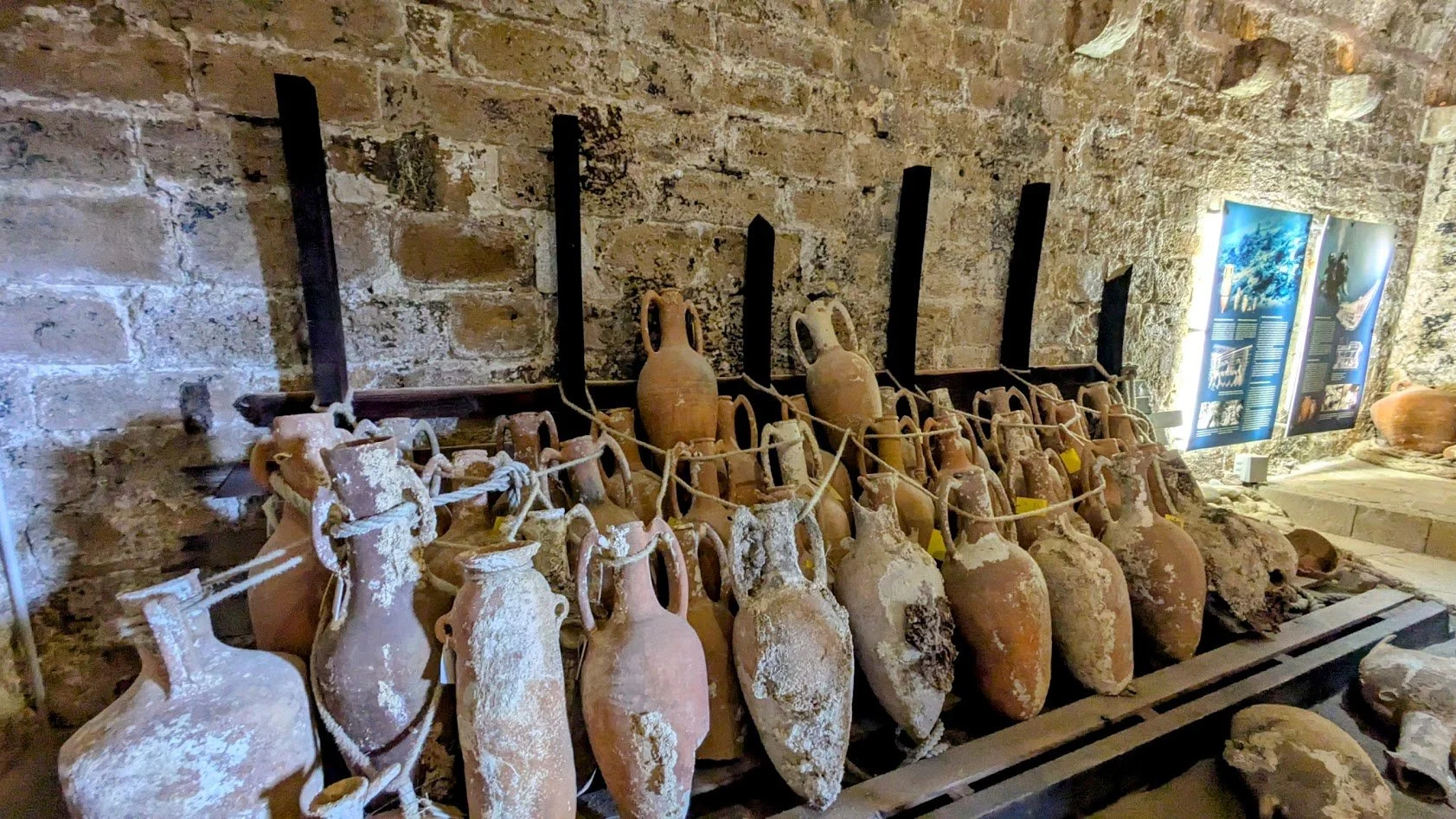
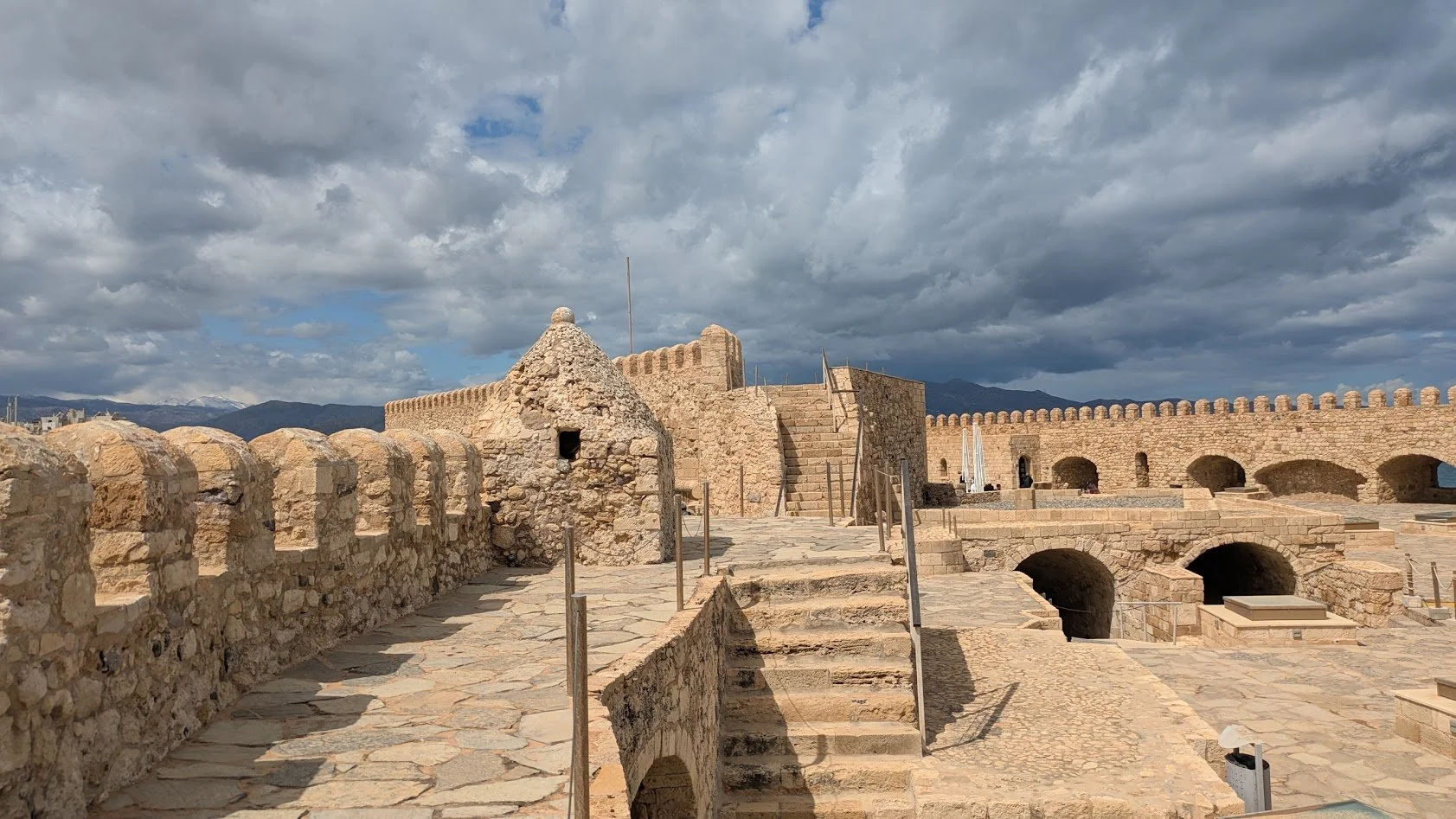
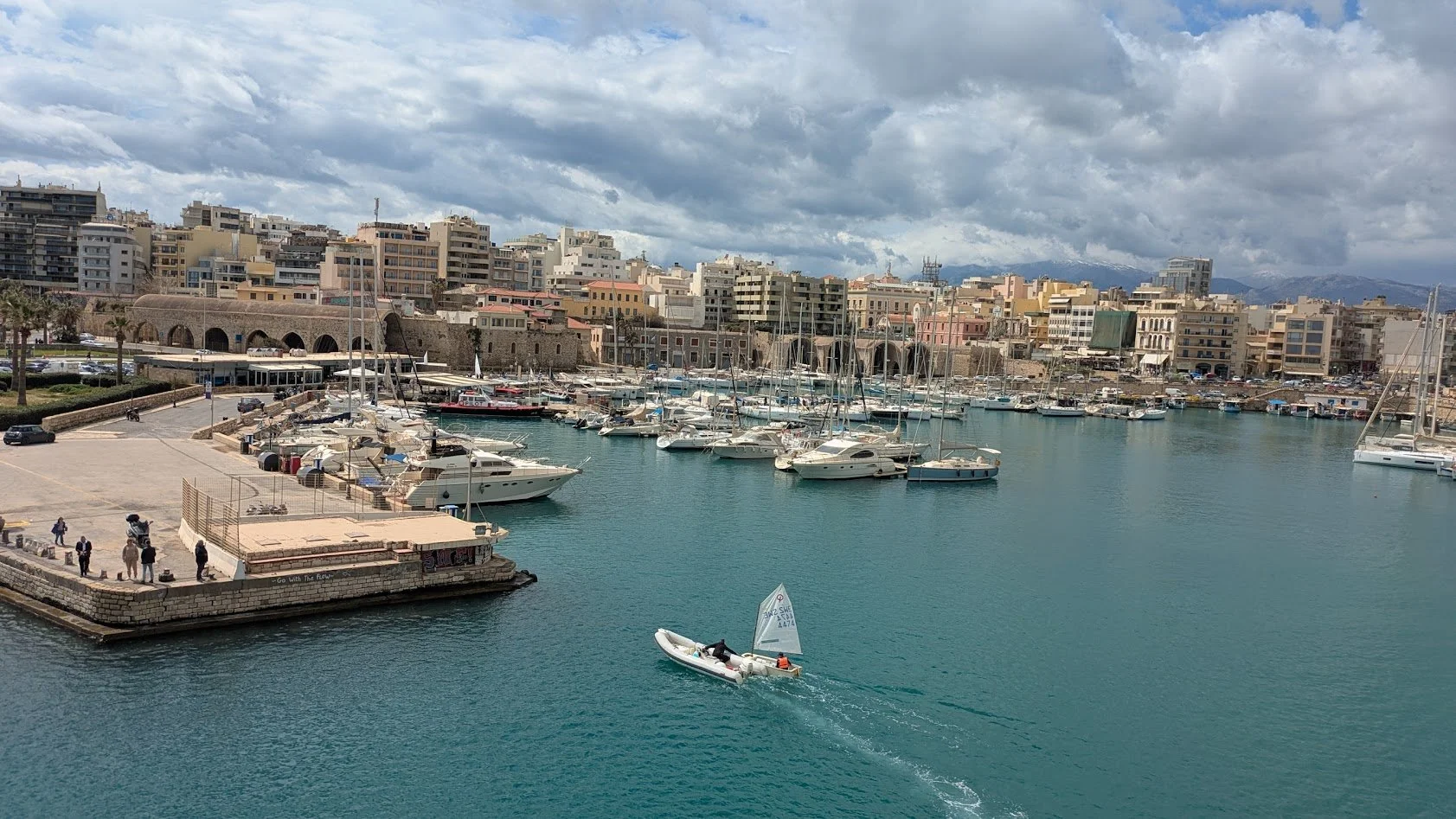
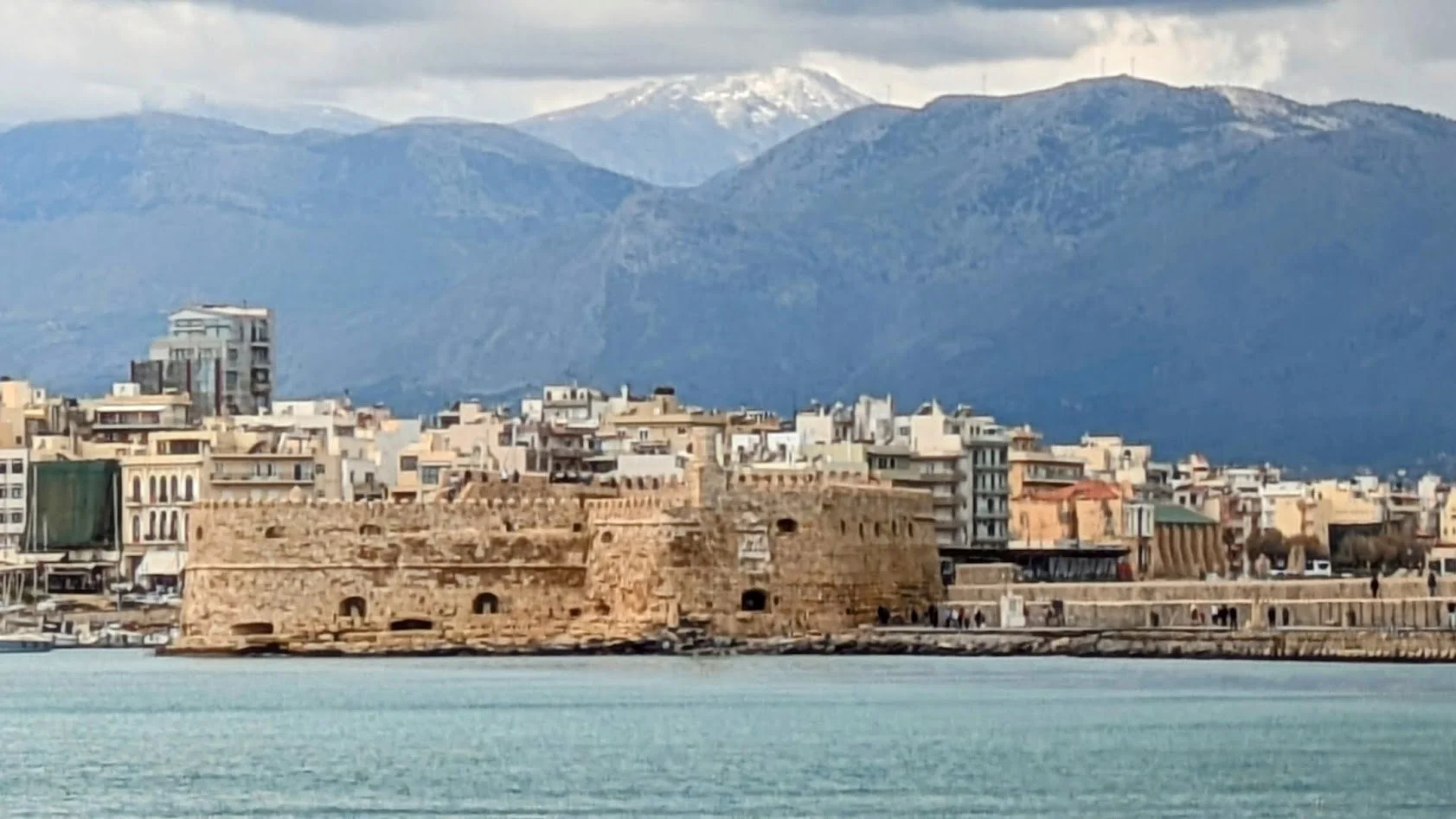
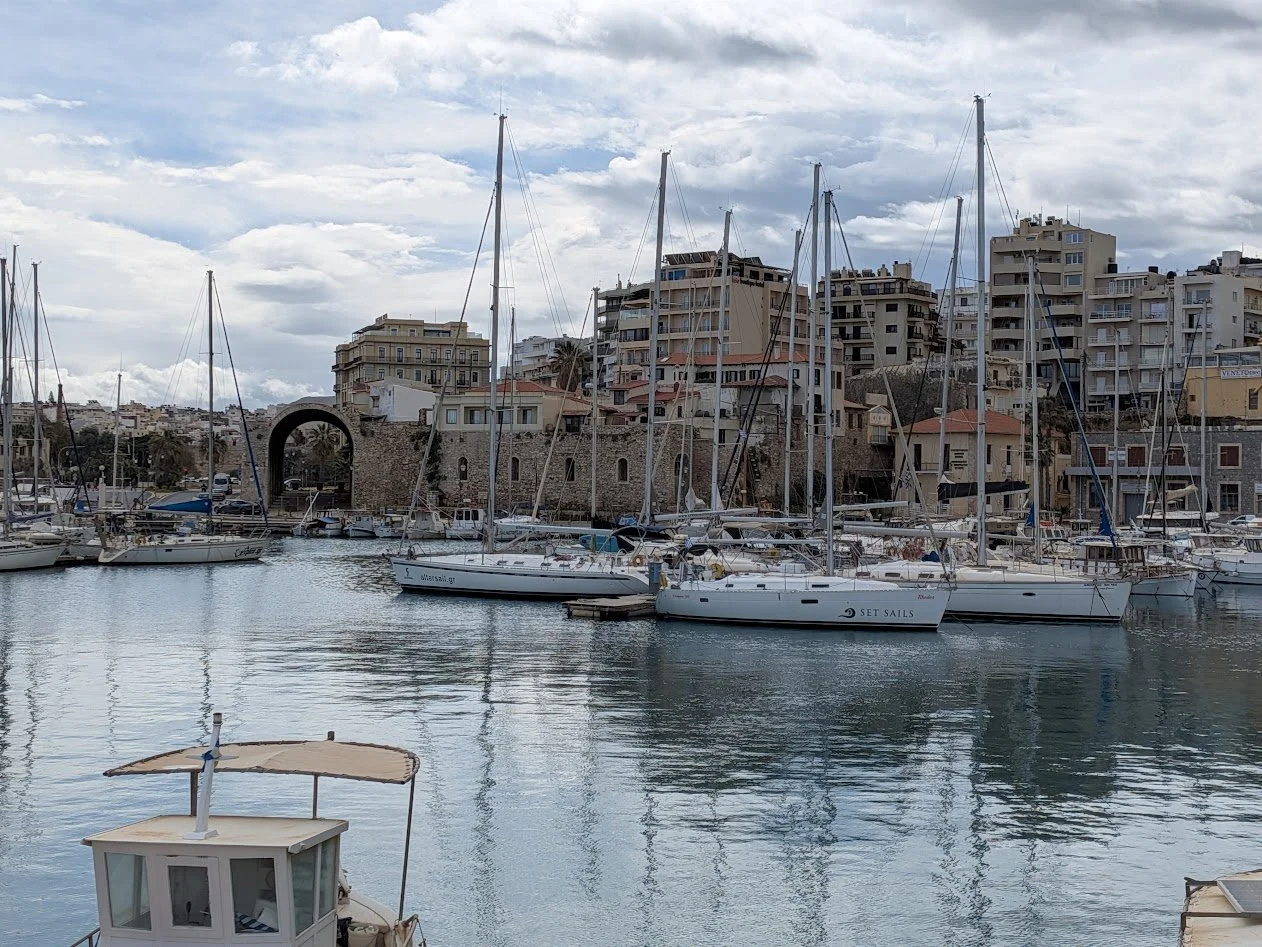
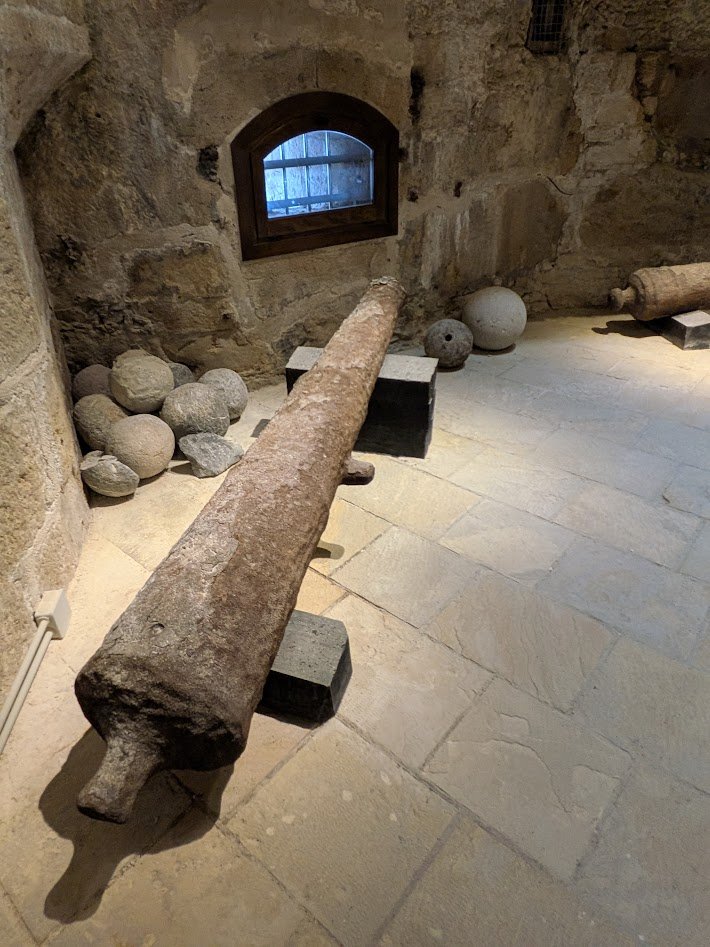
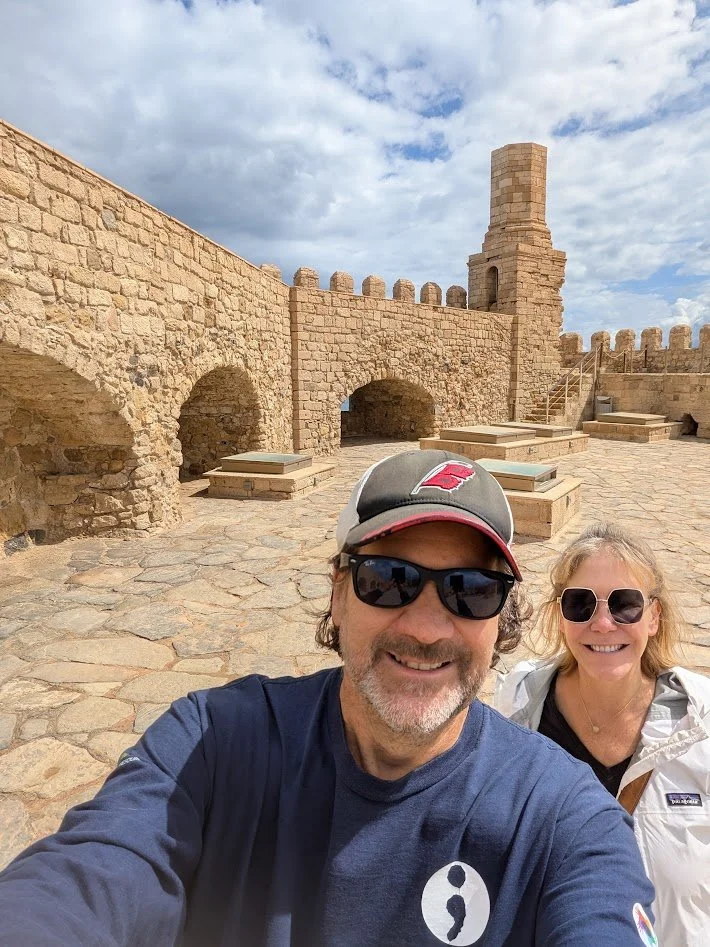
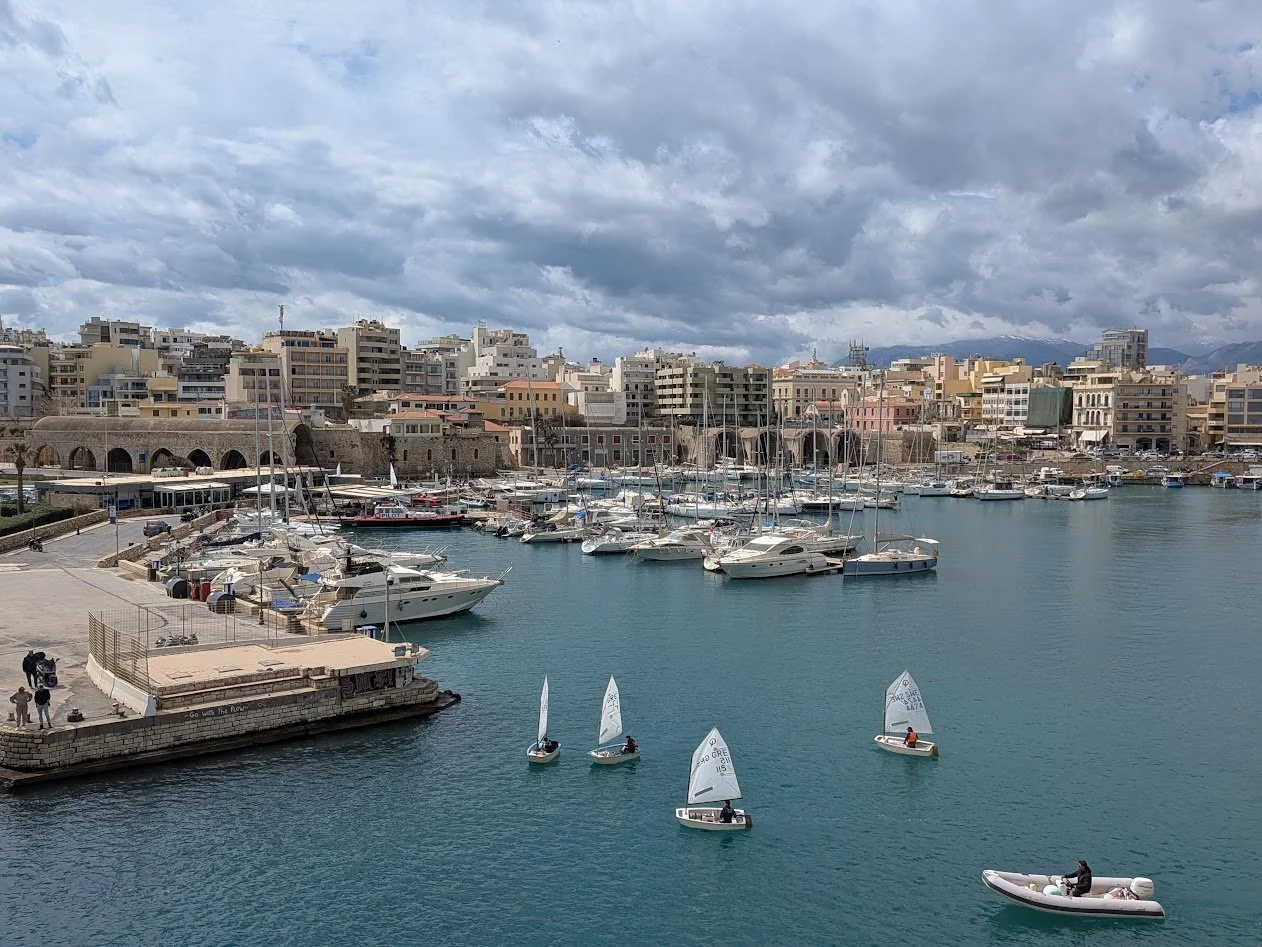
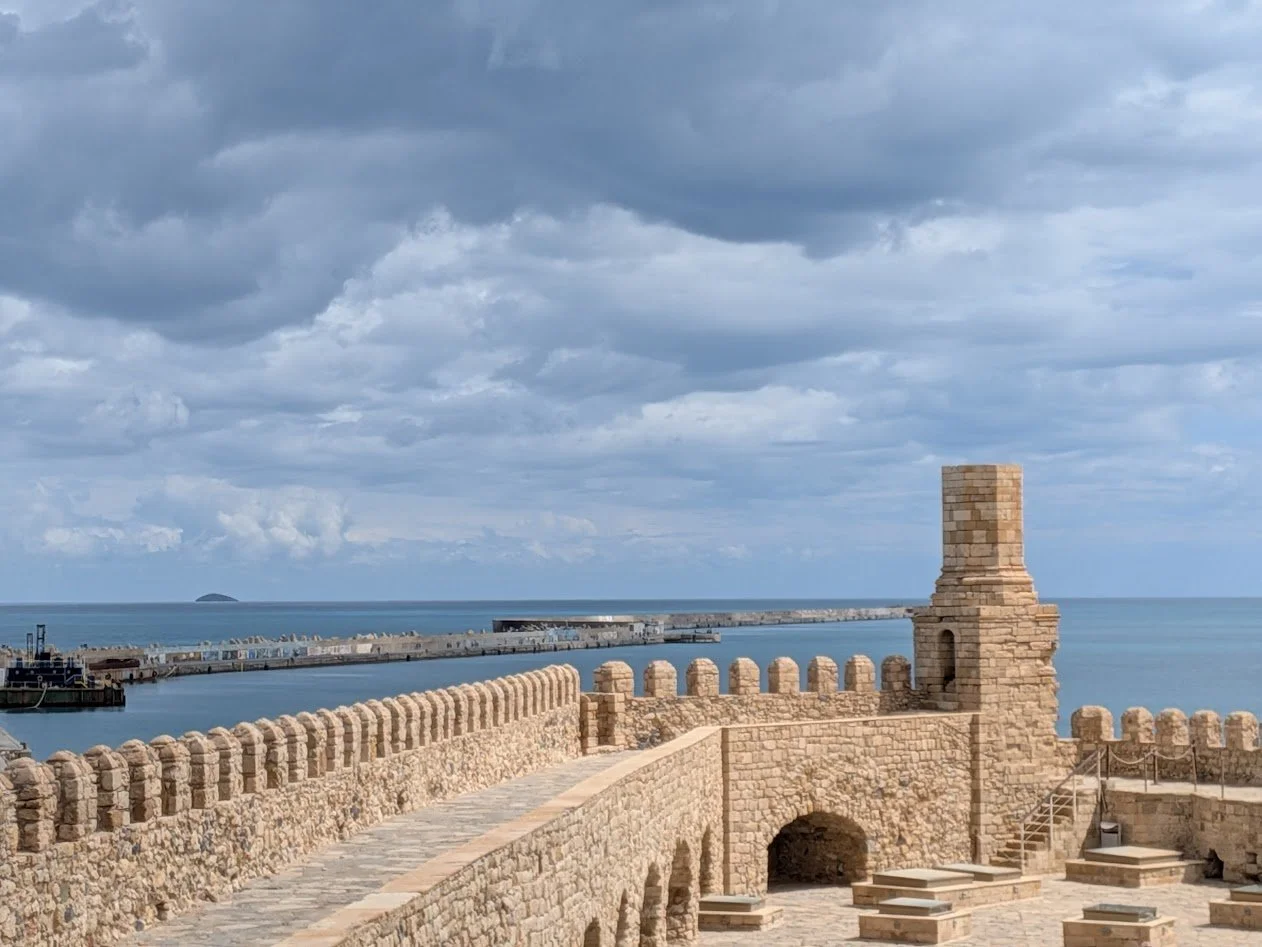
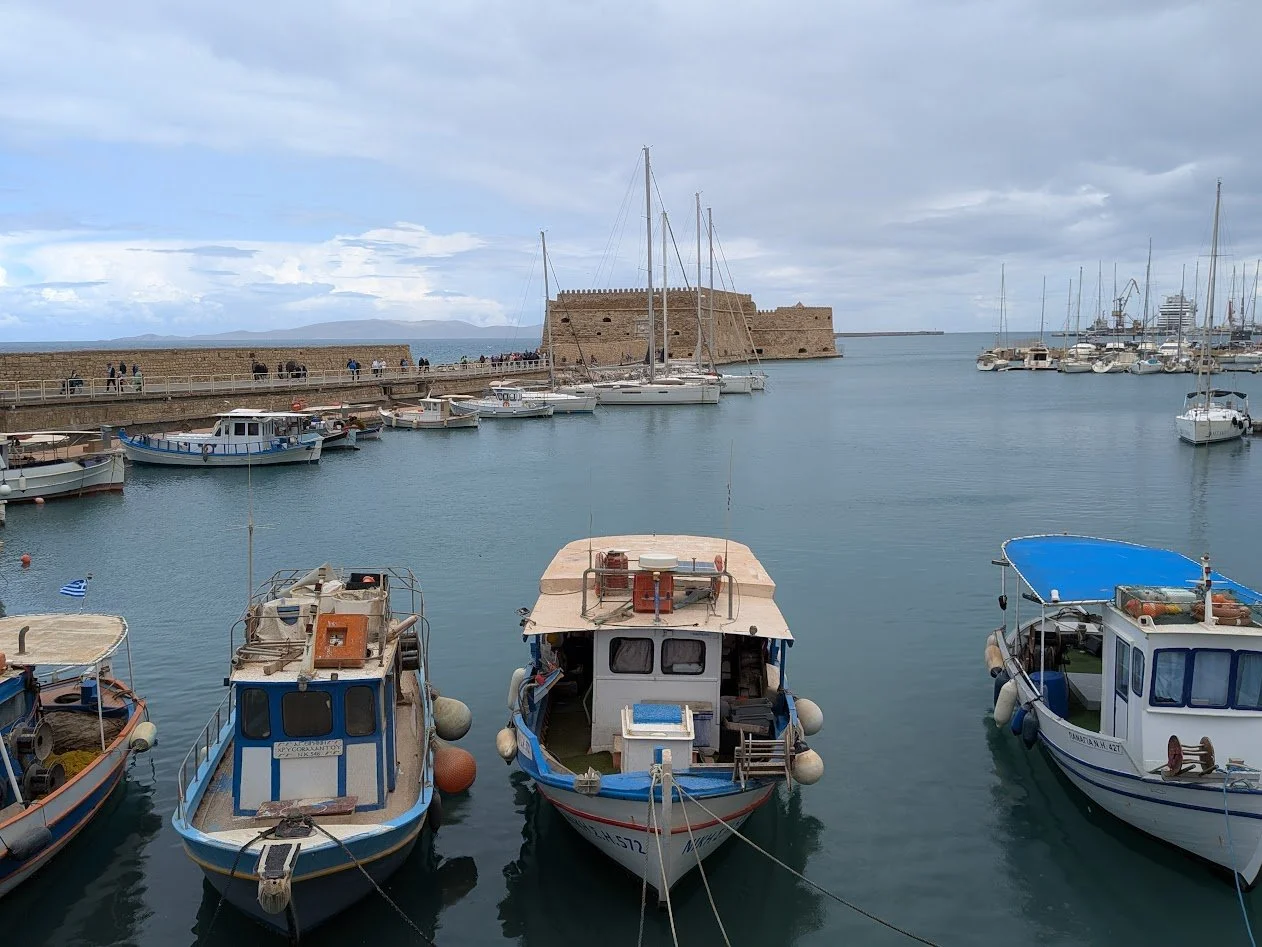
We left Rethymno on March 31st (right when businesses were finally opening up! ☹) and went to Heraklion for 5 nights, which is where my brother Darren met up with us. Heraklion doesn’t have the charm of Rethymno or Chania Town, but it is still really nice with a lot of good restaurants and cool pedestrian areas. Heraklion is the capital and largest city of Crete. It was founded in 824 AD and is the gateway to the Minoan Palace of Knossos, a UNESCO World Heritage site (which is kind of a big deal). There is also an Archaeological Museum, which holds the world's most significant collection of Minoan artifacts. Darren went and checked it out… Grady and I did not. Darren is much smarter than us (and more of a nerd), so he appreciates that kind of thing more than we do! Grady and I walked around the Koules Fortress instead. The Koules Fortress is a massive 16th-century Venetian fortification guarding the entrance to Heraklion’s old port. It has walls that are about 25 feet thick, 26 vaulted rooms, and a roof with great views.
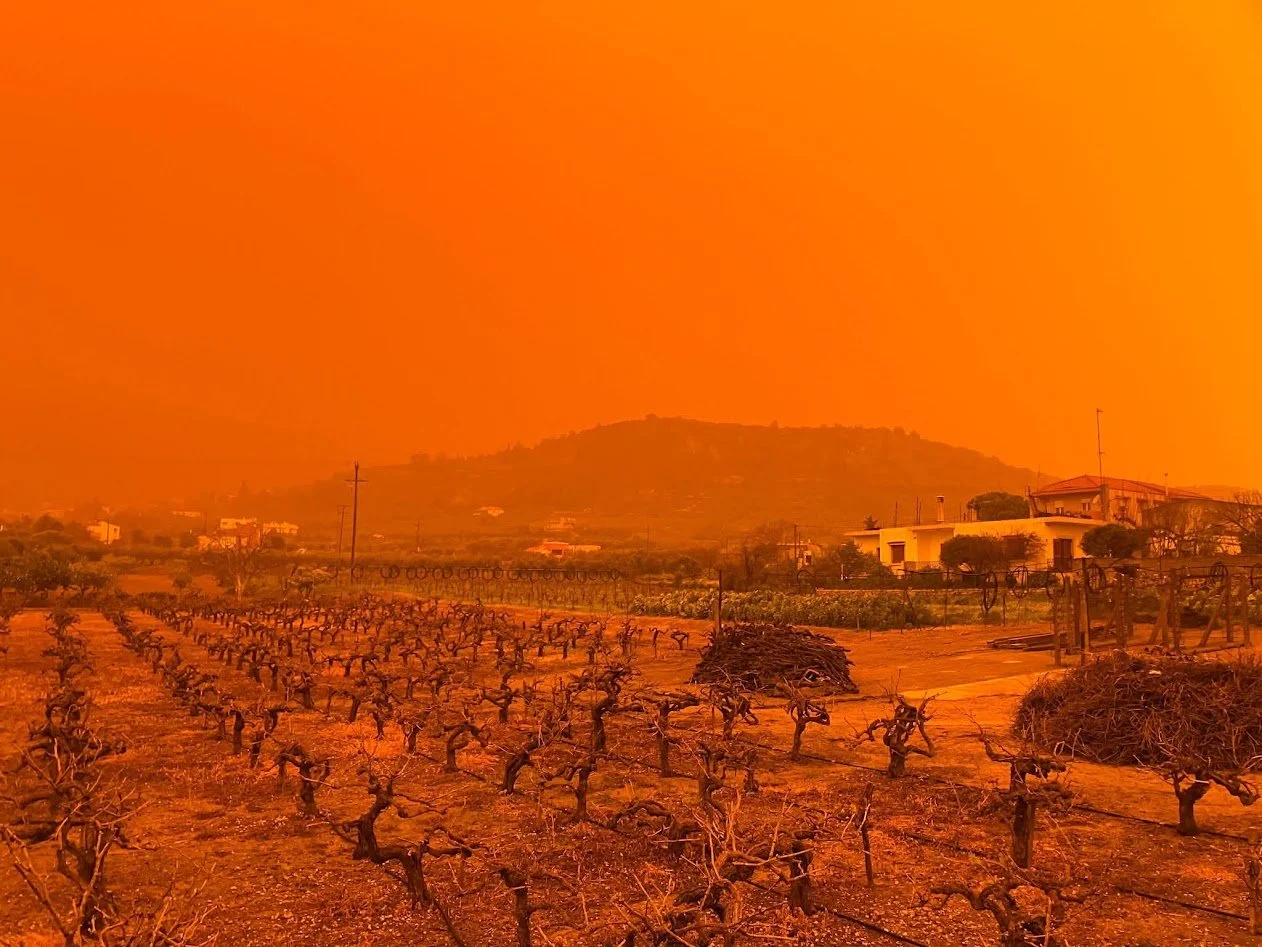
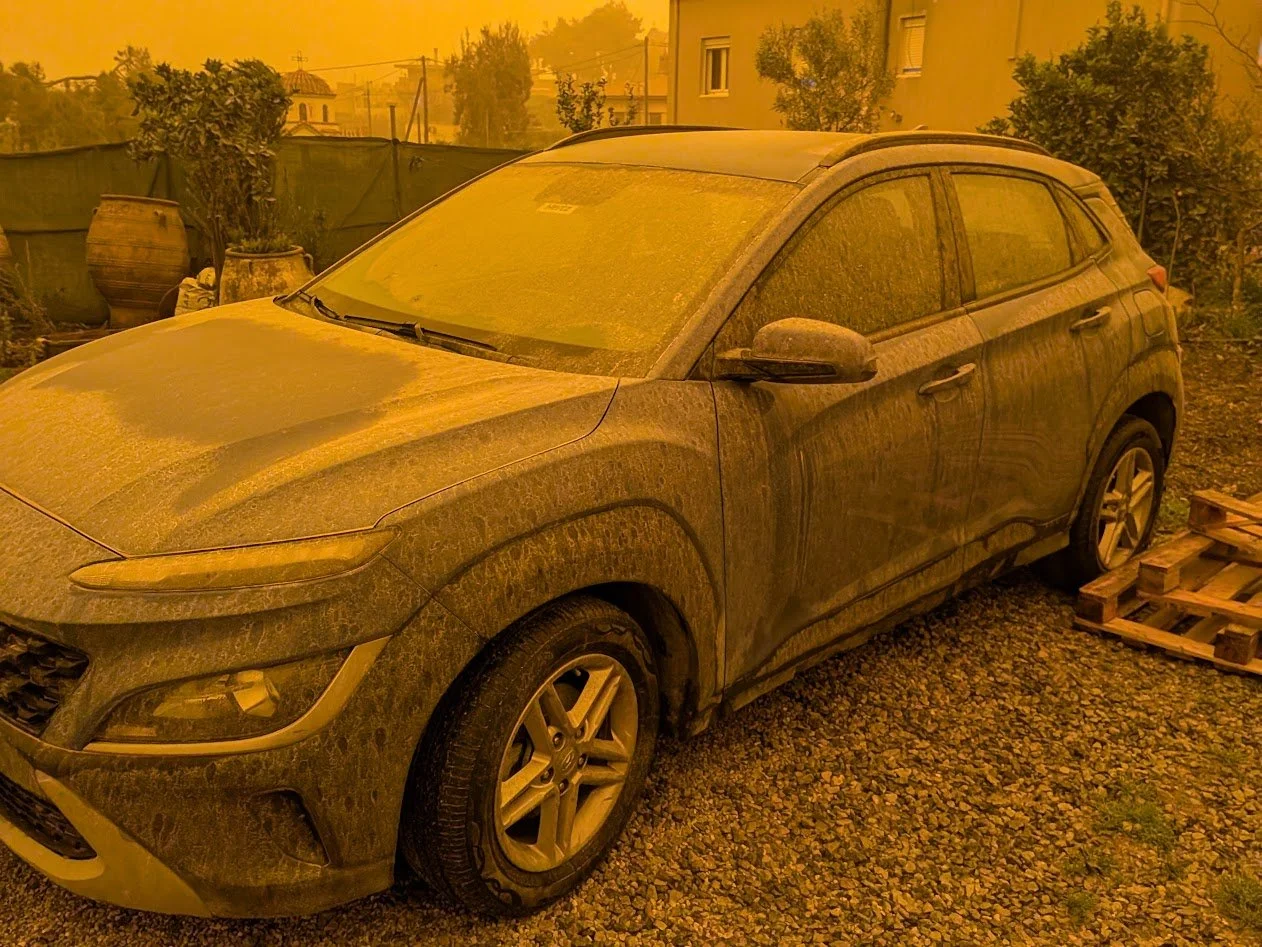
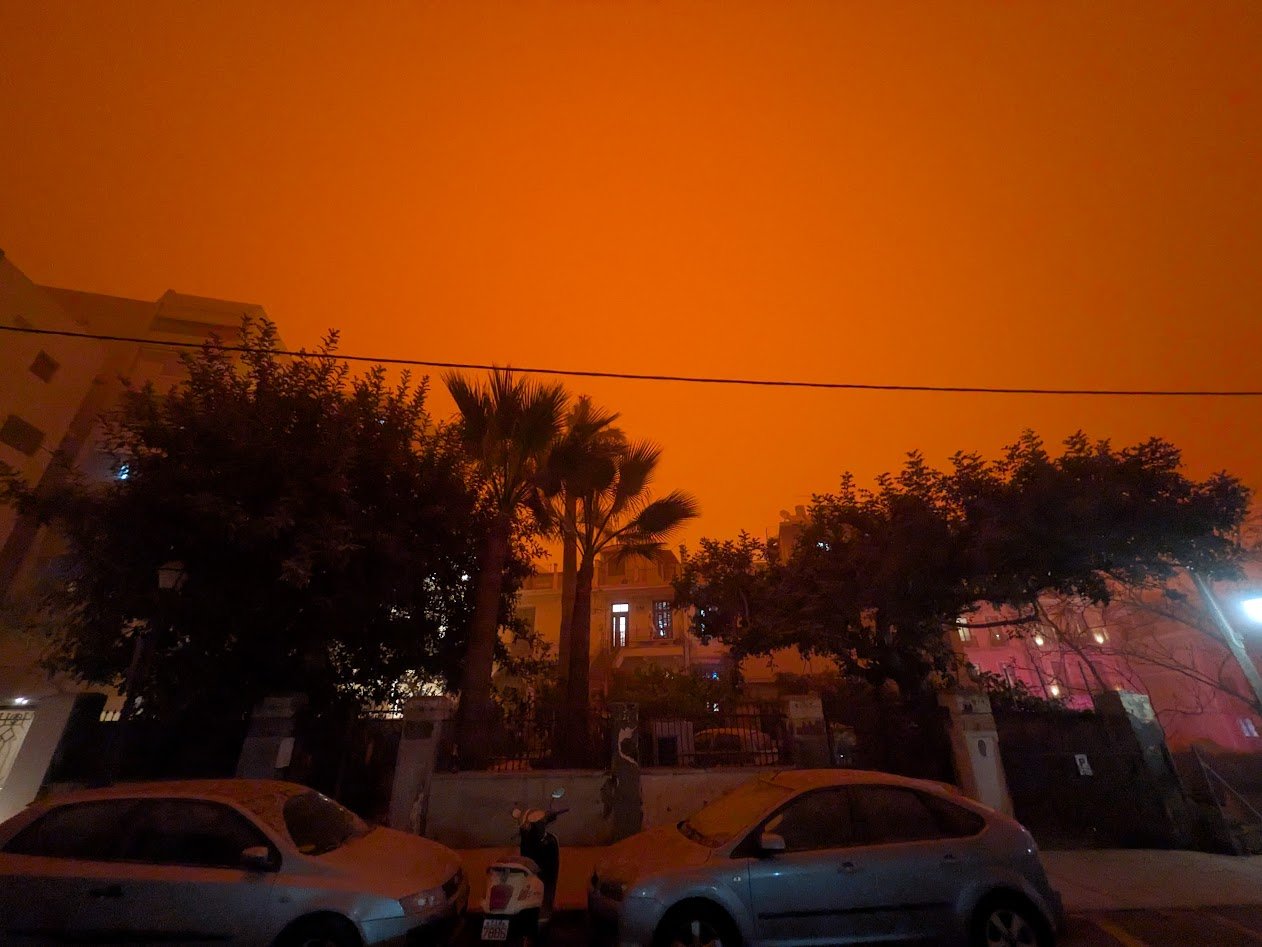
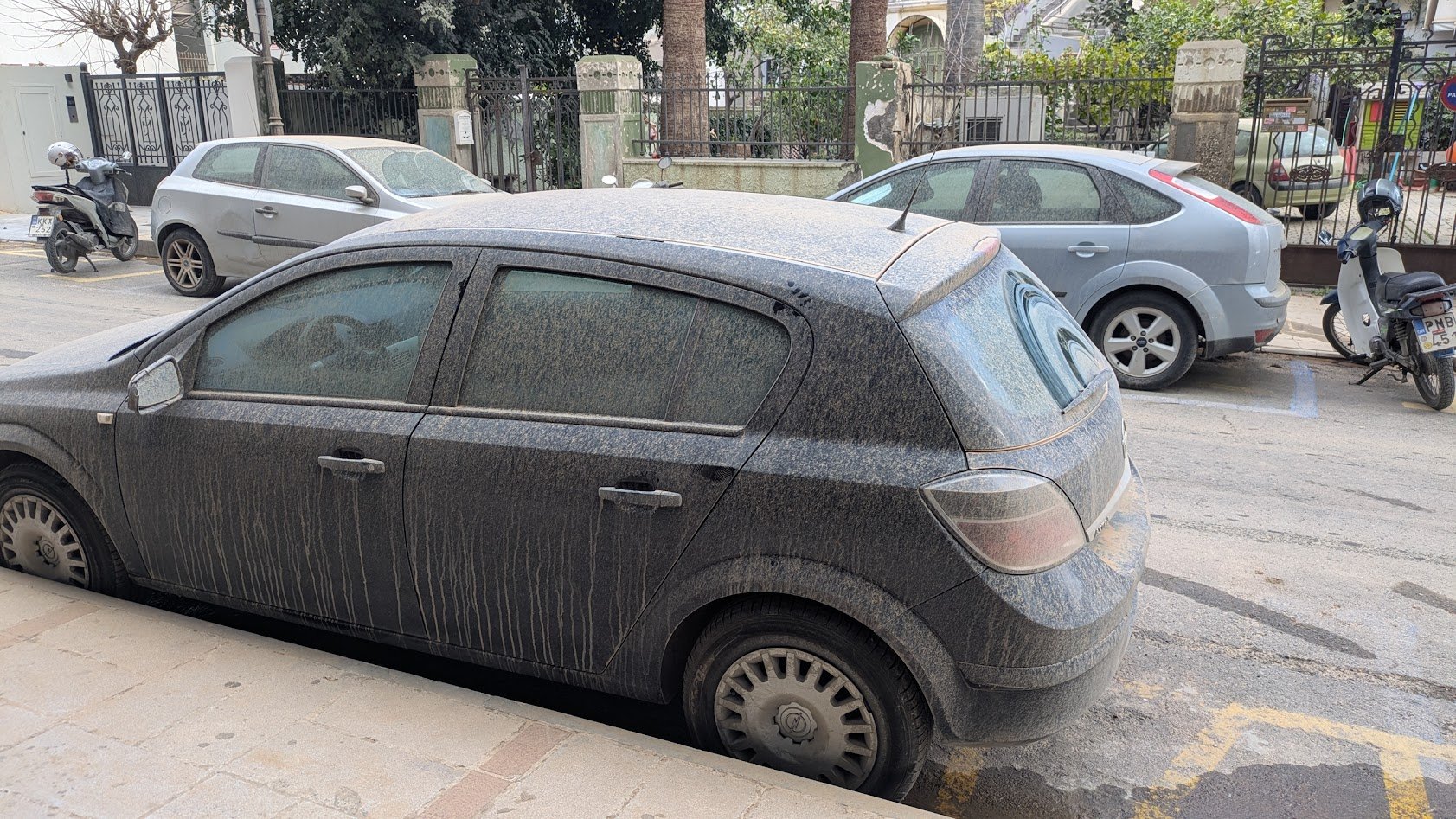
One afternoon around 3:30 while we were out visiting wineries, the sky over Crete turned the strangest dark orange color similar to the color at sunset. It was apparently due to a massive Saharan dust storm (Storm Erminio) caused by strong southerly winds from North Africa. It was sort of like it was raining droplets of red dirt which everything was covered in - our clothes, our car, everything! It was disgusting! The red colored sky was caused by iron-rich particles of sand that filtered sunlight to create an “apocalyptic, Mars-like” atmosphere. The phenomenon caused schools to close in some areas, and disrupted flights and ferries.
We were told that these Saharan dust storms are common, but this particular occurrence was much more intense than usual. Everyone we talked to said they had never seen anything like it. It even made the news in the US! It was definitely pretty bizarre.
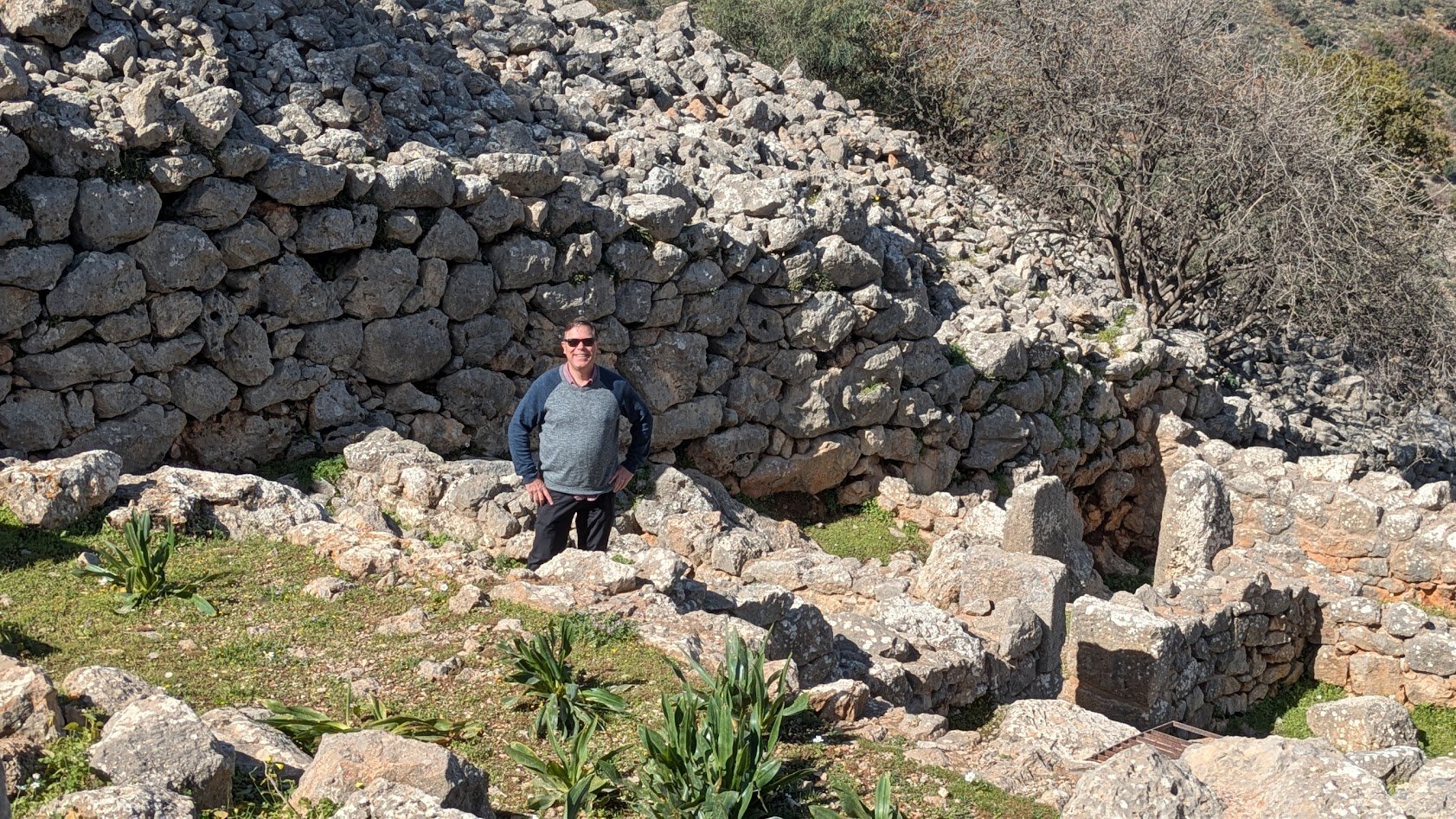
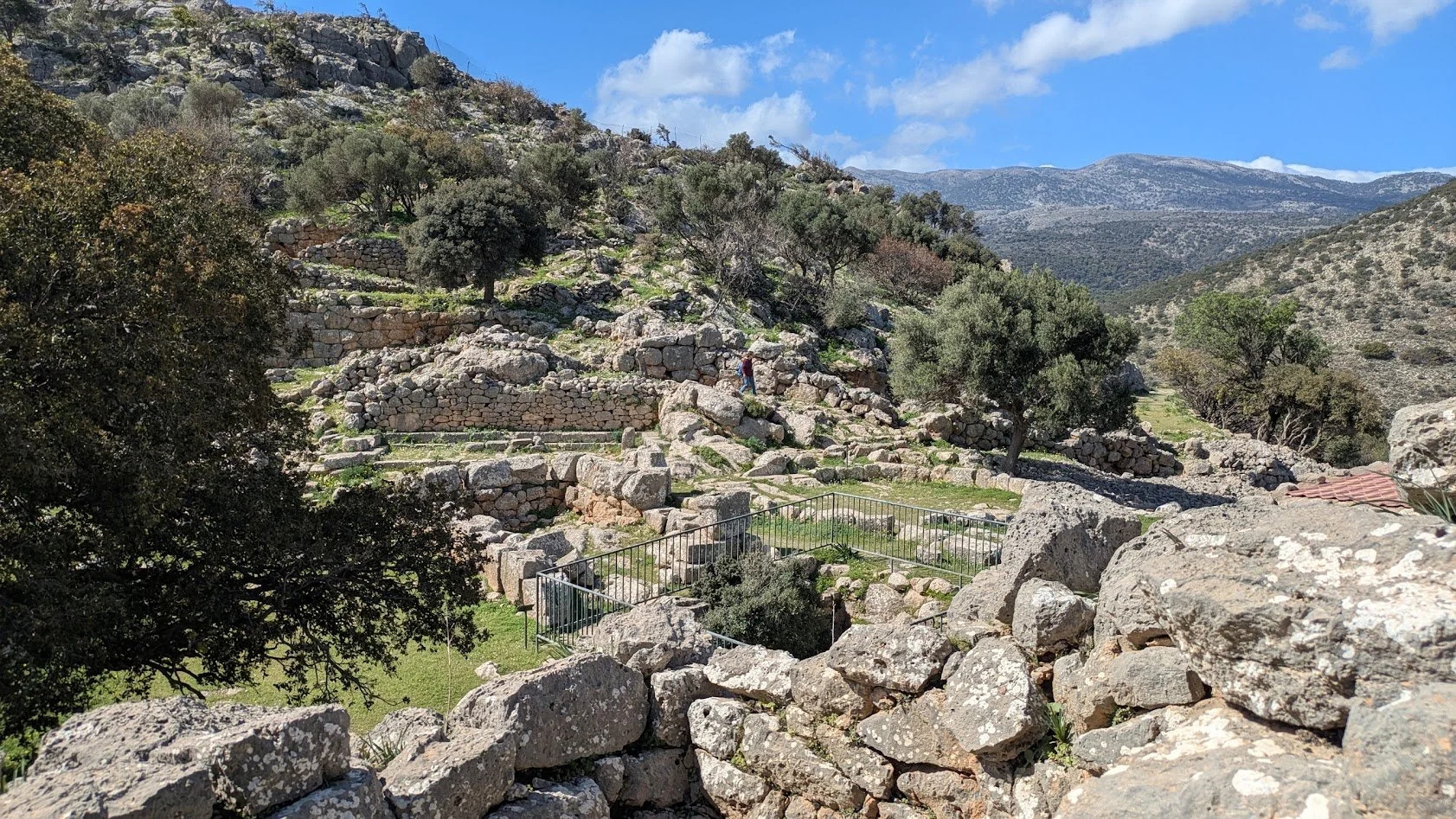
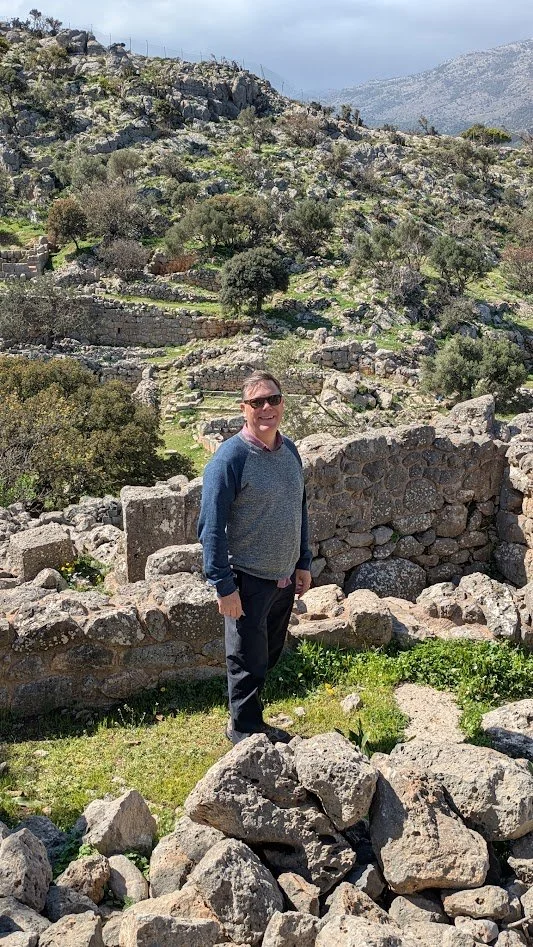
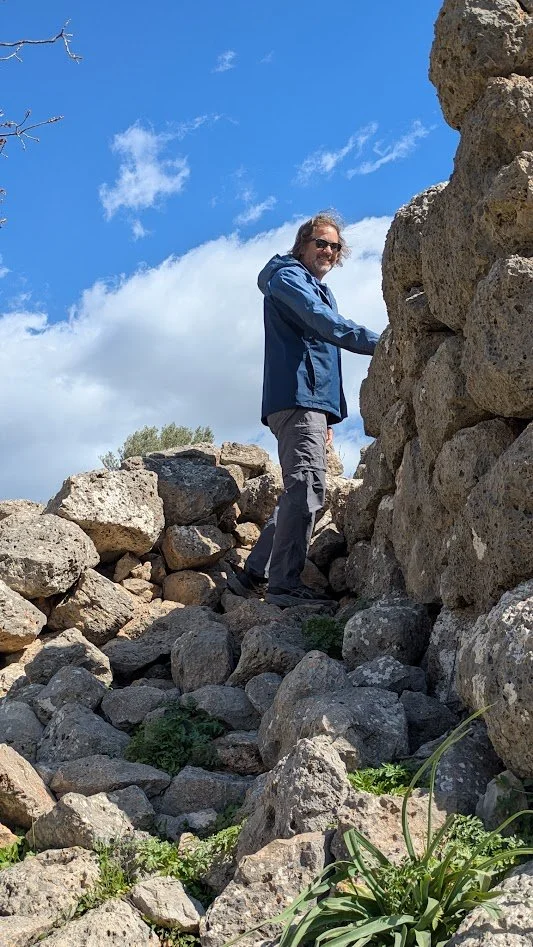
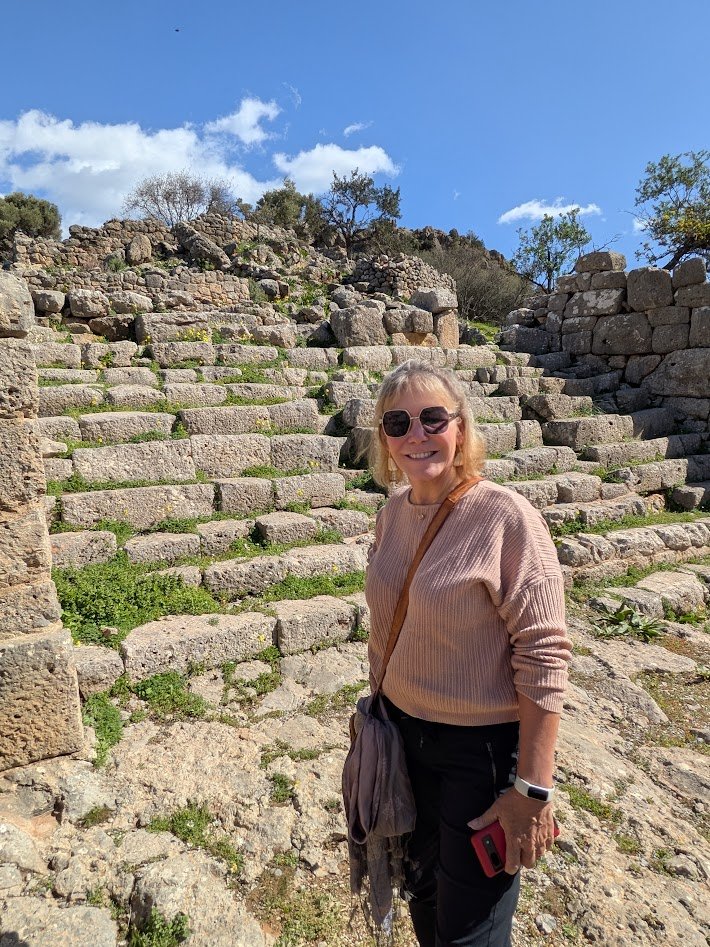
We did a road trip to a couple towns/sights about an hour east of Herkalion. Our first stop was the ancient city of Lato, which is one of the best-preserved Dorian city-states in Crete from the 4th century BC. It is sometimes compared to a "mini Machu Picchu" because of its tiered stone structures and views over Mirabello Bay. It was pretty cool to climb around the “old stones”, but would have been better if there was better information or a more understandable audio guide. Regardless, it was fascinating!
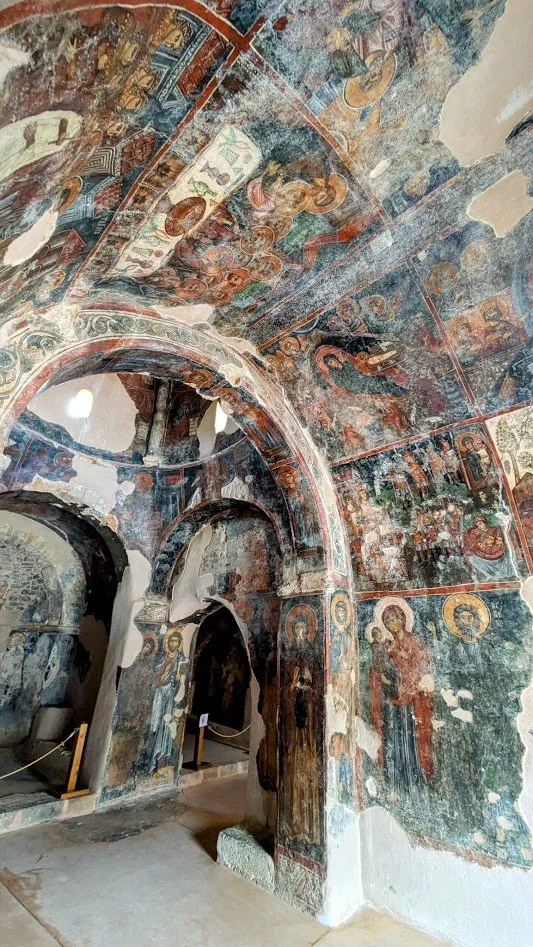
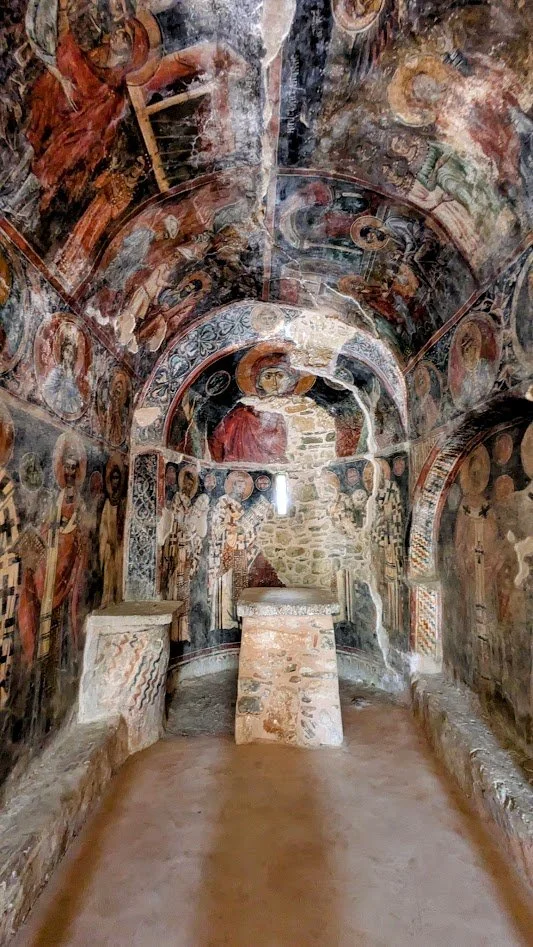
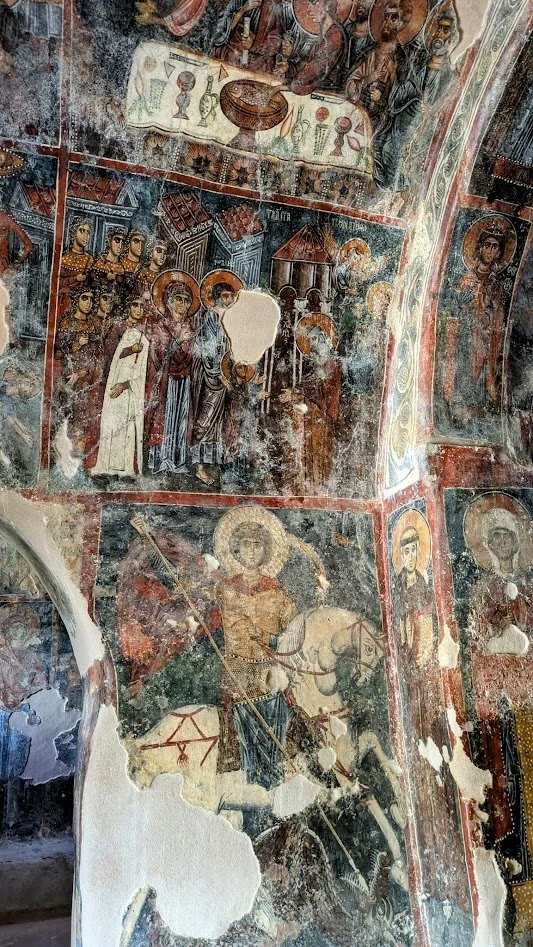
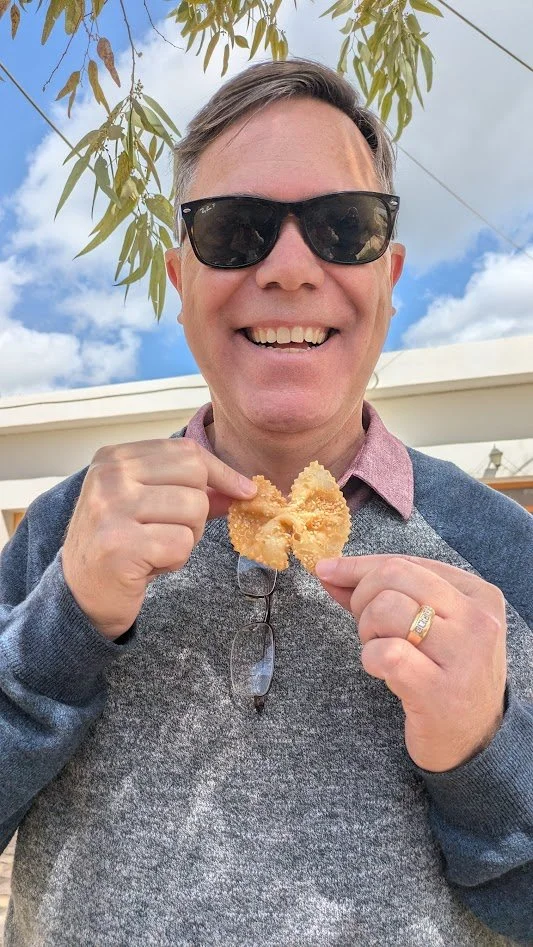
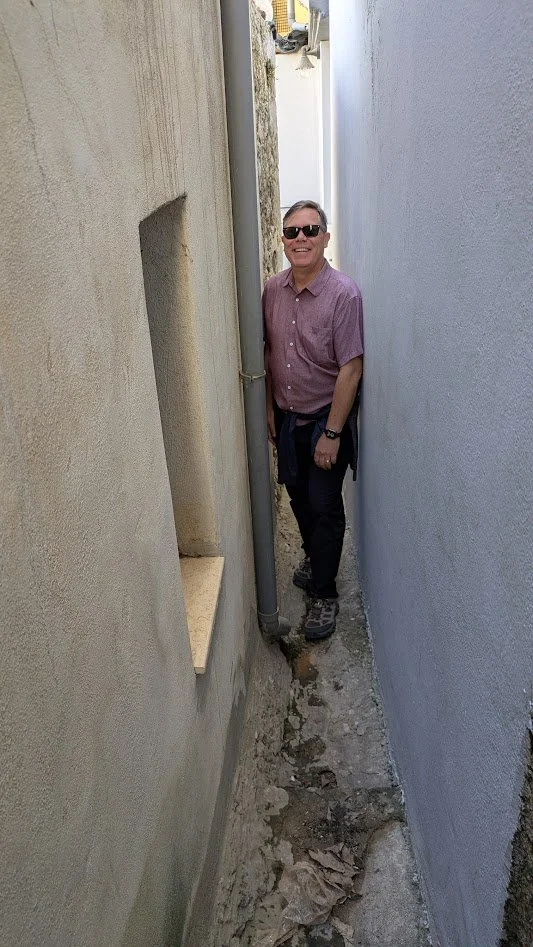
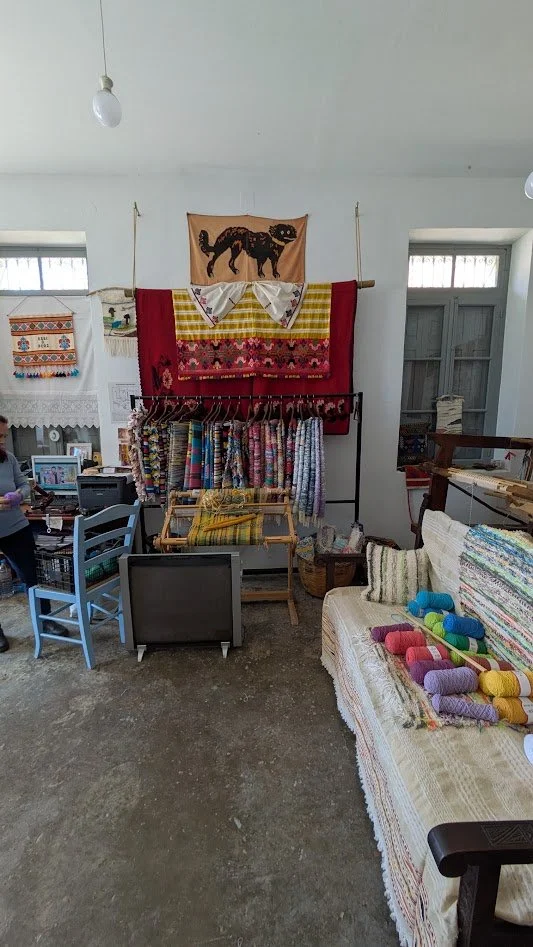
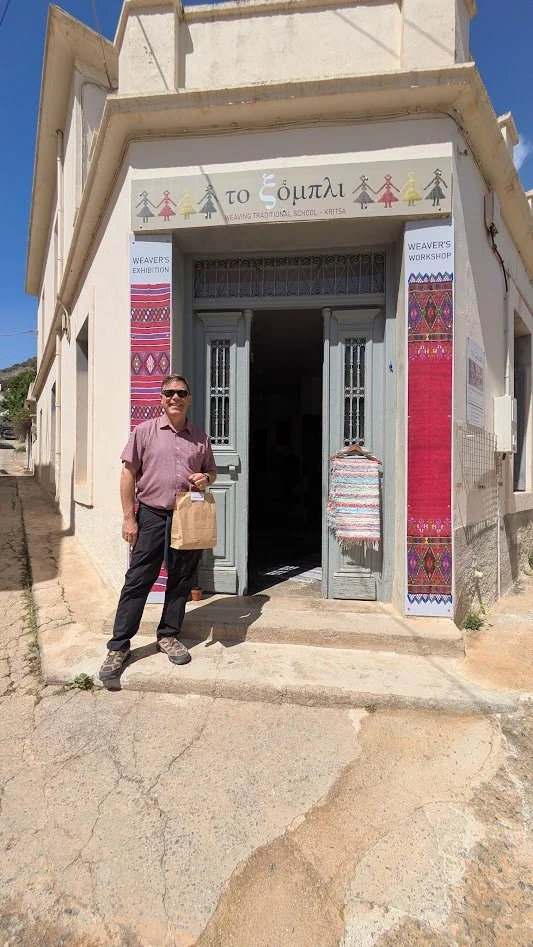
Our next stop was the town of Krista where we checked out the Panagia Kera Church which is one of Crete's most significant Byzantine monuments. It contains the best-preserved Byzantine frescoes on the island, dating primarily from the 13th and 14th centuries. The rest of the town was just ok. We got a snack, did a little shopping, and wandered around a bit before moving on.
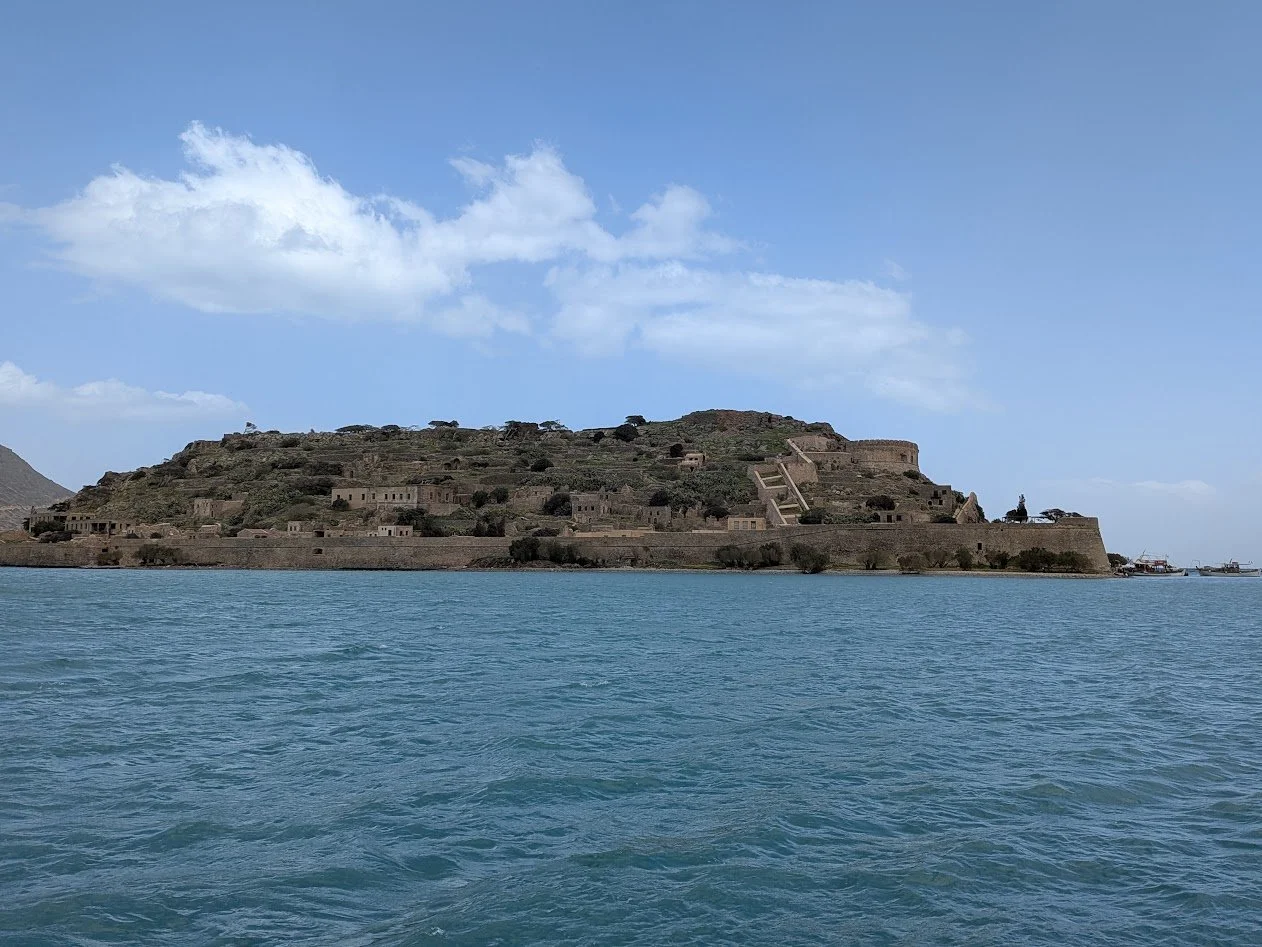
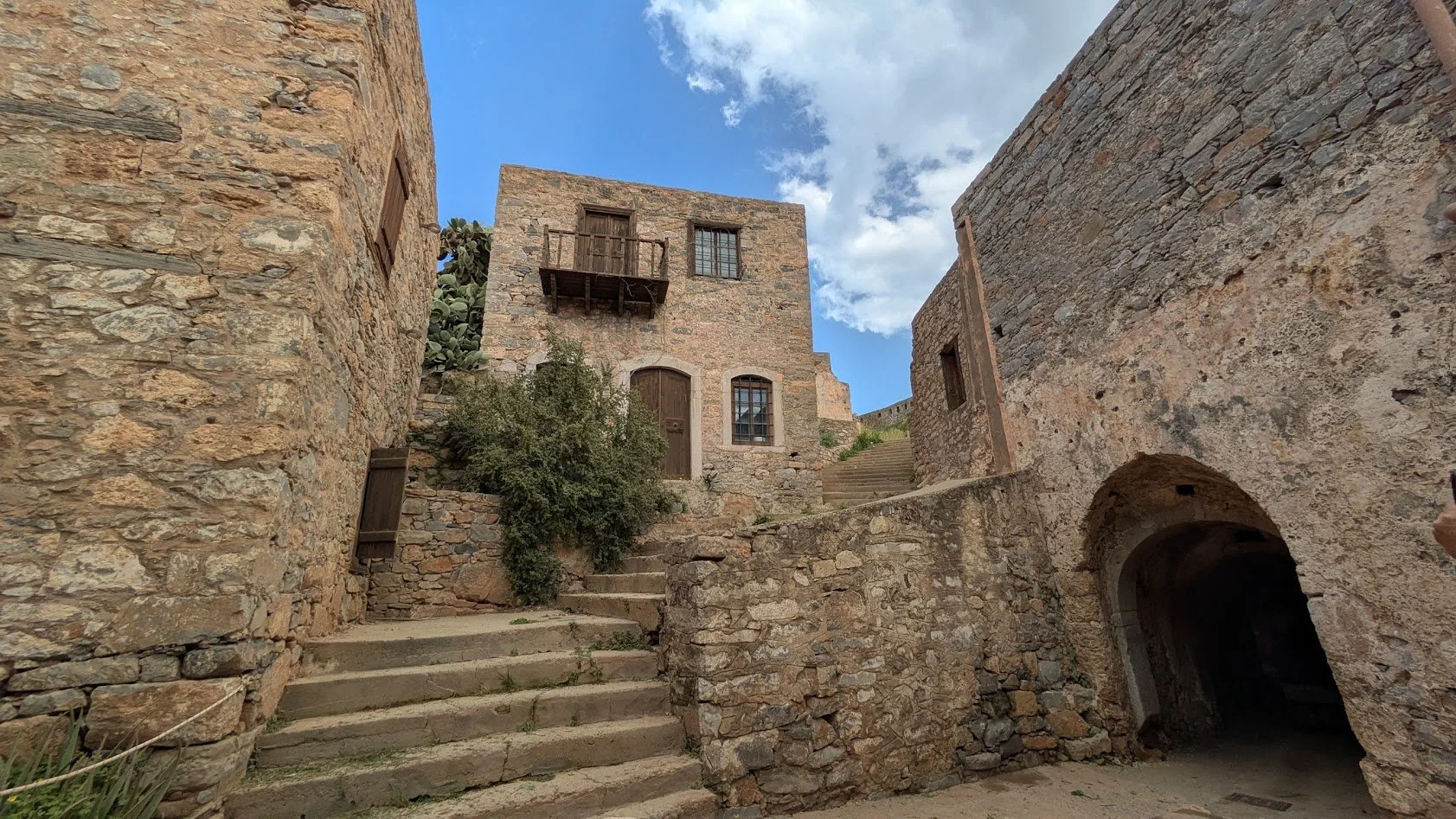
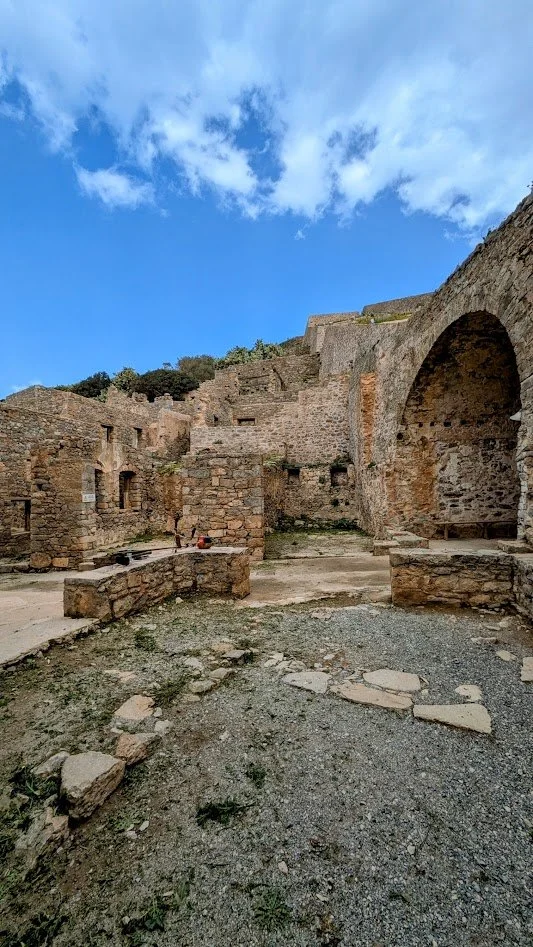
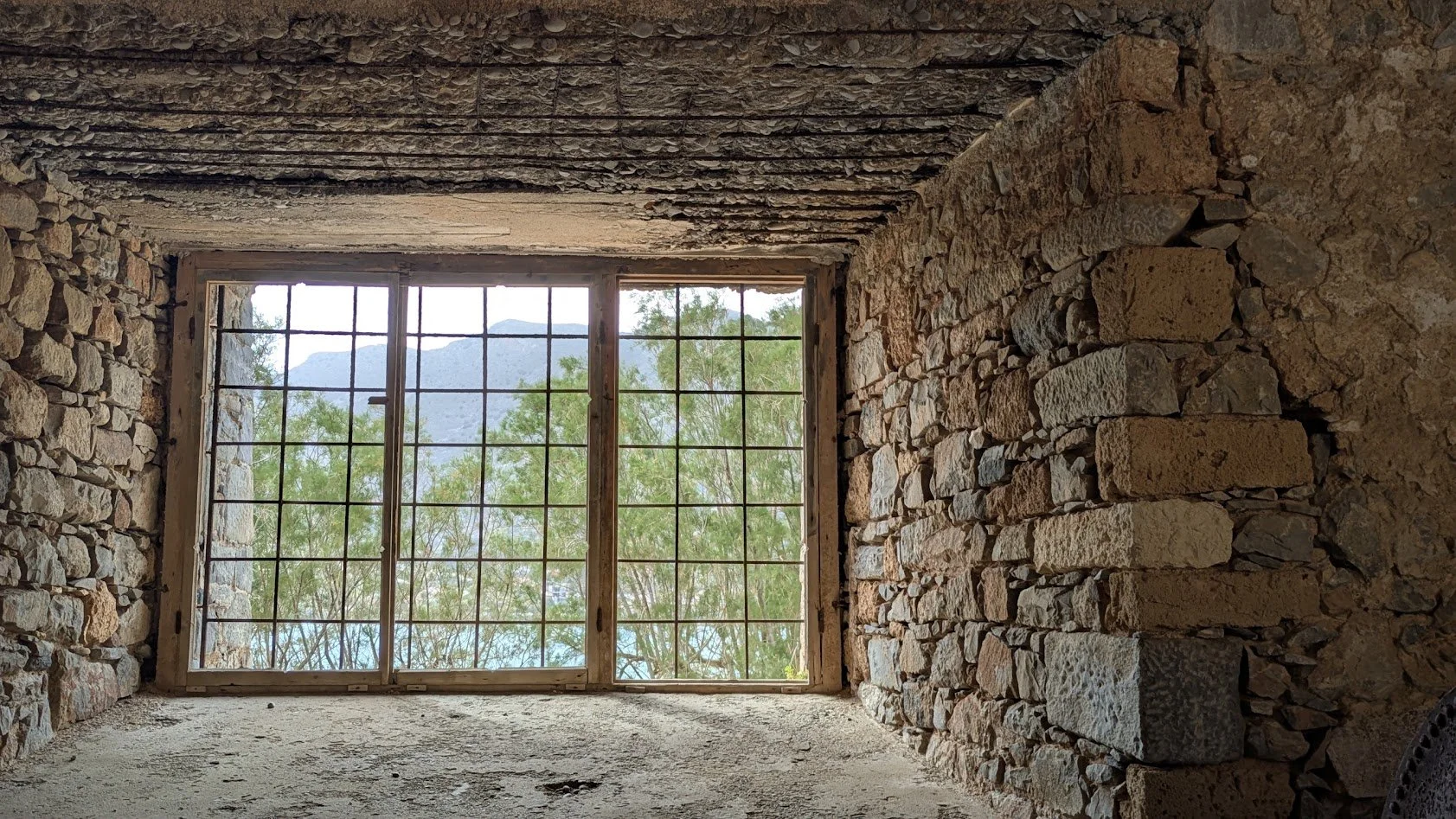
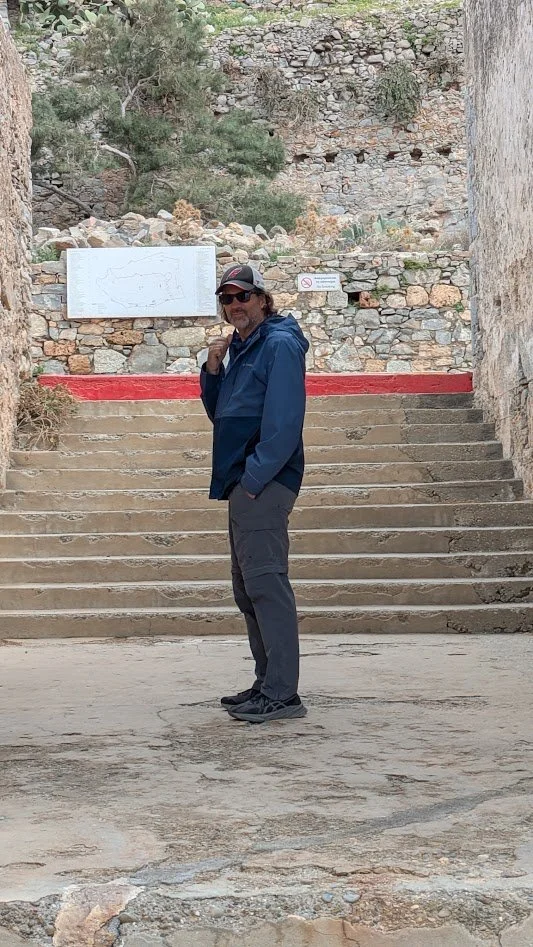
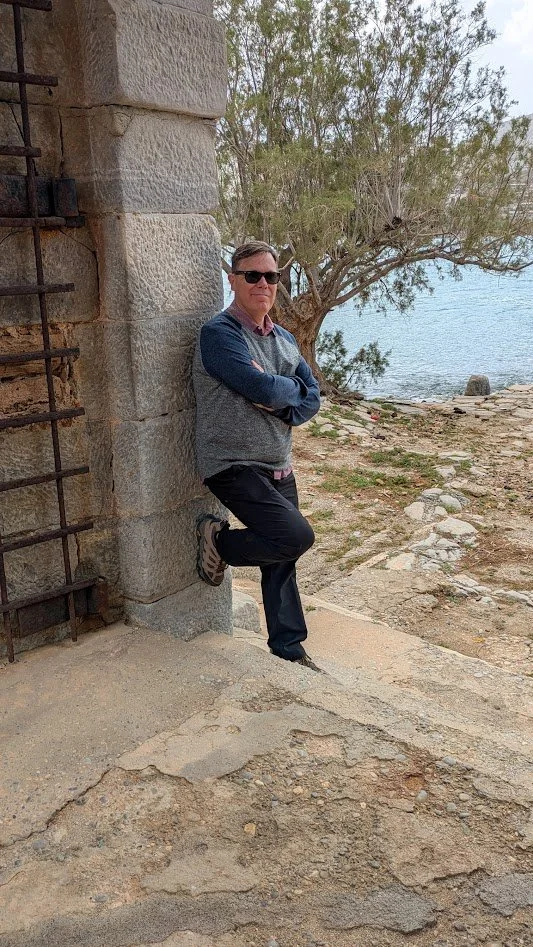
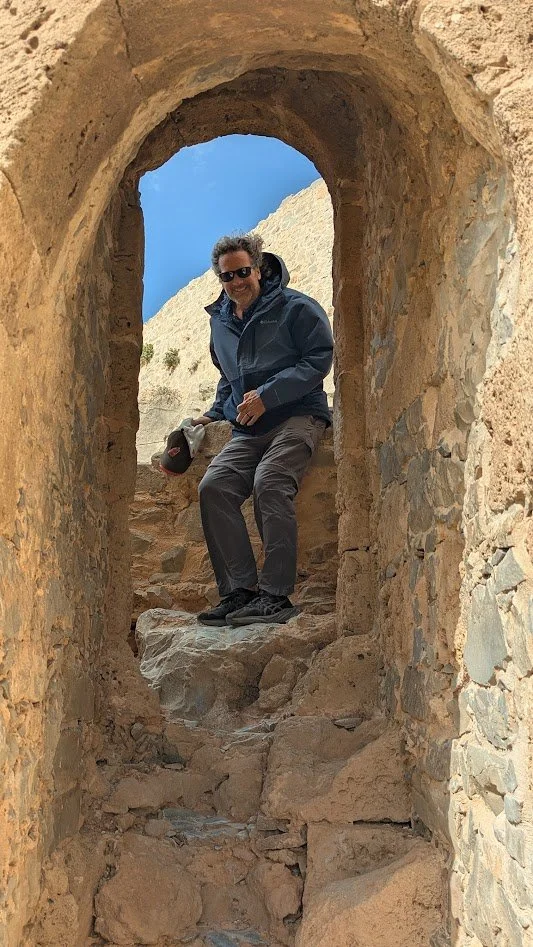
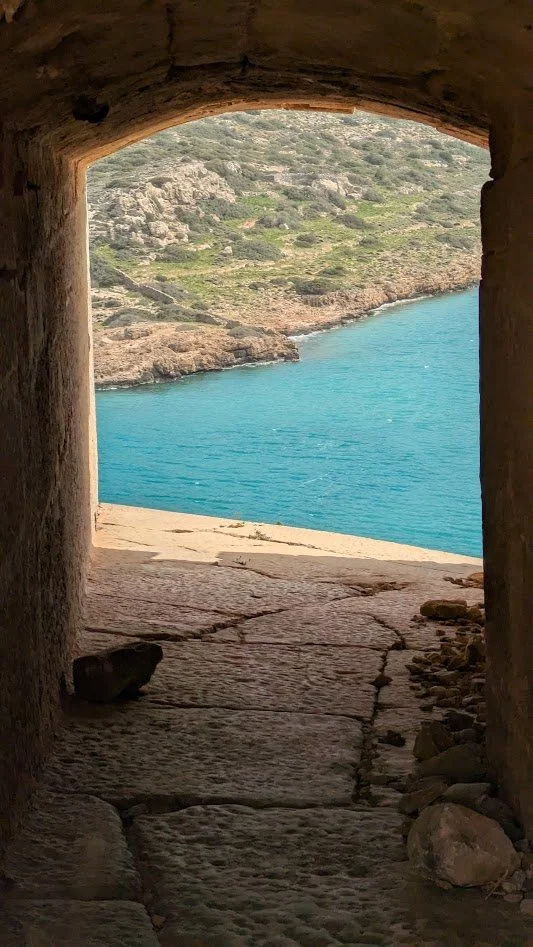
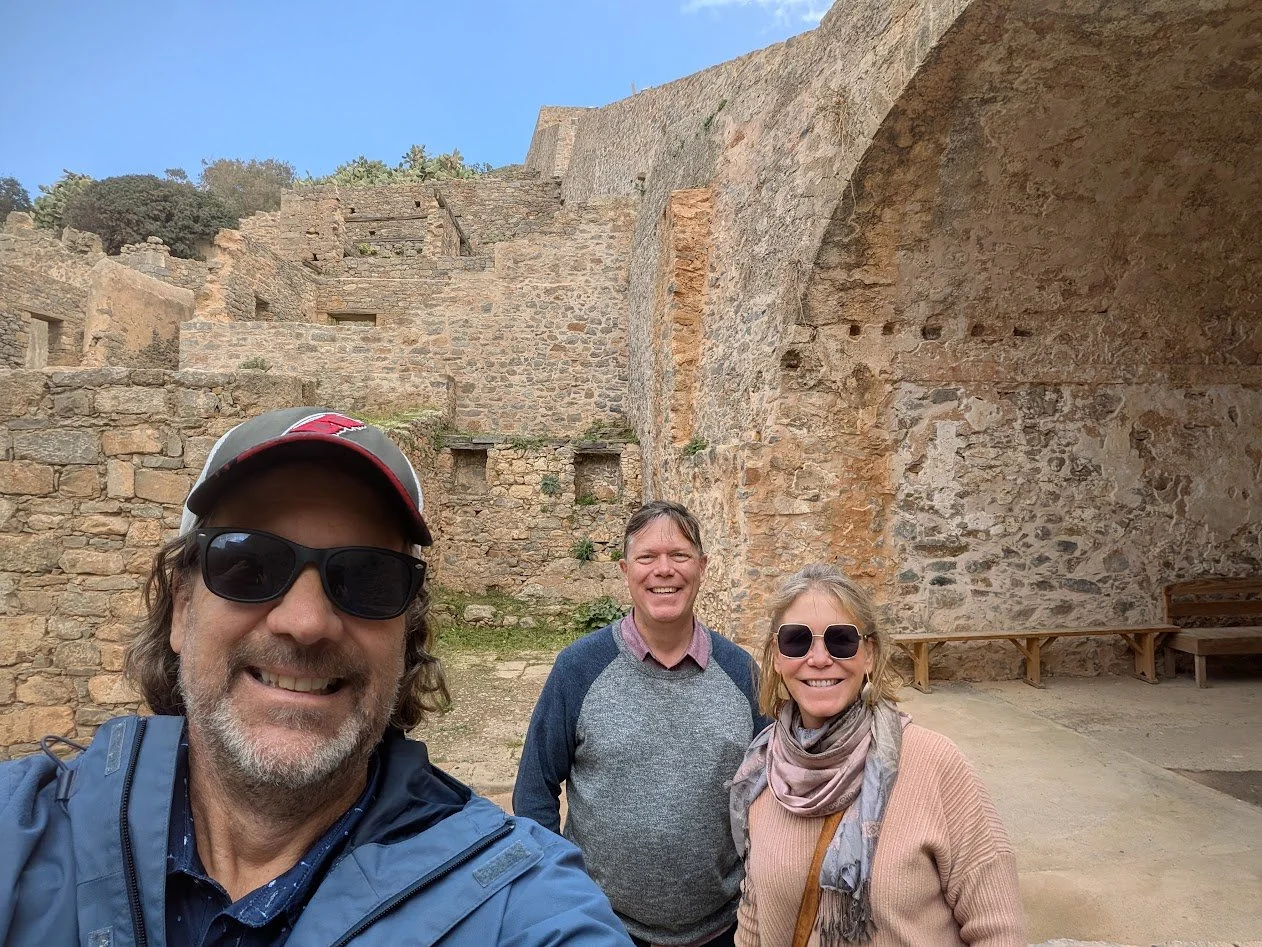
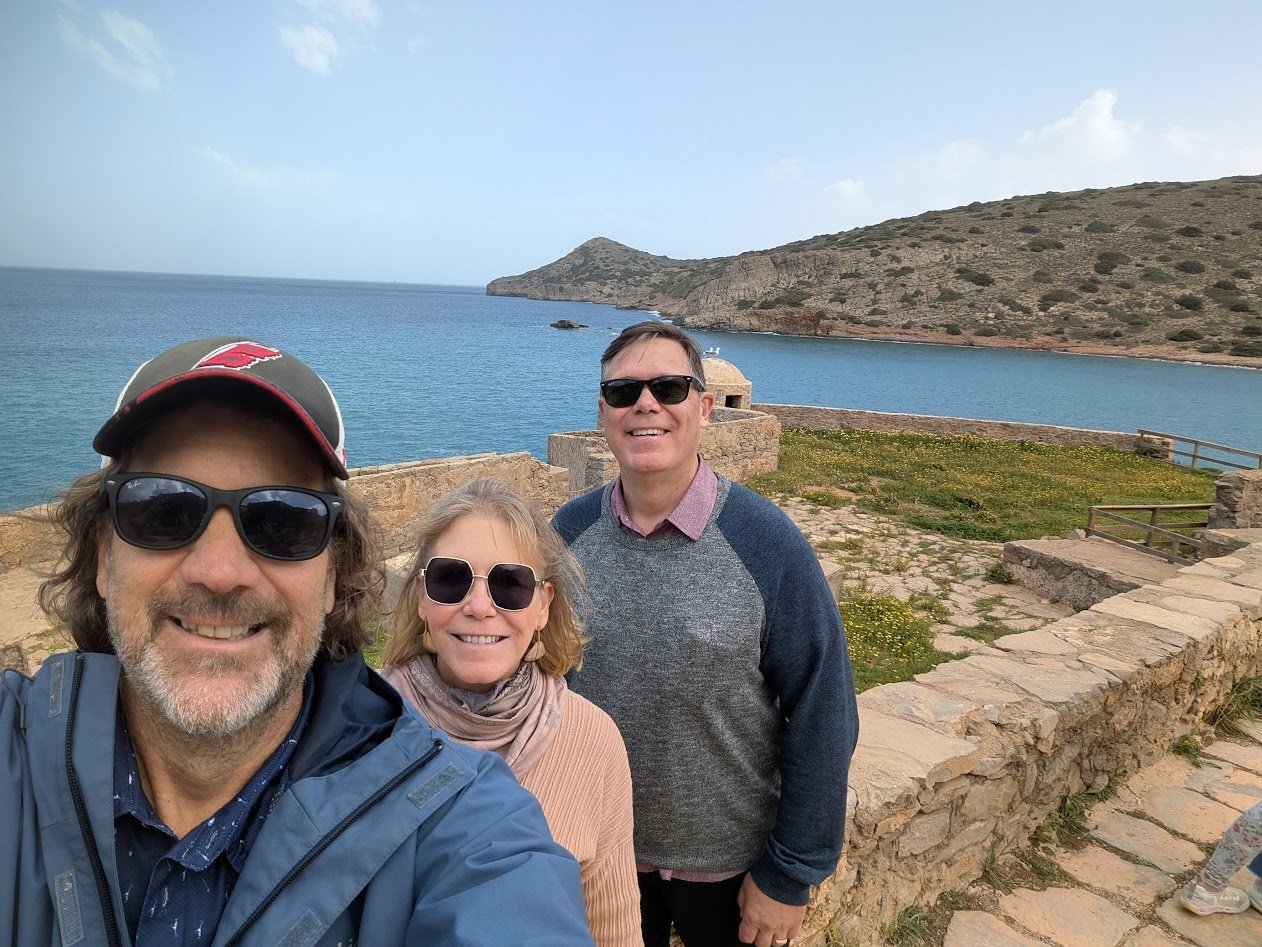
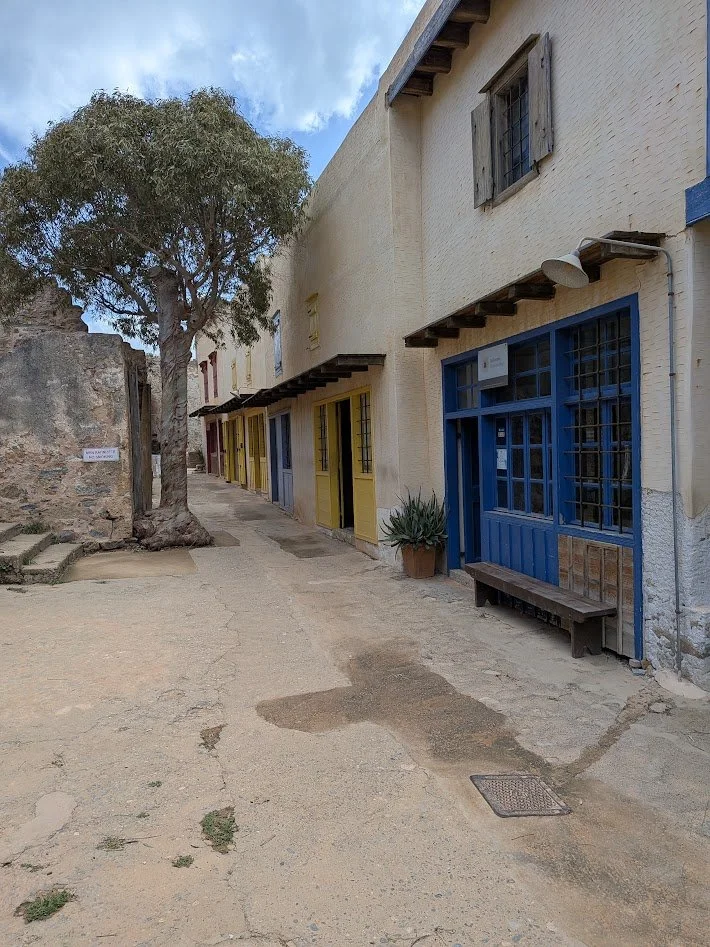
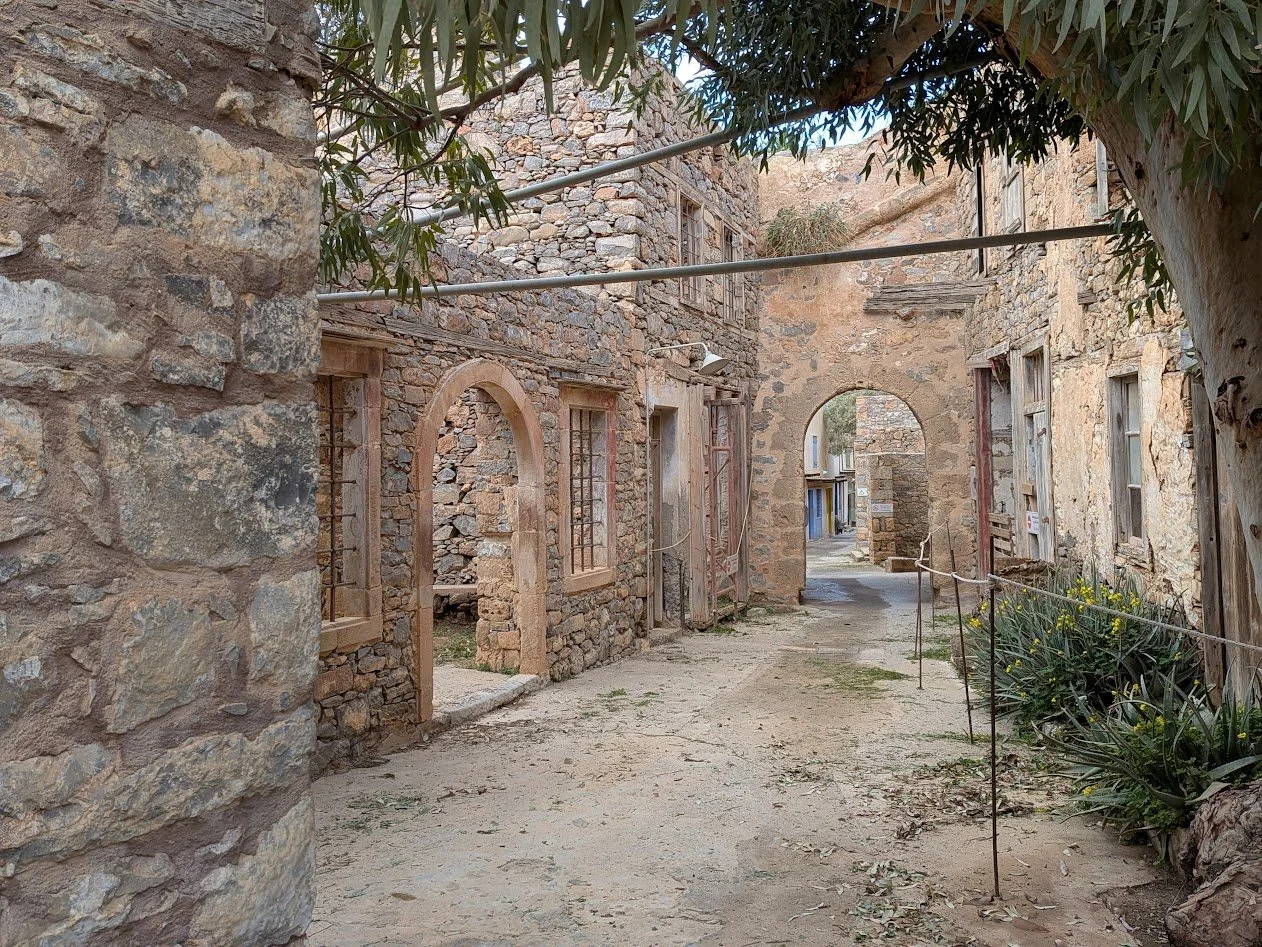
Our final stop (and the whole reason for this day trip) was Spinalonga Island, which is about a 10 minute ferry ride off the coast of Crete. Unfortunately, we didn’t get as much time here as I had hoped. Their website says the island is open until 6pm, however, the last ferry back is at 4pm, so we only had about an hour.
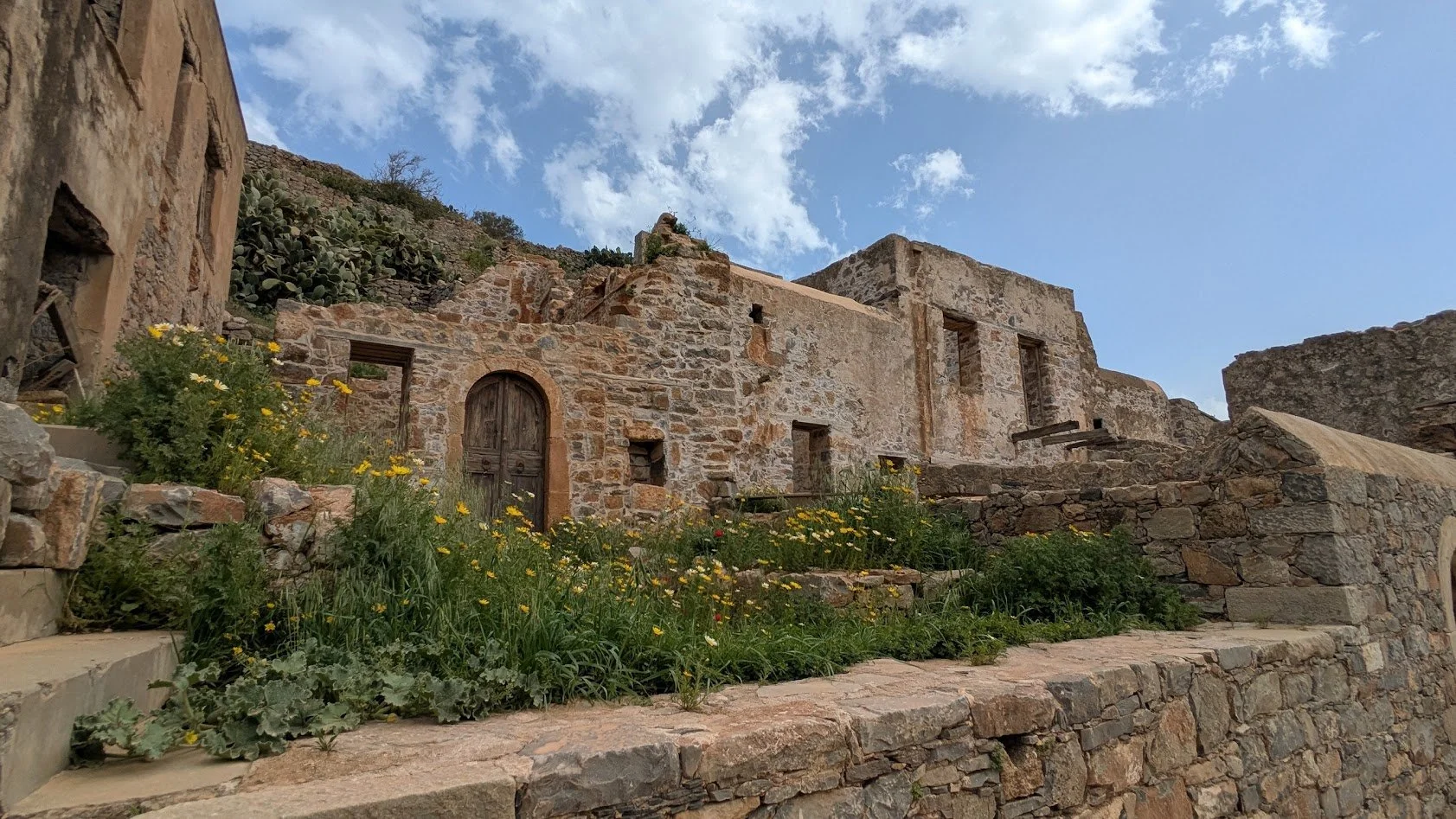
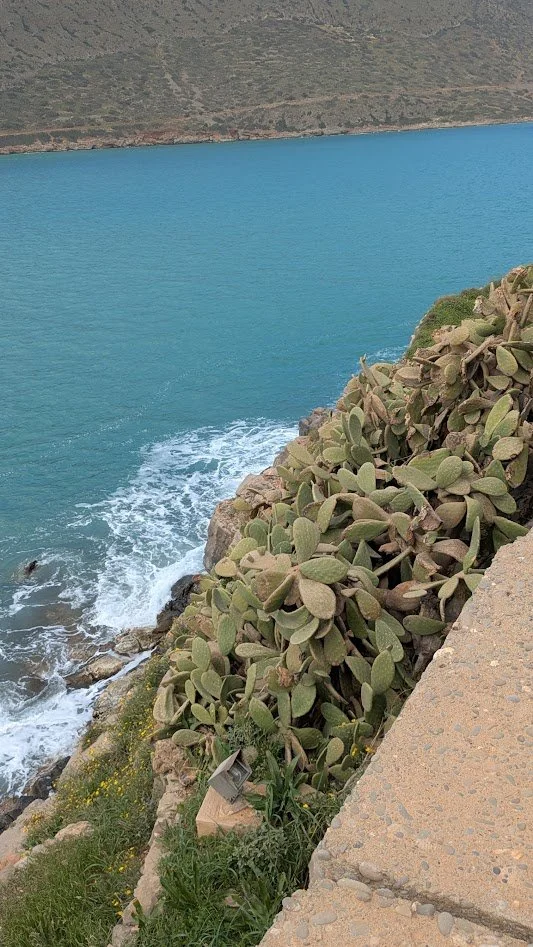
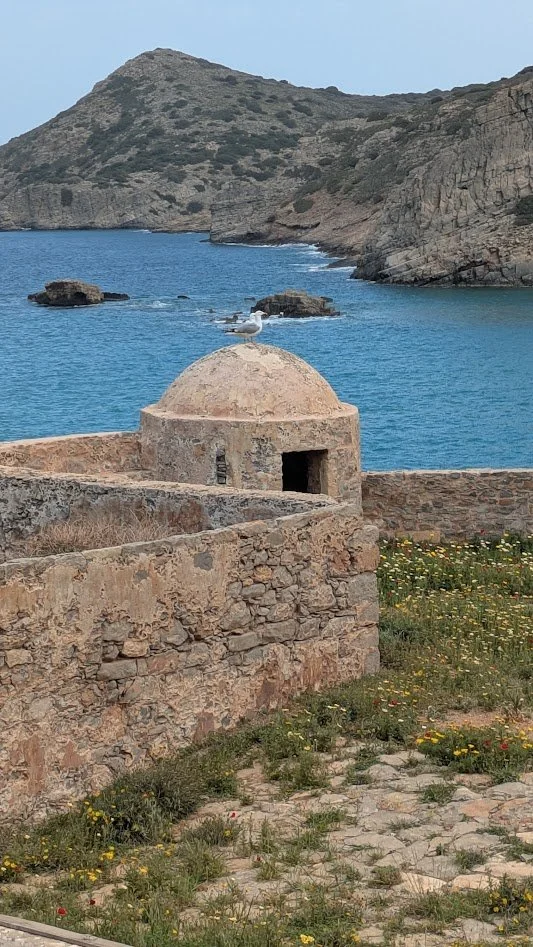
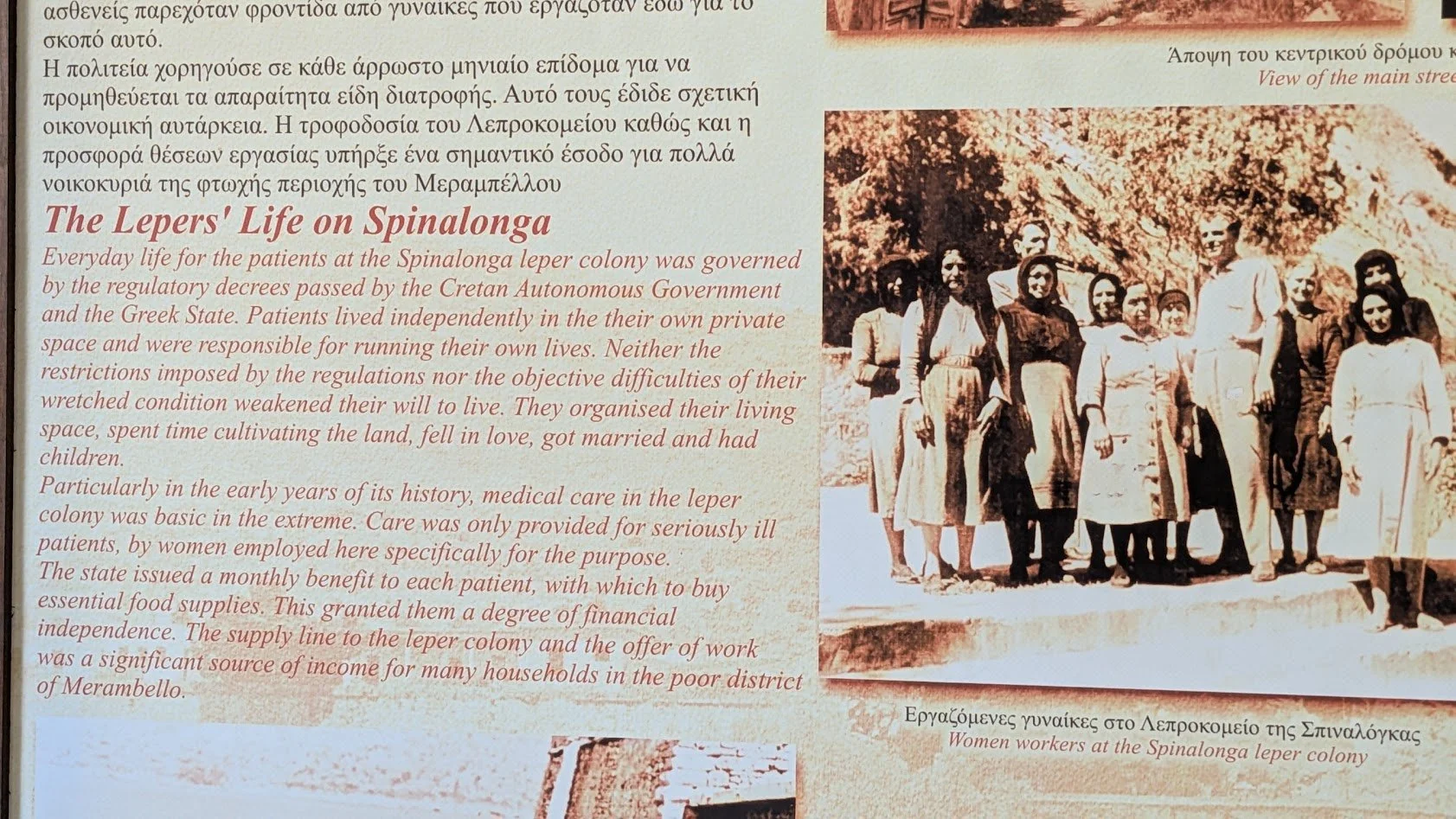
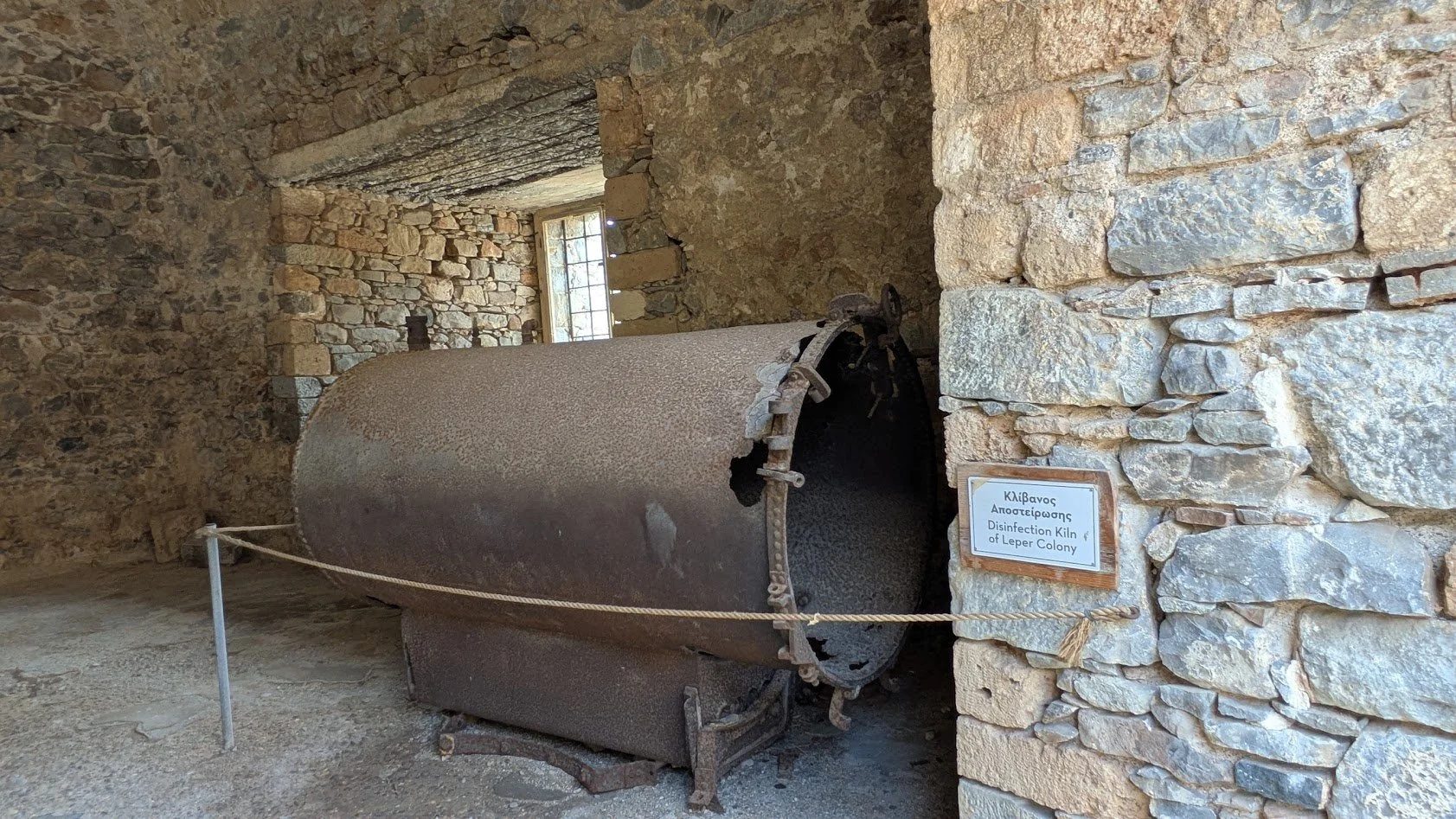
Spinalonga Island started as Venetian fortress in the 16th century and ended as one of Europe's final leper colonies (1903–1957). As we approached via ferry, Darren said “it looks like a Venetian Alcatraz”… which is a perfect description. It was so cool… I seriously wish we would have had more time to poke around and read all the information (especially about the years it served as a leper colony). My mom would have loved this place!!
Despite the stigma and isolation, residents of the leper colony formed an organized society. They created a community with shops, cafes, churches, a cinema, and a hospital. The island became a symbol of resilience where, despite the disease, births and marriages still occurred. The last patients left the island in 1957, and in 1962 the final inhabitant, a priest, departed.
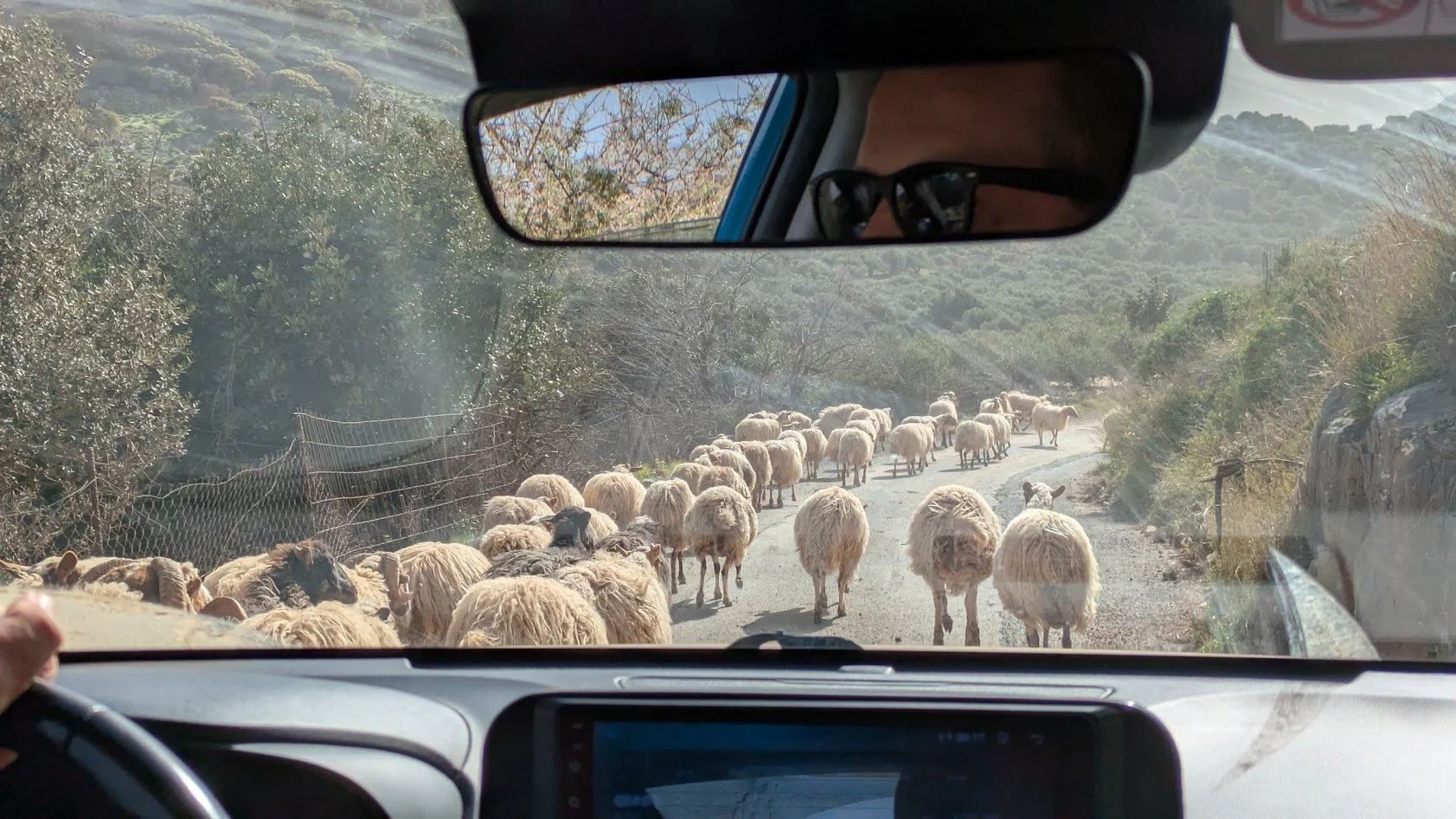
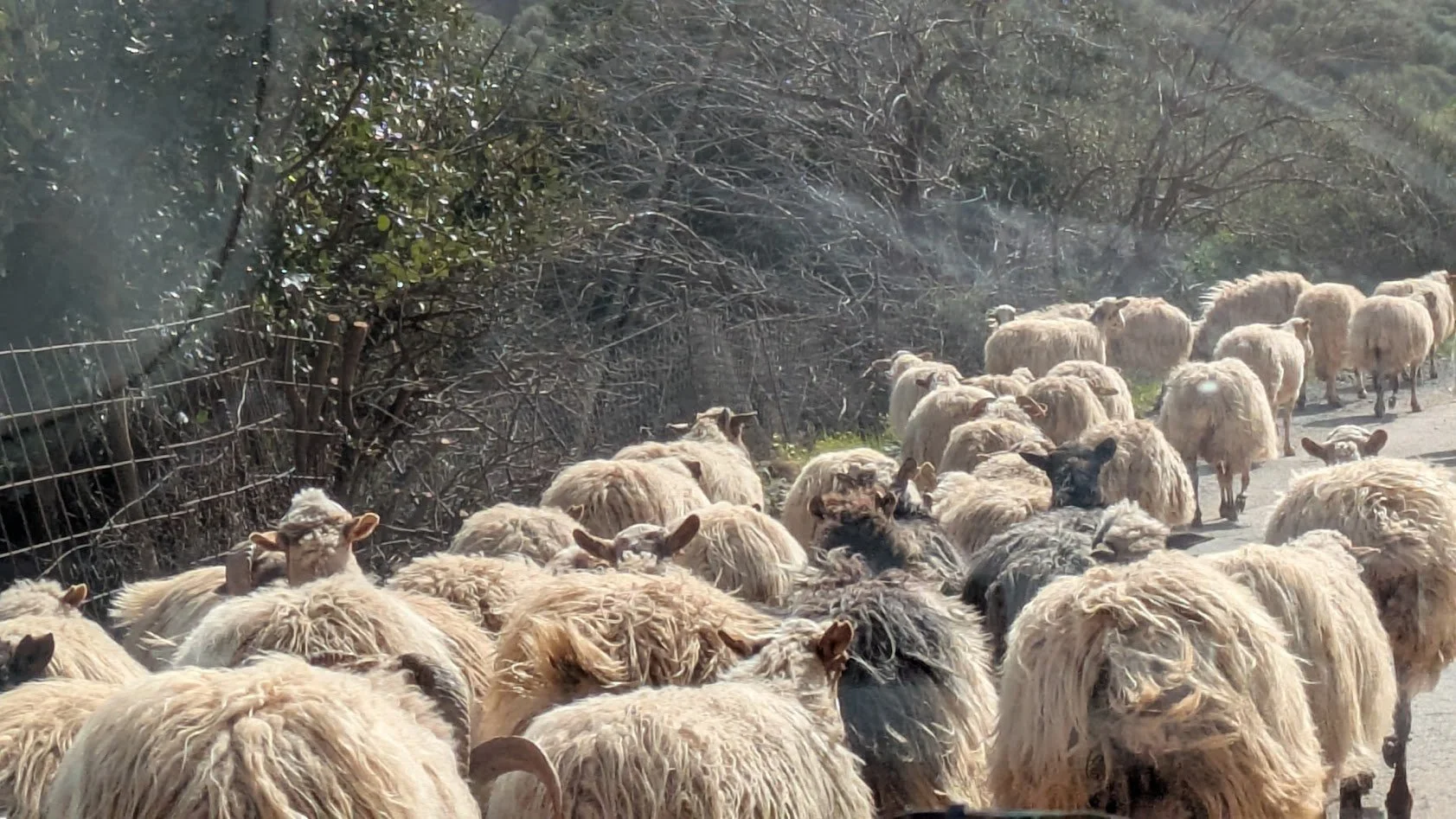
The drive home on mountainous winding roads was beautiful. And the sheep joining us was an added bonus!
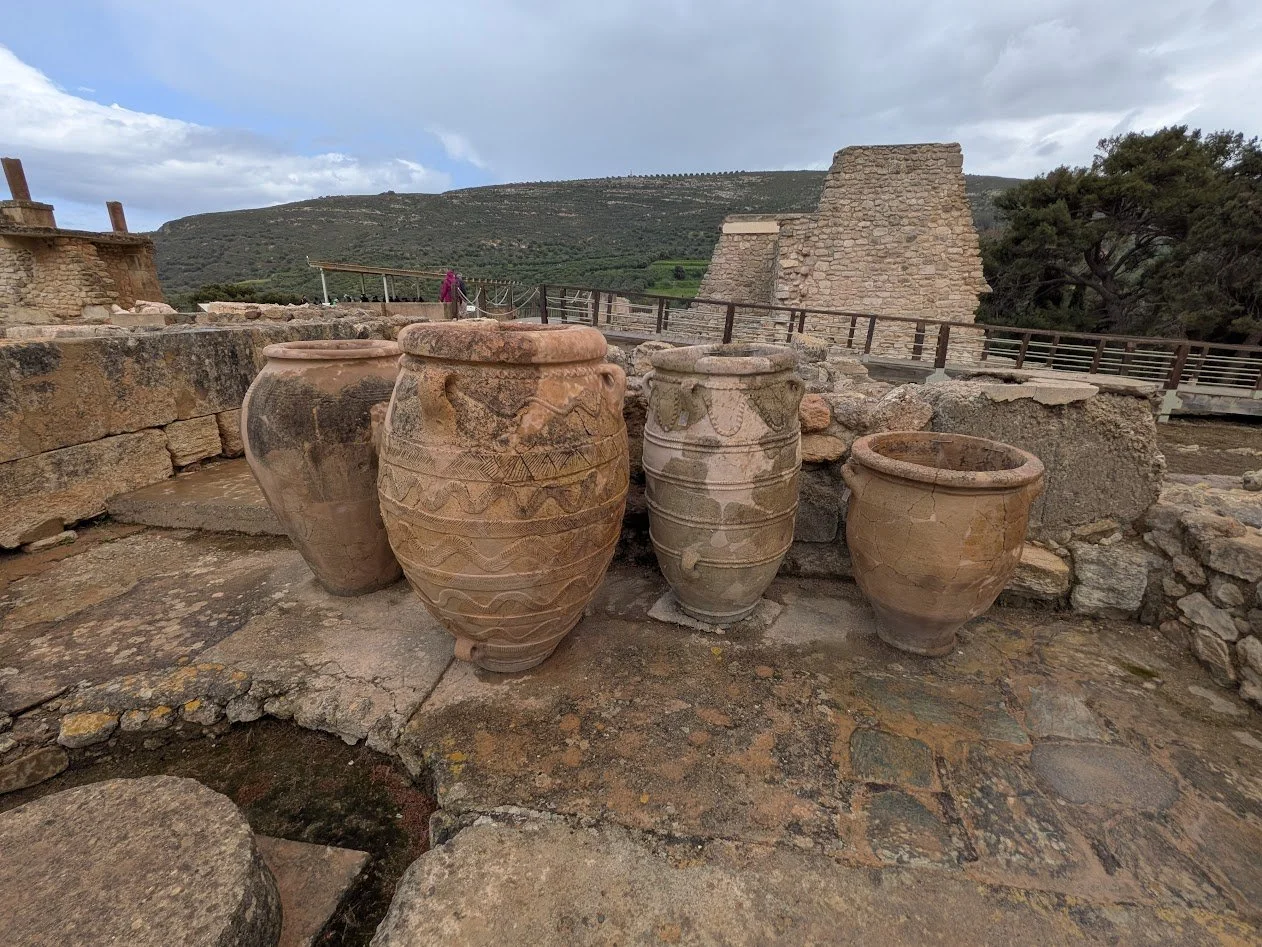
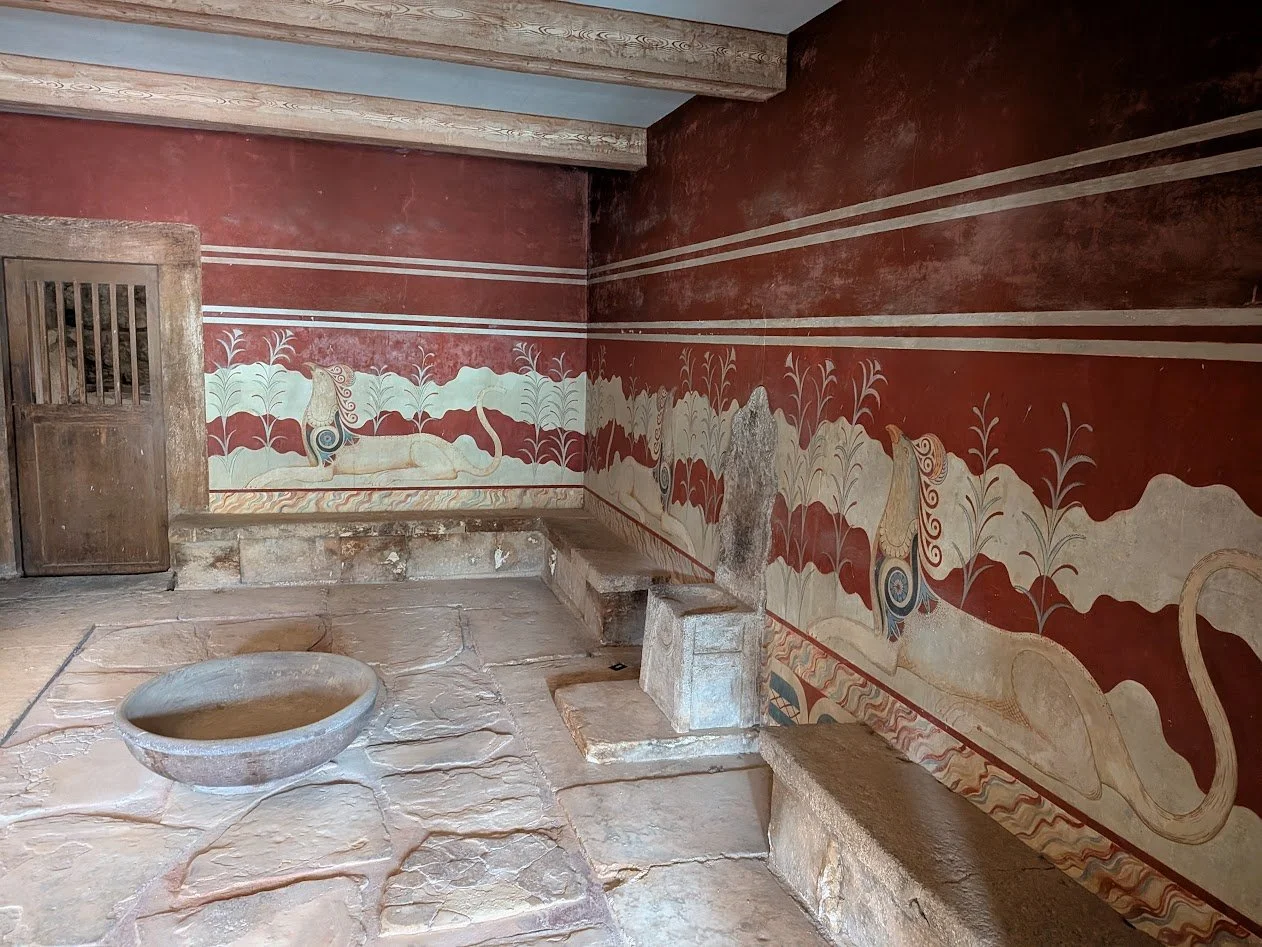
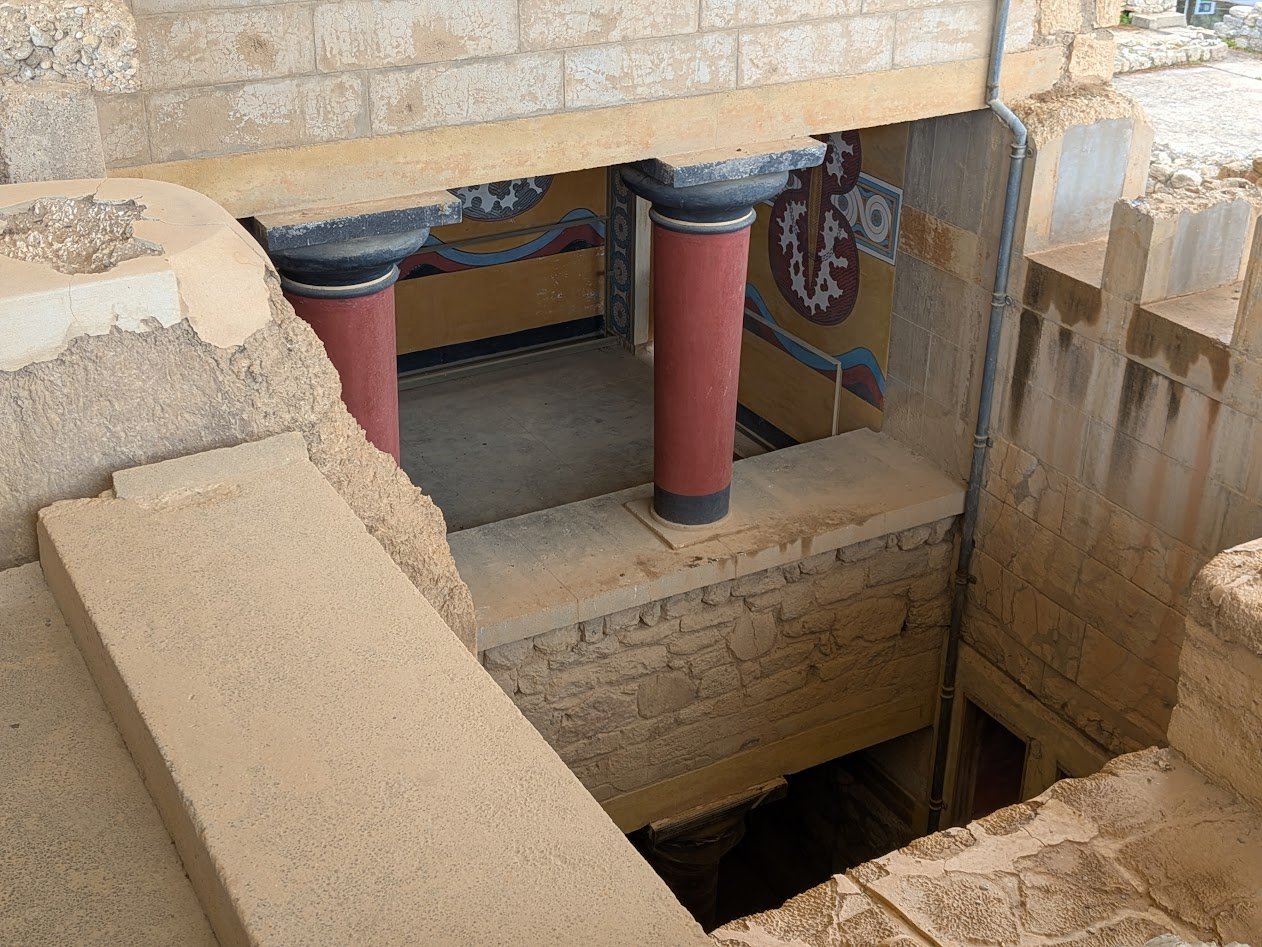
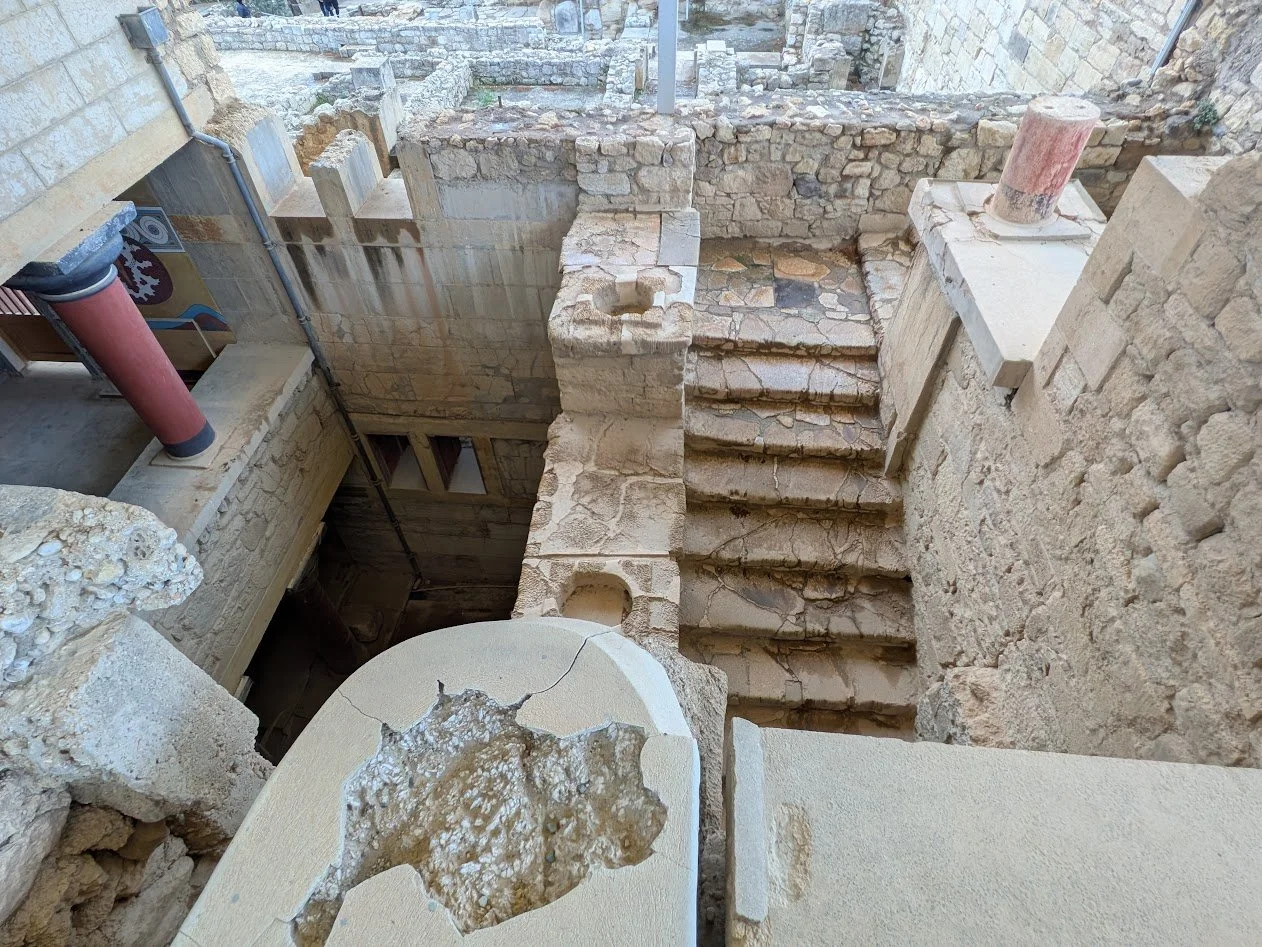
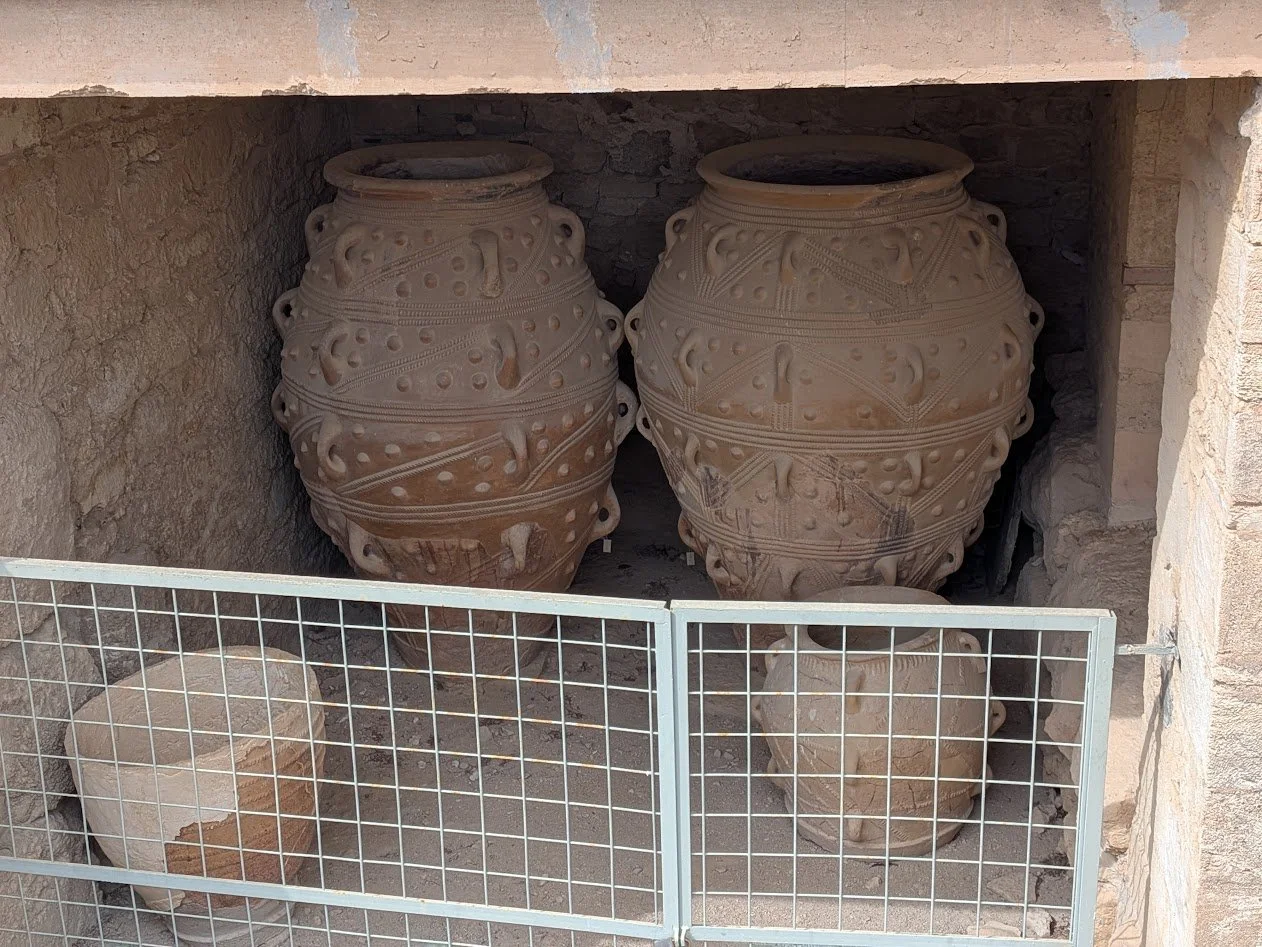
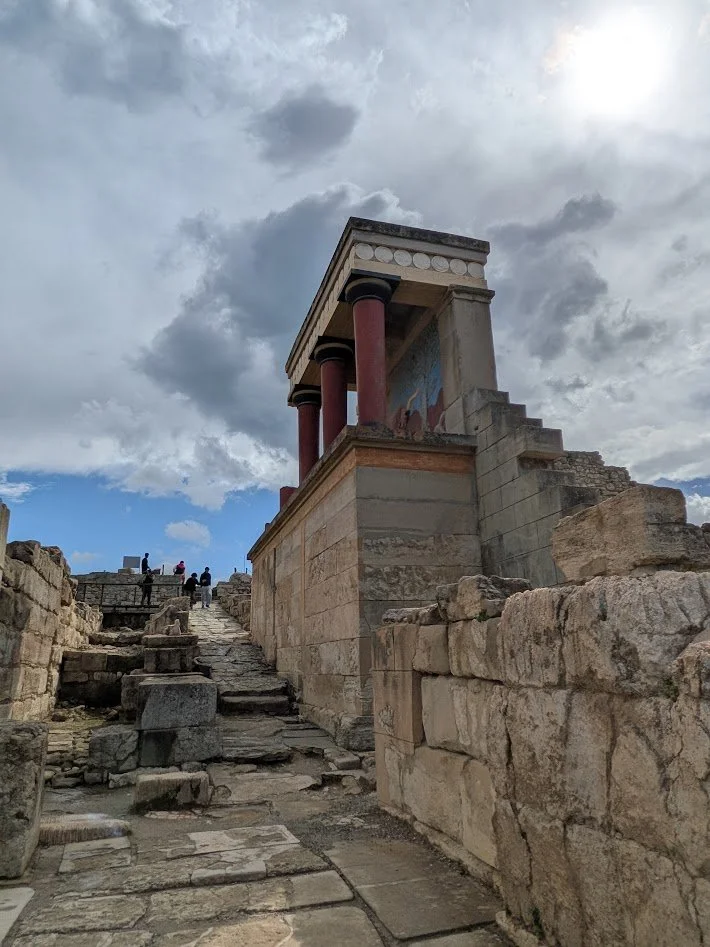
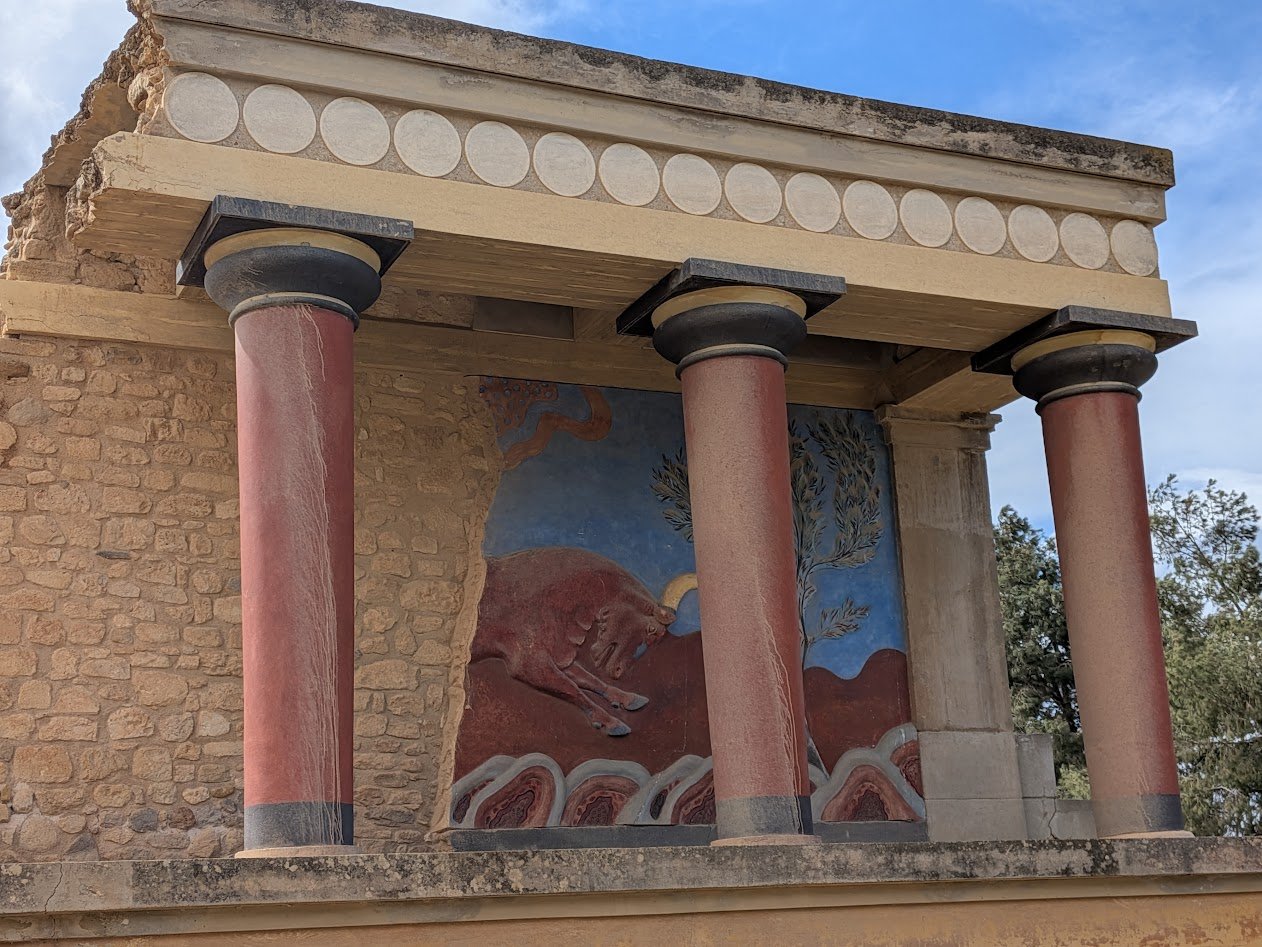
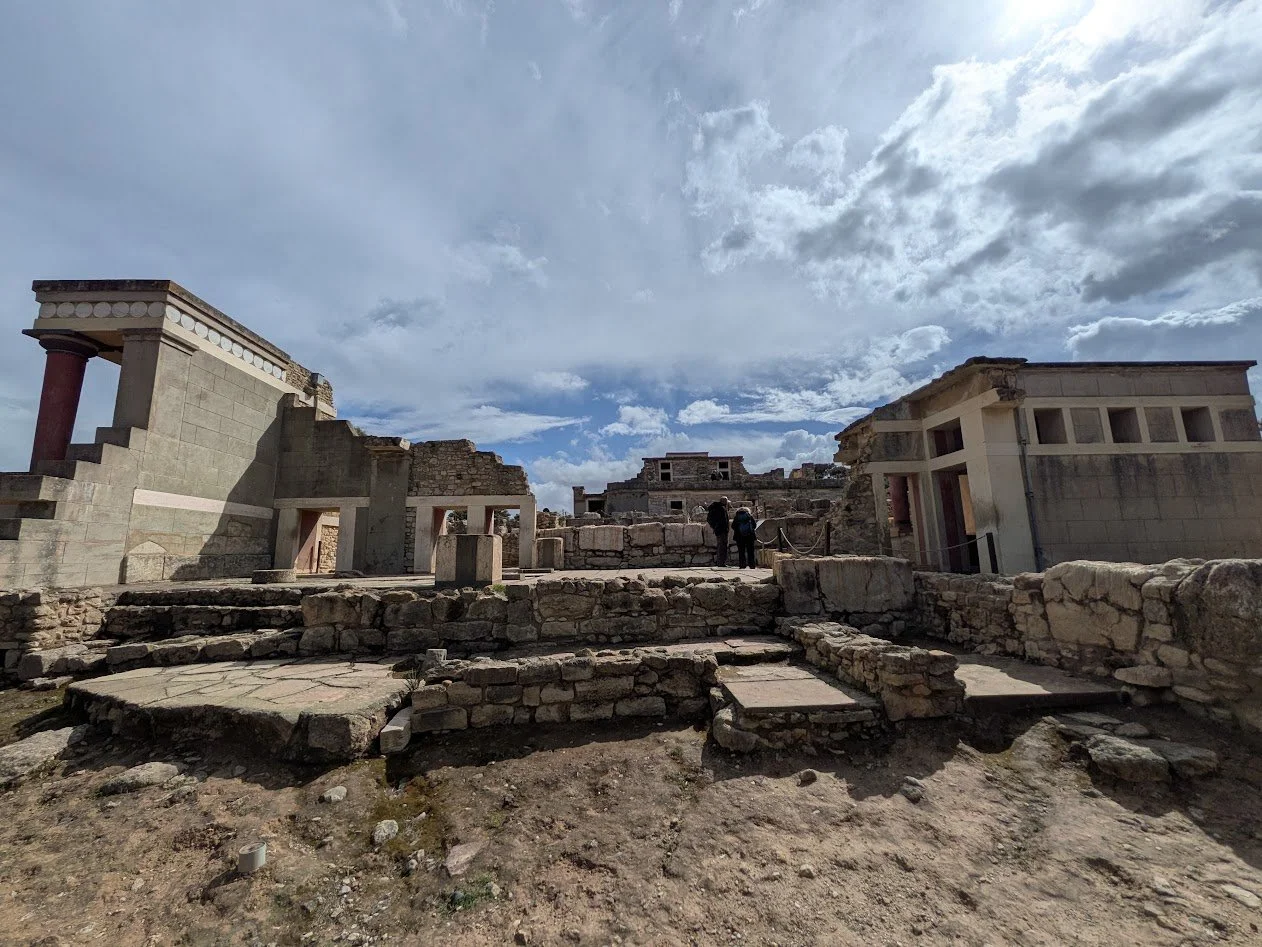
Another day, we visited the Palace of Knossos just outside of town. This was pretty much the whole reason Darren chose to visit us in Heraklion. It was admittedly pretty stinking cool... and really stinking old! The Palace of Knossos was the center of the Bronze Age Minoan civilization from around 1700 – 1450 BCE and is known as Europe's oldest city.
There is evidence that the site was actually occupied as early as 7000 BC. The first "Old Palace" was built around 1900 BC, but after destruction, it was rebuilt around 1700 BC. Final destruction occurred around 1350 BCE, likely caused by fire, earthquakes, or invasion. Then it was eventually all buried and finally excavated in the early 1900’s for us to tromp around and explore. Parts are reconstructed to show what it would have looked like, but there is a lot of original really old stuff! It really was fascinating!
Below you can add a comment: type your text in the white box and then Post Comment. If you get a second panel, you just need to enter your name and then hit ‘comment as guest’.
Be nice with your comments, we can always delete them 😊
