Greece Cruise
03/09/2026 - 03/20/2026
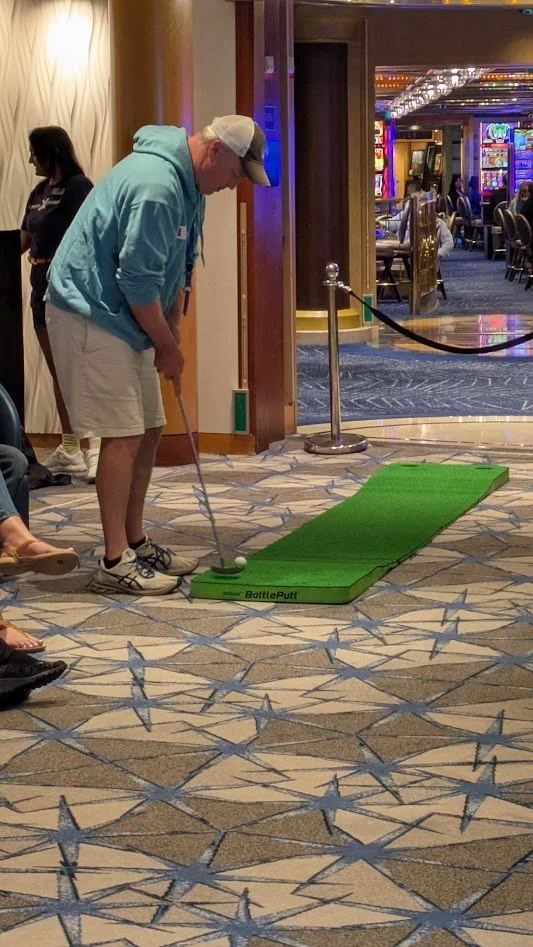
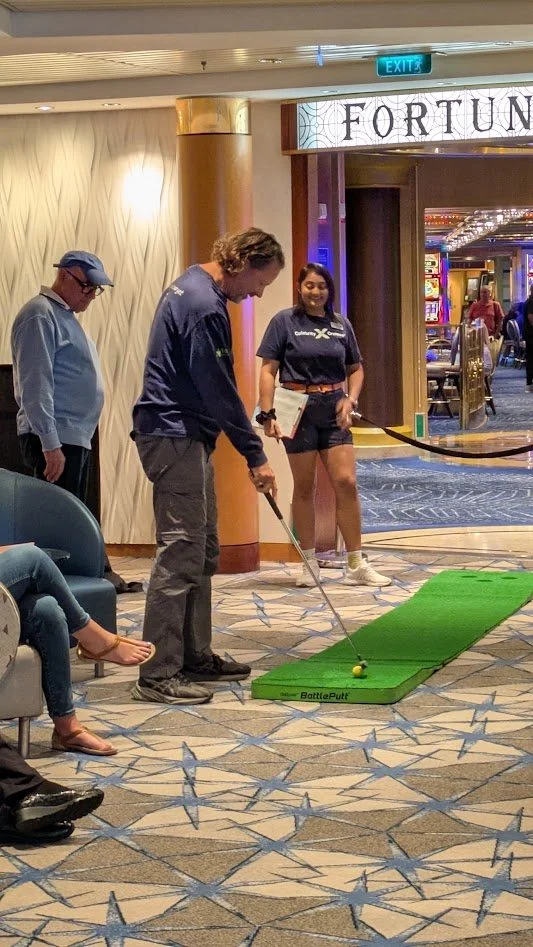
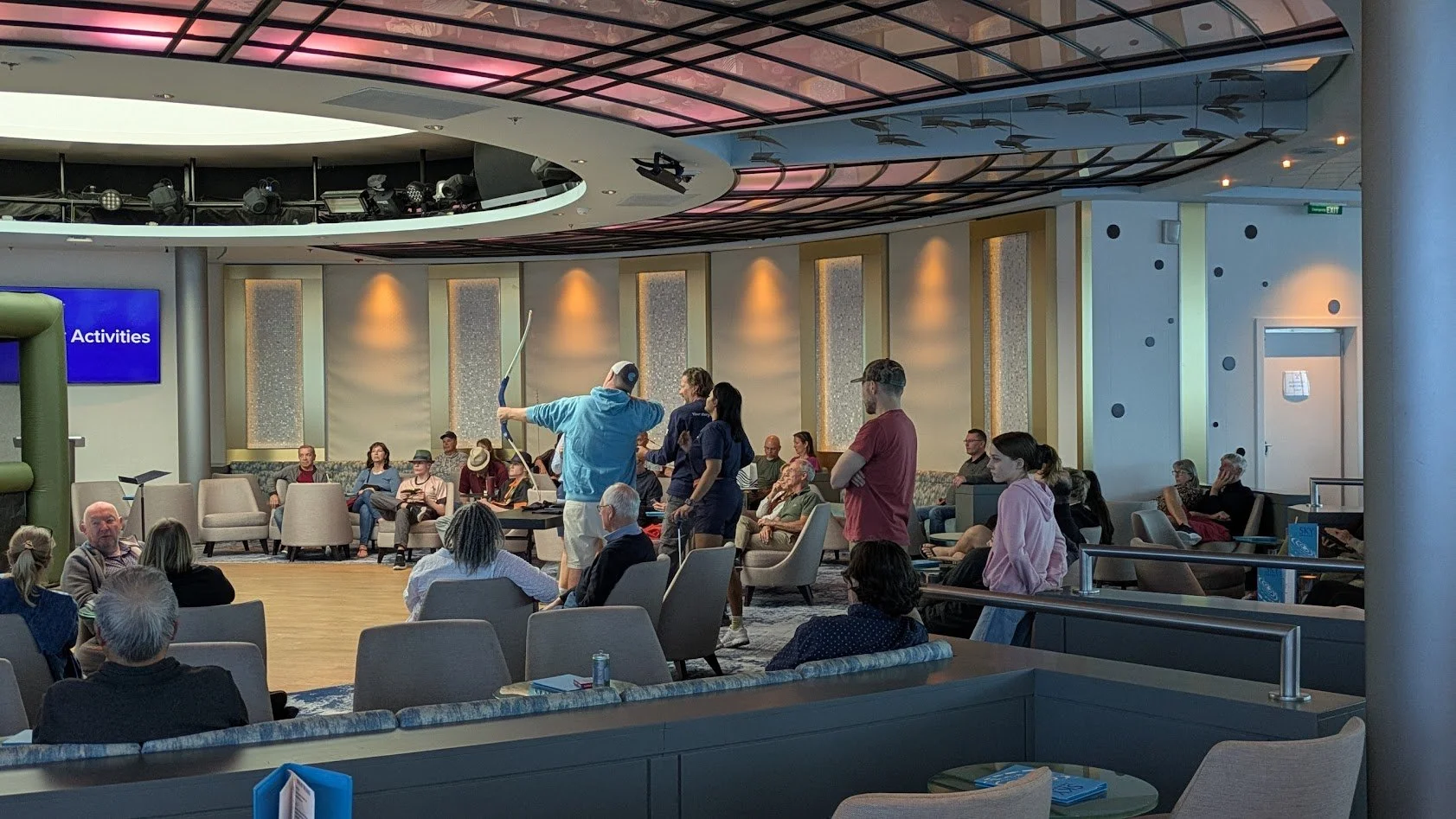
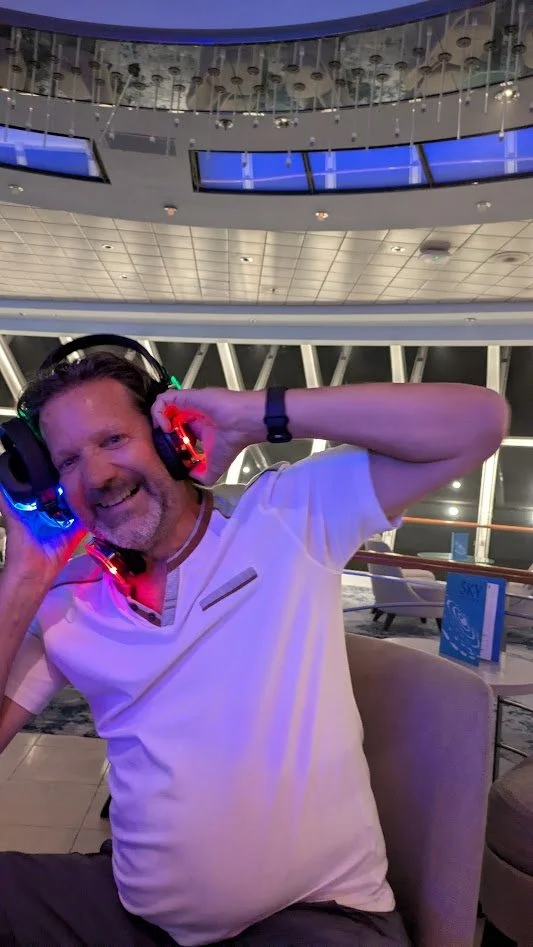
We went on an 11 night Celebrity cruise that departed from Athens. The cruise itself was ok. There were things we really liked and, as with all cruises, things we didn’t like. Overall though, in our unanimous opinion, Celebrity is MUCH better than Carnival. We did plenty of the cheesy on board activities to kill time on the sea days and worked hard to make the most of our drink package! Due to weather, we missed a port (Cyprus) and were stuck with an extra sea day which we weren’t too happy about!
All in all, I personally loved it because I got lots of quality time with Colleen!
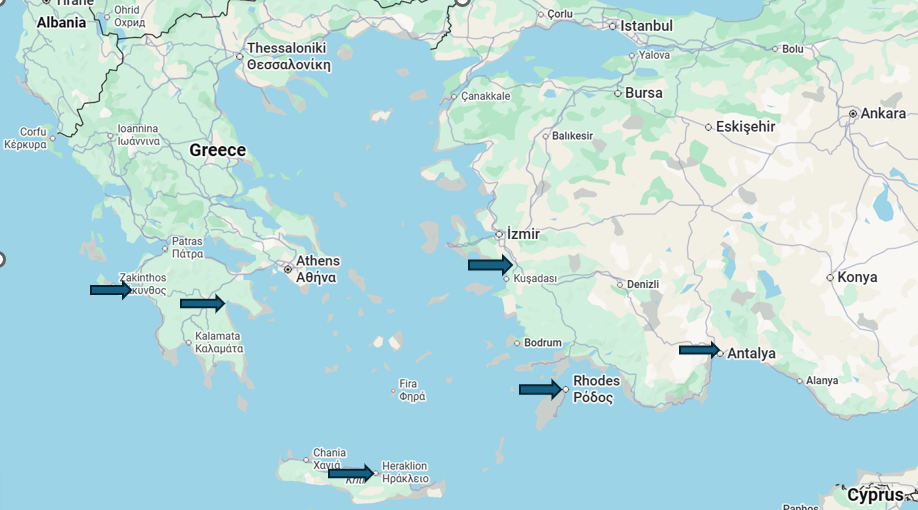
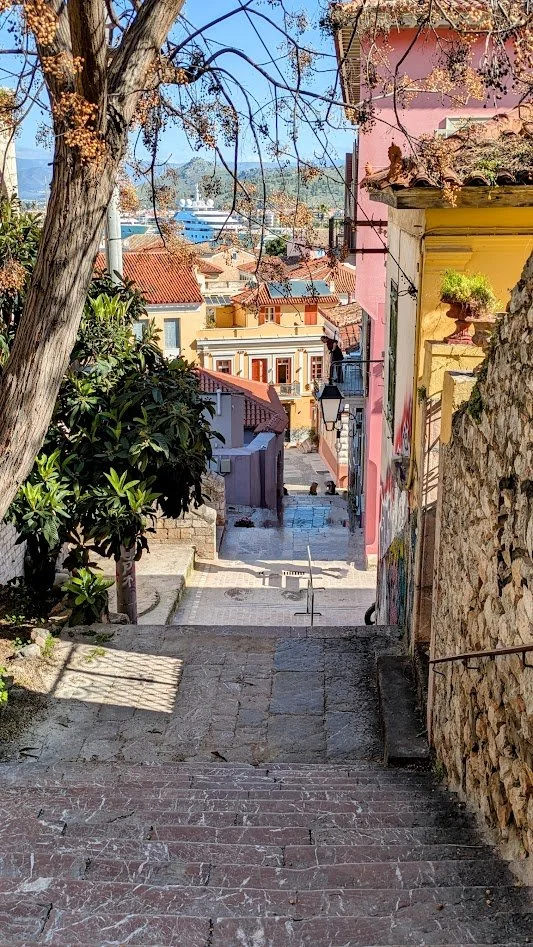
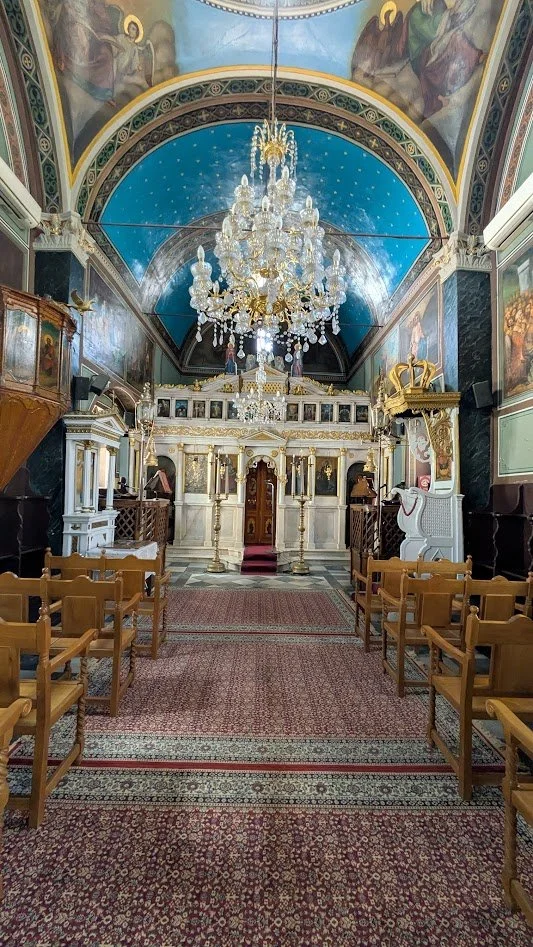
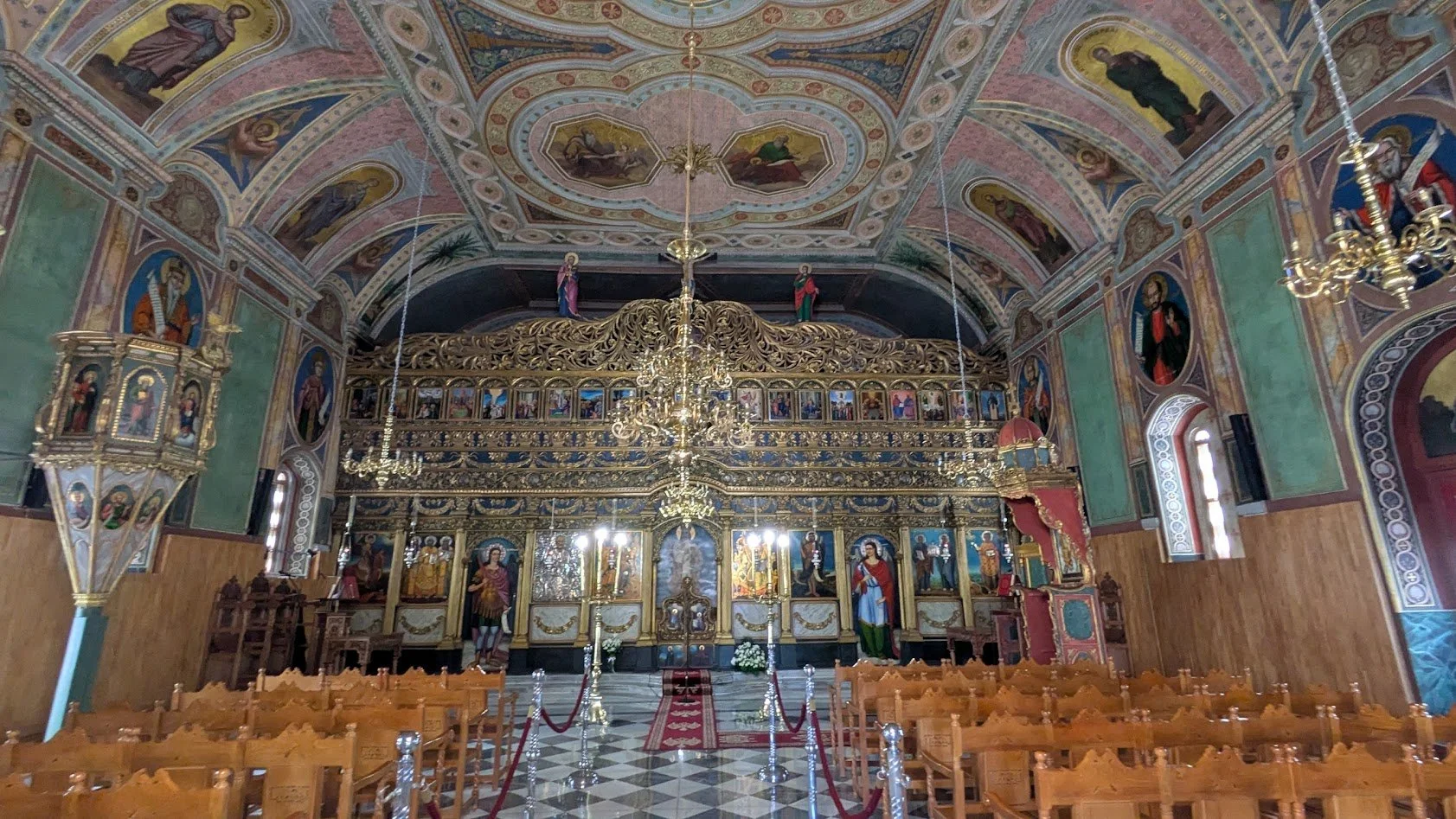
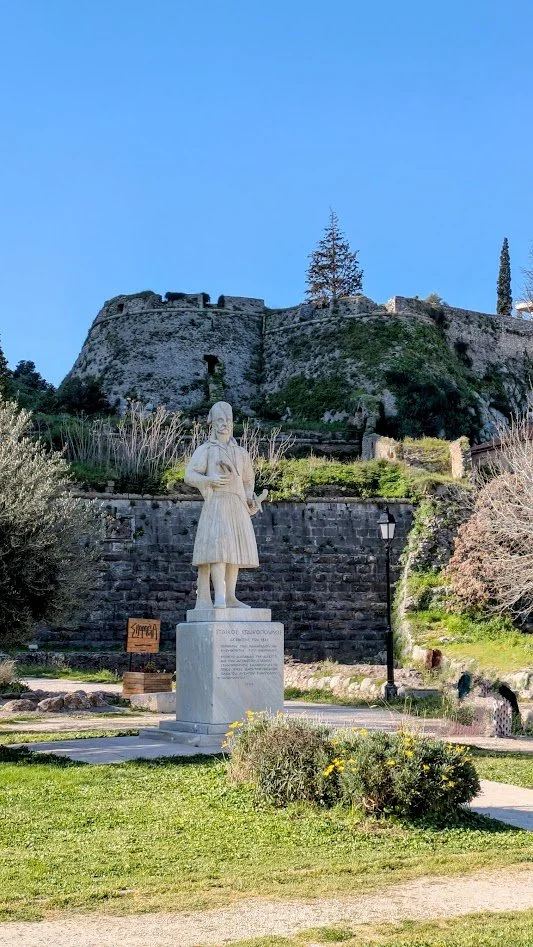
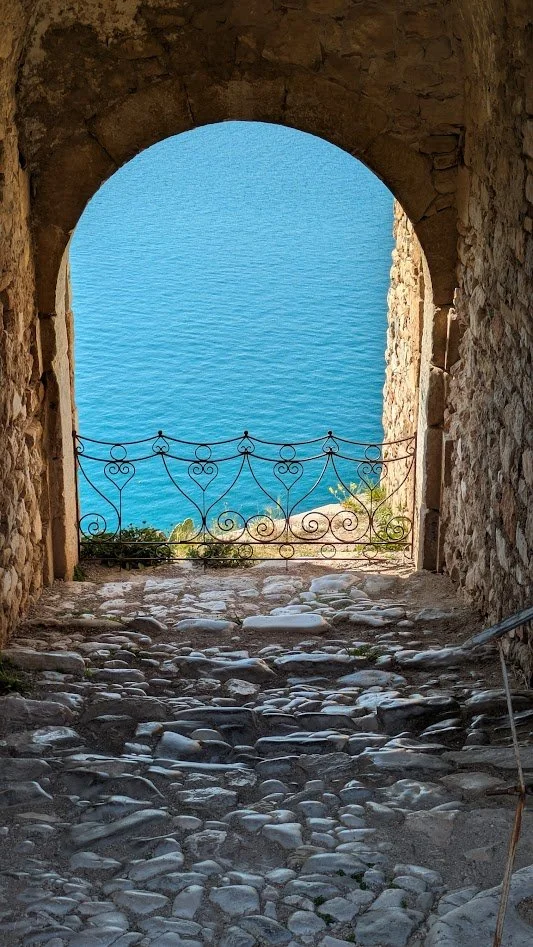
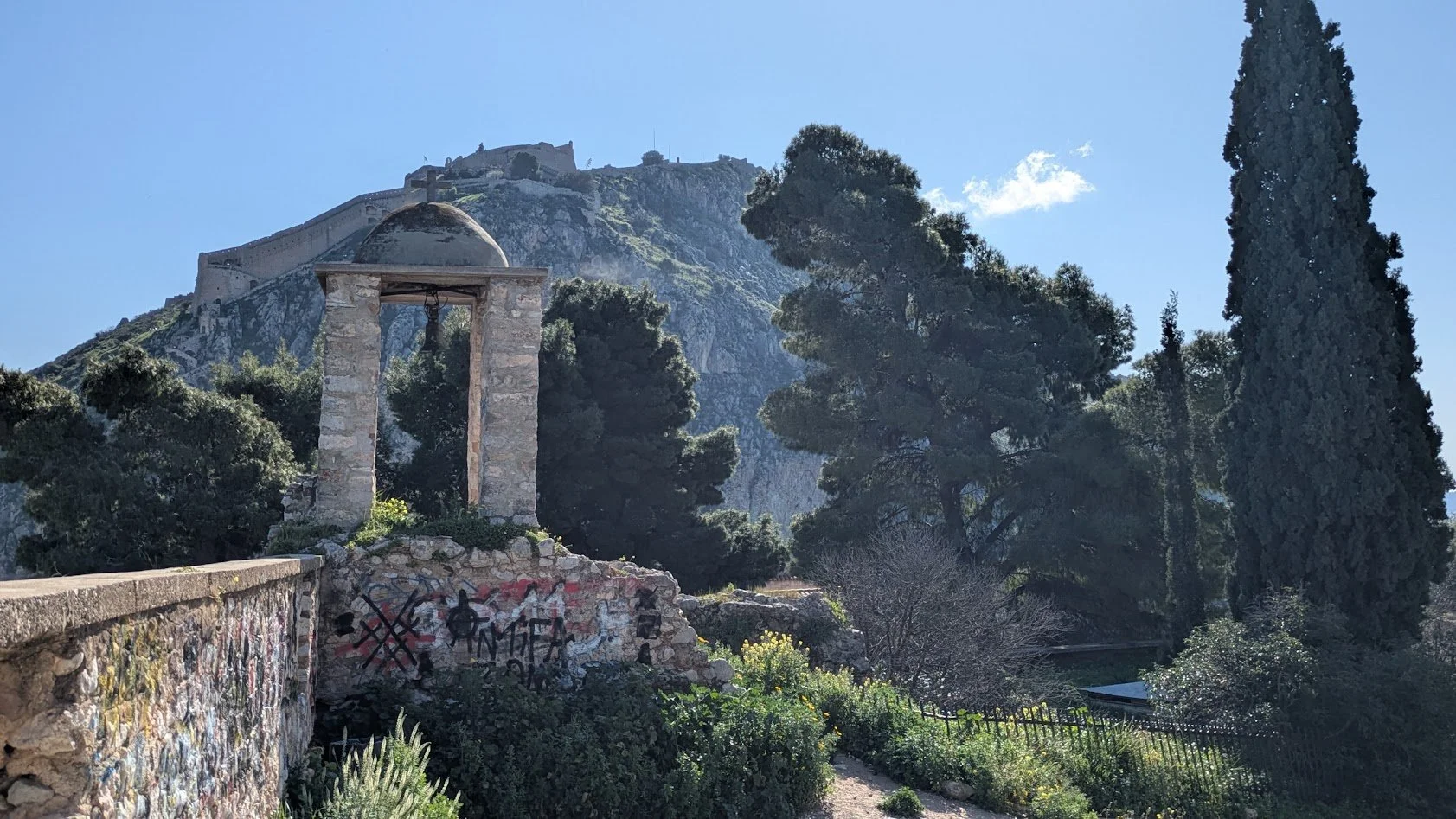
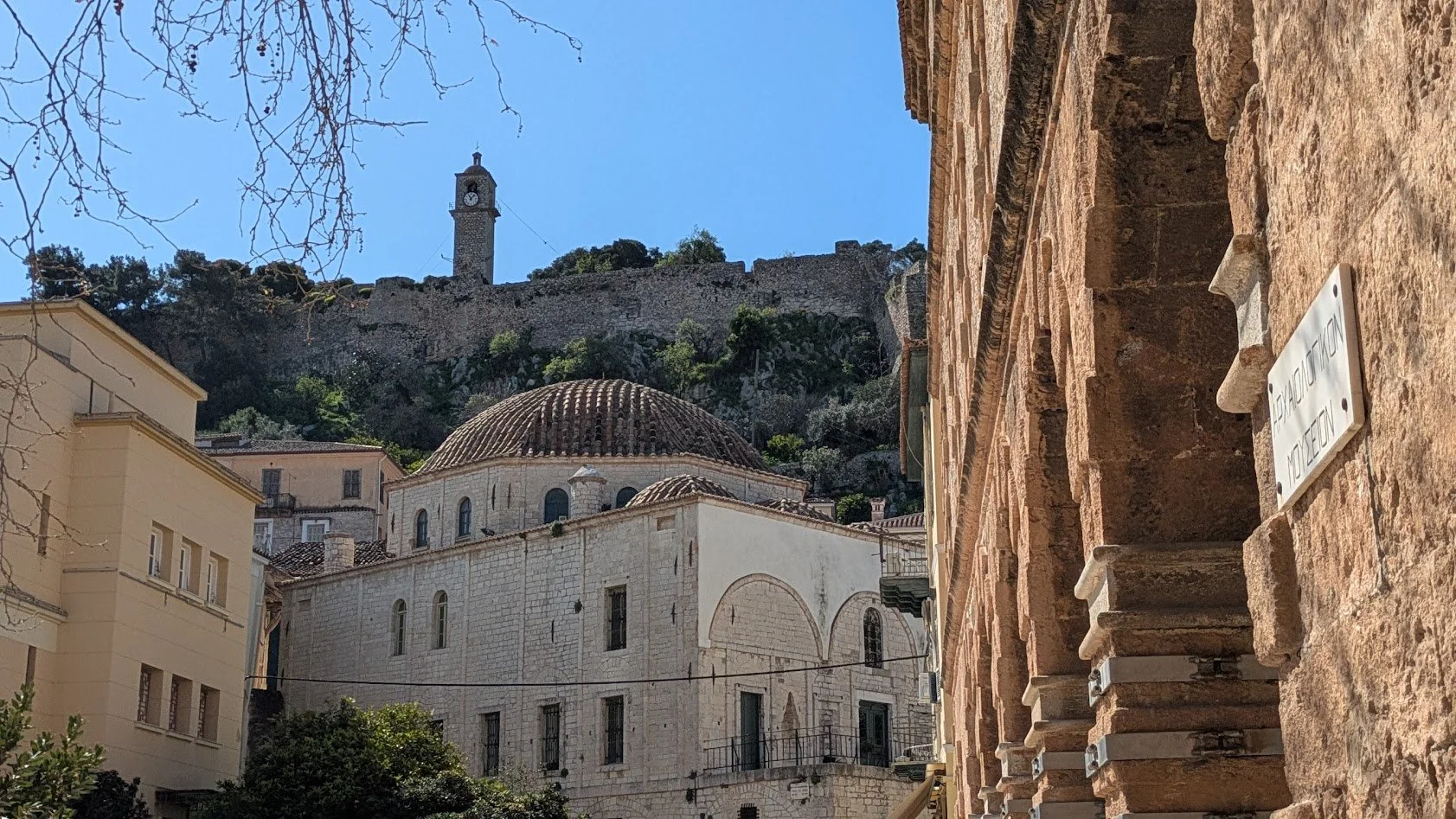
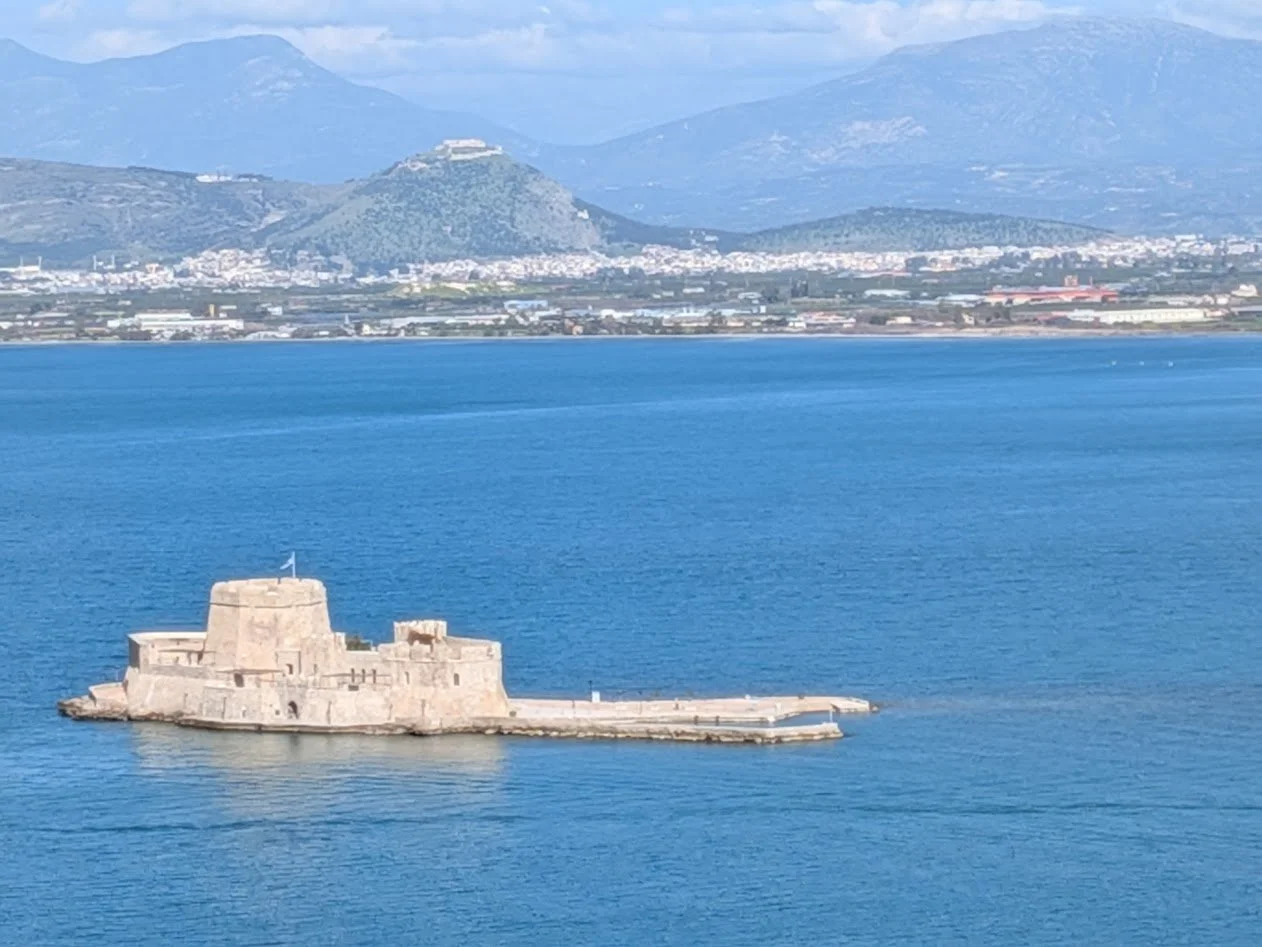
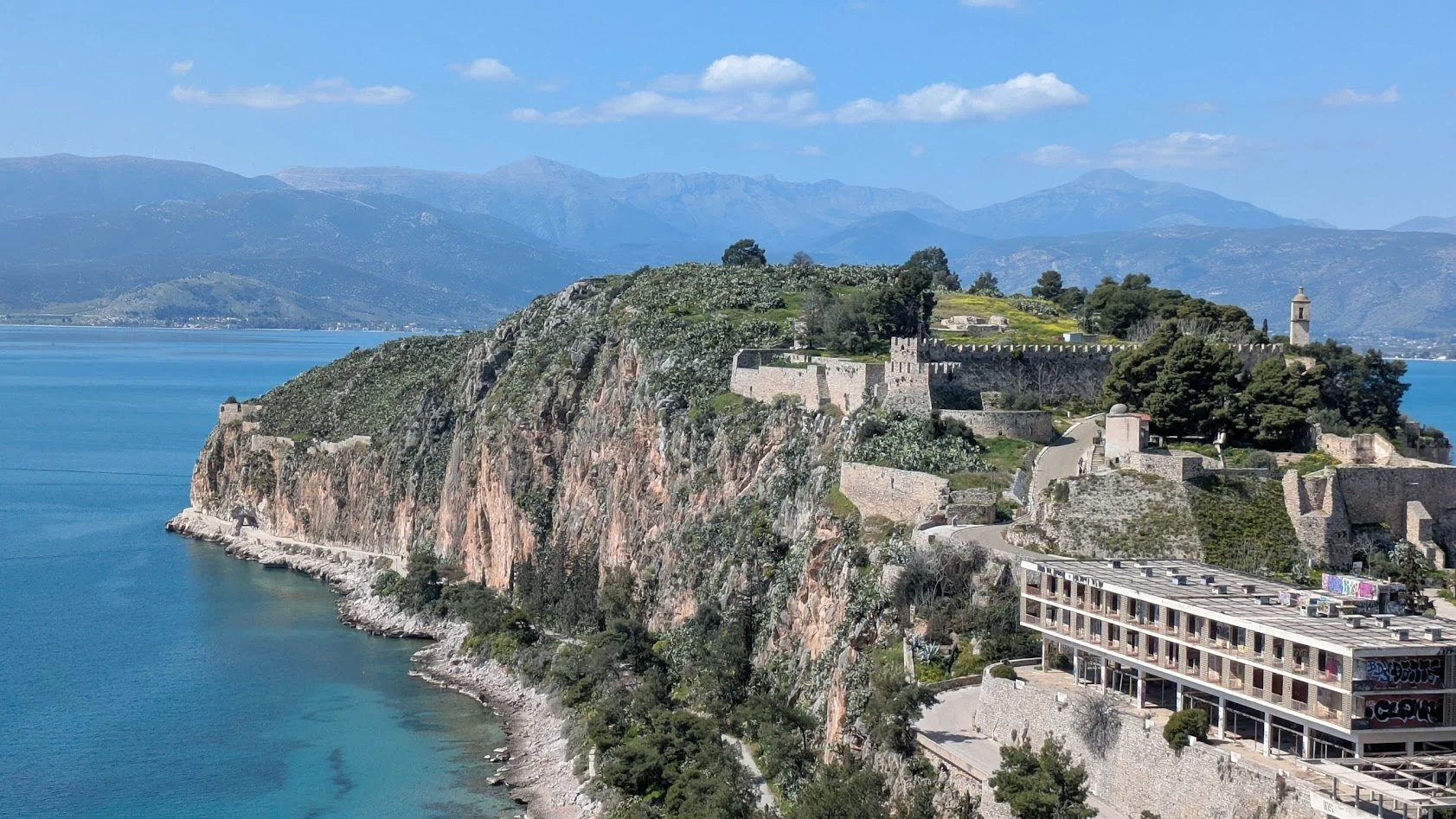
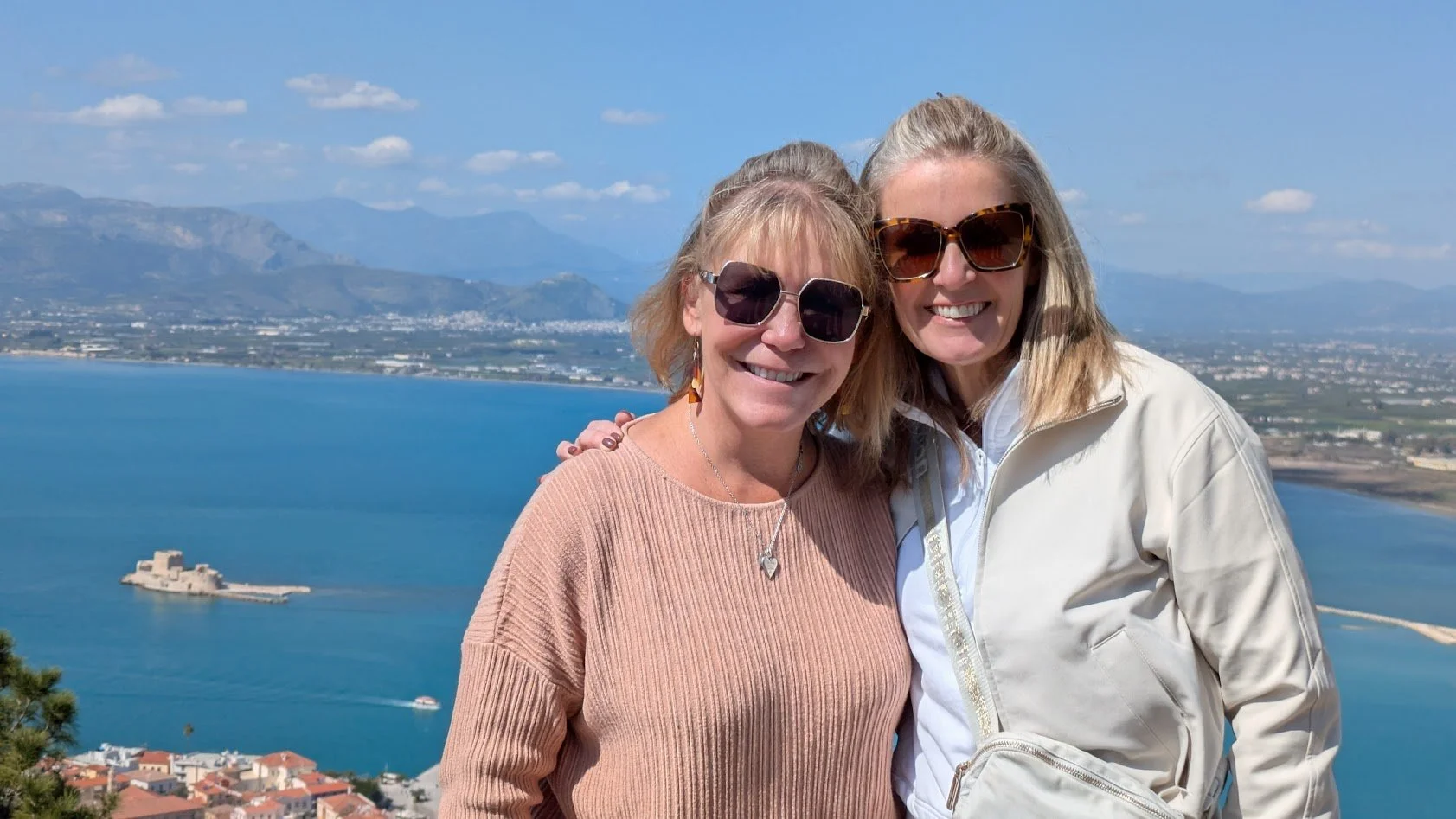
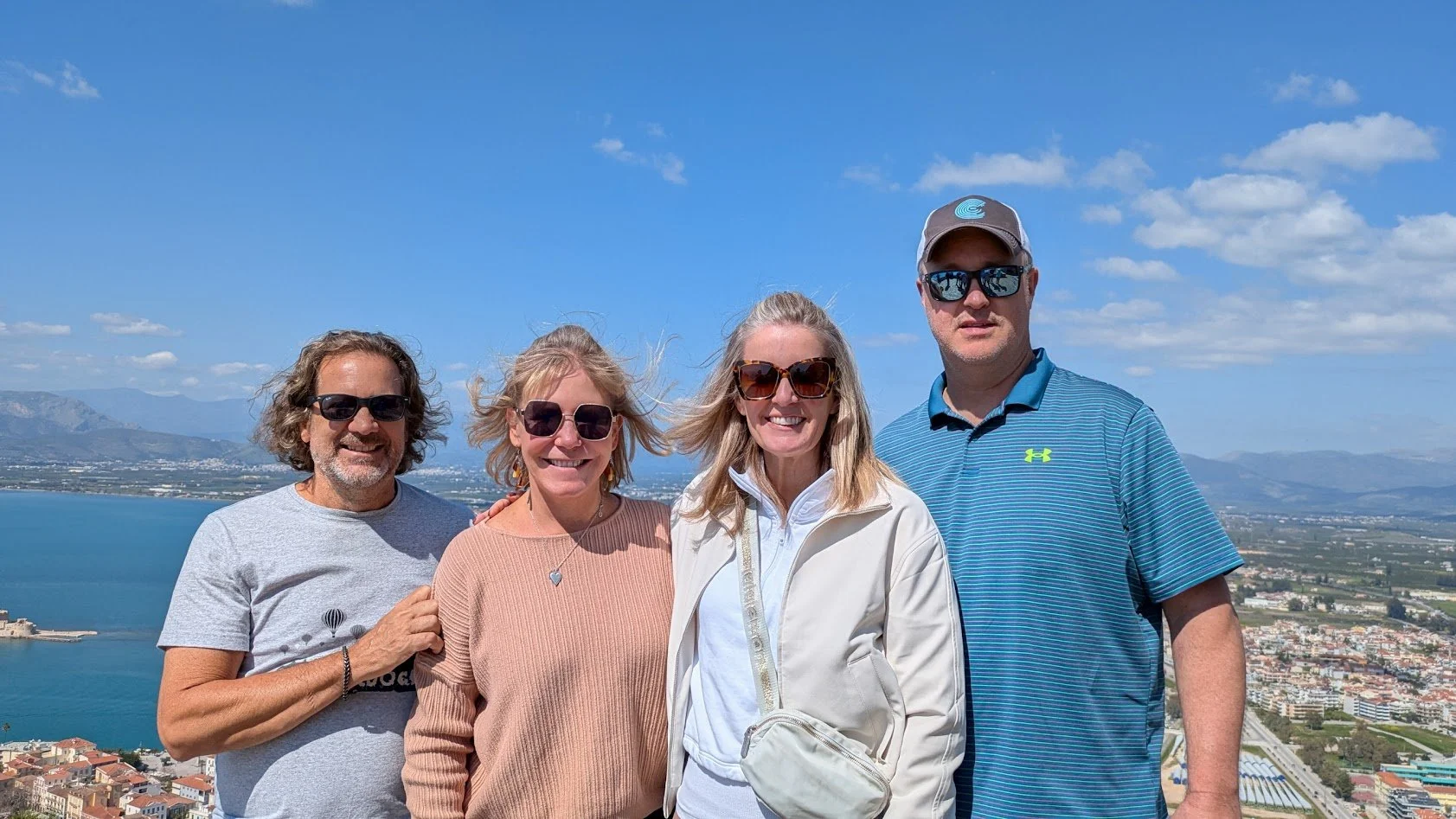
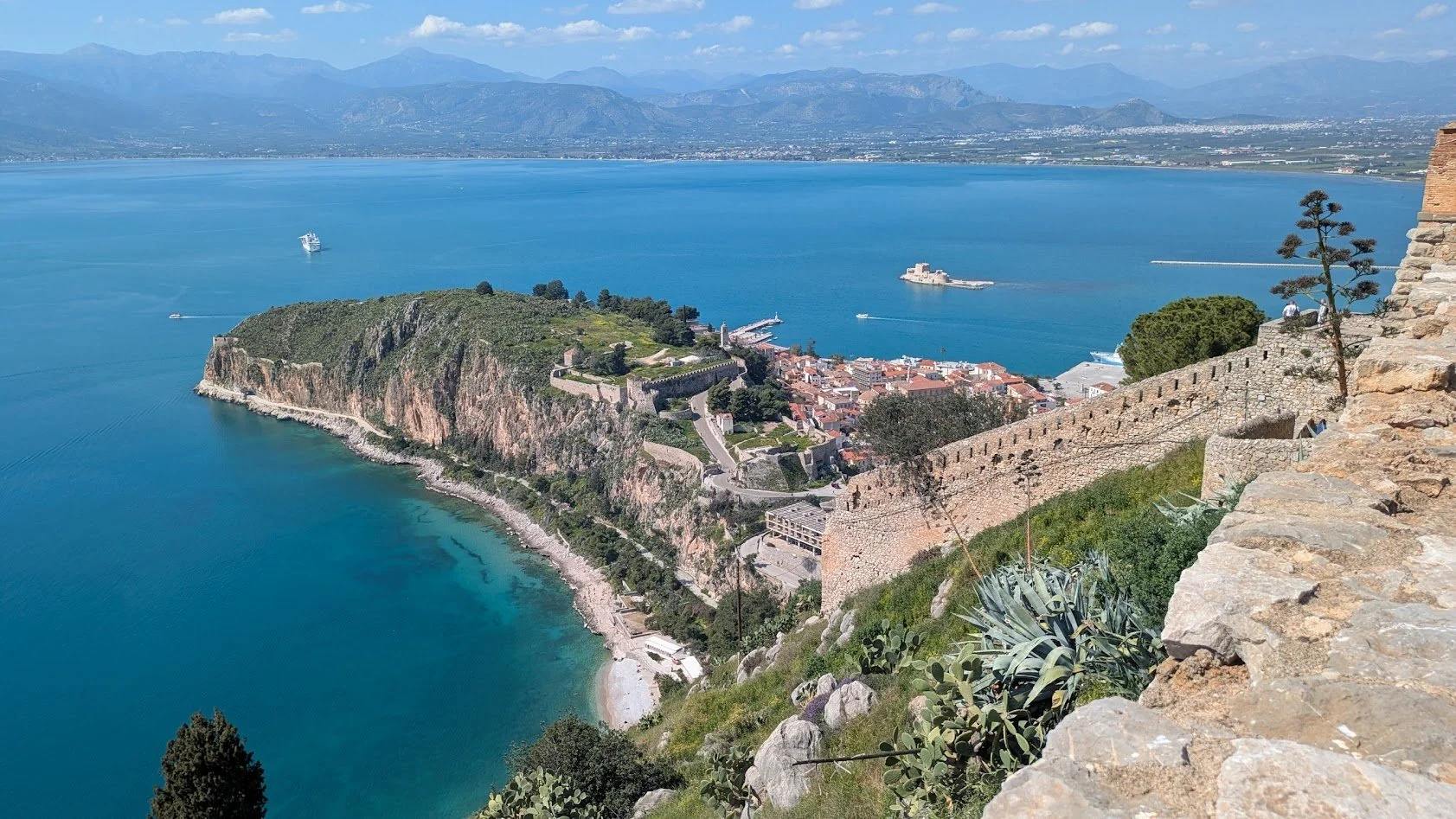
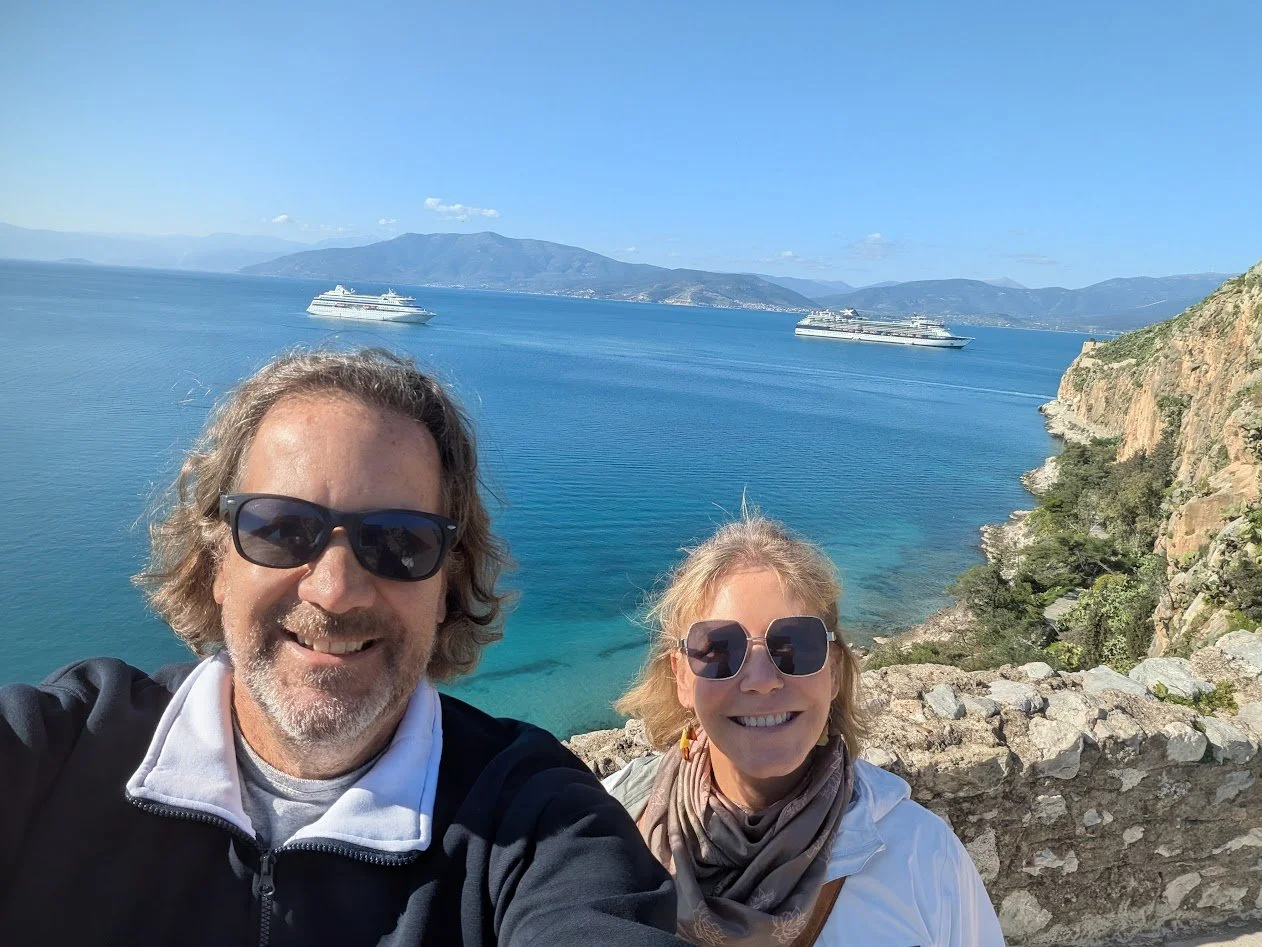
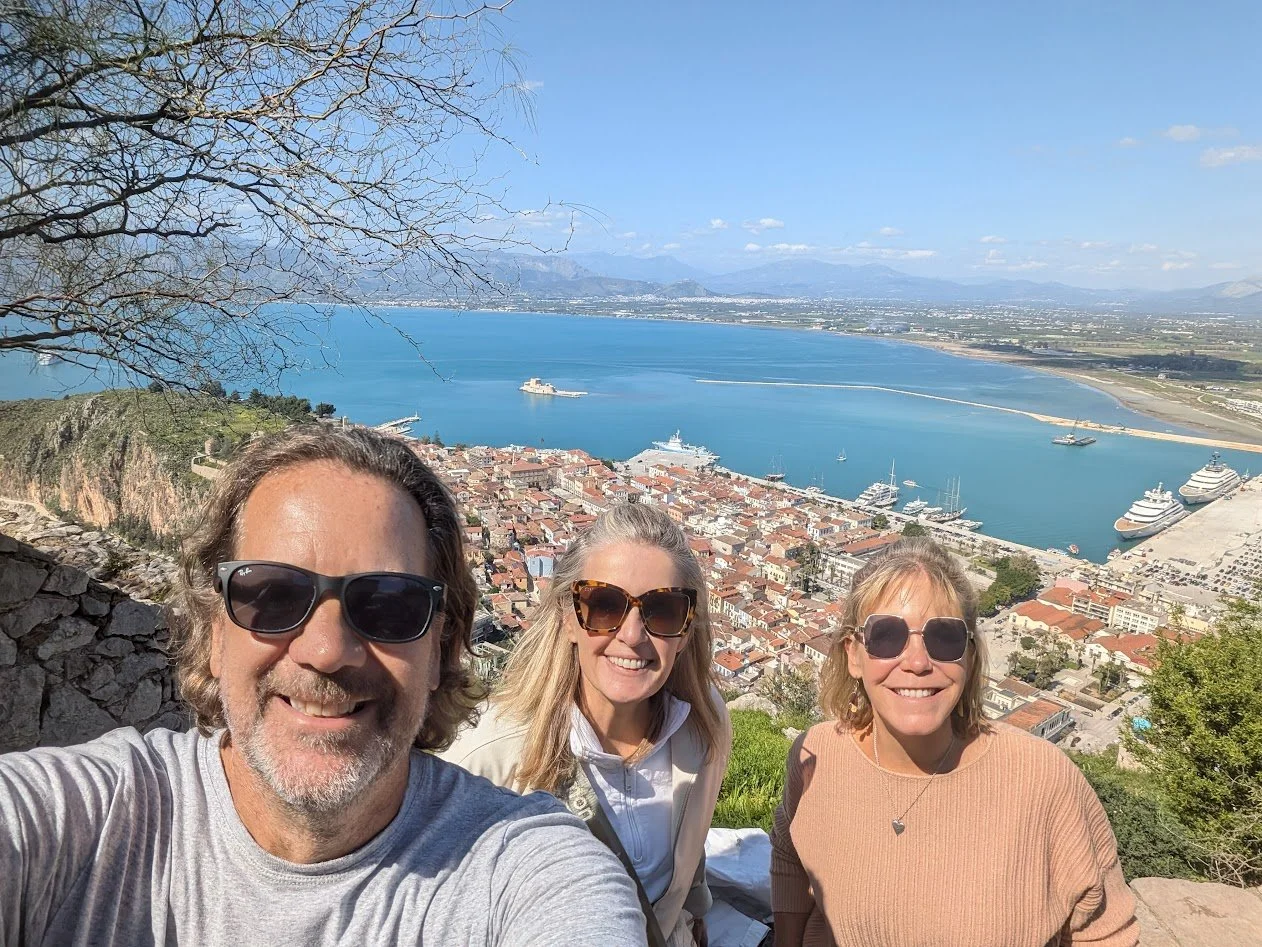
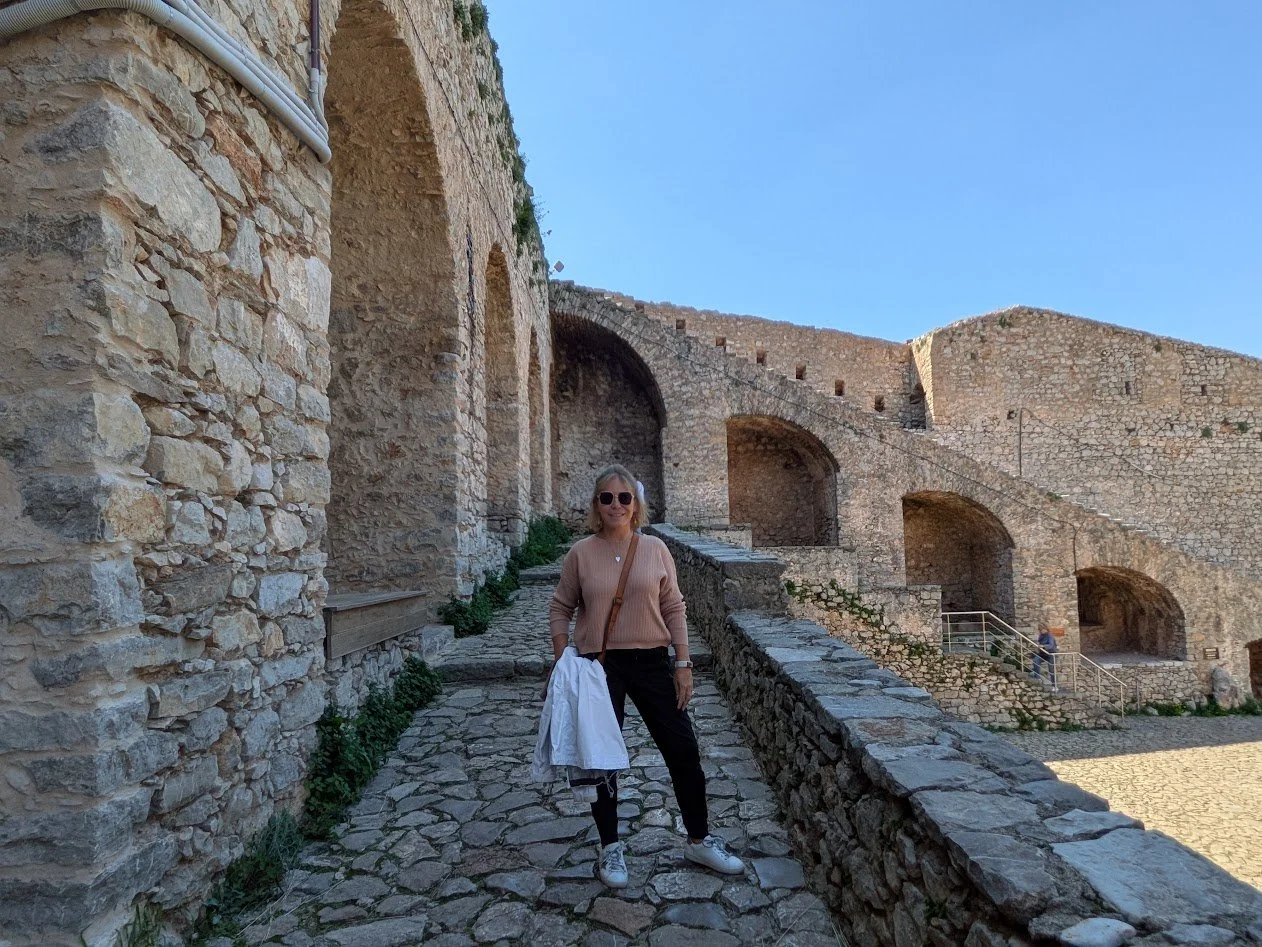
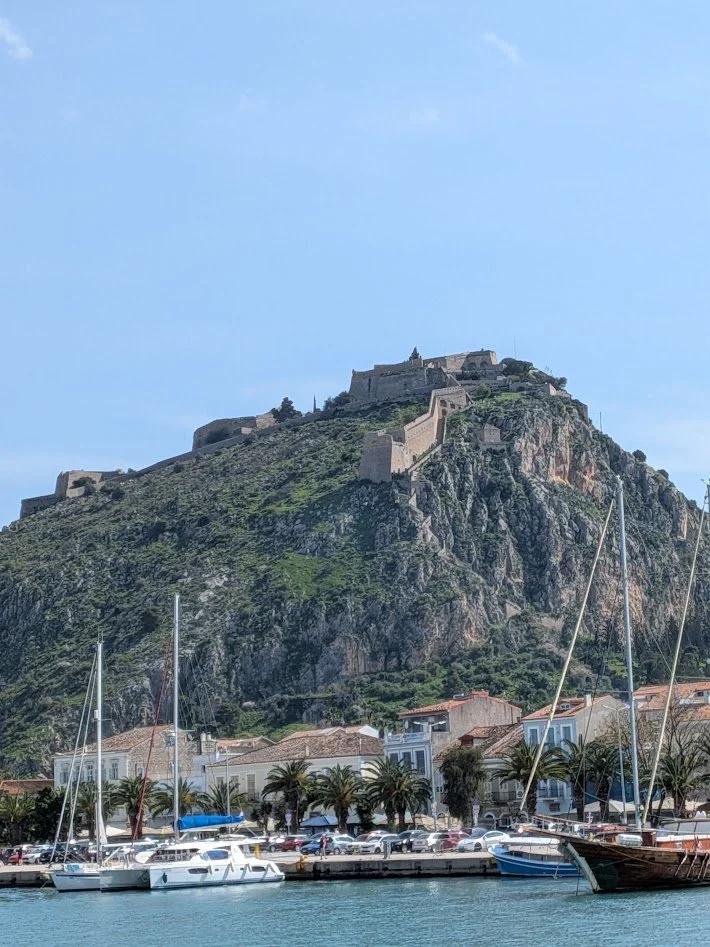
Our first port was on mainland Greece to the small town of Nafplio, which was the first capital of modern Greece (1829–1834). We did a walking tour and saw the Old Town, walked up to the Acronauplia fortress and saw the Bourtzi Castle - from a distance as it is on a small island in the middle of the harbor, reachable only by boat.
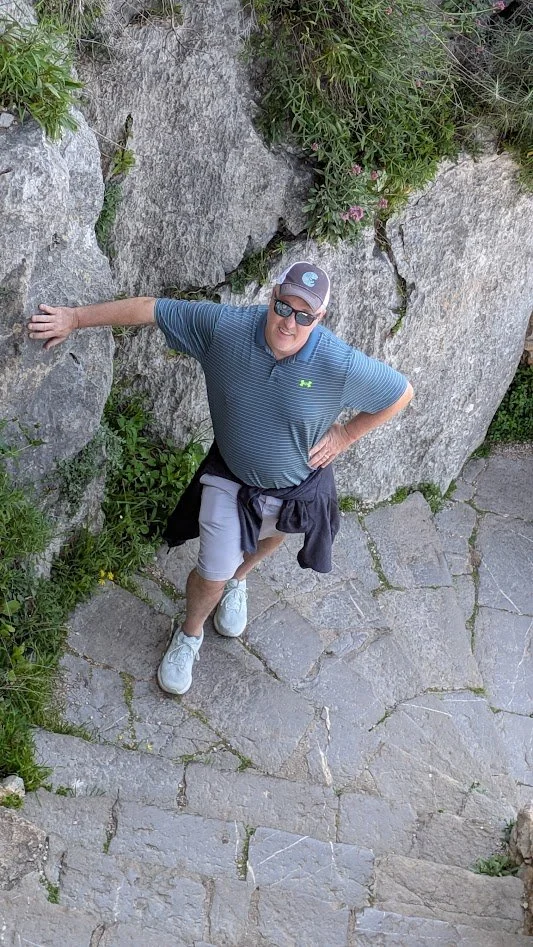
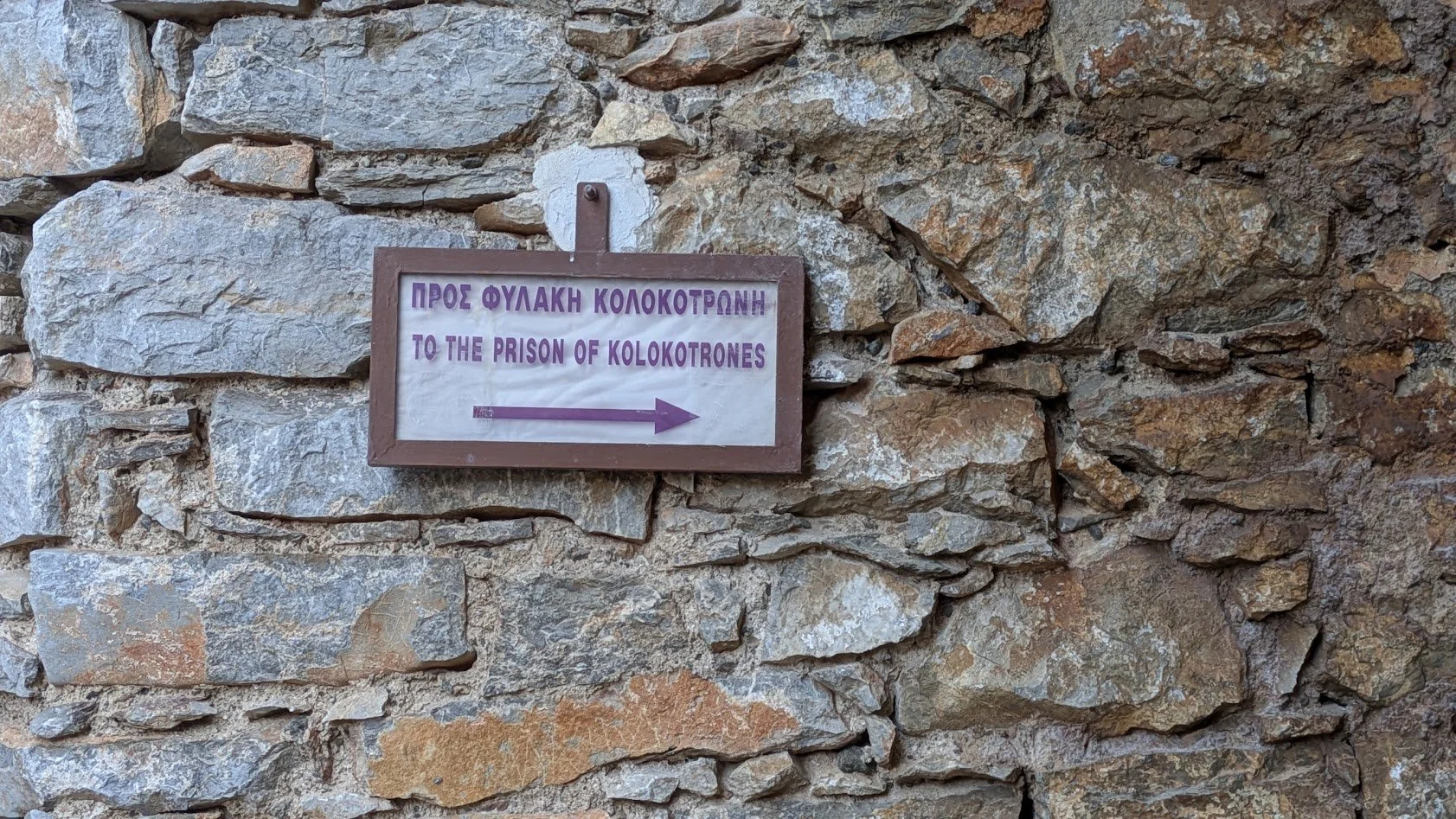
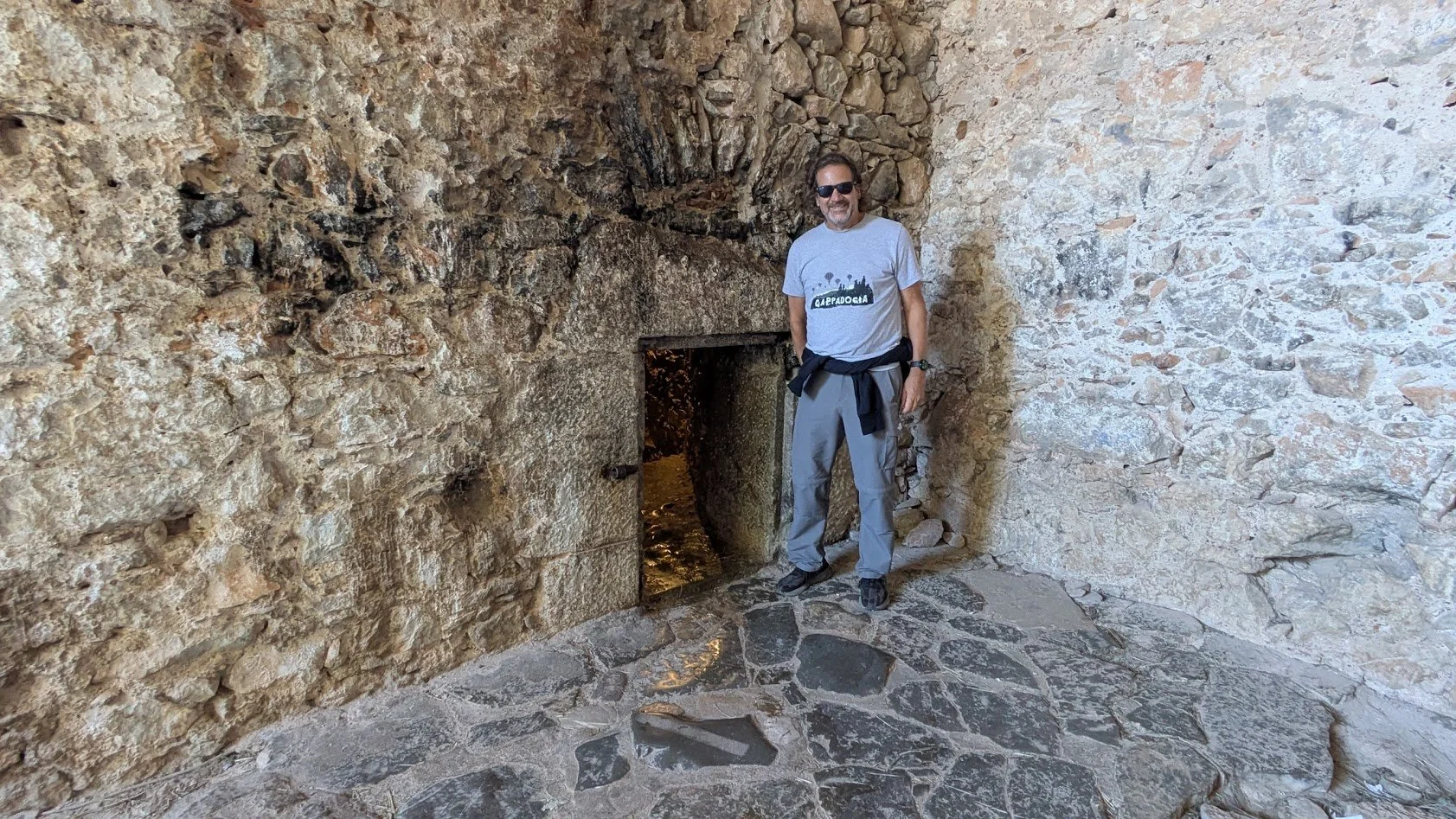
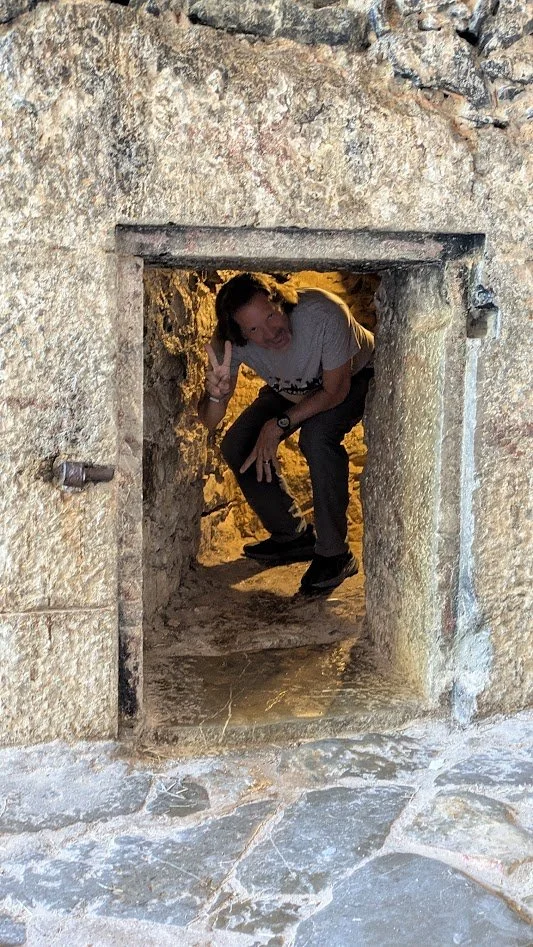
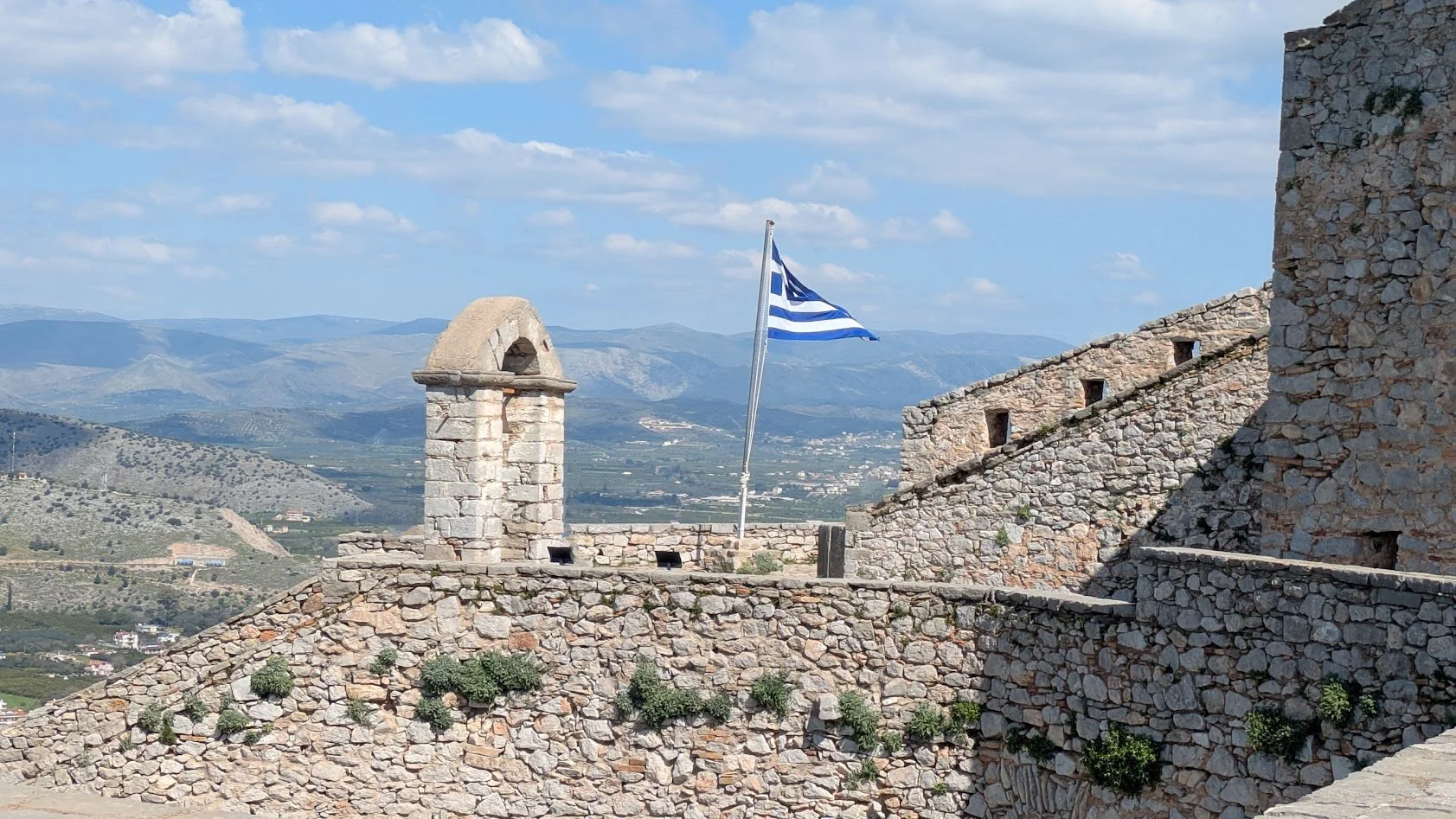
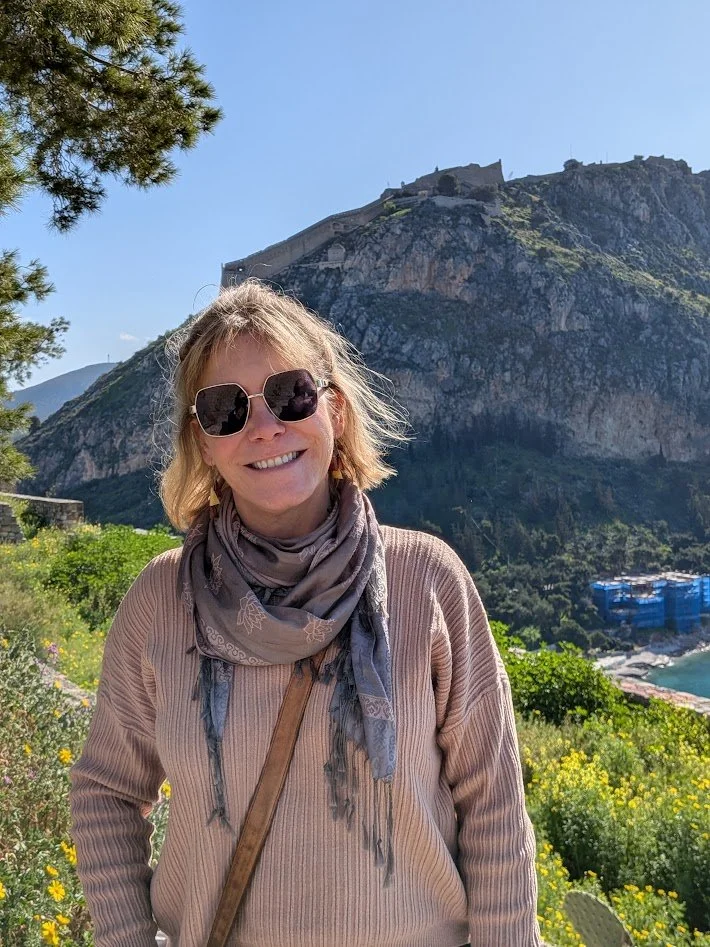
After the walking tour, we walked roughly 1000 steps up to the Palamidi Castle, which was so cool and had the most amazing views! The Palamidi Castle is a Venetian fortress located 216 meters above Nafplio, Greece, built between 1711 and 1714 by the Venetians. From 1840 to the 1920s, it was used as a prison and famously housed Theodoros Kolokotronis, a hero of the Greek Revolution, for a time. Subsequent leaders decided it was a bad look to put a war hero in prison, so he was released.
Nafplio was a really cute town… I would recommend a visit if you are ever in that part of Greece.
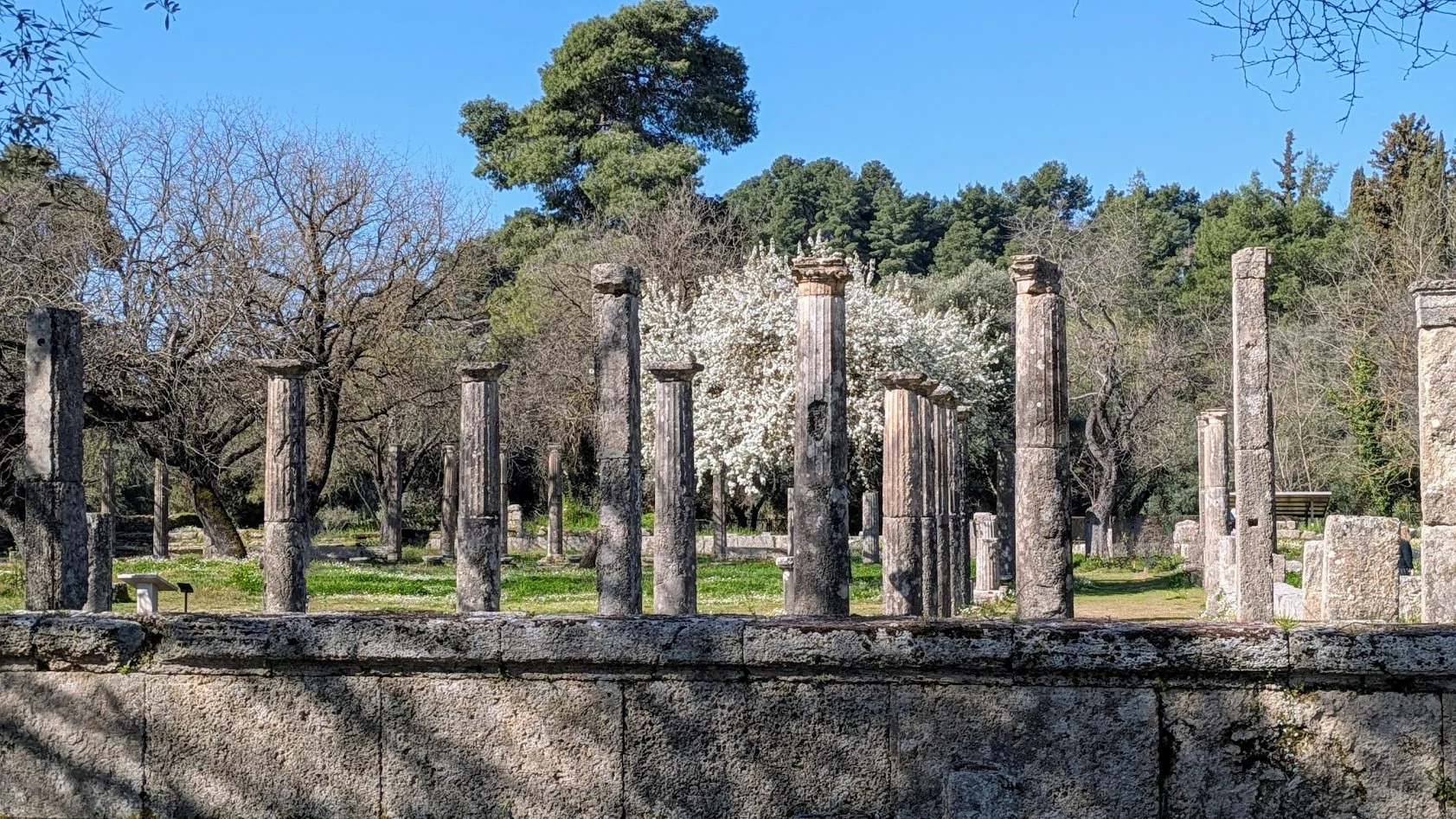
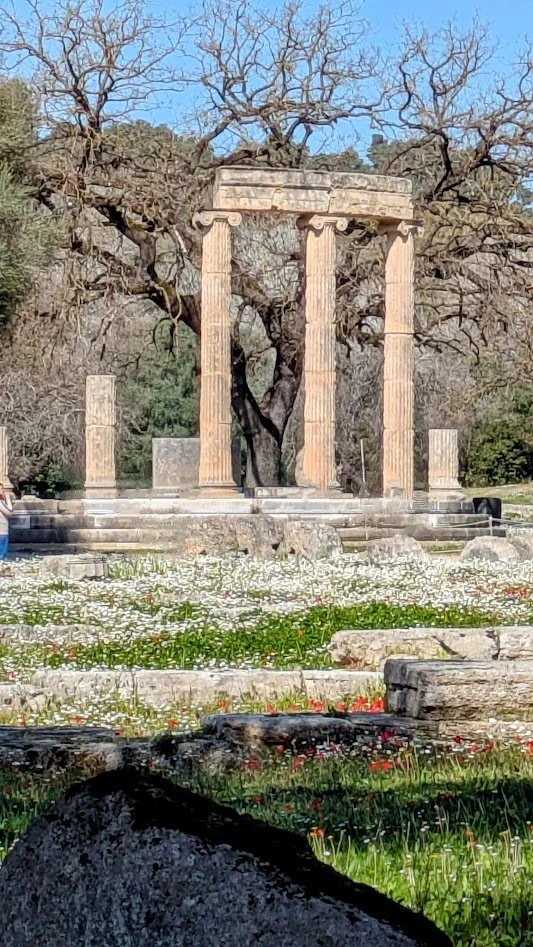
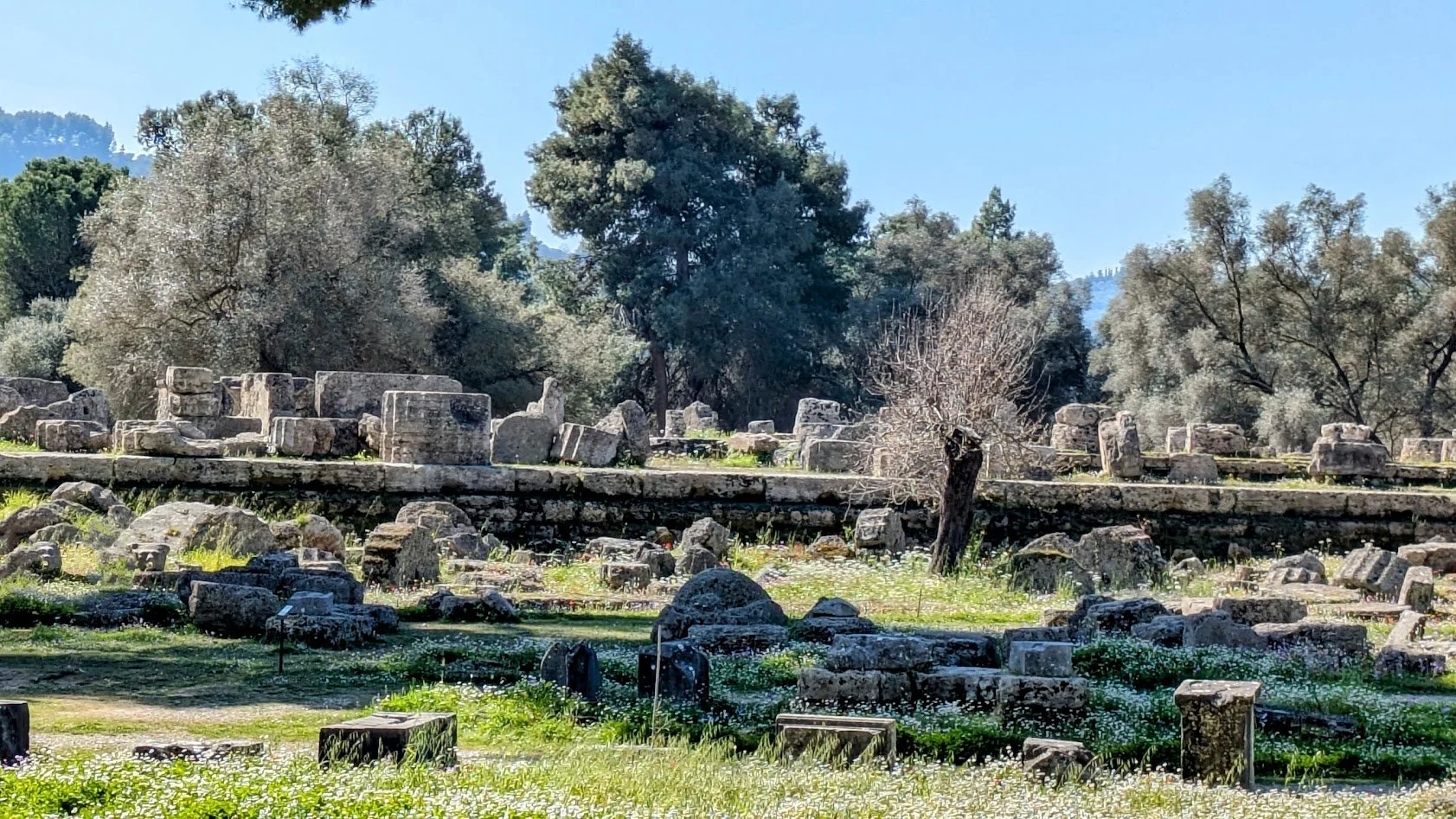
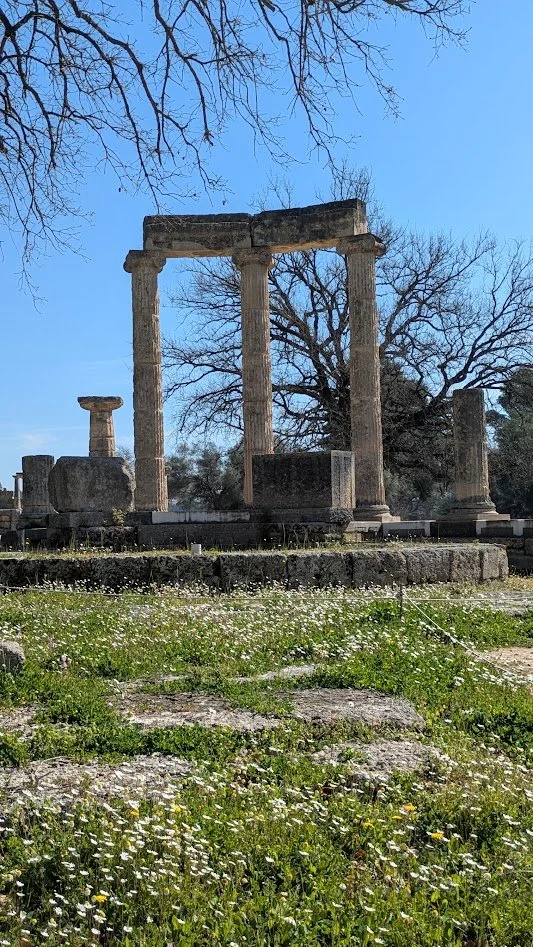
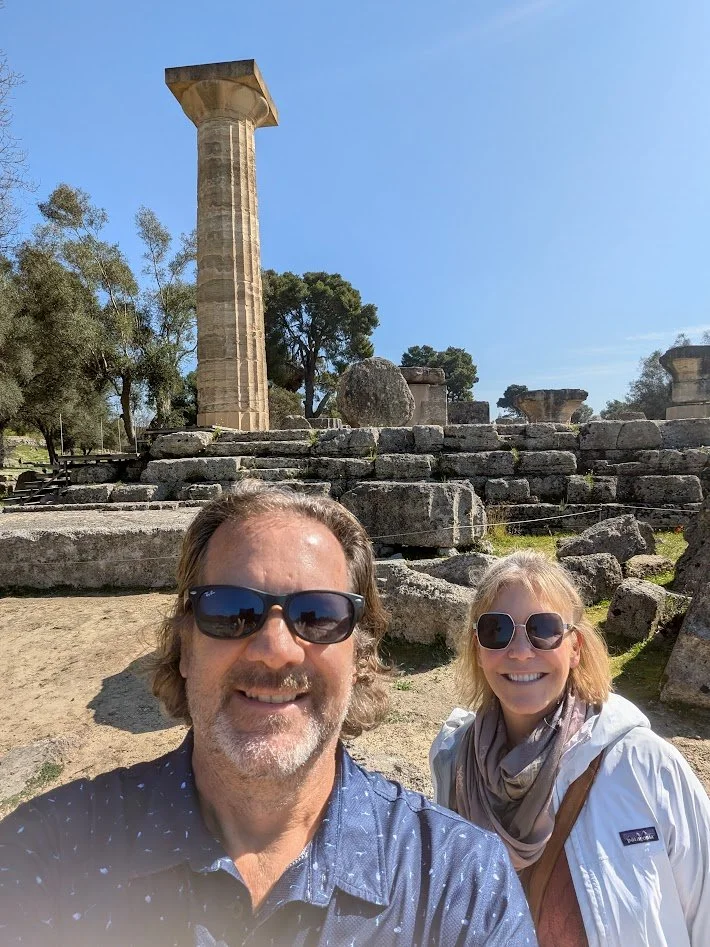
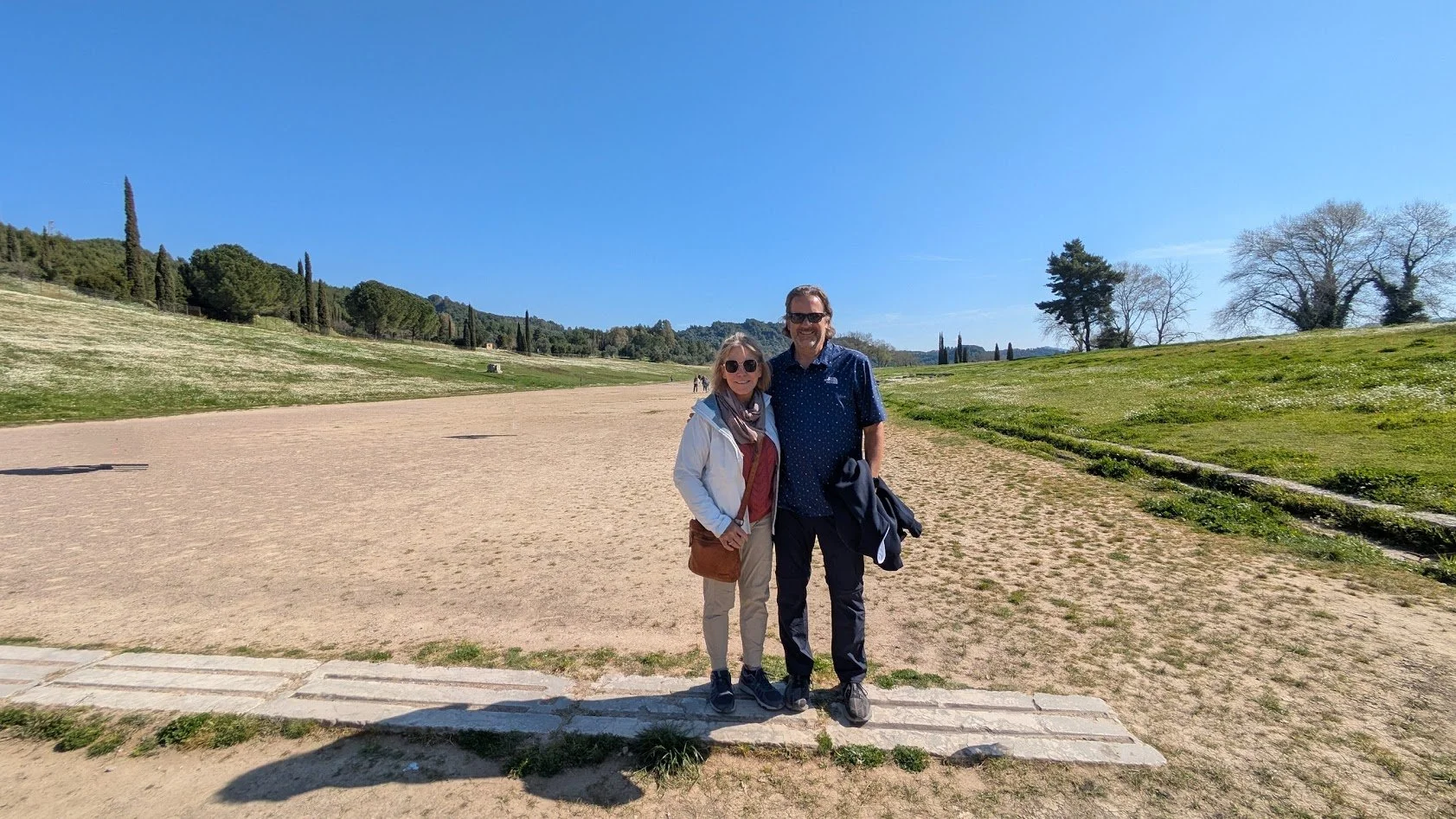
Our next stop was Olympia, the birthplace of the ancient Olympic Games, held every four years from 776 BC to 393 AD to honor Zeus. It was a major religious, athletic, and political event, hosting over 70 altars, the iconic Temple of Zeus, and a 50,000-seat stadium. Temple of Hera is here which is one of the oldest temples in Greece, dating to around 600 BC.
Only free, Greek-speaking men were permitted to participate in the Olympic games as the events were intended to prepare them for battle. The men participated naked to promote physical beauty and remove social ranking. Winners were awarded an olive wreath and athletes who cheated were fined heavily, and the money was used to build statues of Zeus, which featured the names of the cheaters as public humiliation.
The games ended in 393 AD by order of Roman Emperor Theodosius I, and subsequent natural disasters and earthquakes destroyed the site. It’s all just ruins and old stones now. The site was mostly temples and the actual location where the competitions were held was nothing more than a big field.
Inspired by ancient rituals, the modern torch-lighting ceremony is held in Olympia and was first introduced for the 1936 Berlin Olympics. The ceremony takes place at the ruins of the Temple of Hera where an actress playing a high priestess invokes the sun god Apollo to ignite the flame. It represents the link between the ancient games and modern competition. The flame is carried by the first torchbearer and begins a relay, ultimately concluding with the lighting of the cauldron at the host city's opening ceremony.
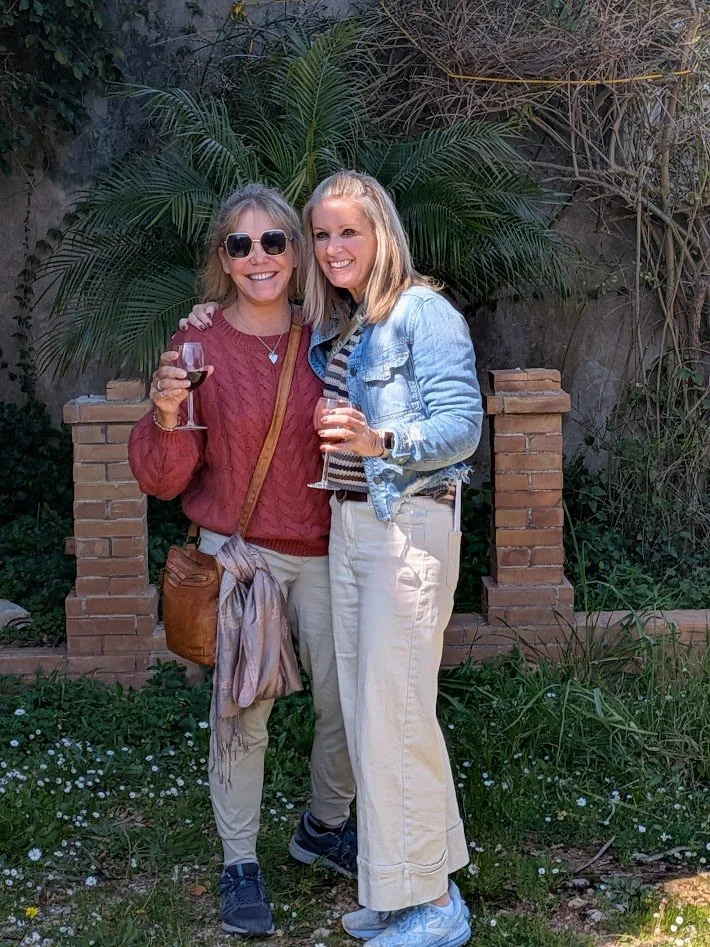
After Olympia, we went to a couple wineries.
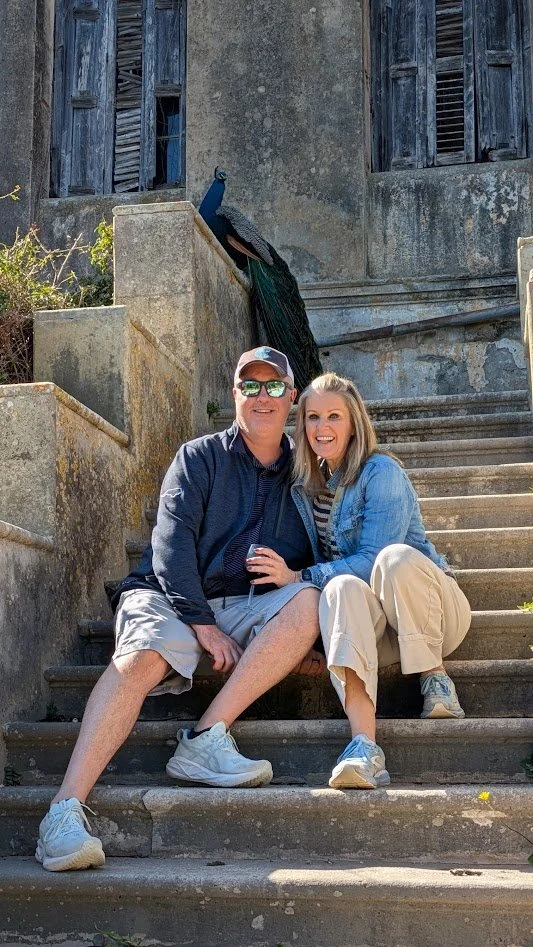
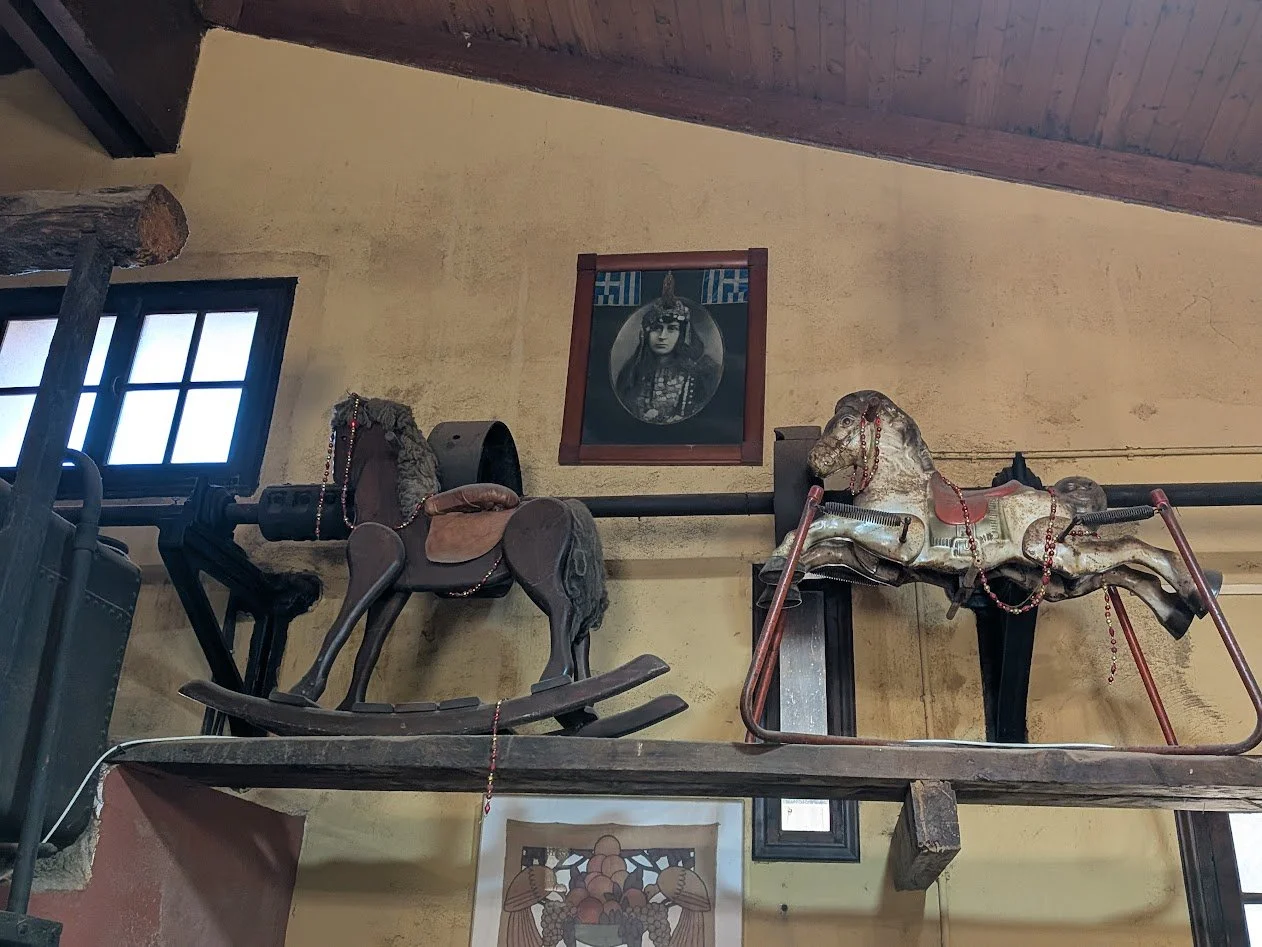
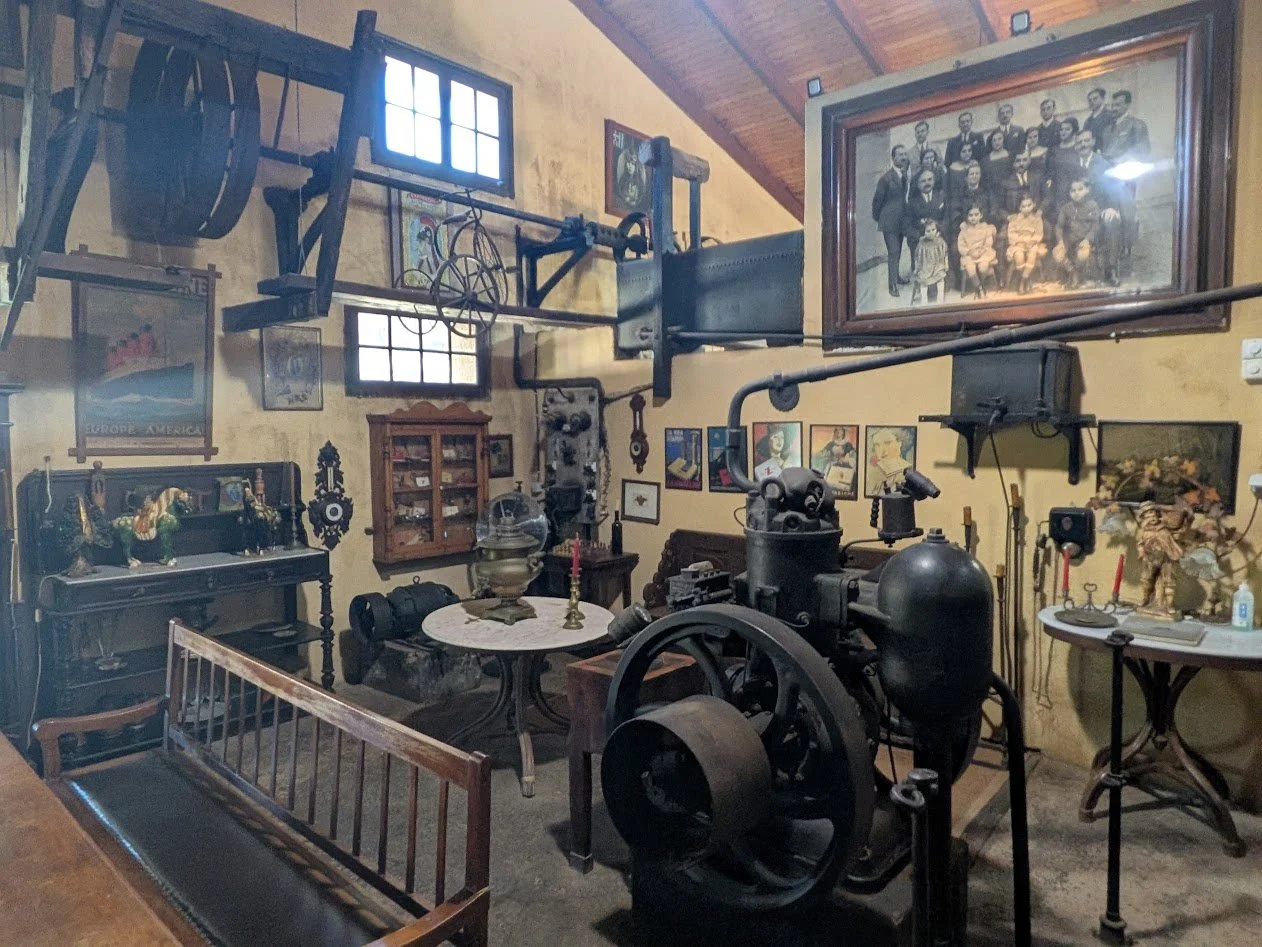
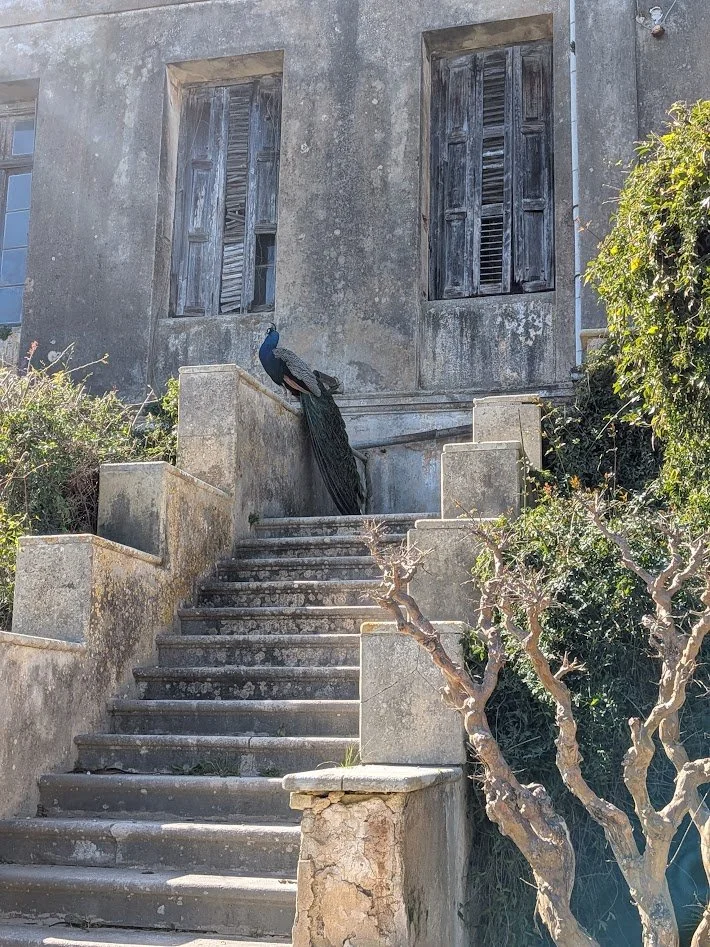
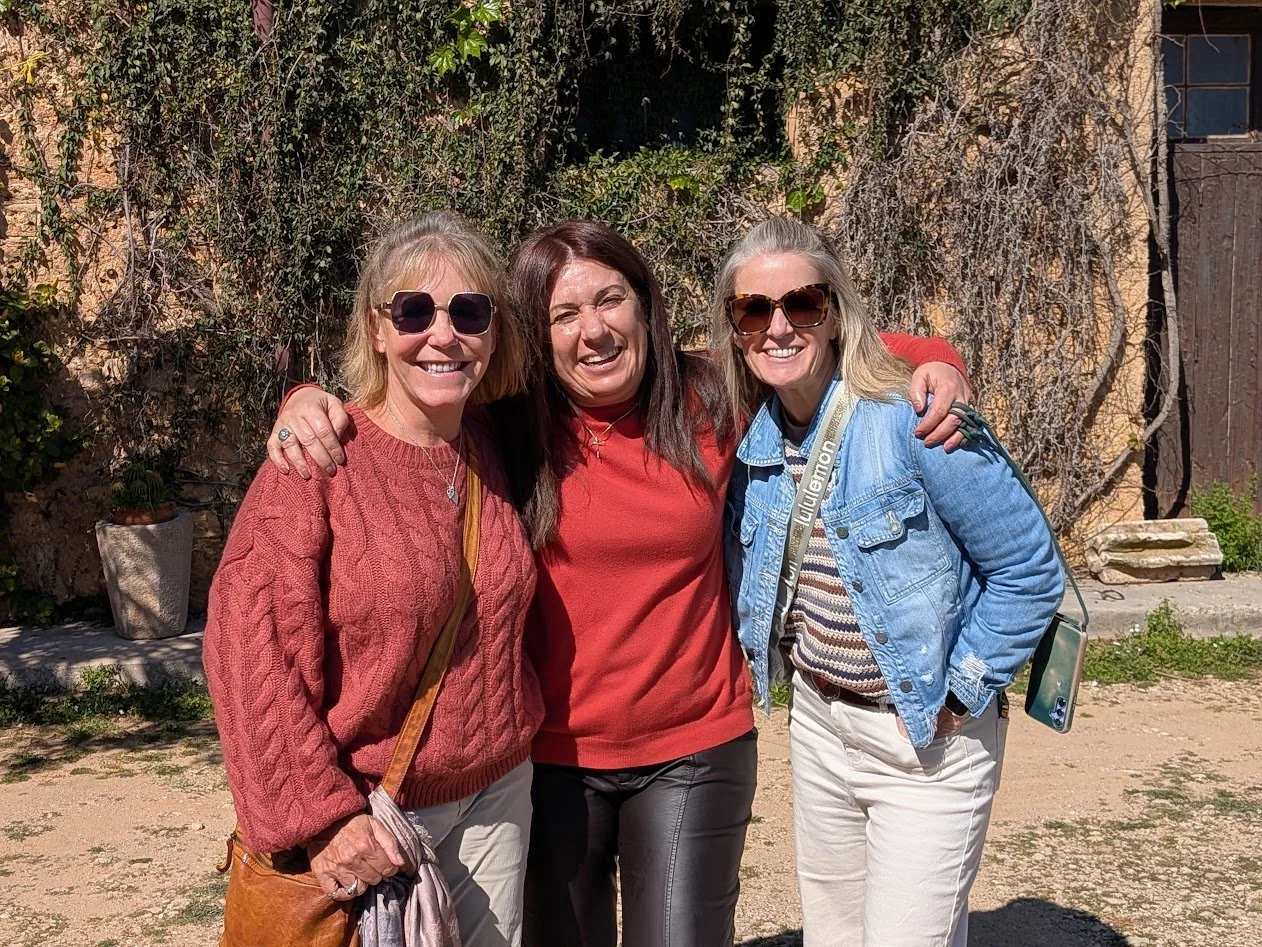
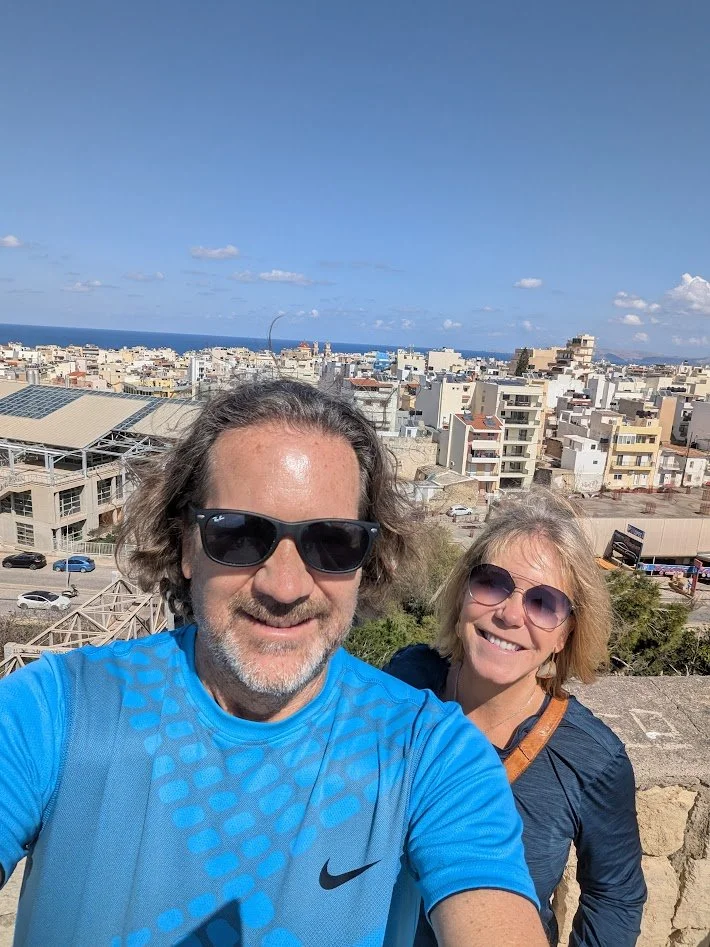
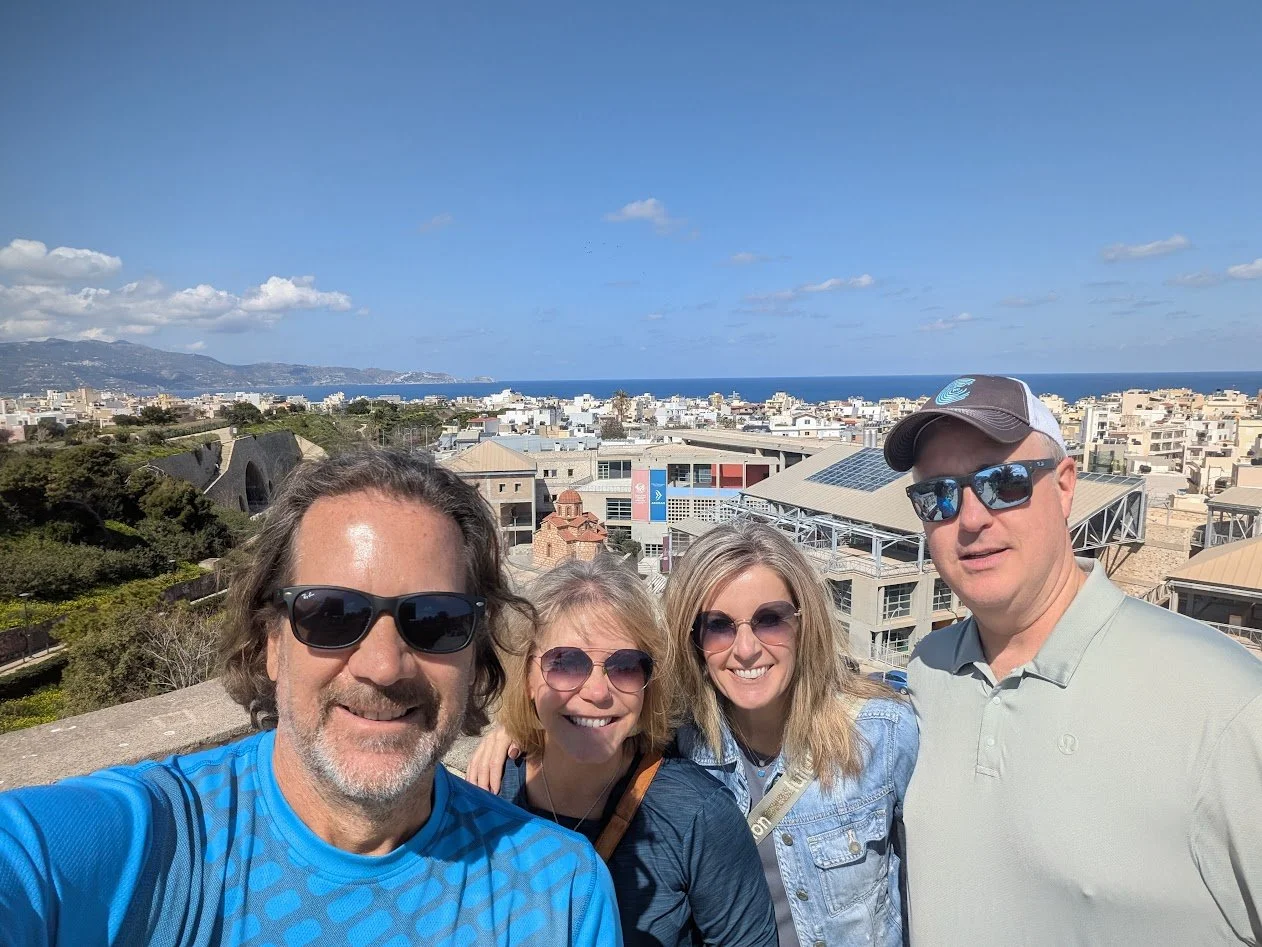
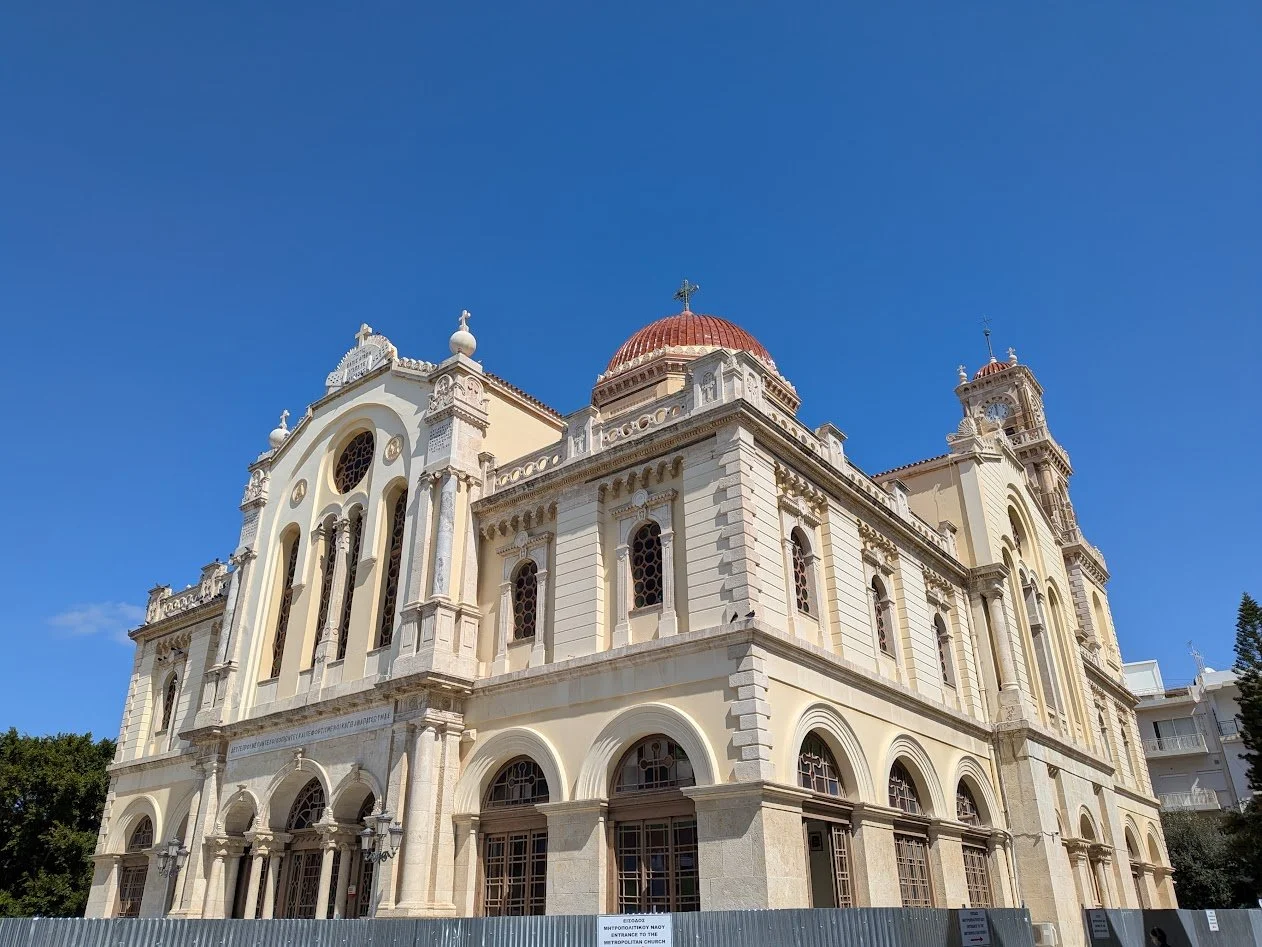
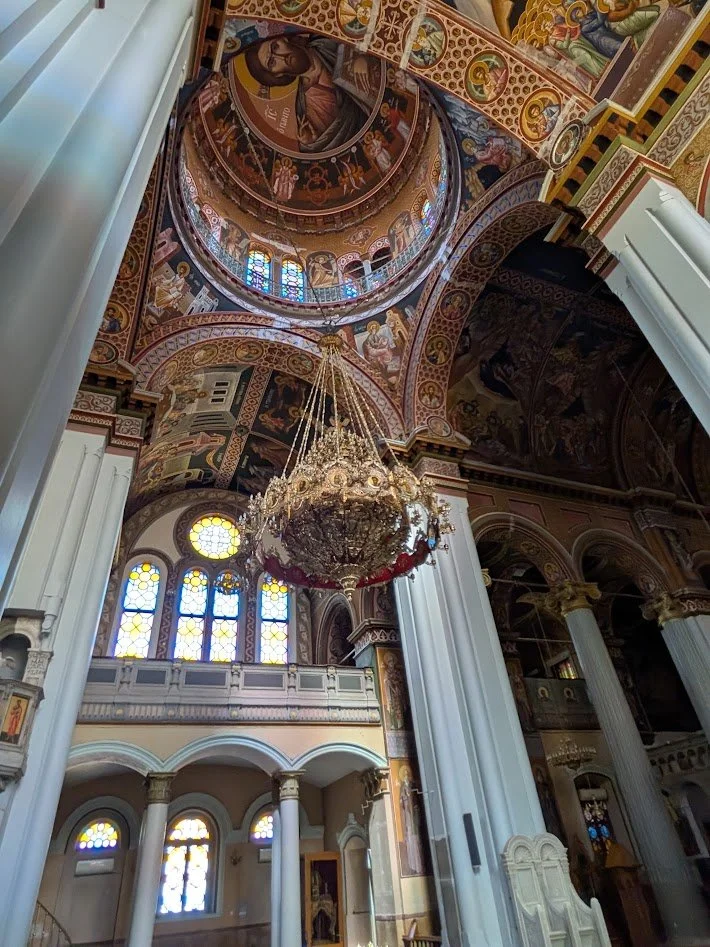
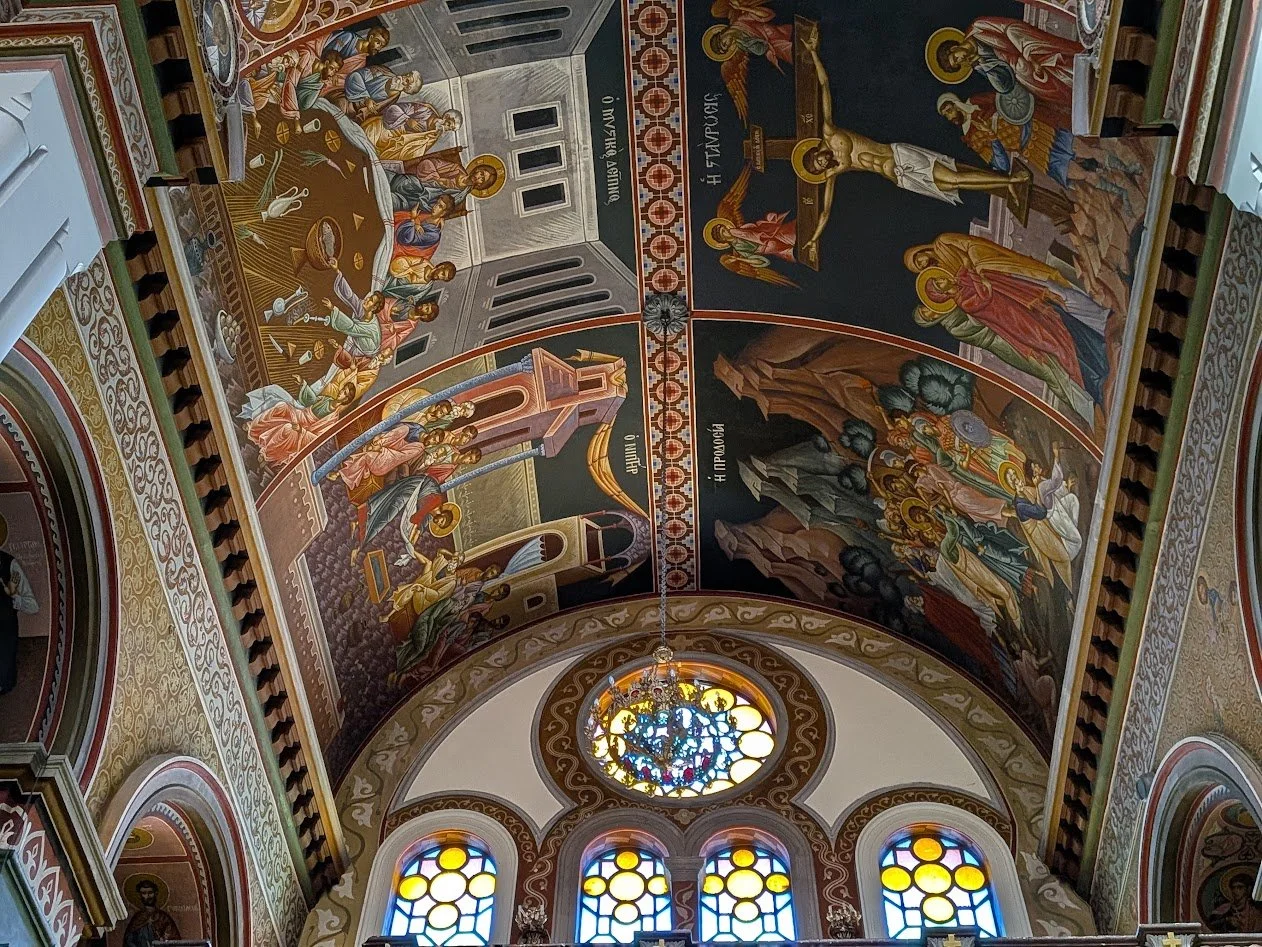
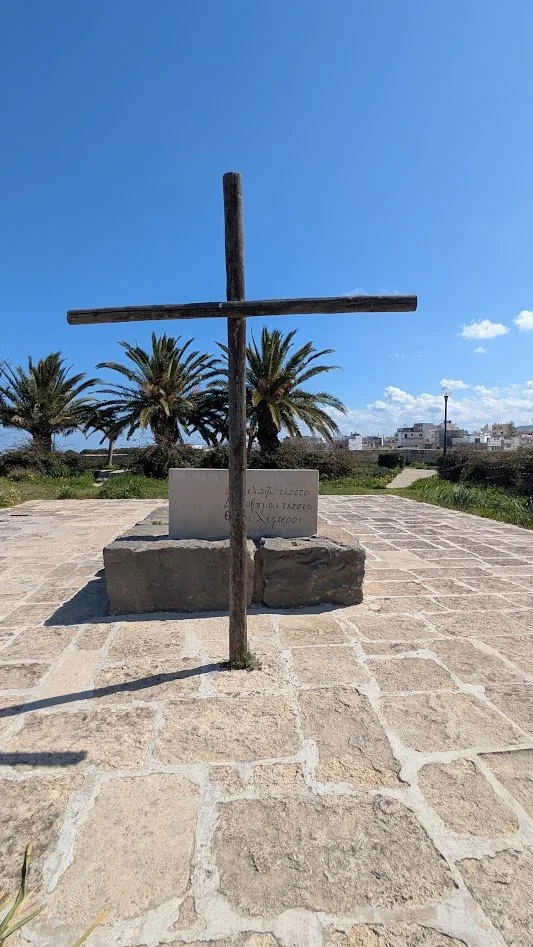
The third cruise port was Heraklion Crete. We didn’t really do a whole lot there… we started with a pretty mediocre walking tour where we walked on the city wall, saw some of the town, and inside some important church. We snapped a few photos, then had a late lunch and wine. After lunch, it got kind of cold so we headed back to the ship. It was probably our least favorite of the cruise stops. More on Heraklion later – Grady and I returned at the beginning of April for five nights, so saw more and definitely appreciated it a whole lot more.
The next stop was the Island of Rhodes. It was amazing! We all agreed that we will spend more time on Rhodes when we return to Greece! We did a tour that took us all over the island. The island was so beautiful! Our first stop was at a local family run pottery business where we watched the process and (of course) bought some things.
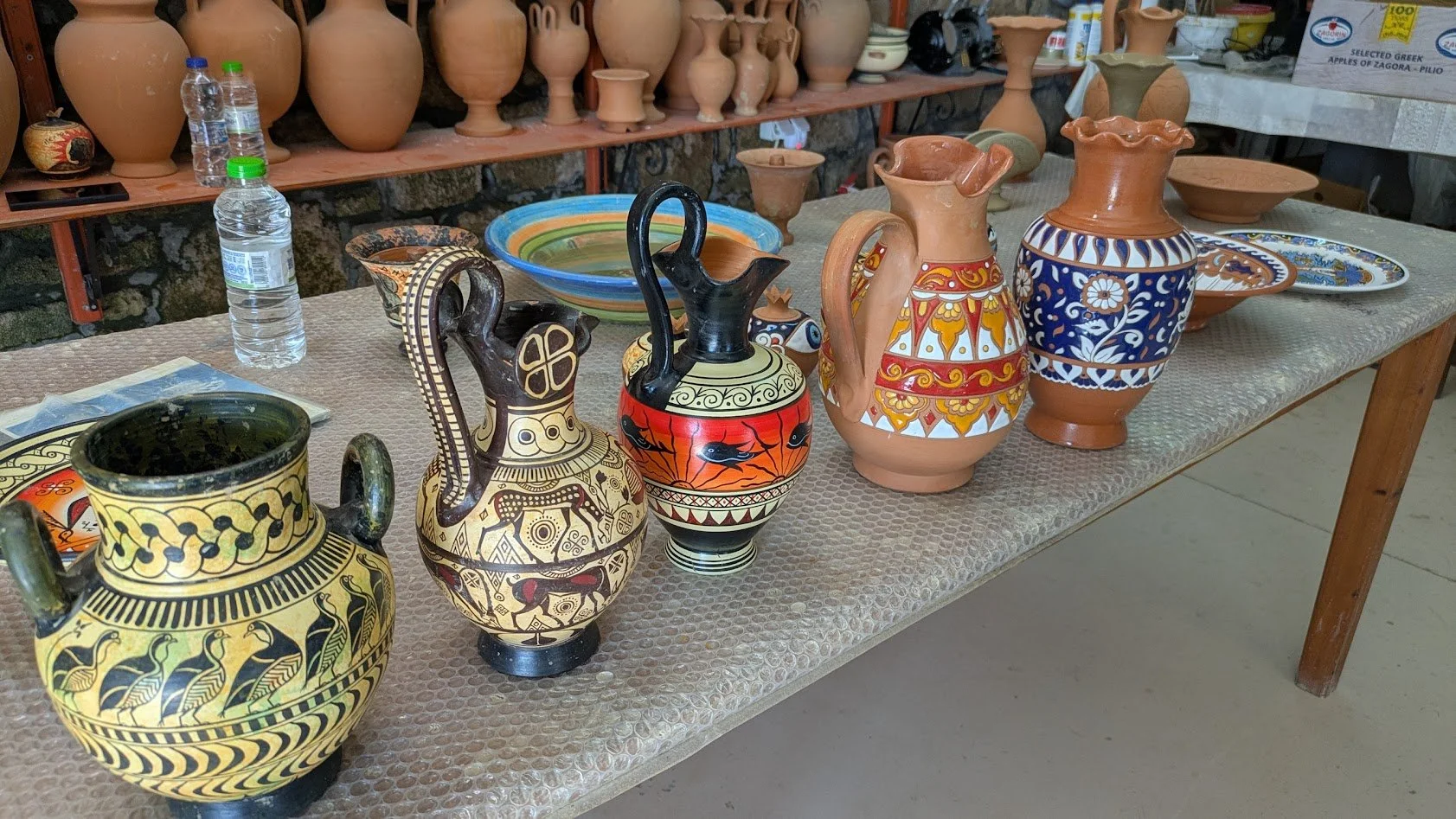
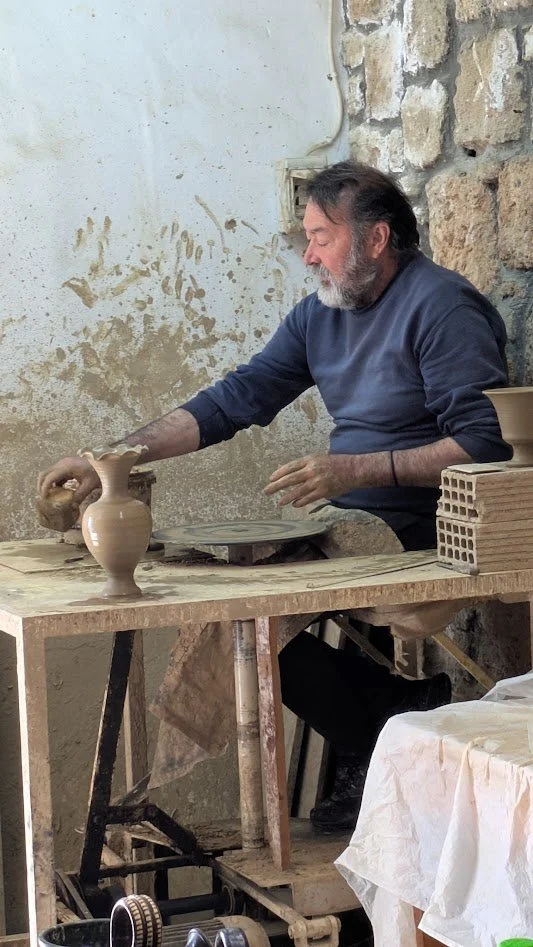
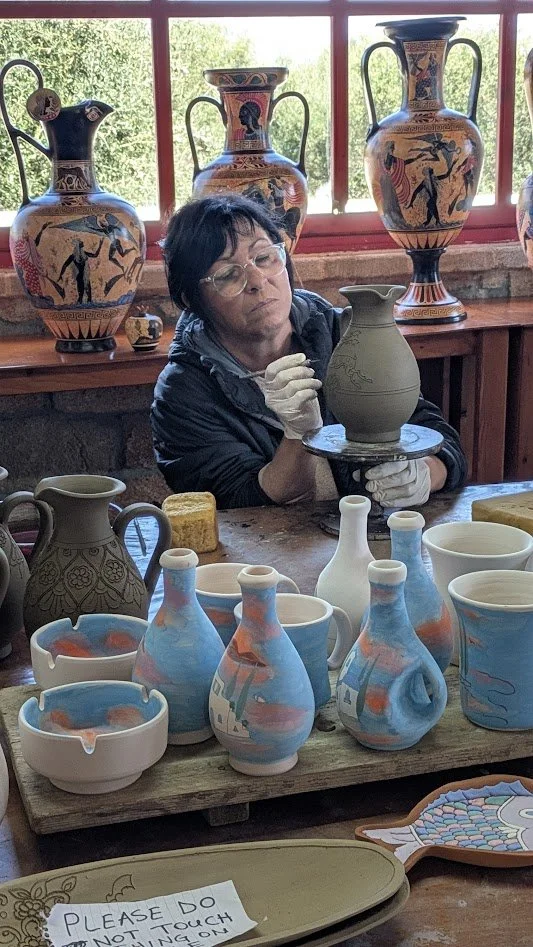
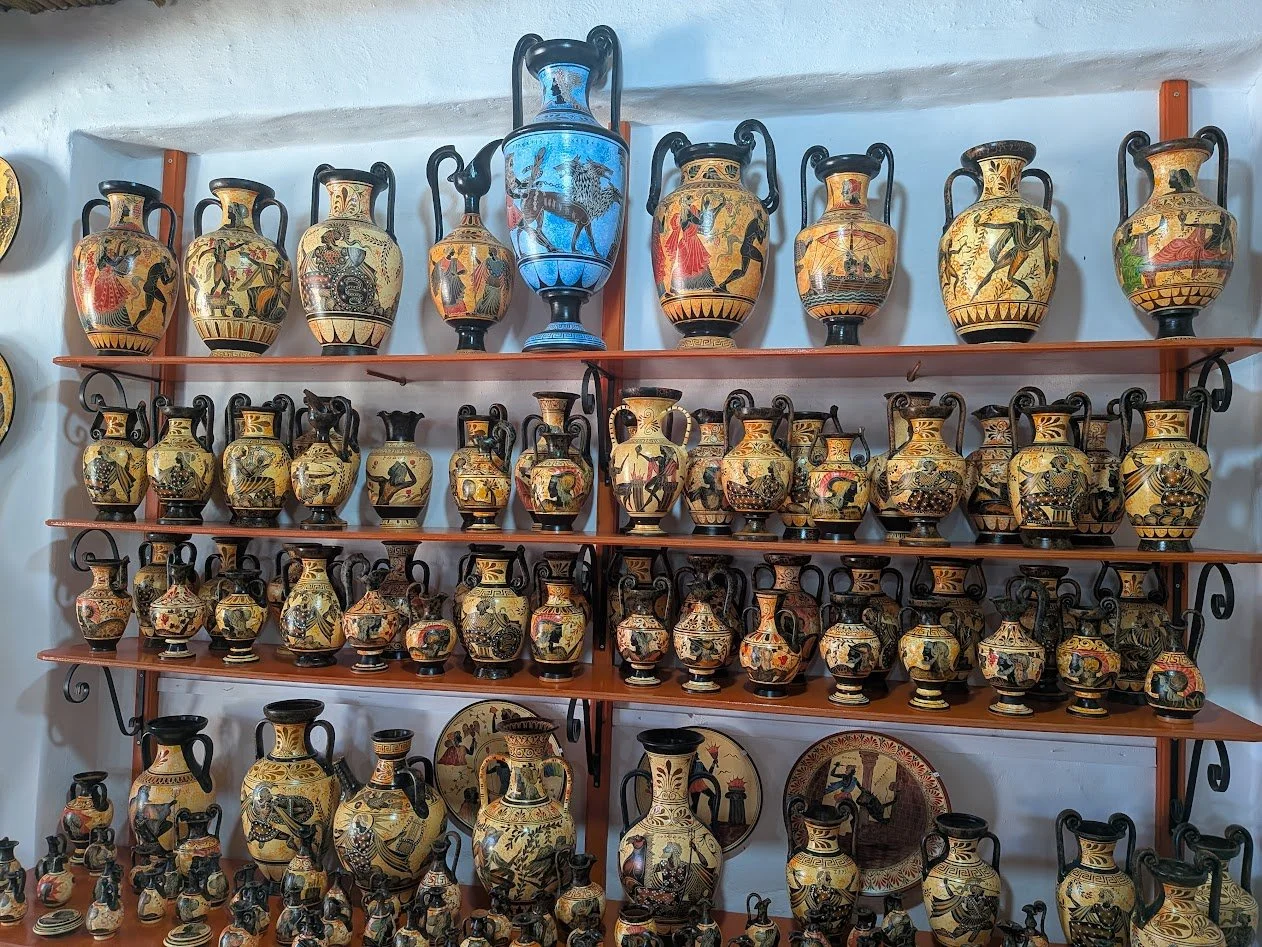
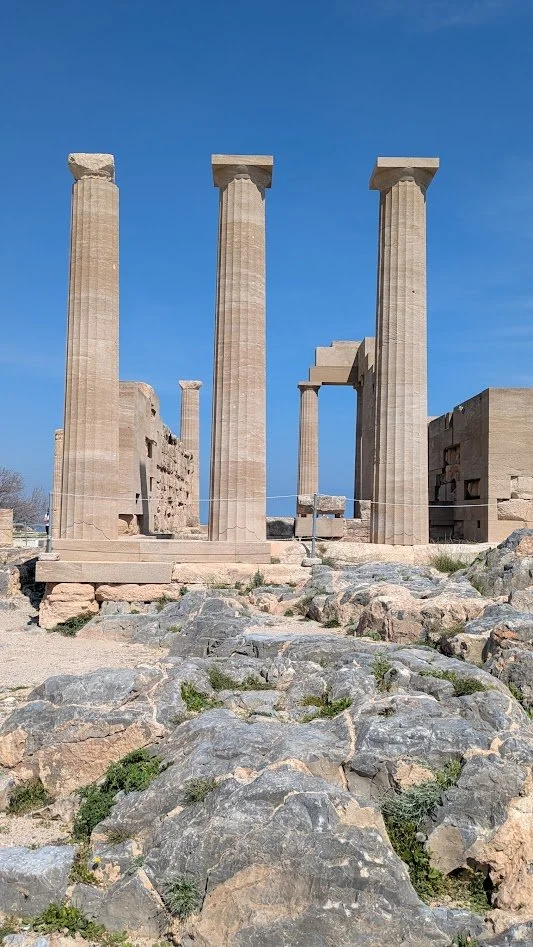
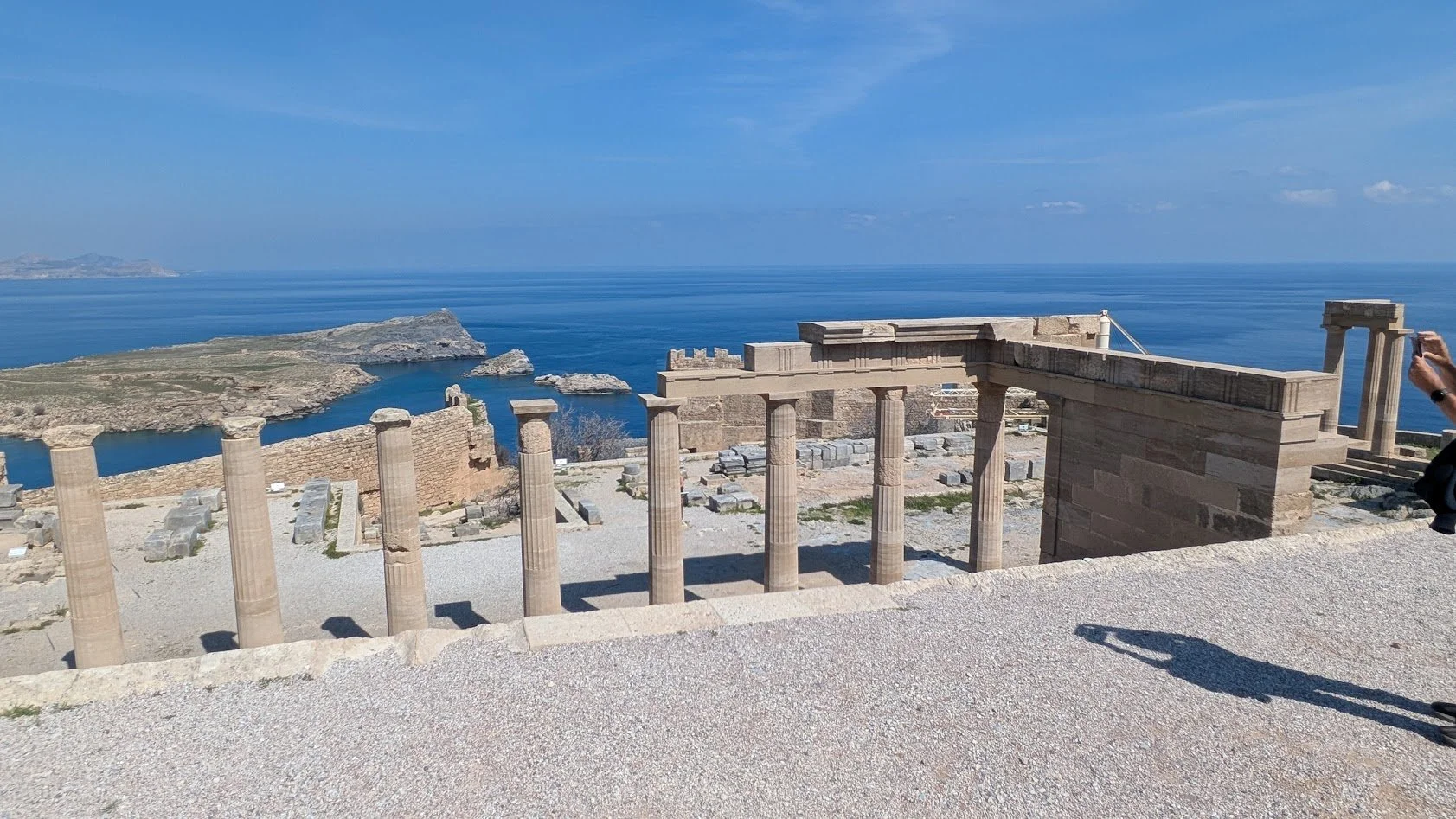
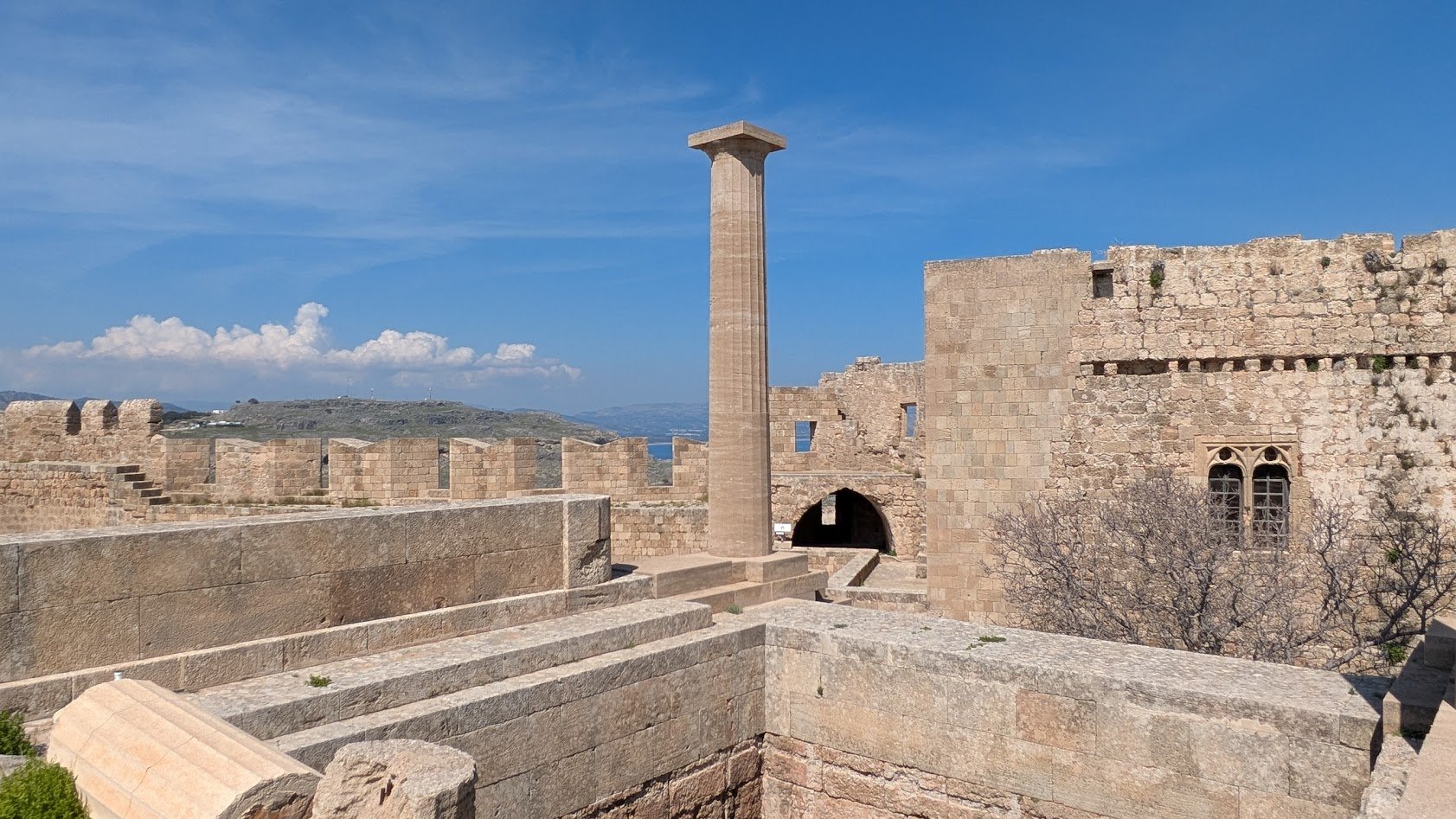
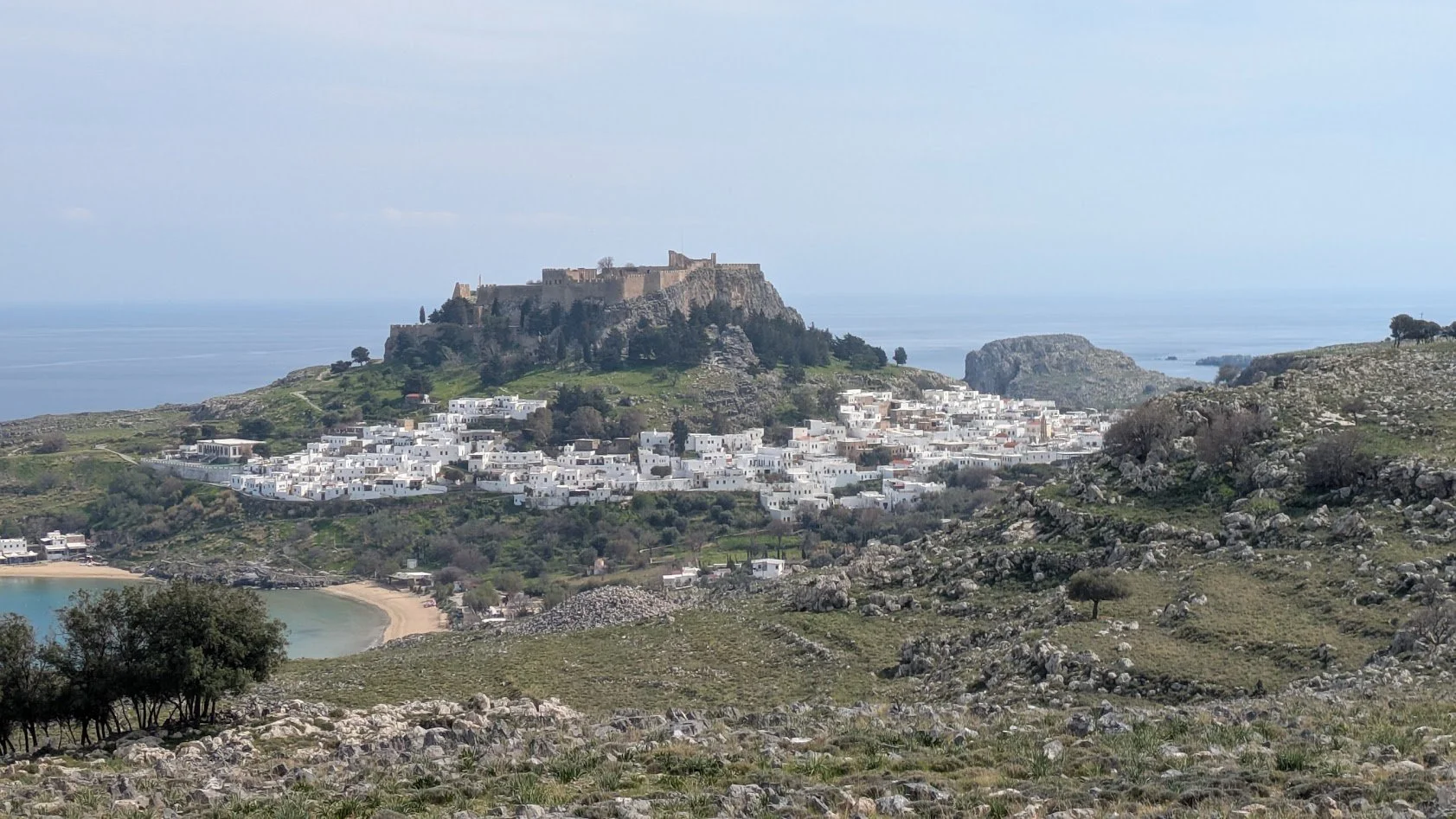
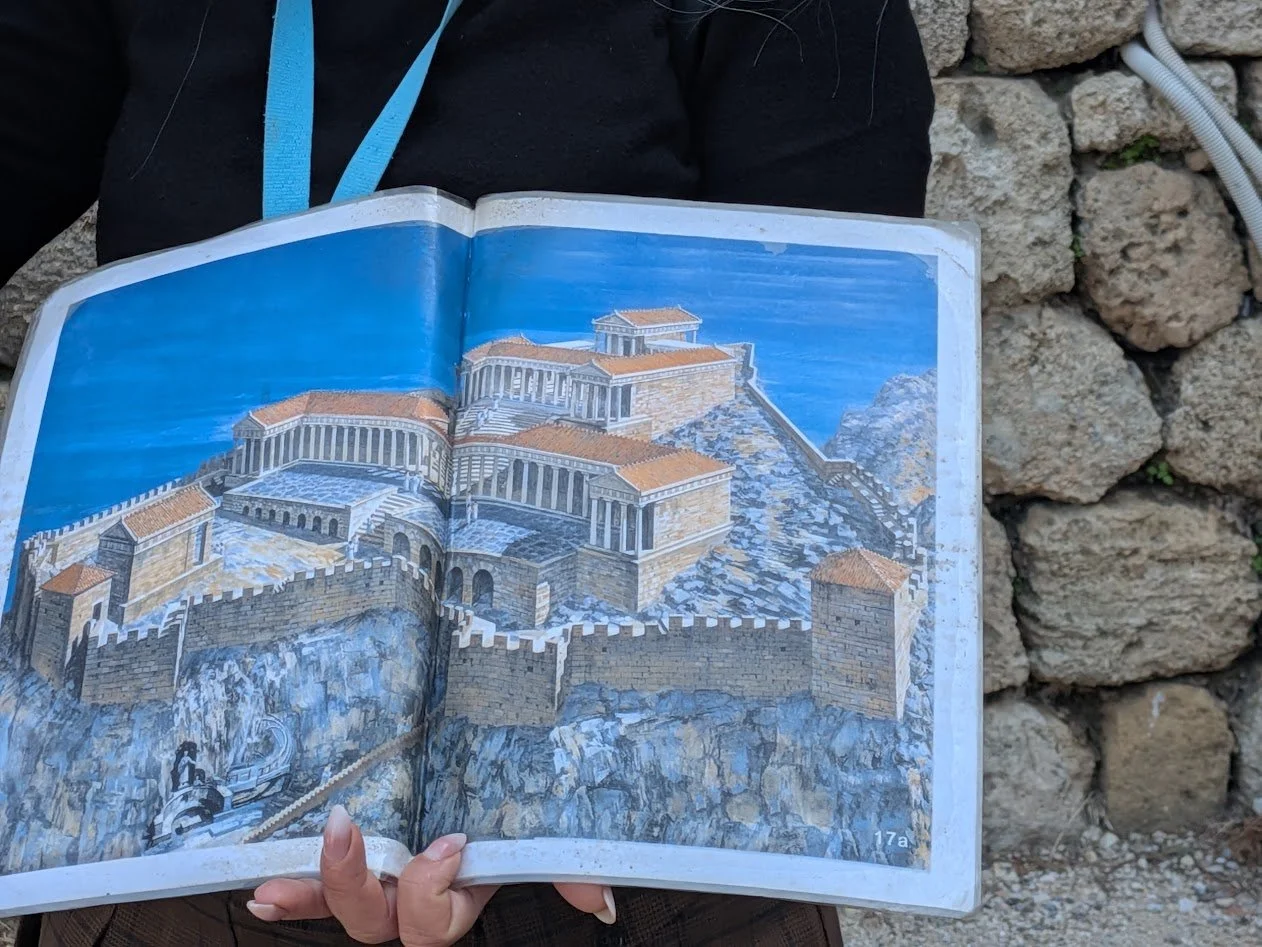
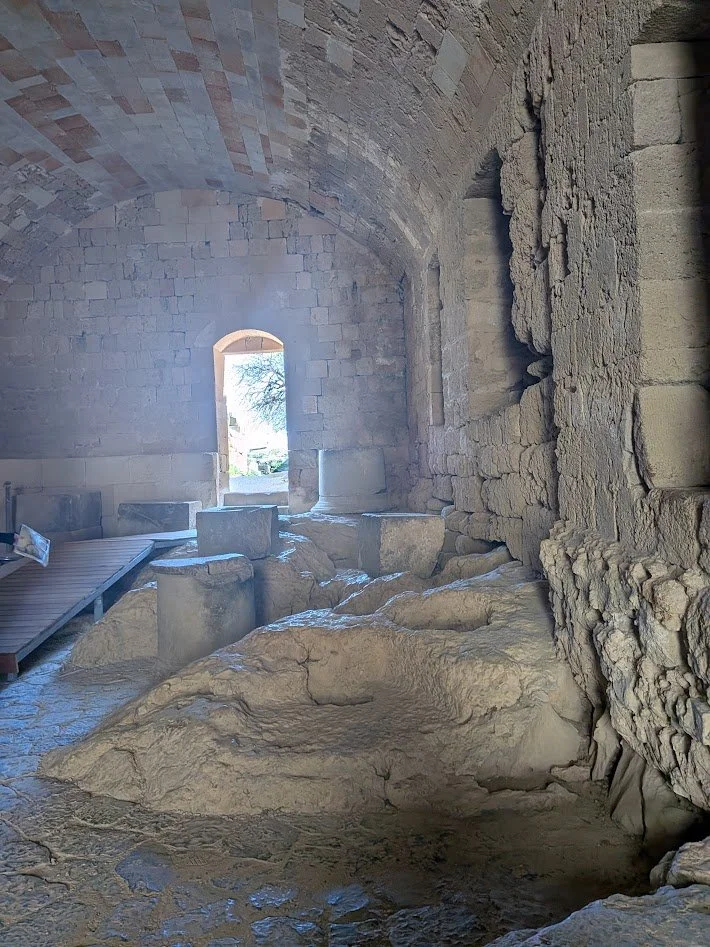
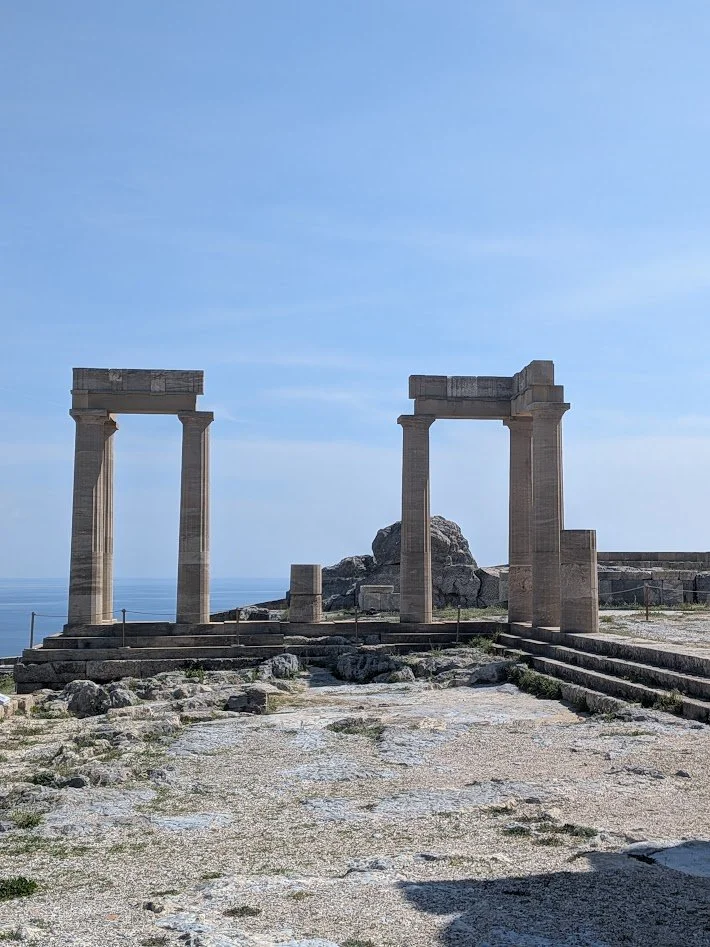
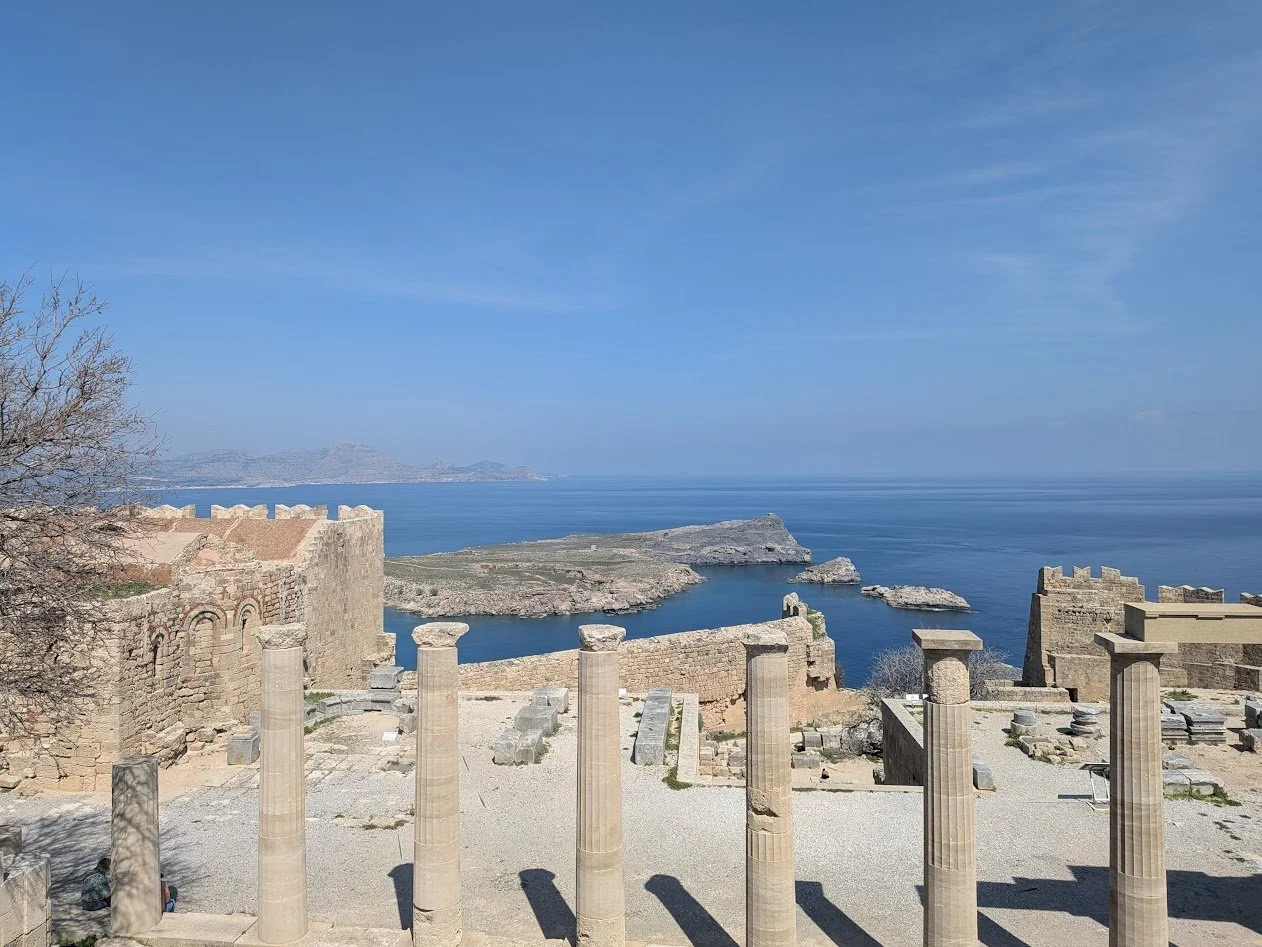
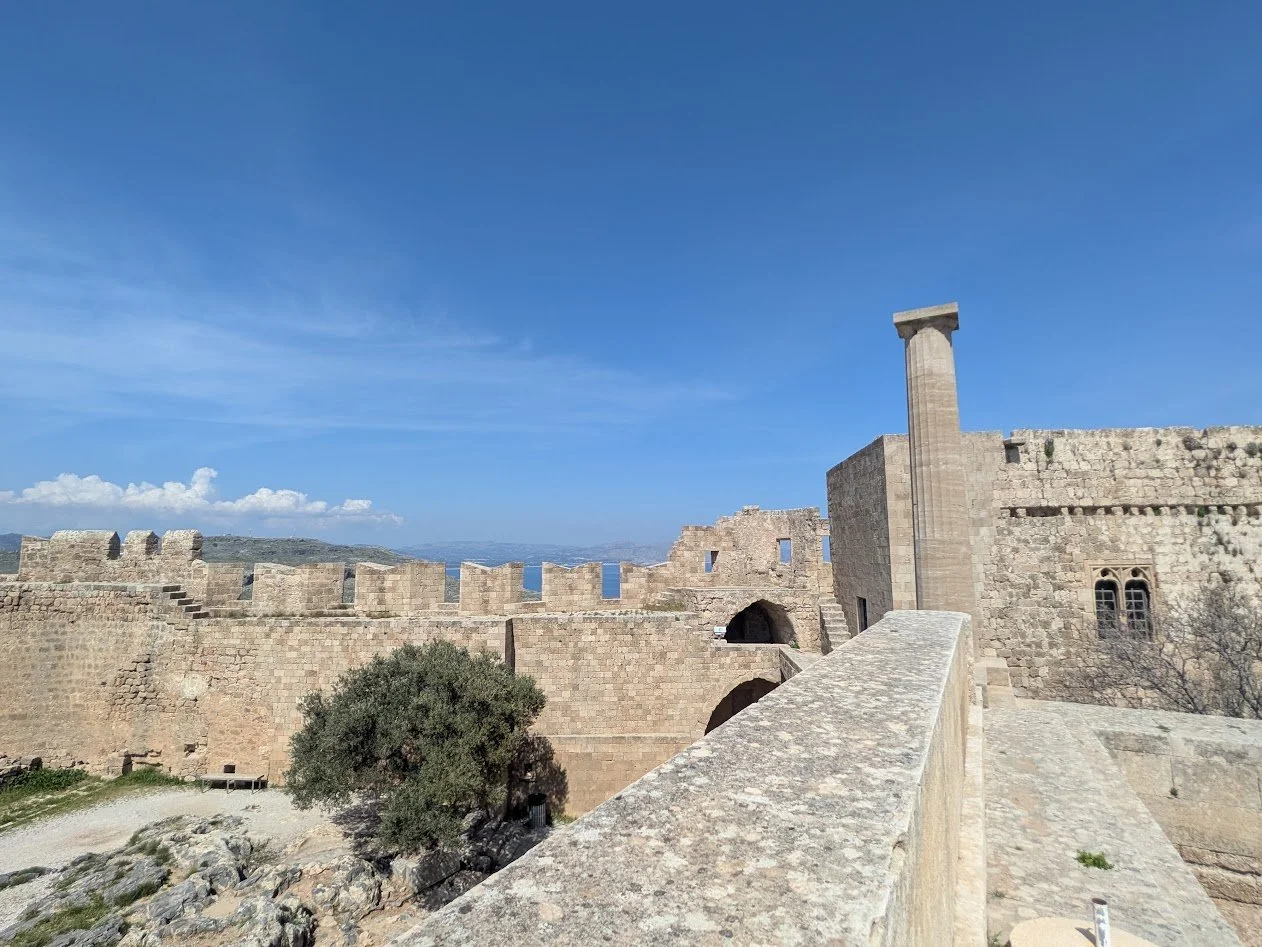
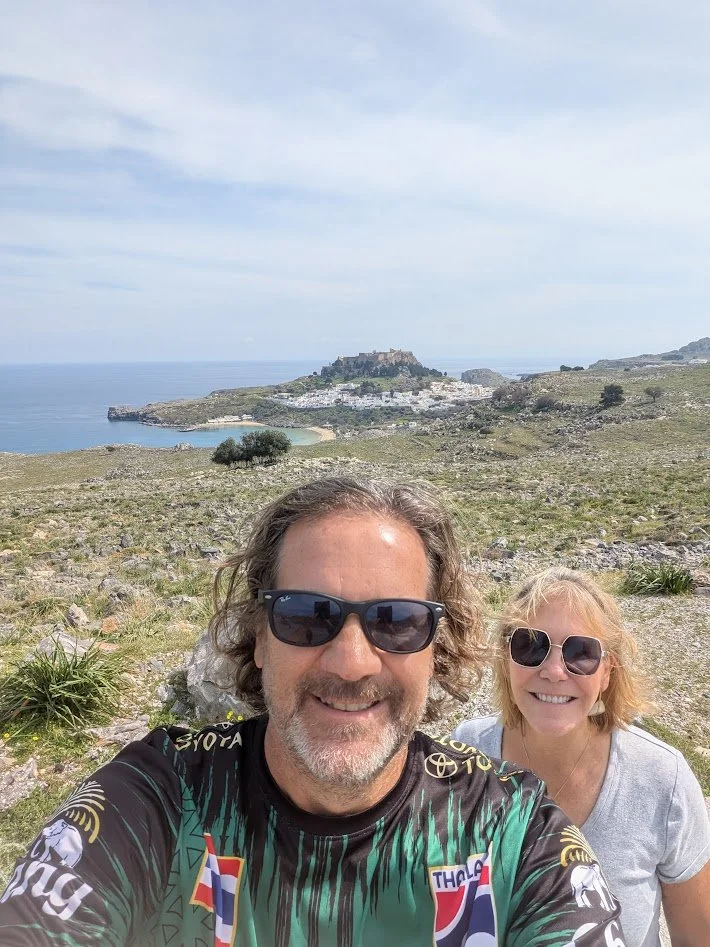
Next we drove across the island to see the Acropolis of Lindos, an ancient citadel perched on a 116-meter cliff overlooking the Aegean Sea. It was founded around 3000 BC and became a major naval power and cultural center in the archaic era before the city of Rhodes was built in 407 BC.
It is situated above the cute little village of Lindos. We had to walk quite a few steps to get up to the acropolis, but the views were totally worth it!.
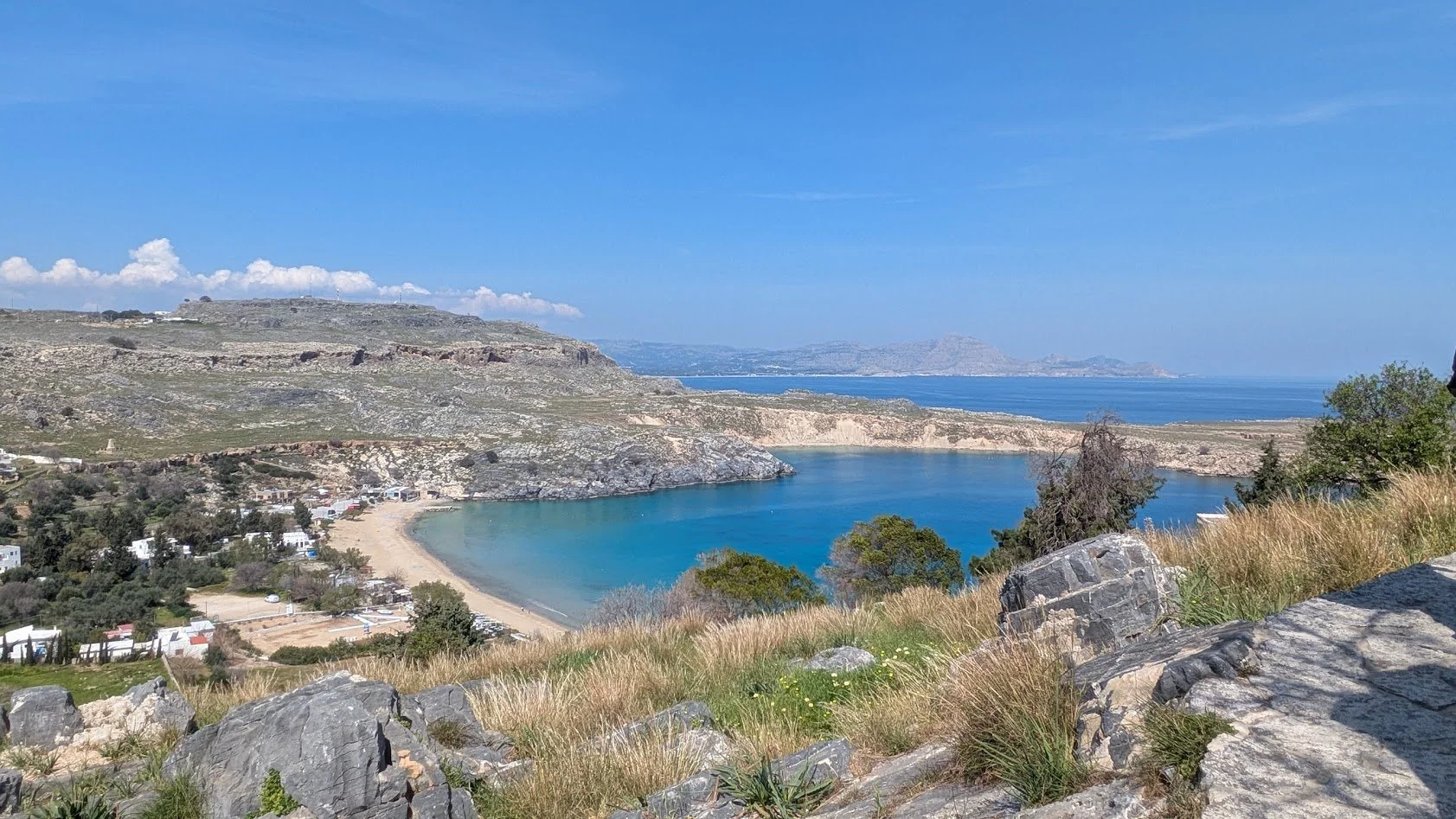
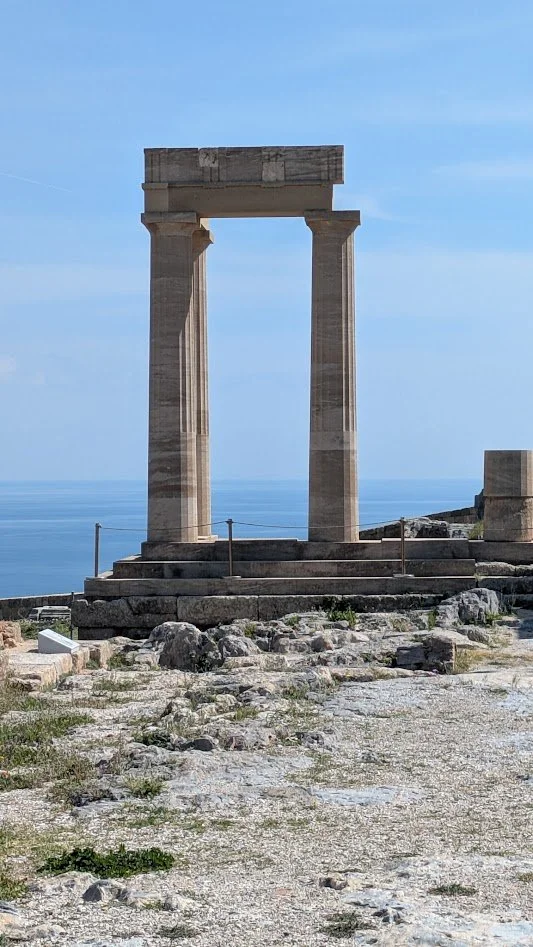
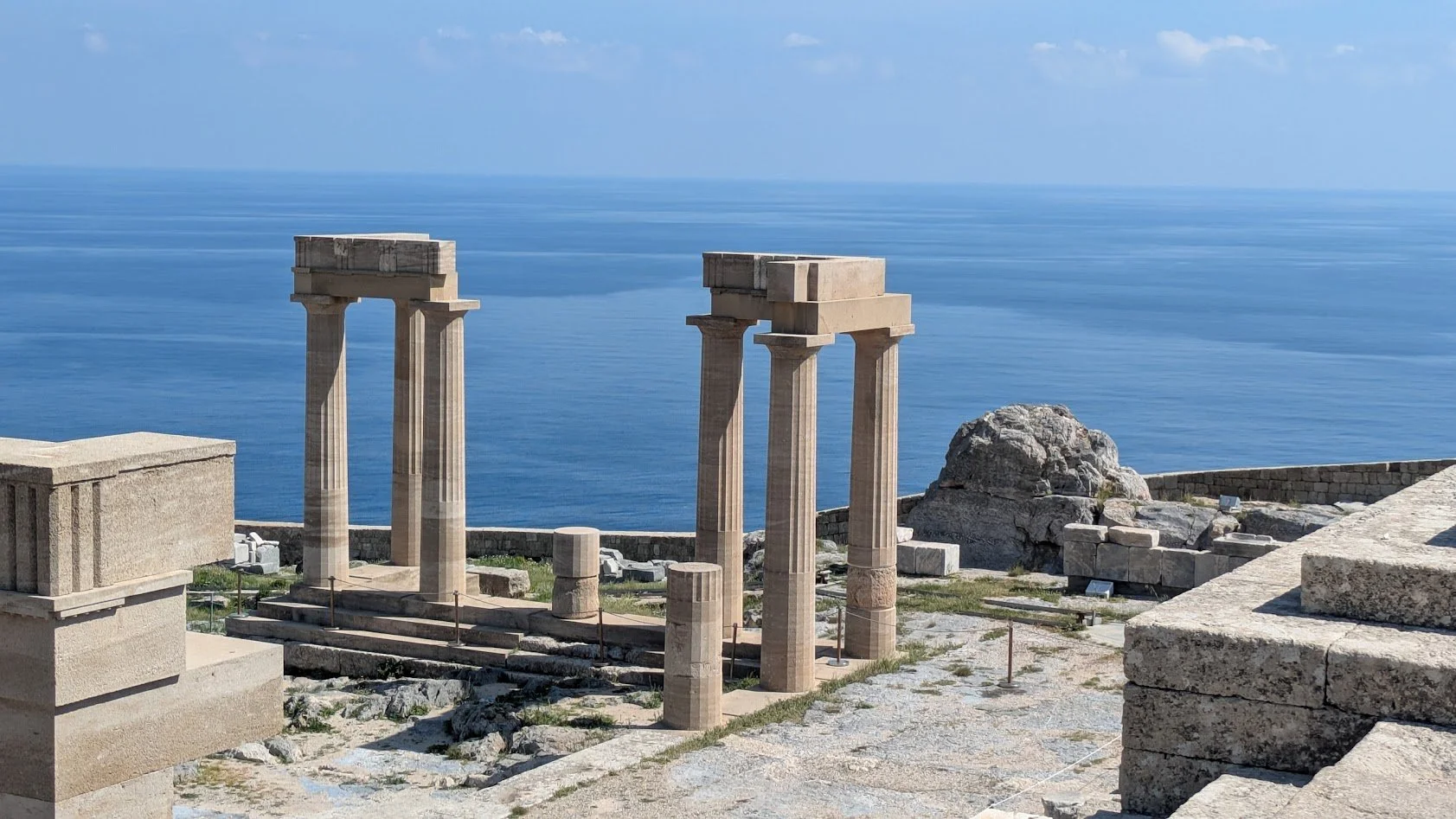
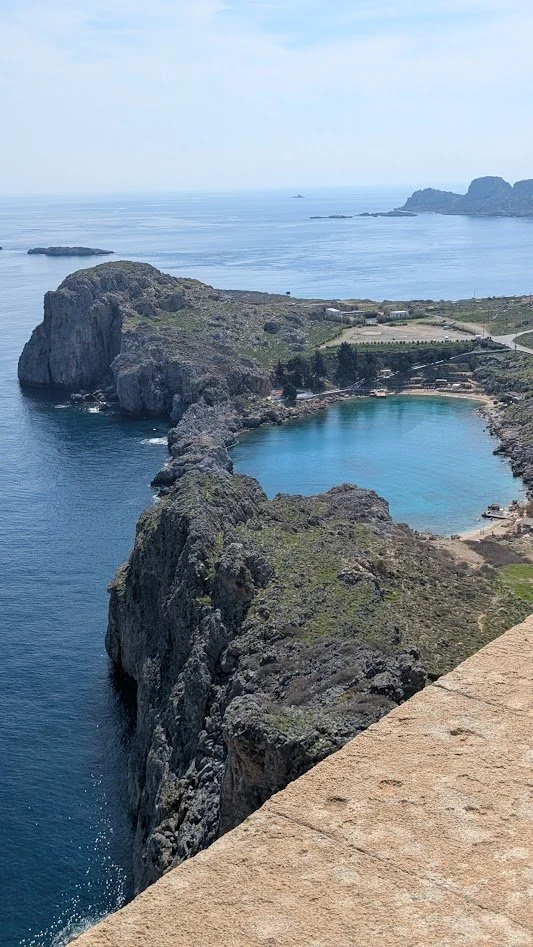
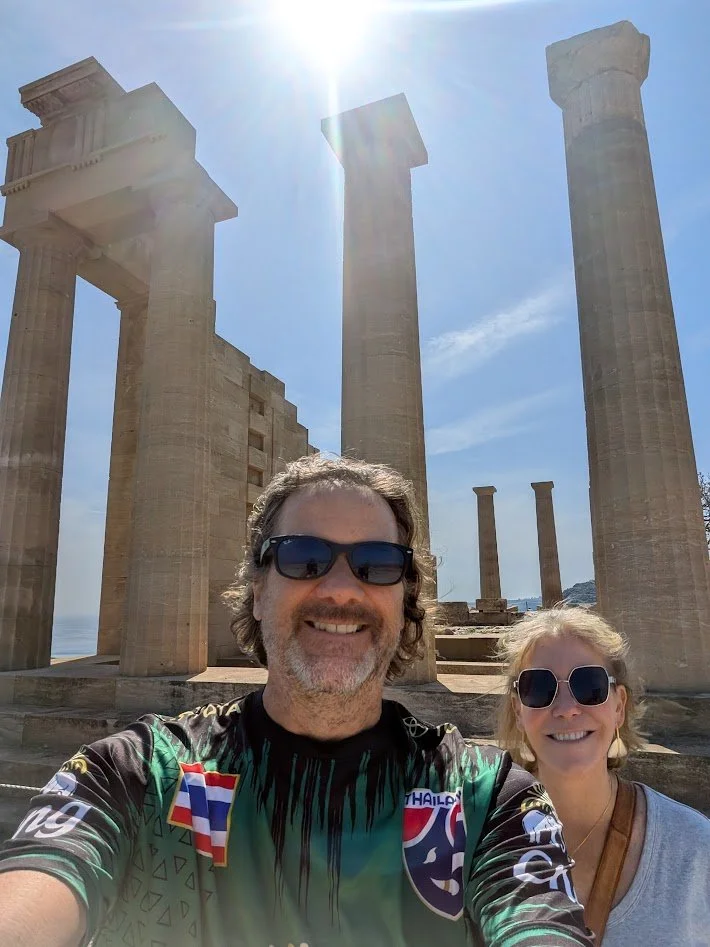
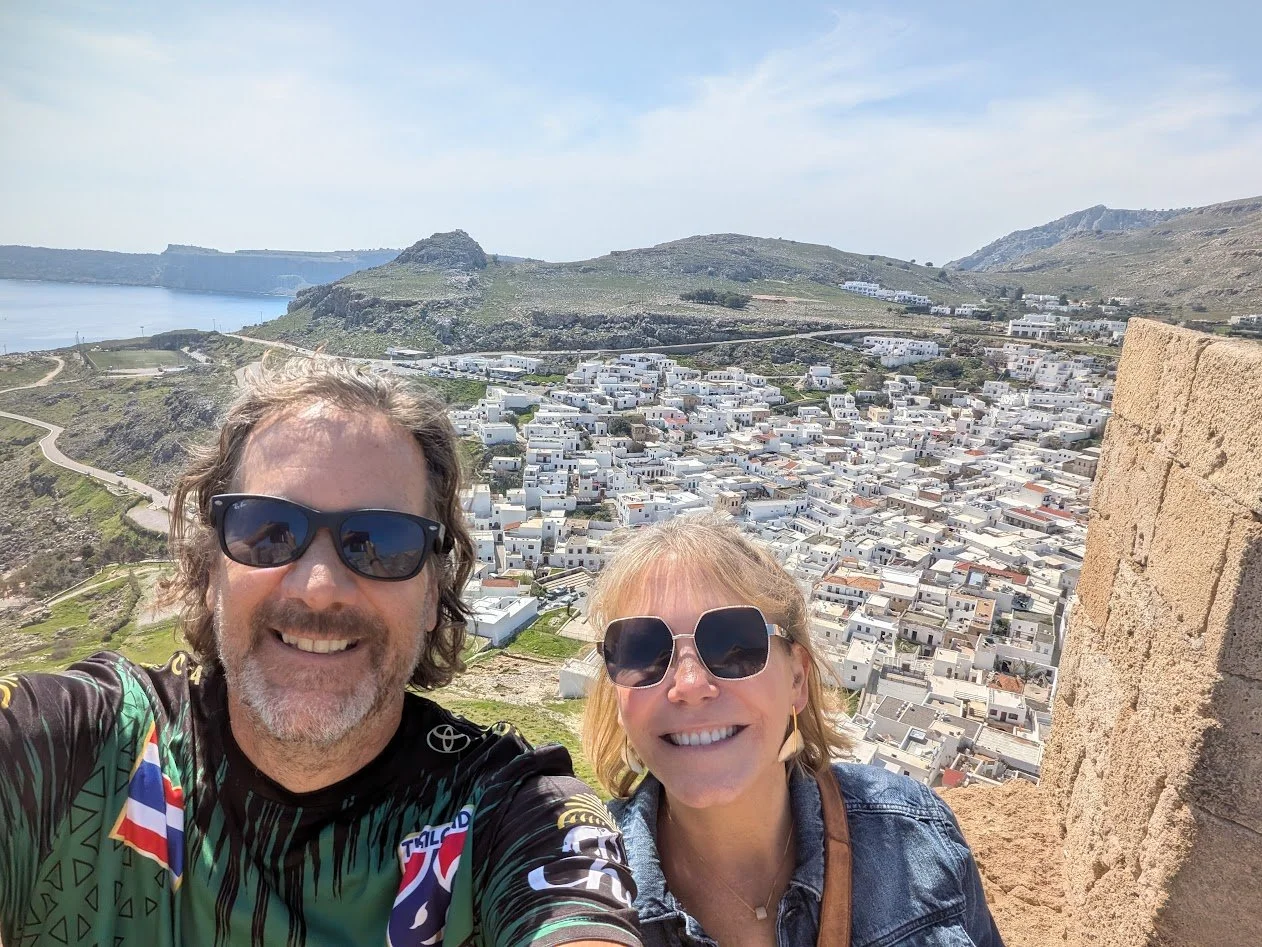
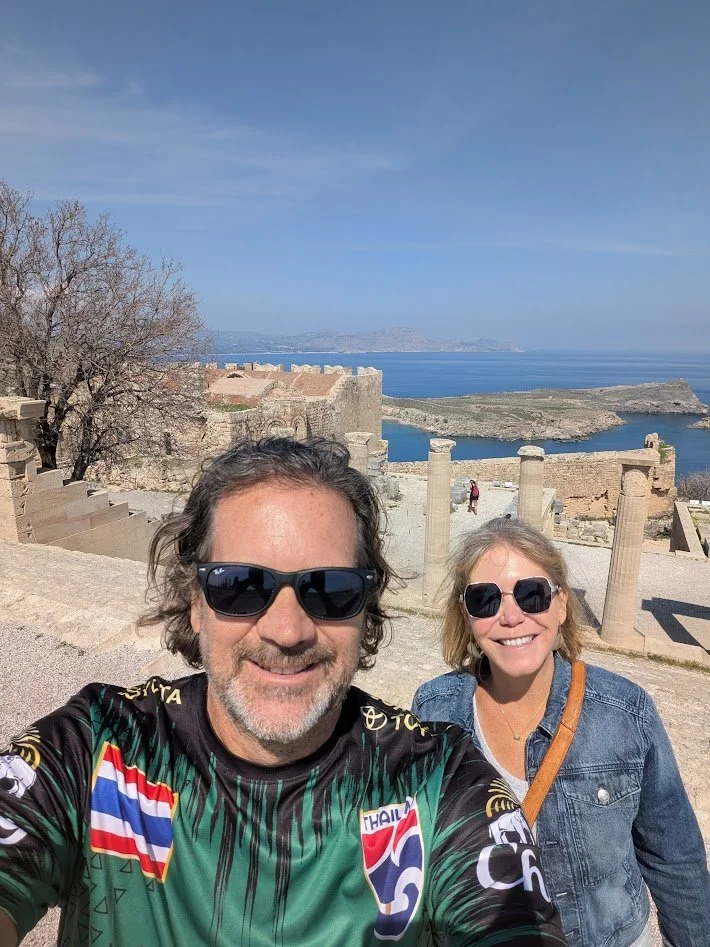
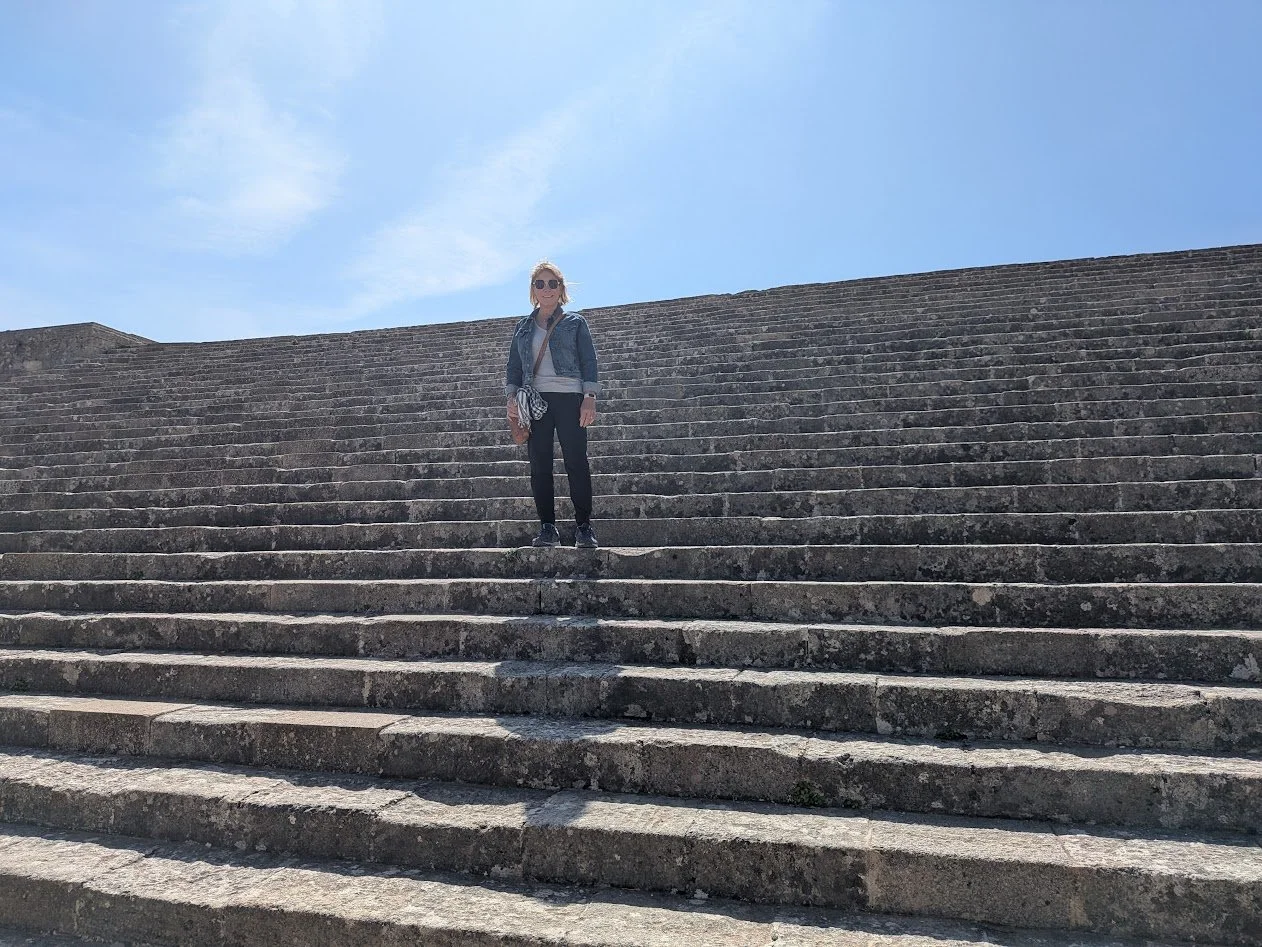
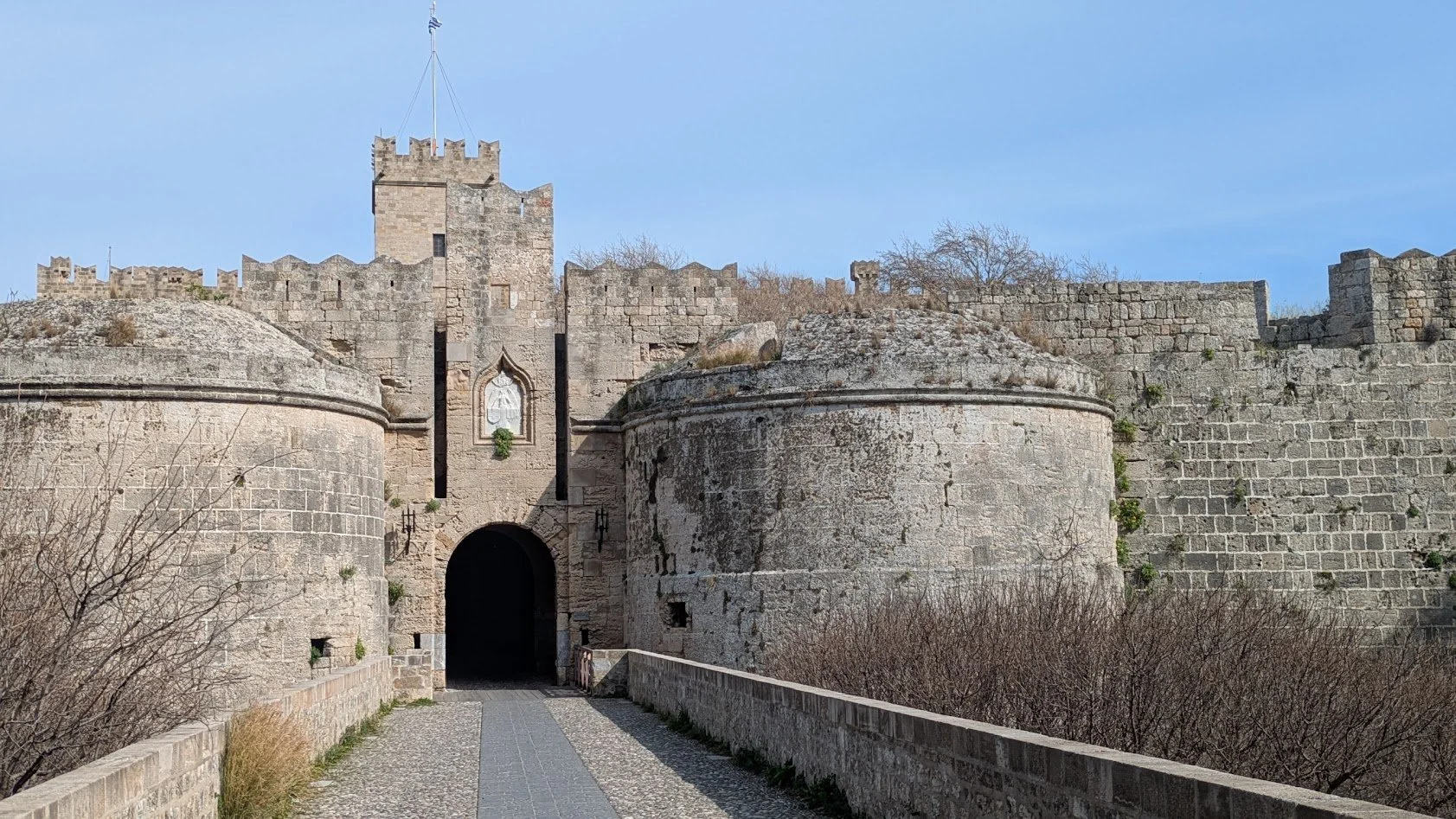
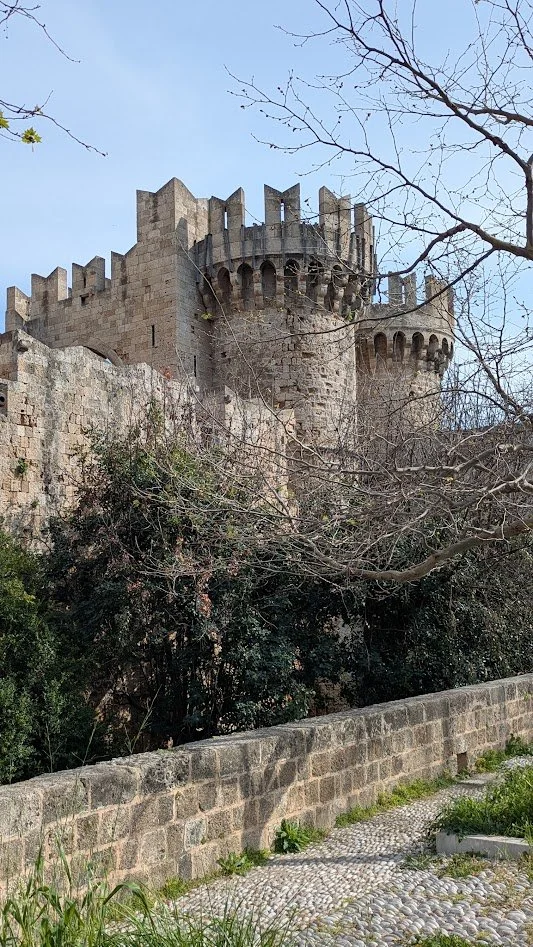
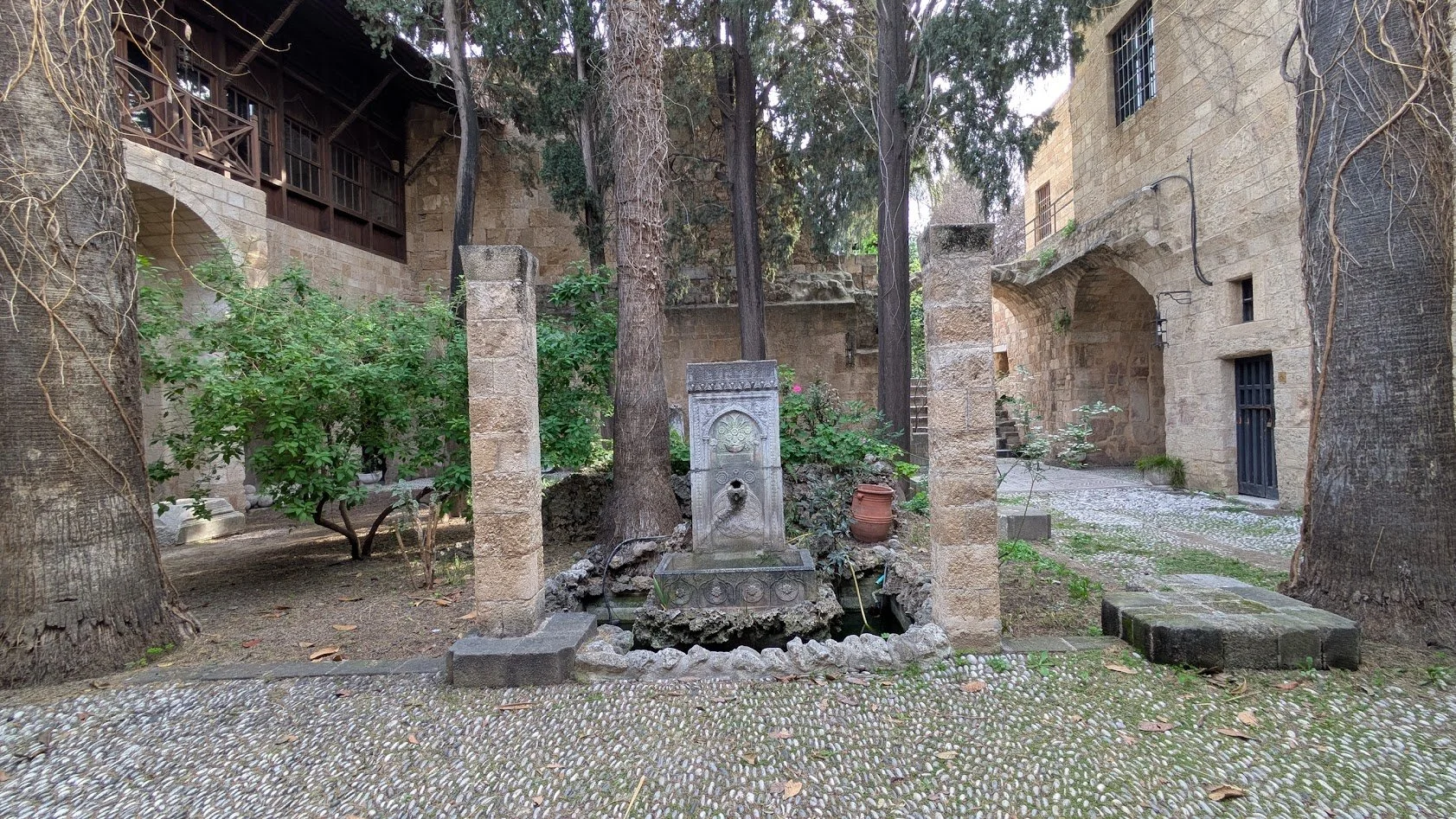
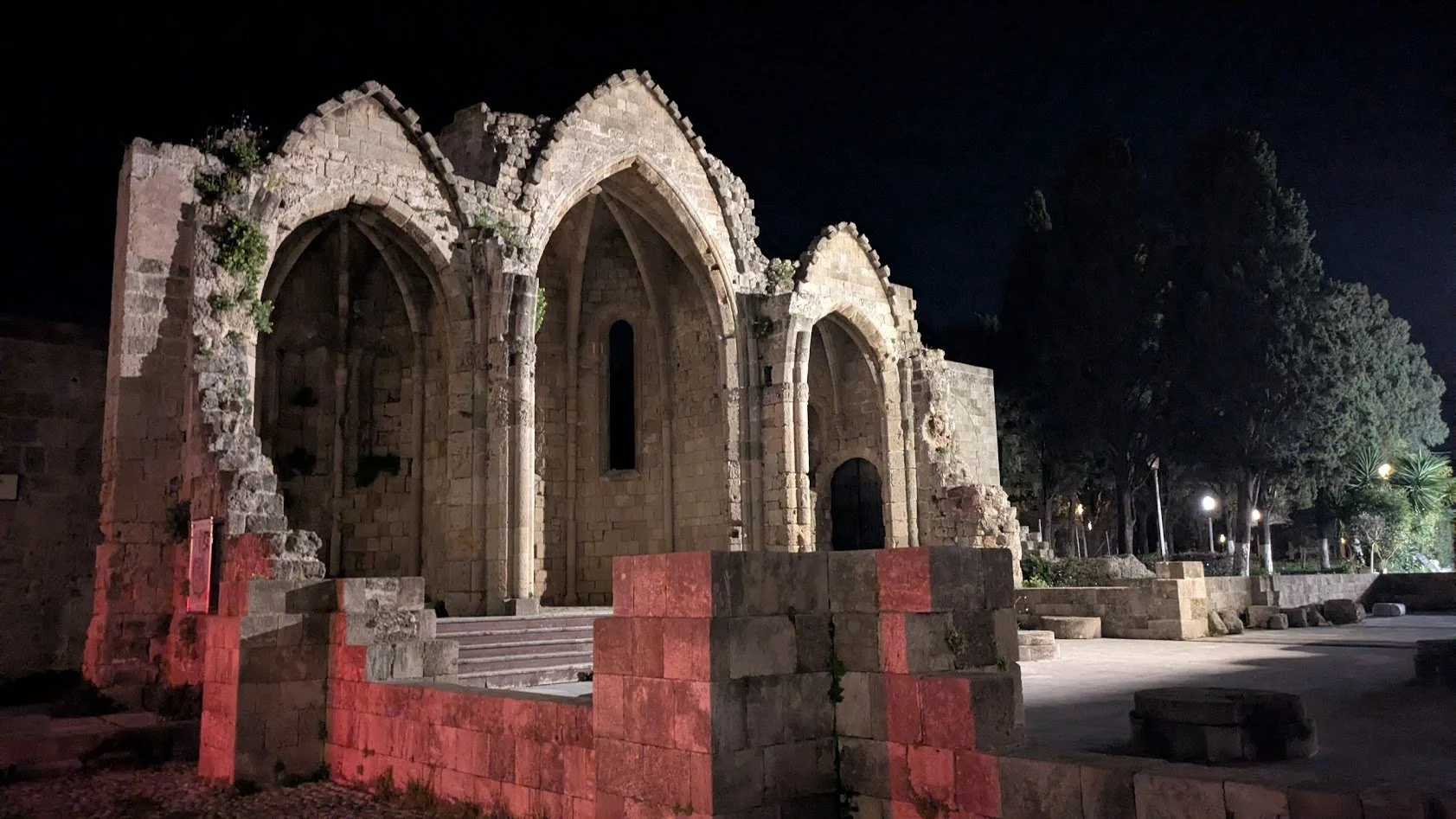
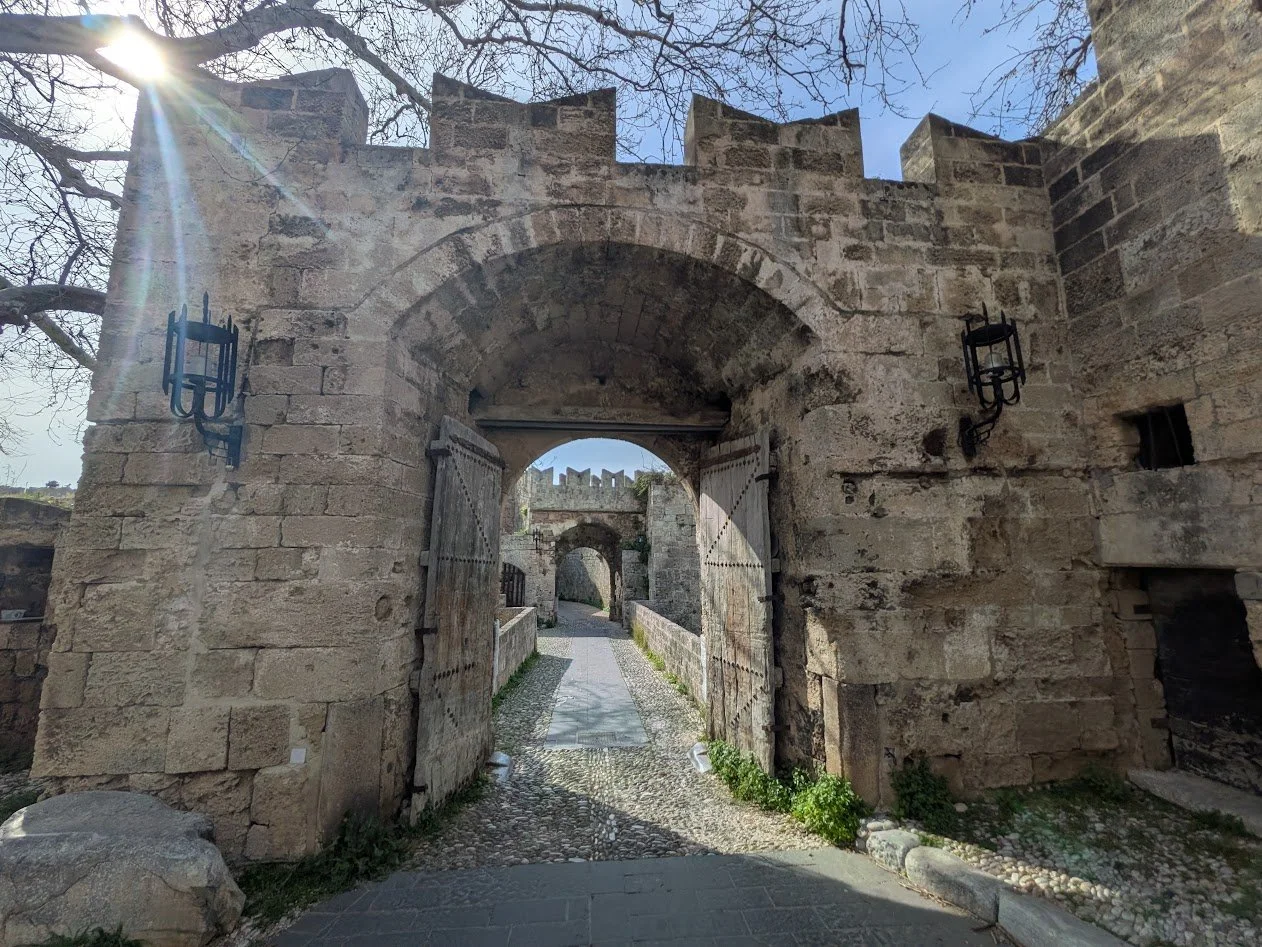
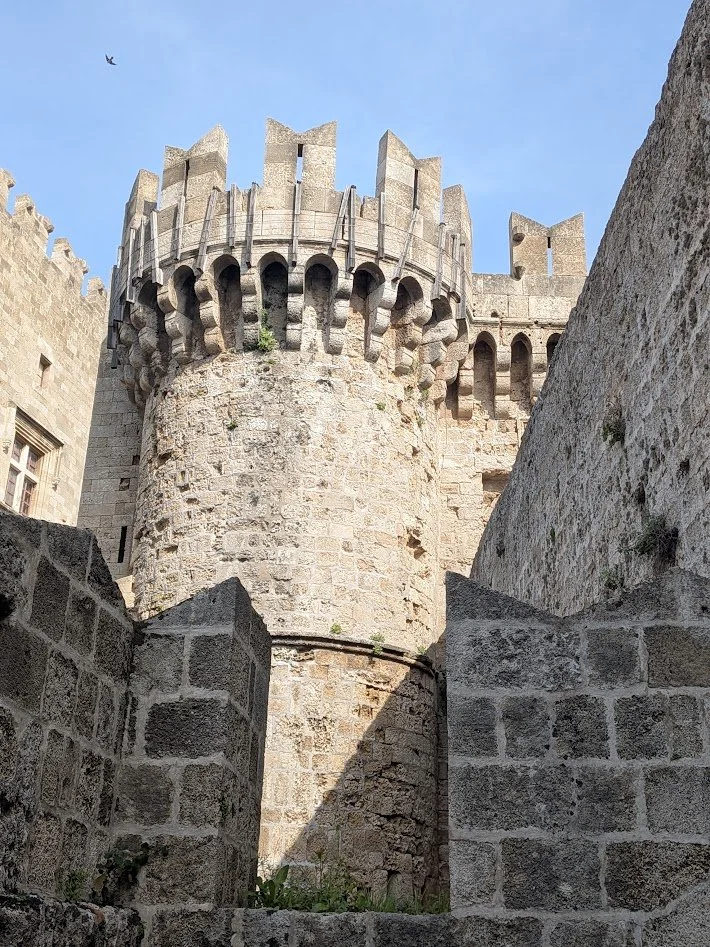
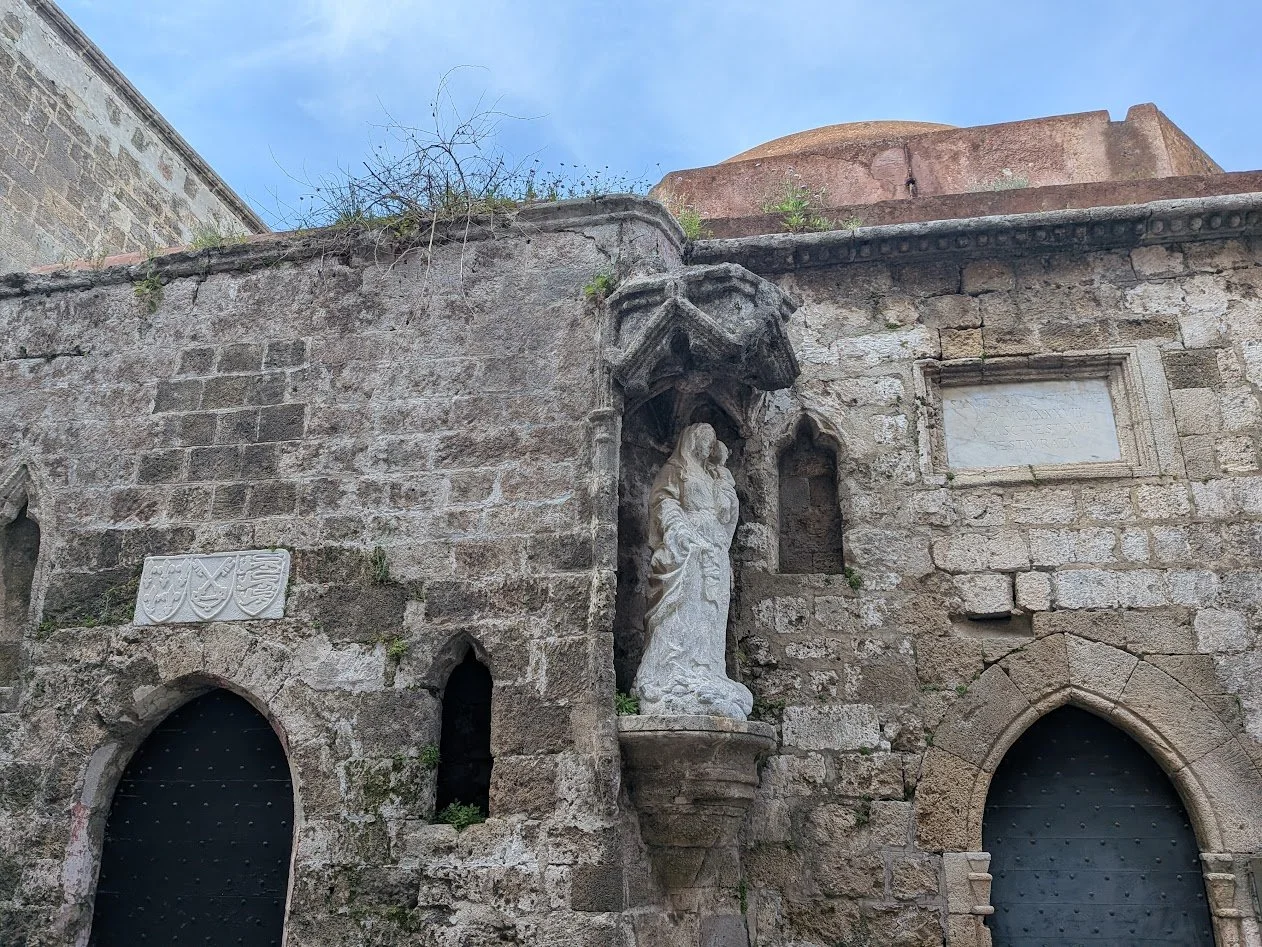
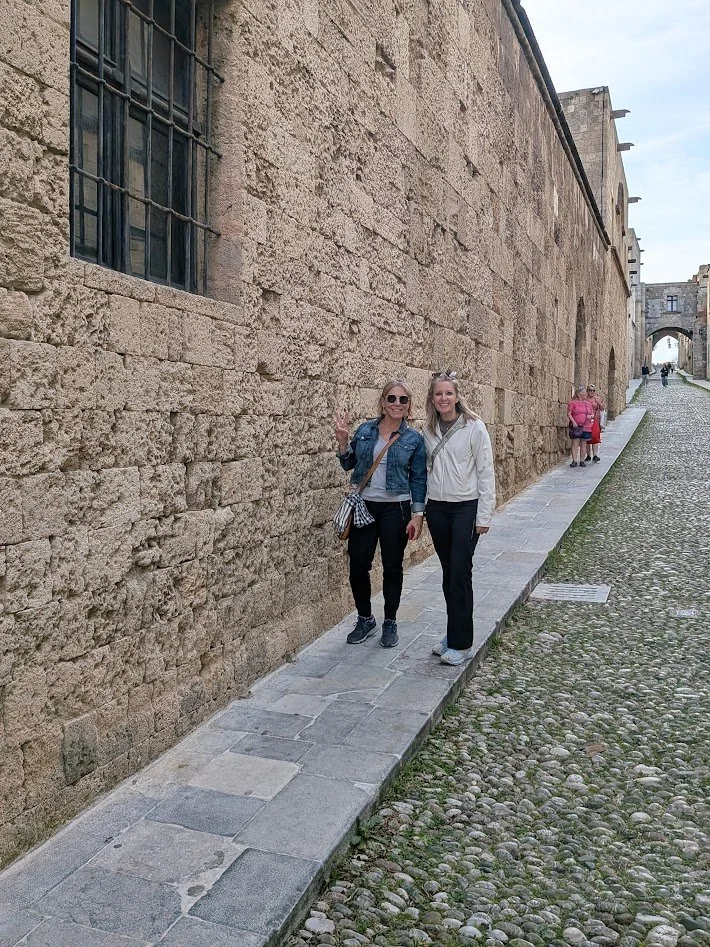
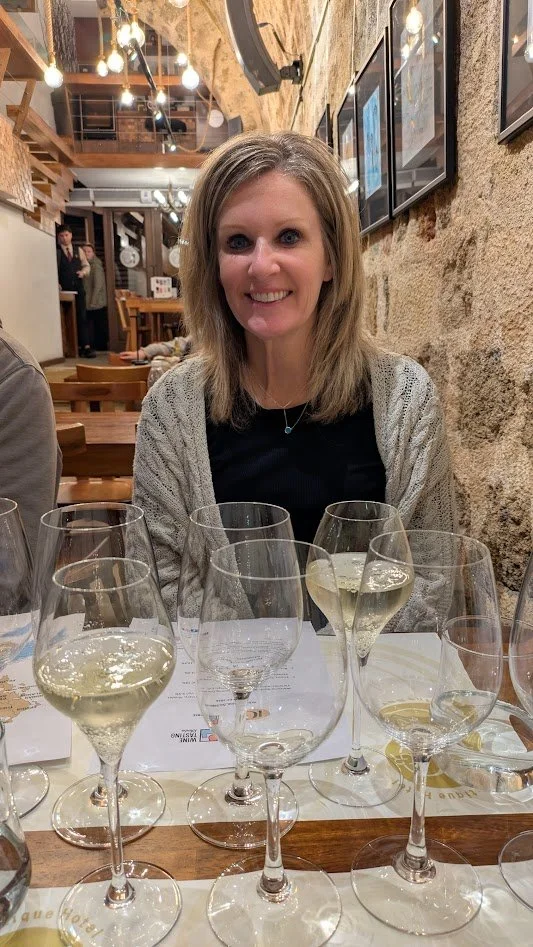
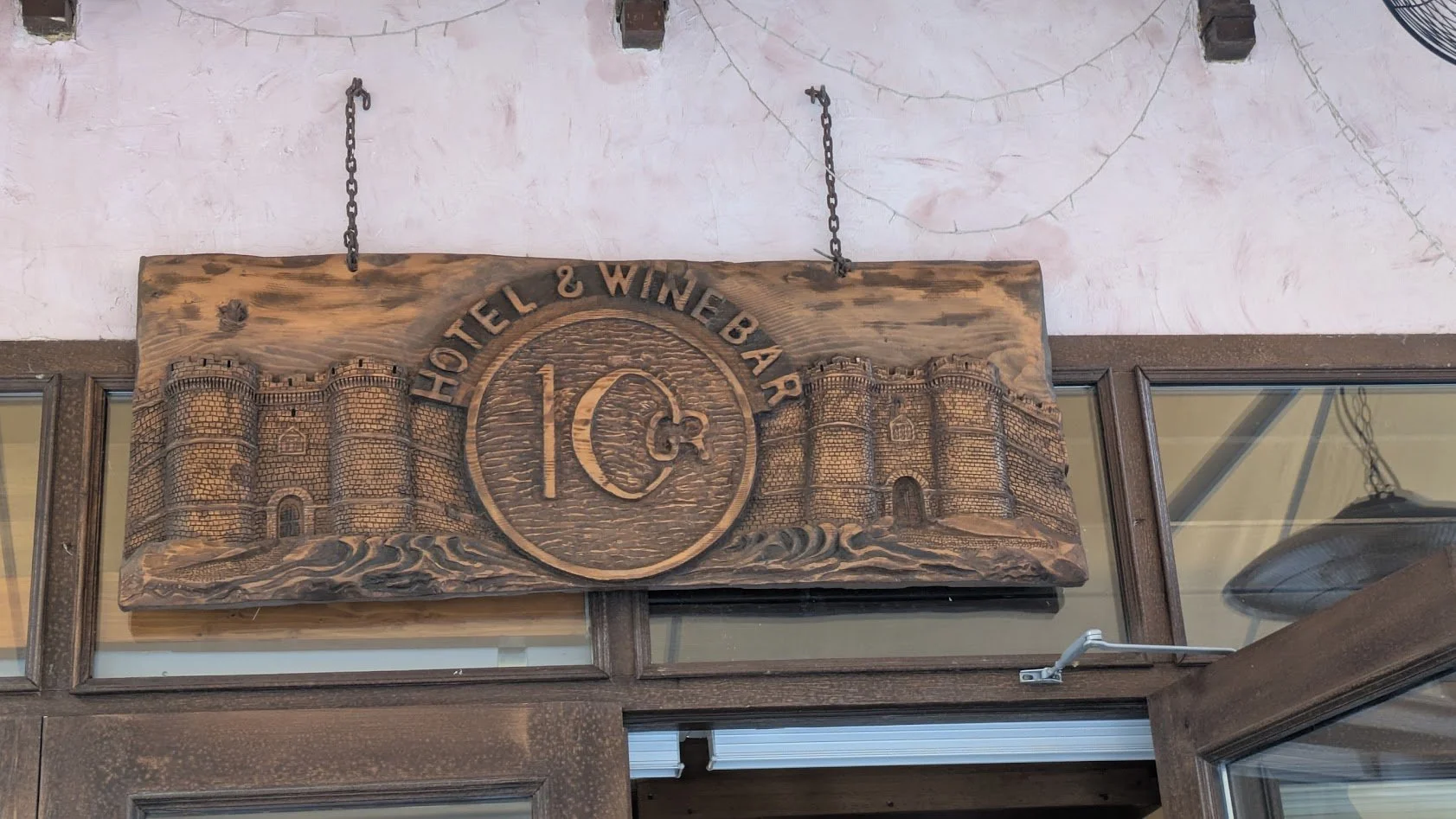
The tour then returned to Rhodes Town which is where our ship was docked. On this particular stop, we were staying until pretty late in the evening, so we had plenty of time to wander the medieval old town and even did an incredible wine tasting (Which Colleen found for us! 😊).
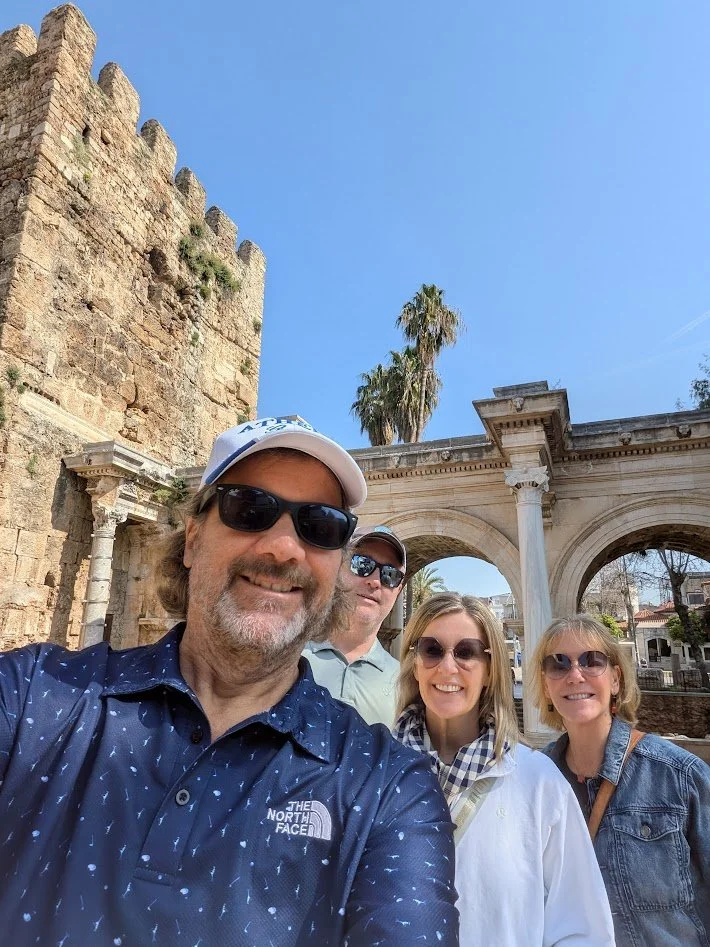
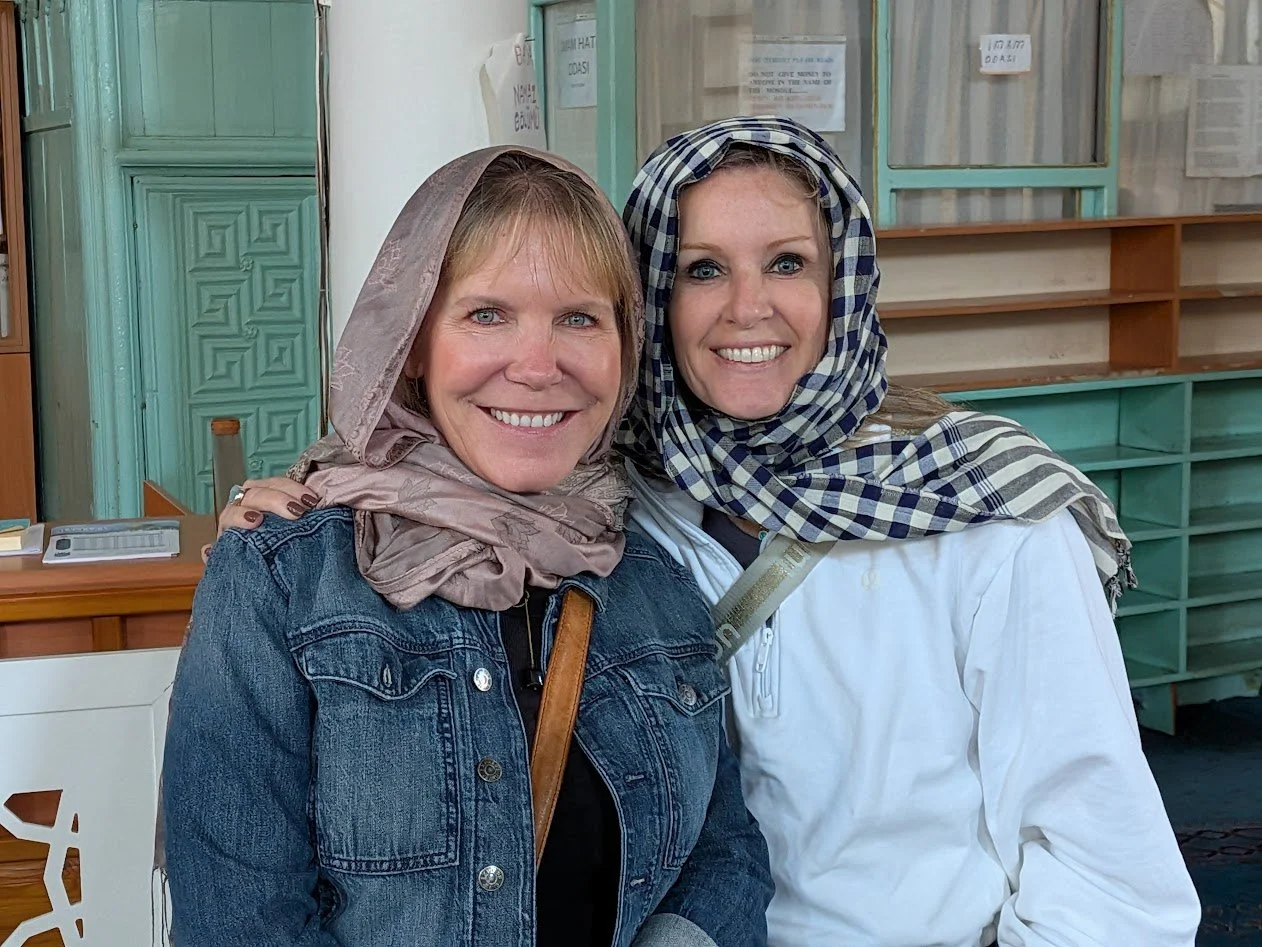
After two unpleasant sea days, we stopped in Antalya Turkey. We had already been to Antalya for 5 nights back in October, so there is a lot already in the blog about Antayla from our first stay. When we visited for the cruise stop with Erin and Colleen, we did a walking tour, hit the obvious tourist stops (a couple mosques and Hadrian’s Gate), did a little shopping, and had a late lunch at a restaurant right on the water. We had much welcome sunny and warm weather!
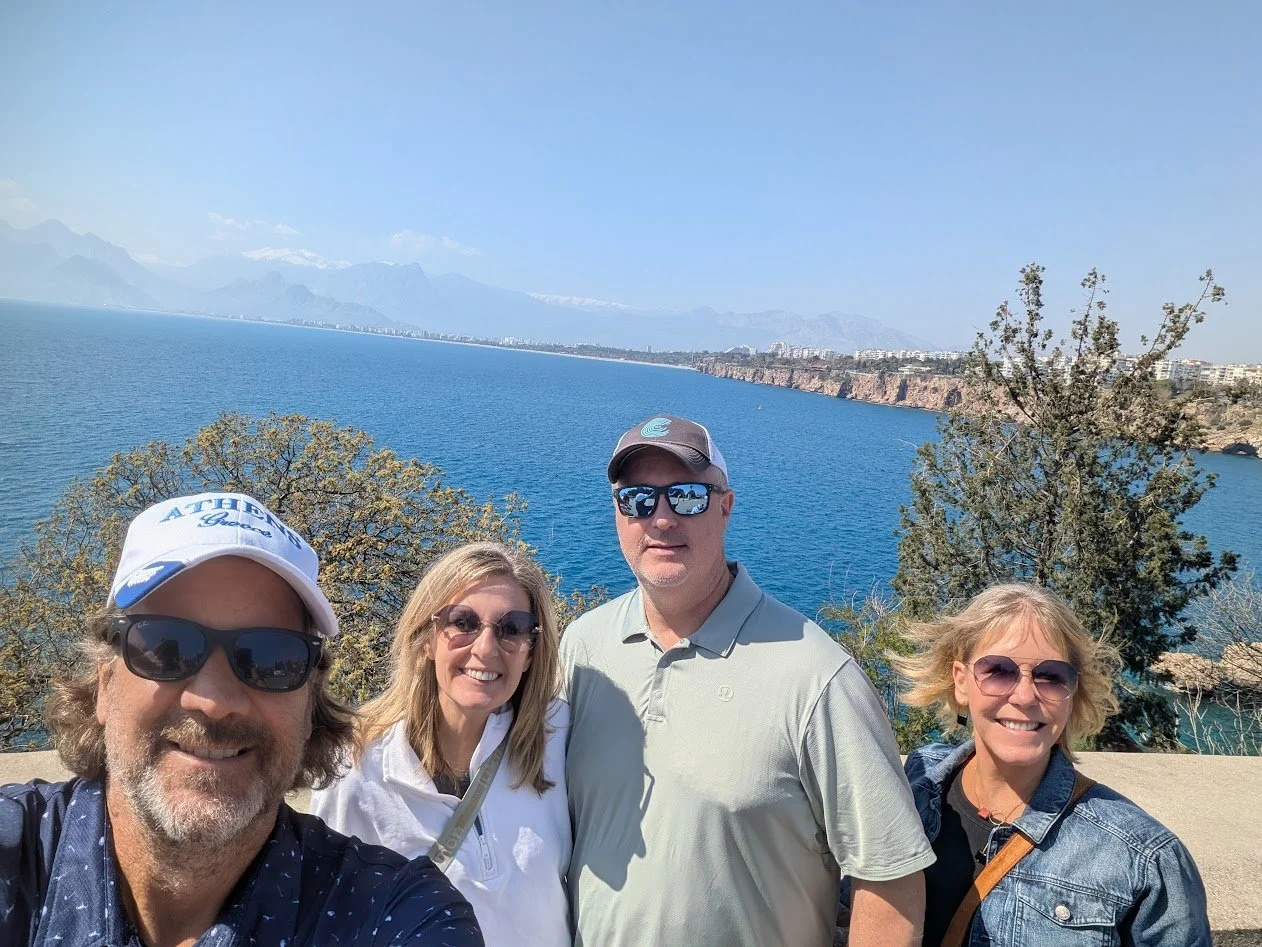
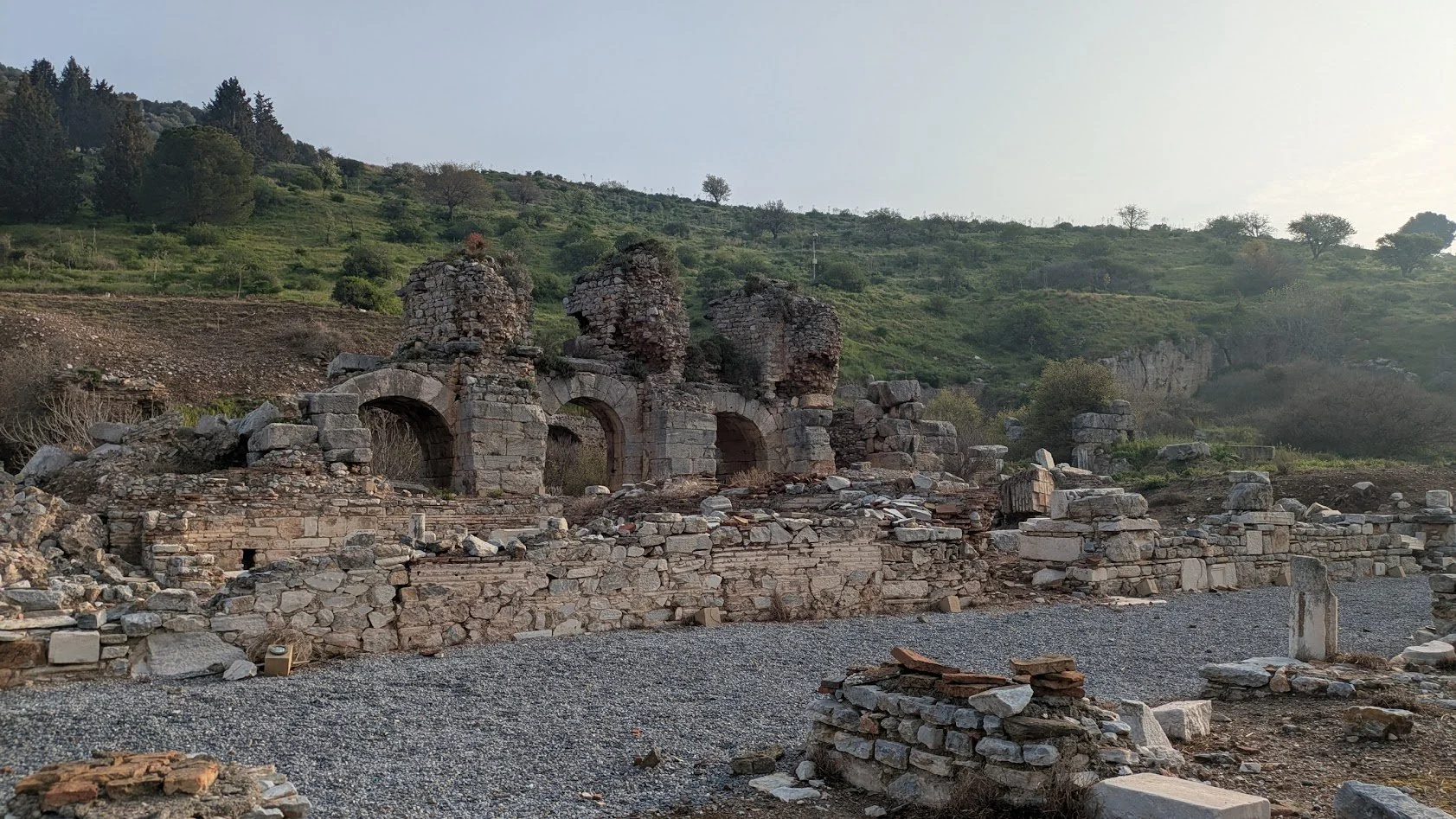
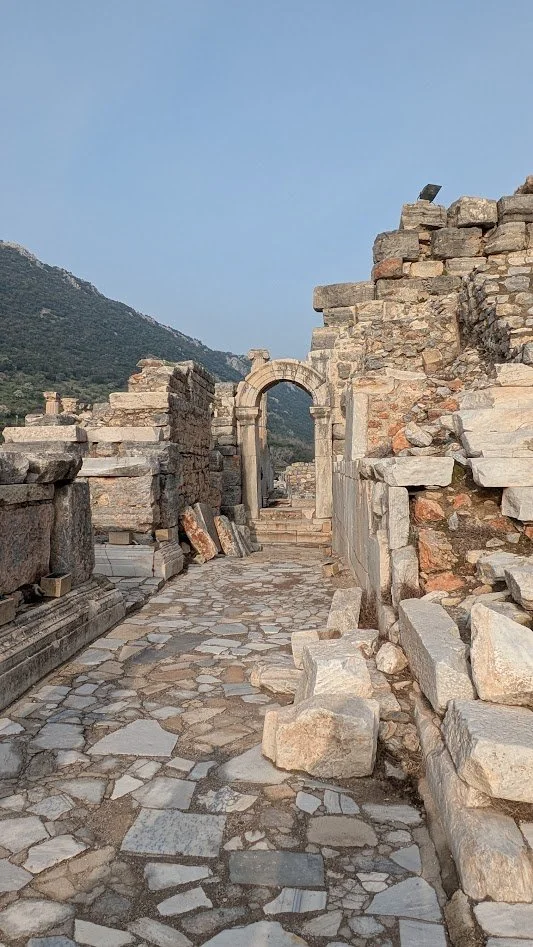
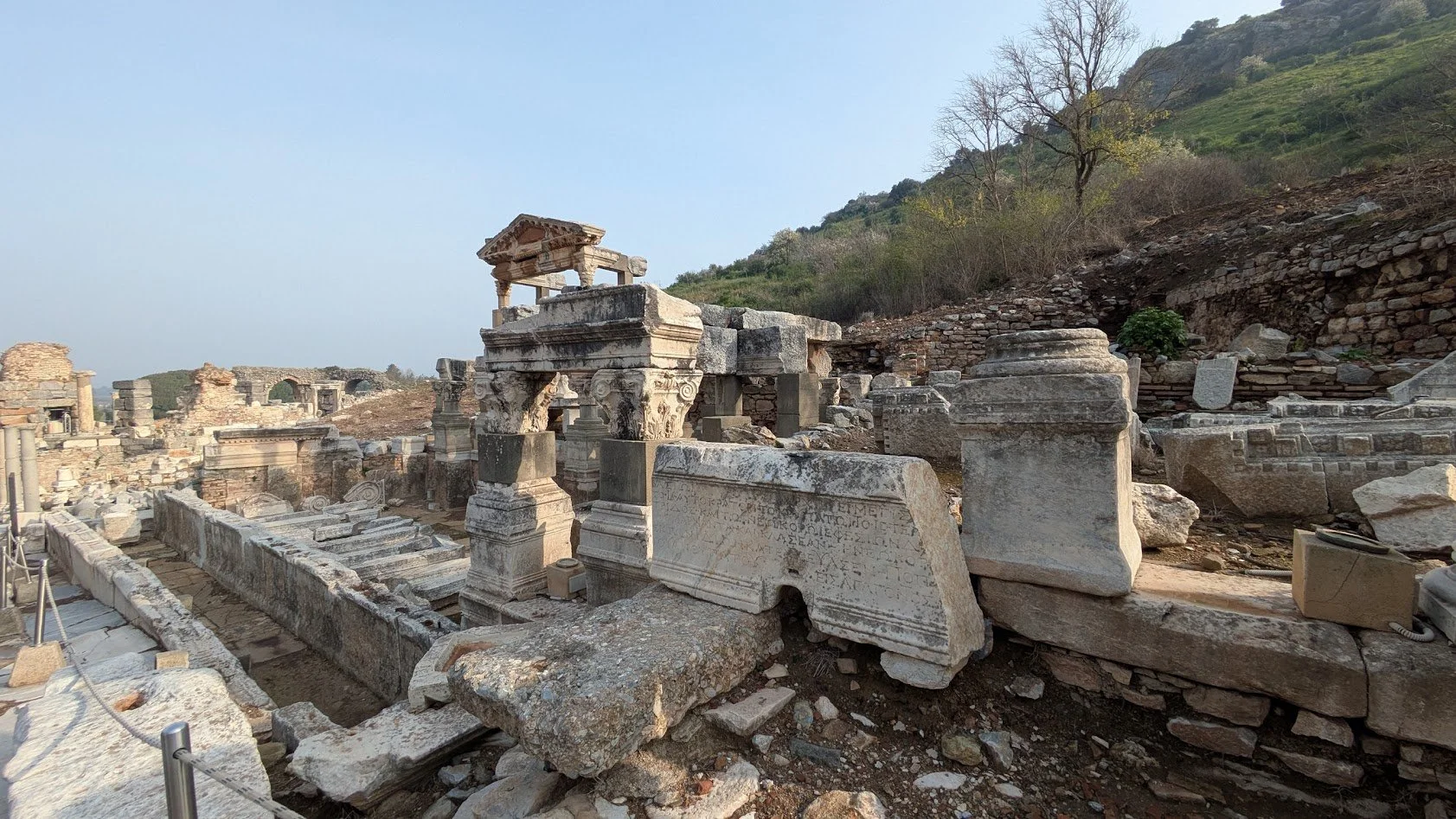
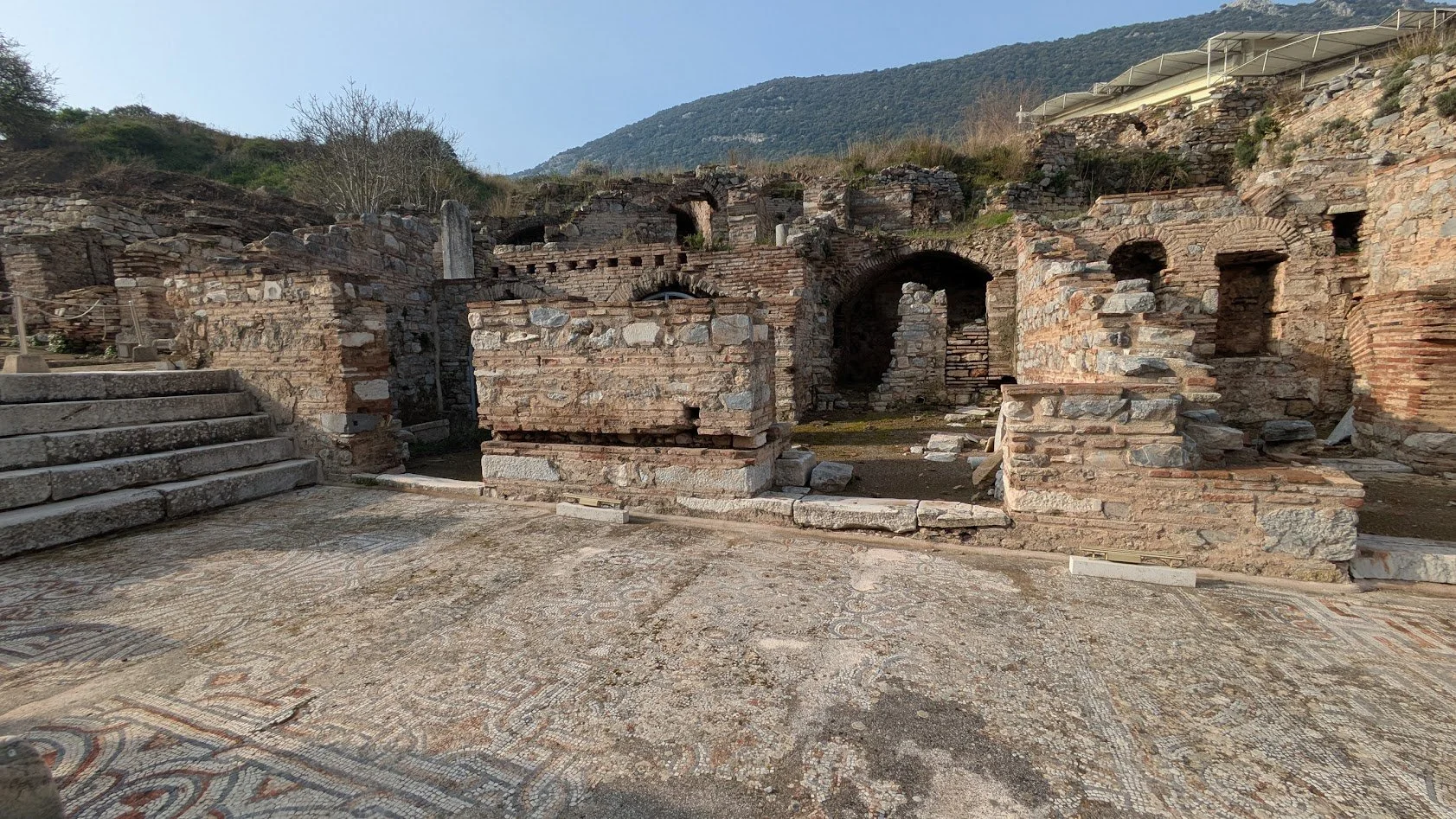
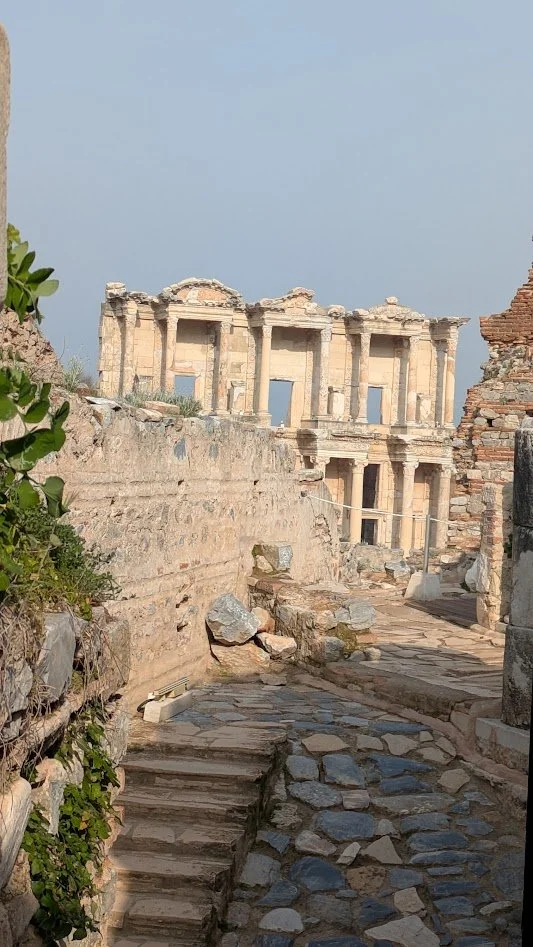
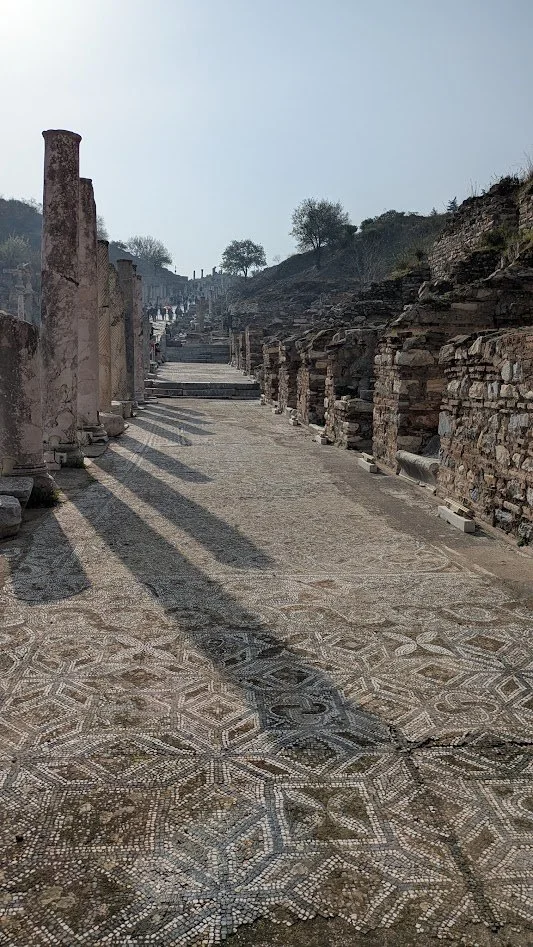
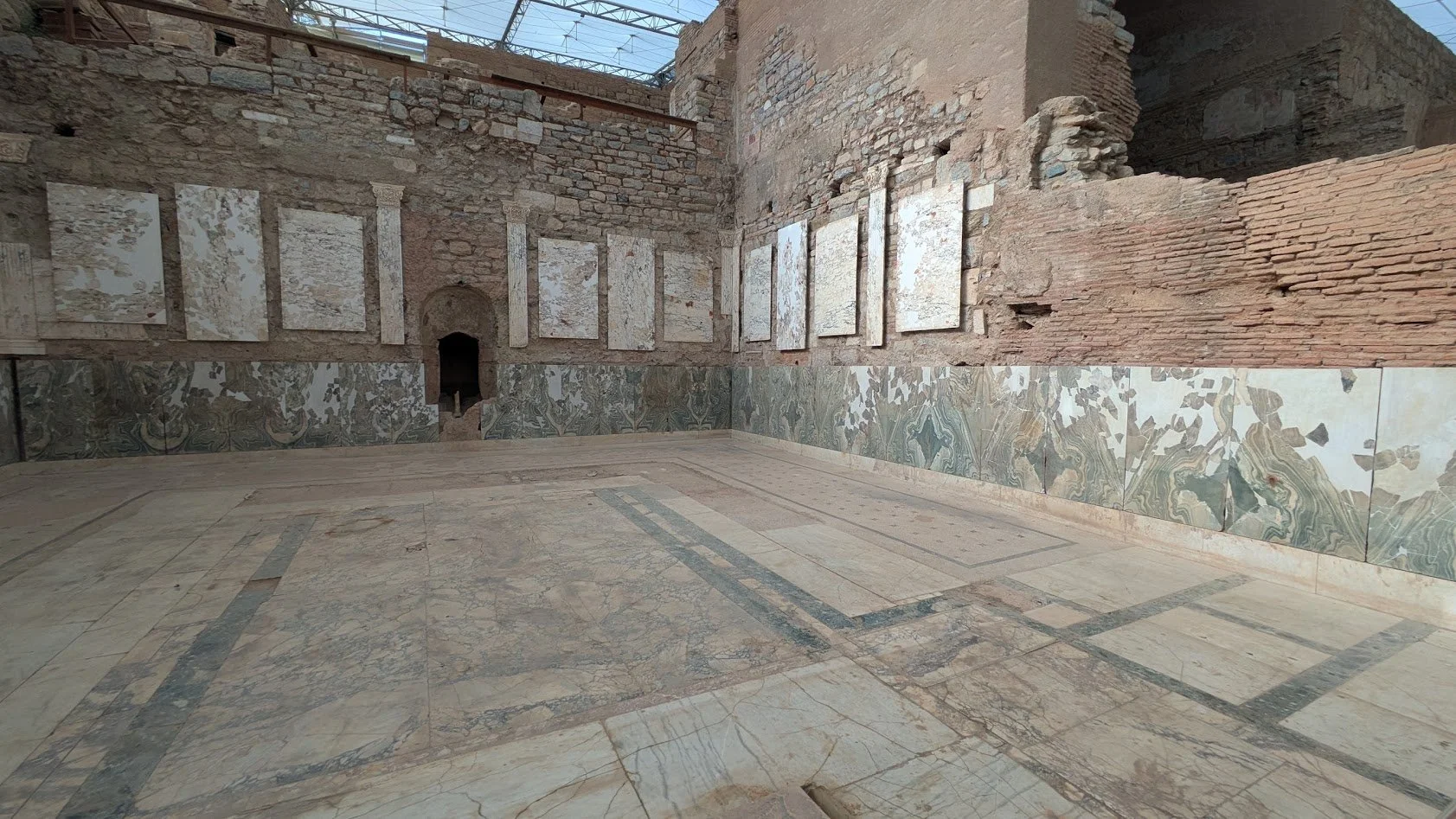
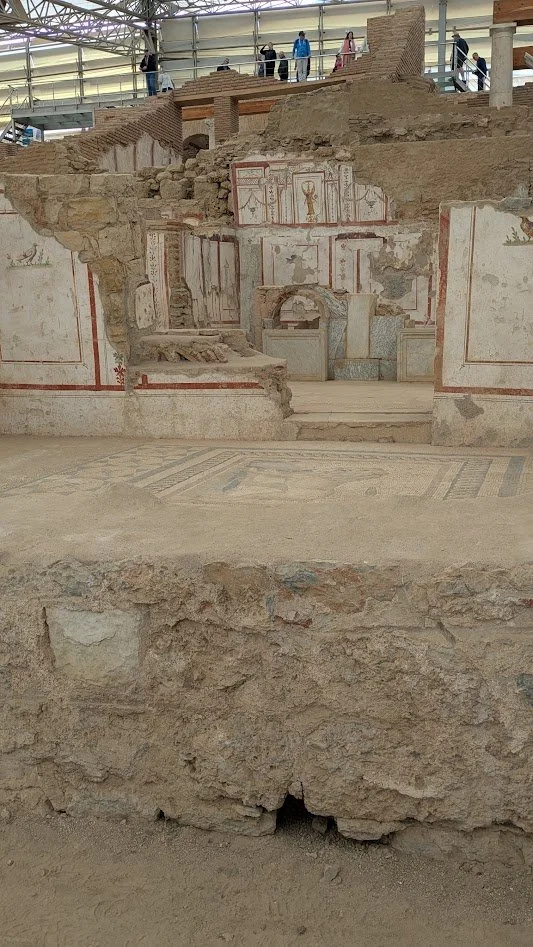
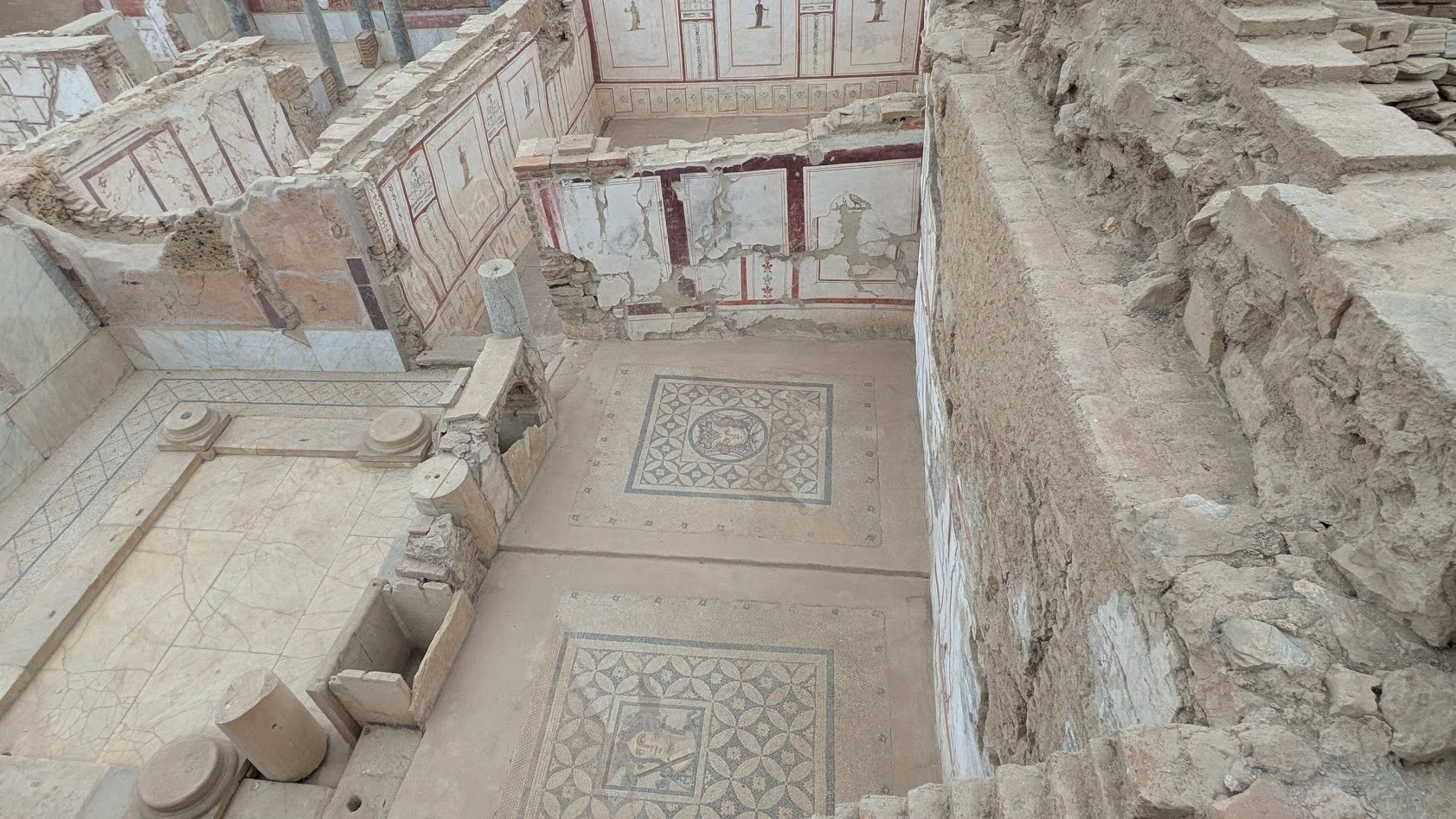
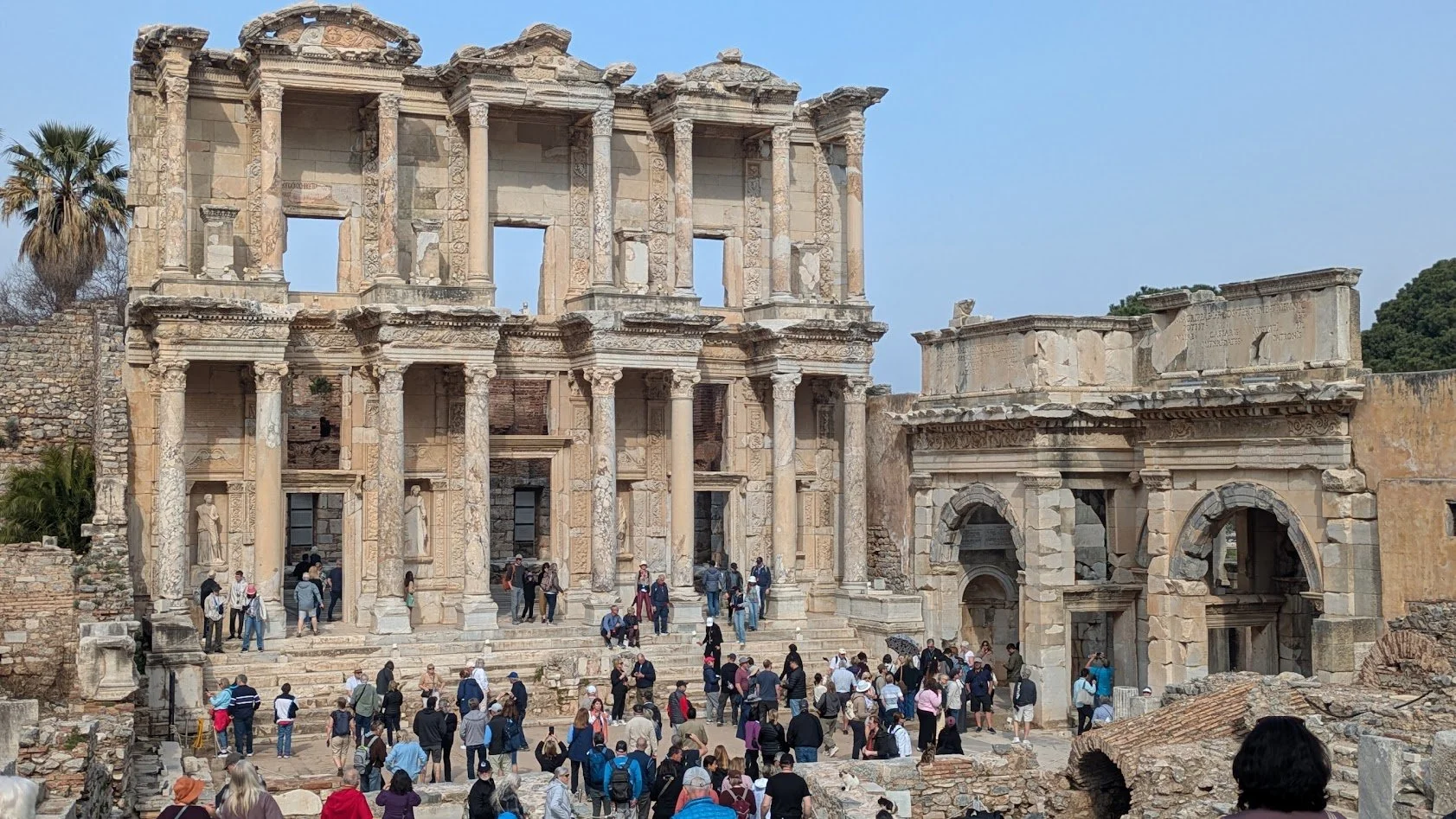
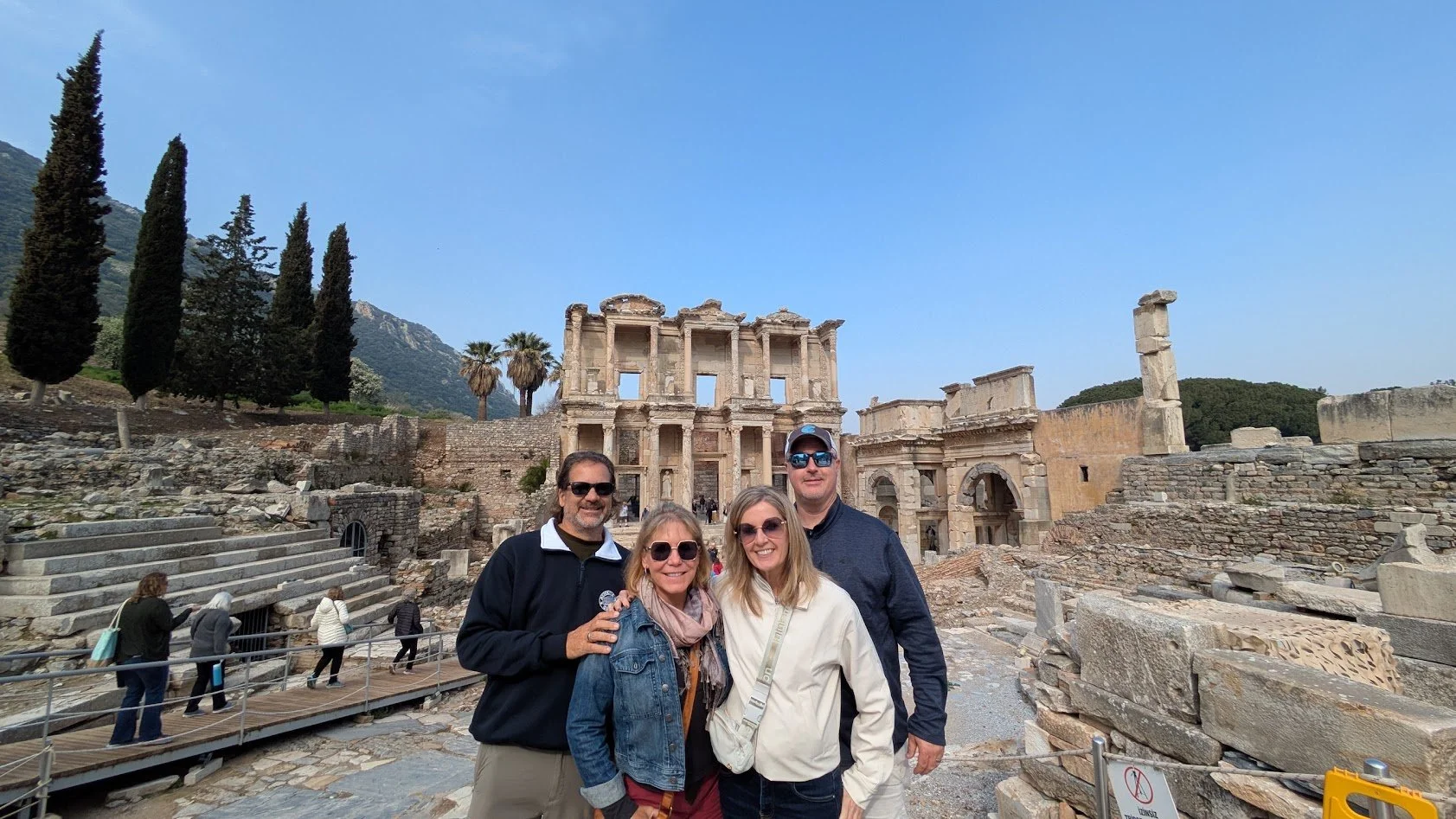
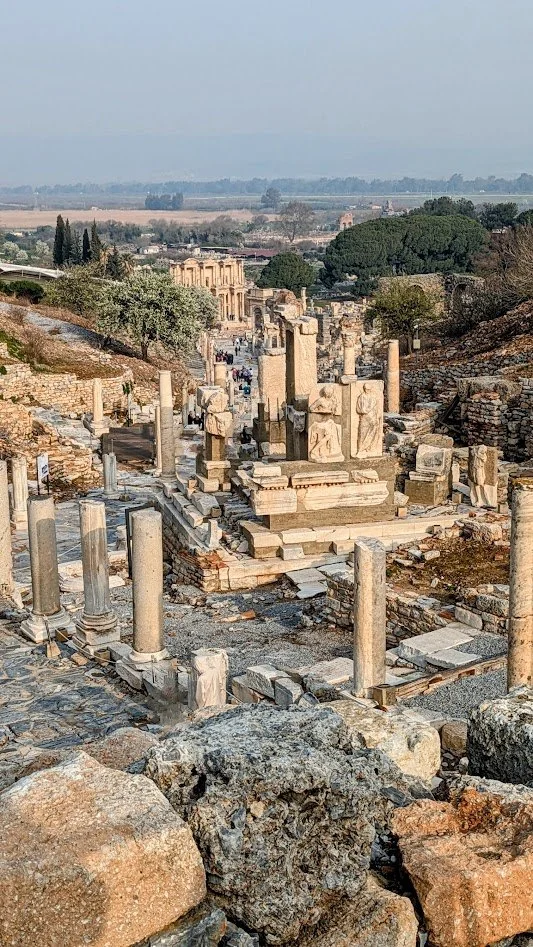
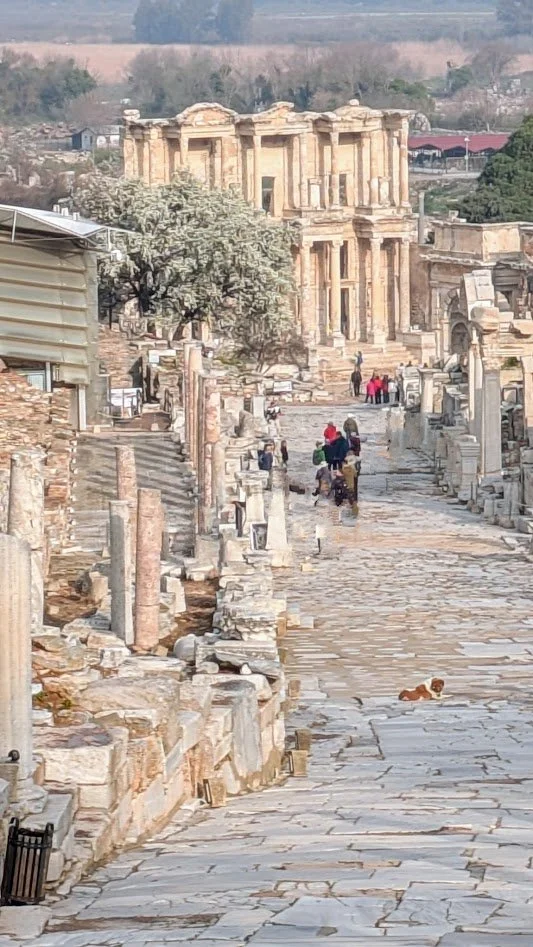
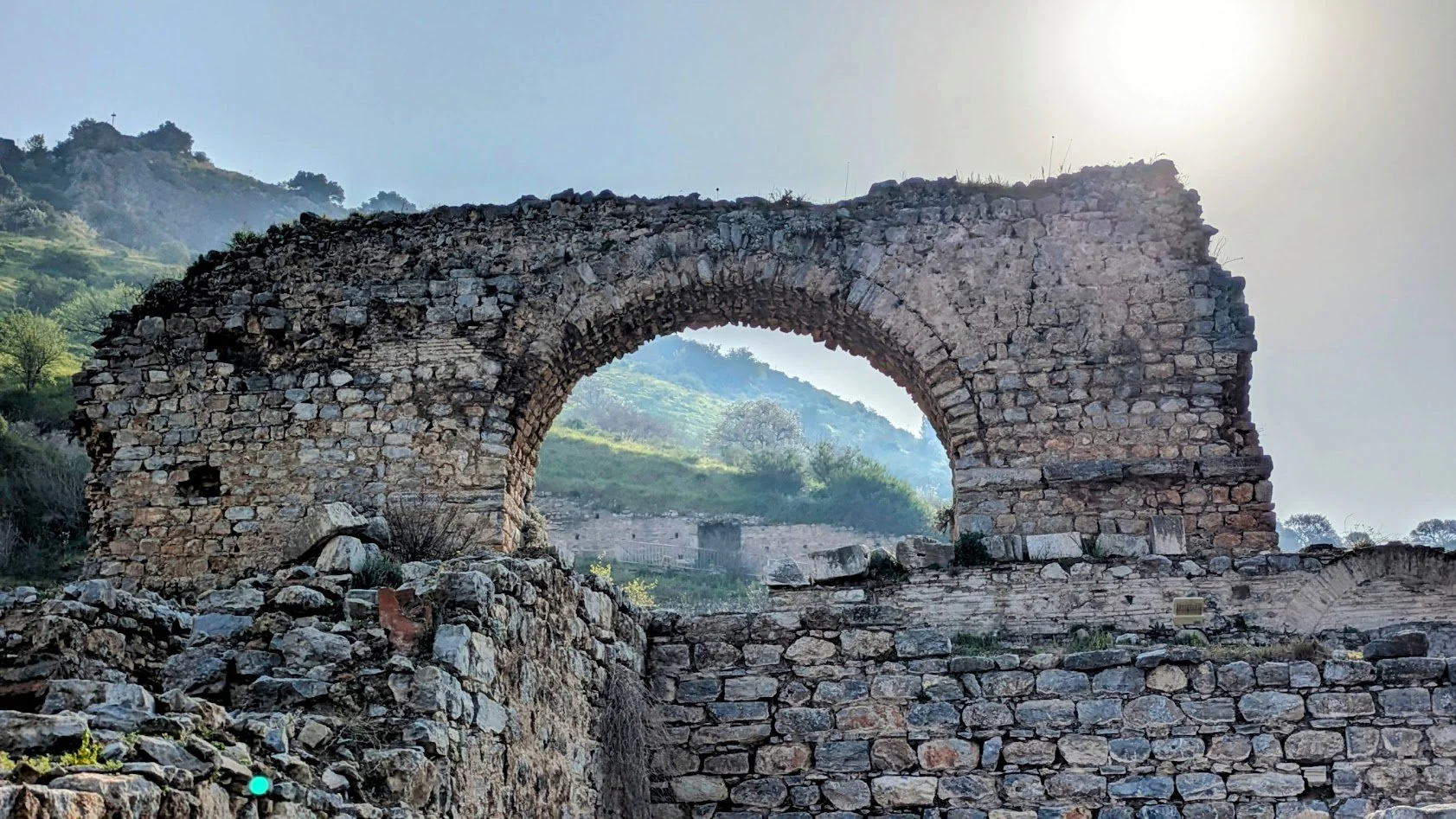
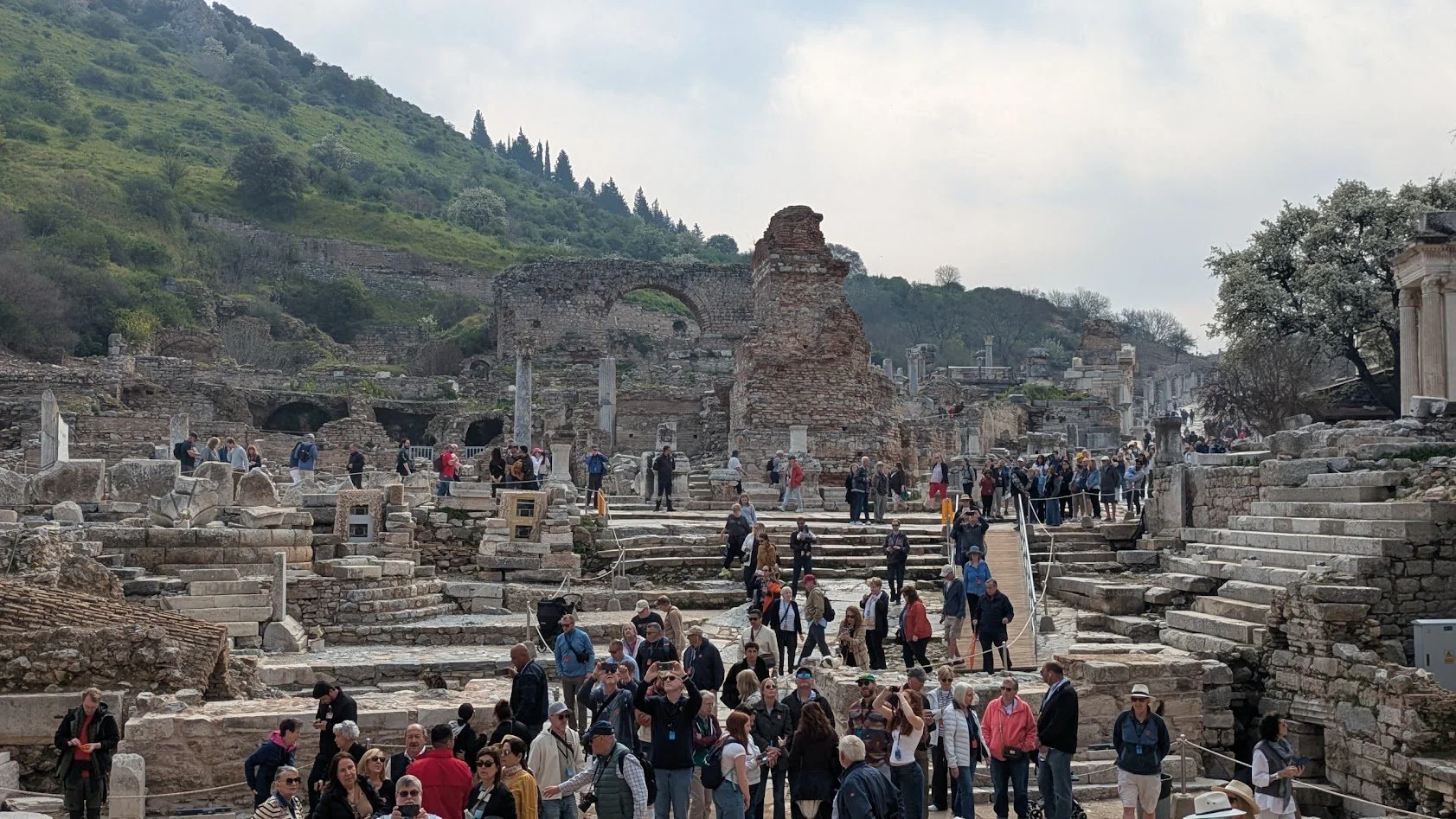
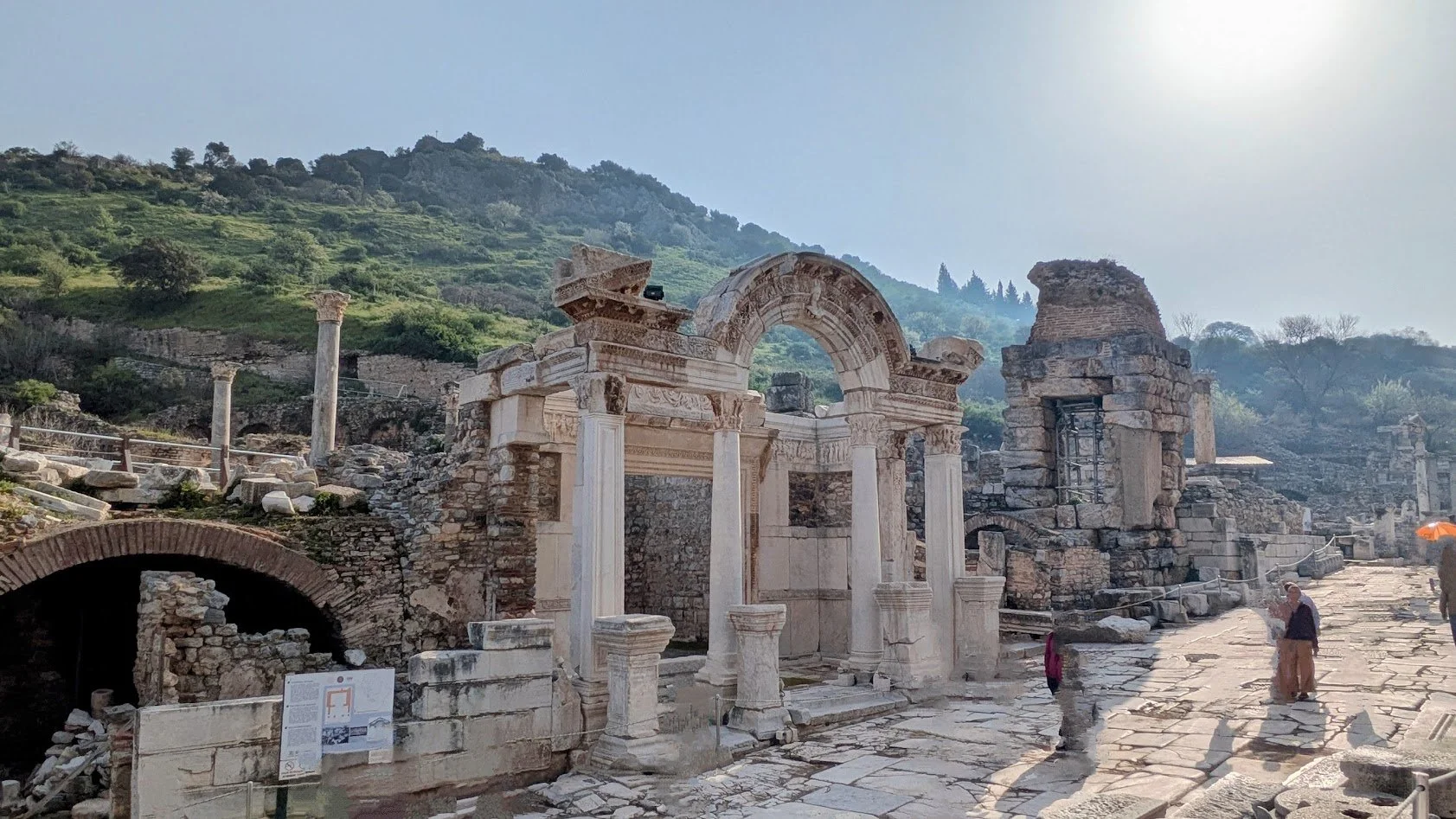
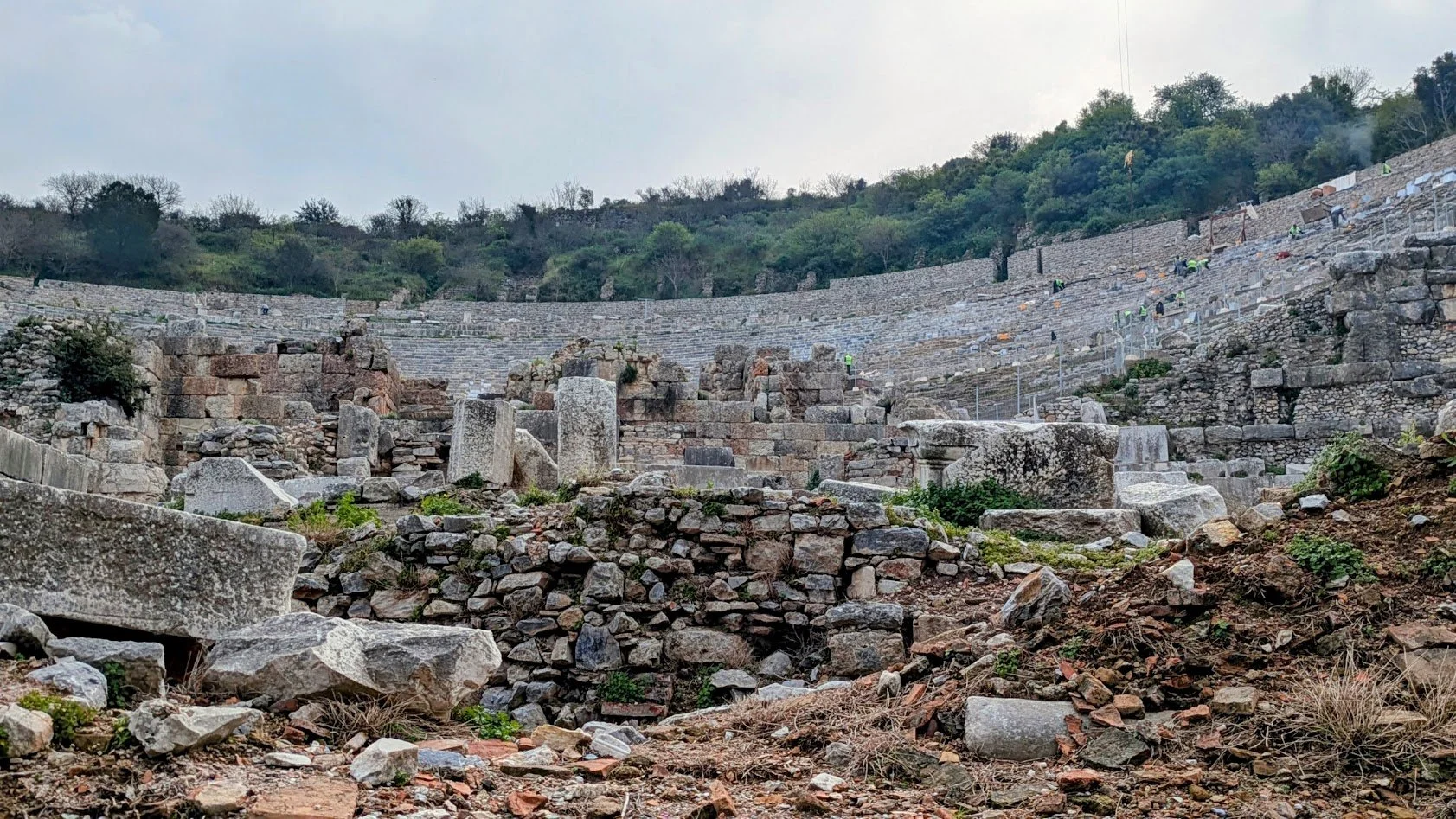
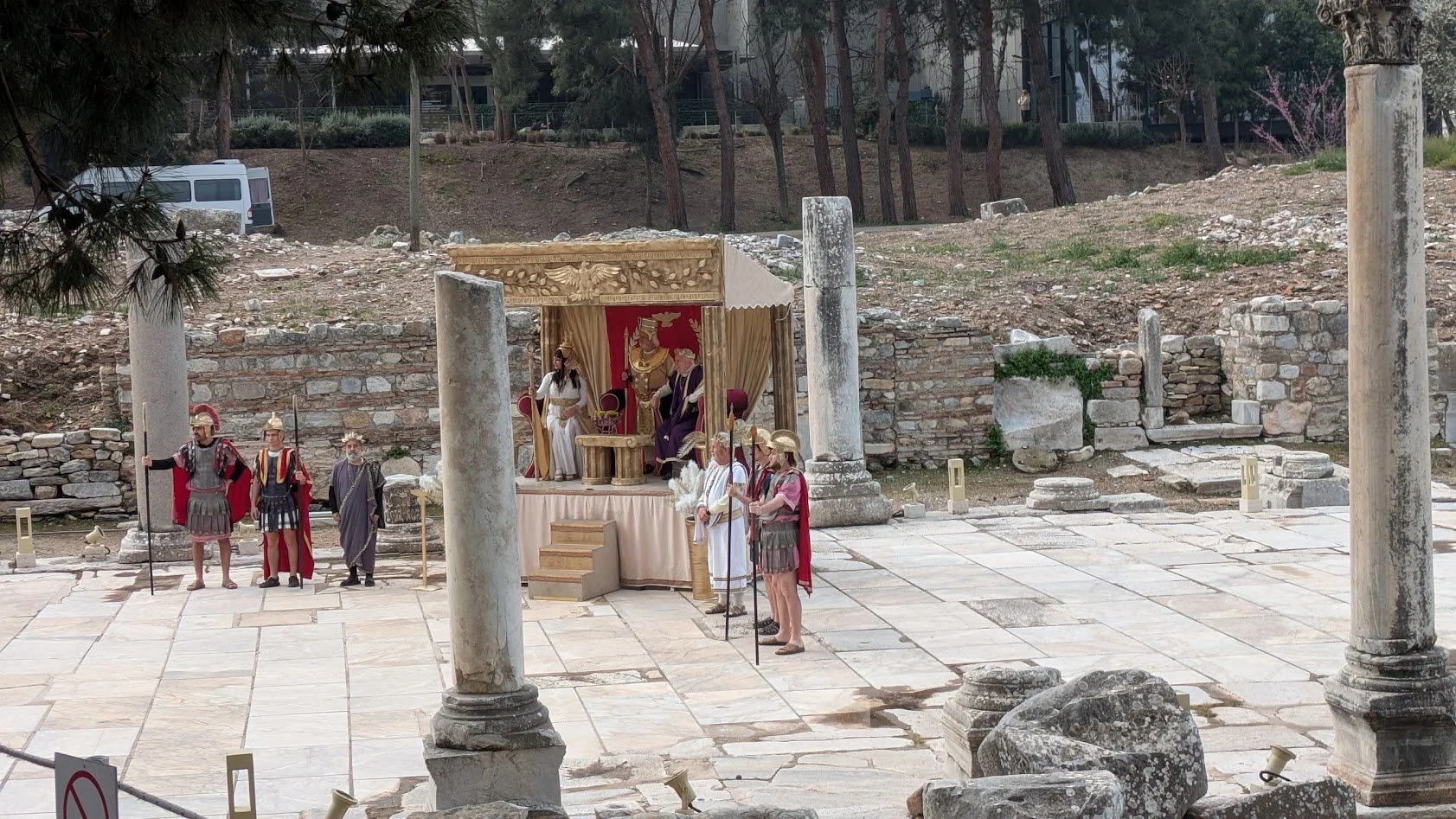
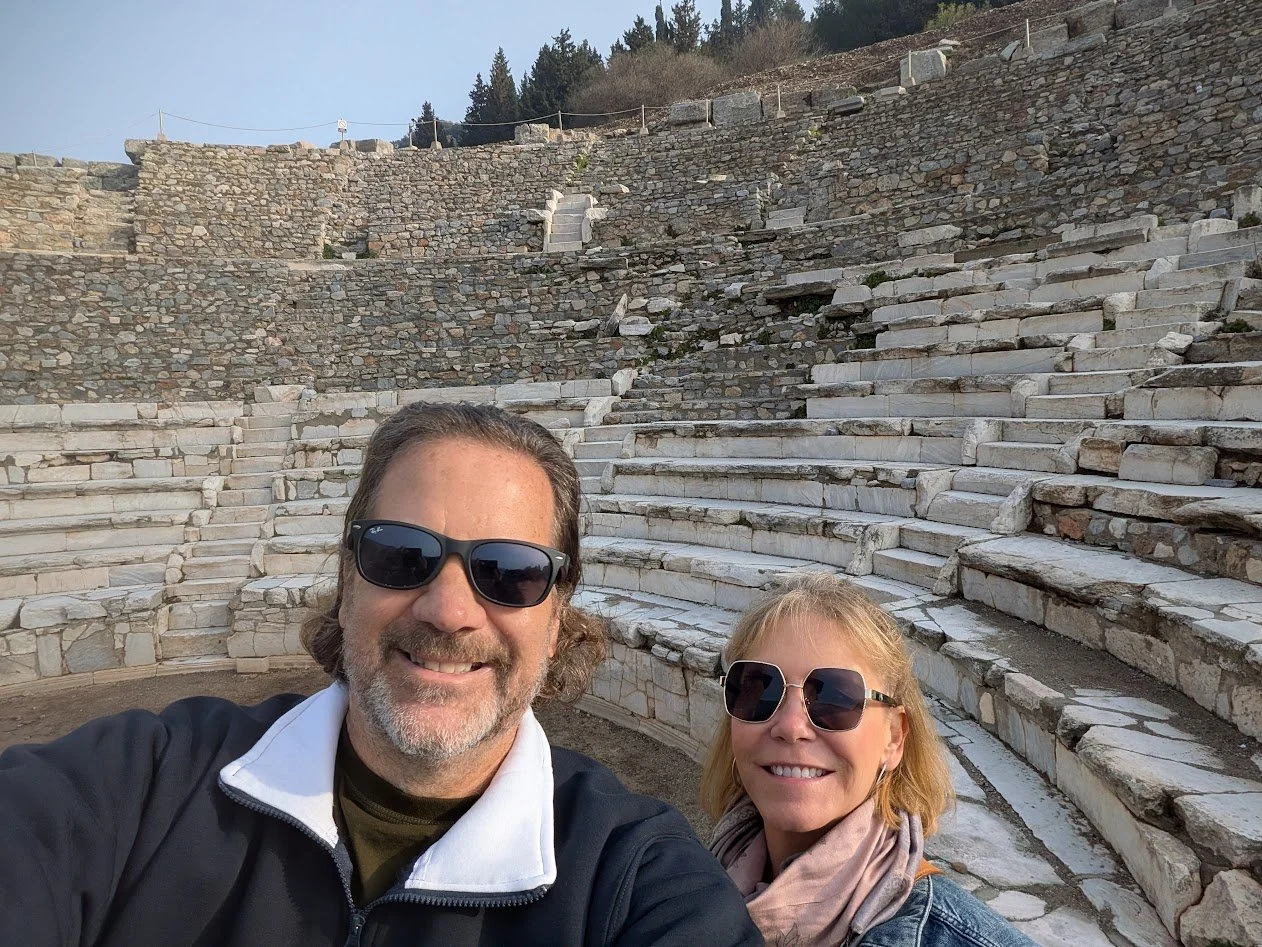
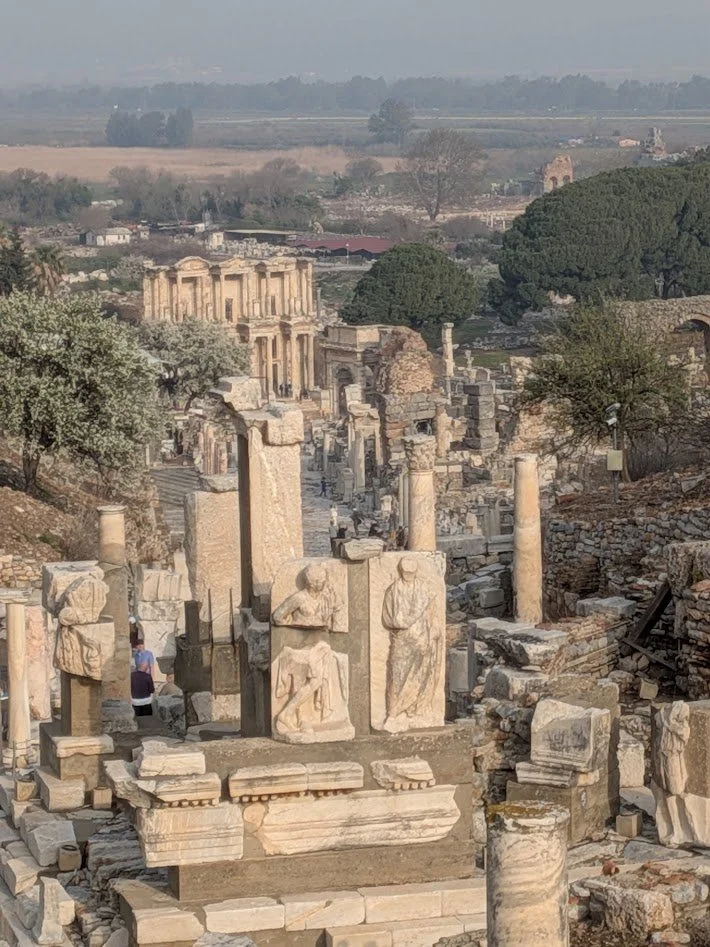
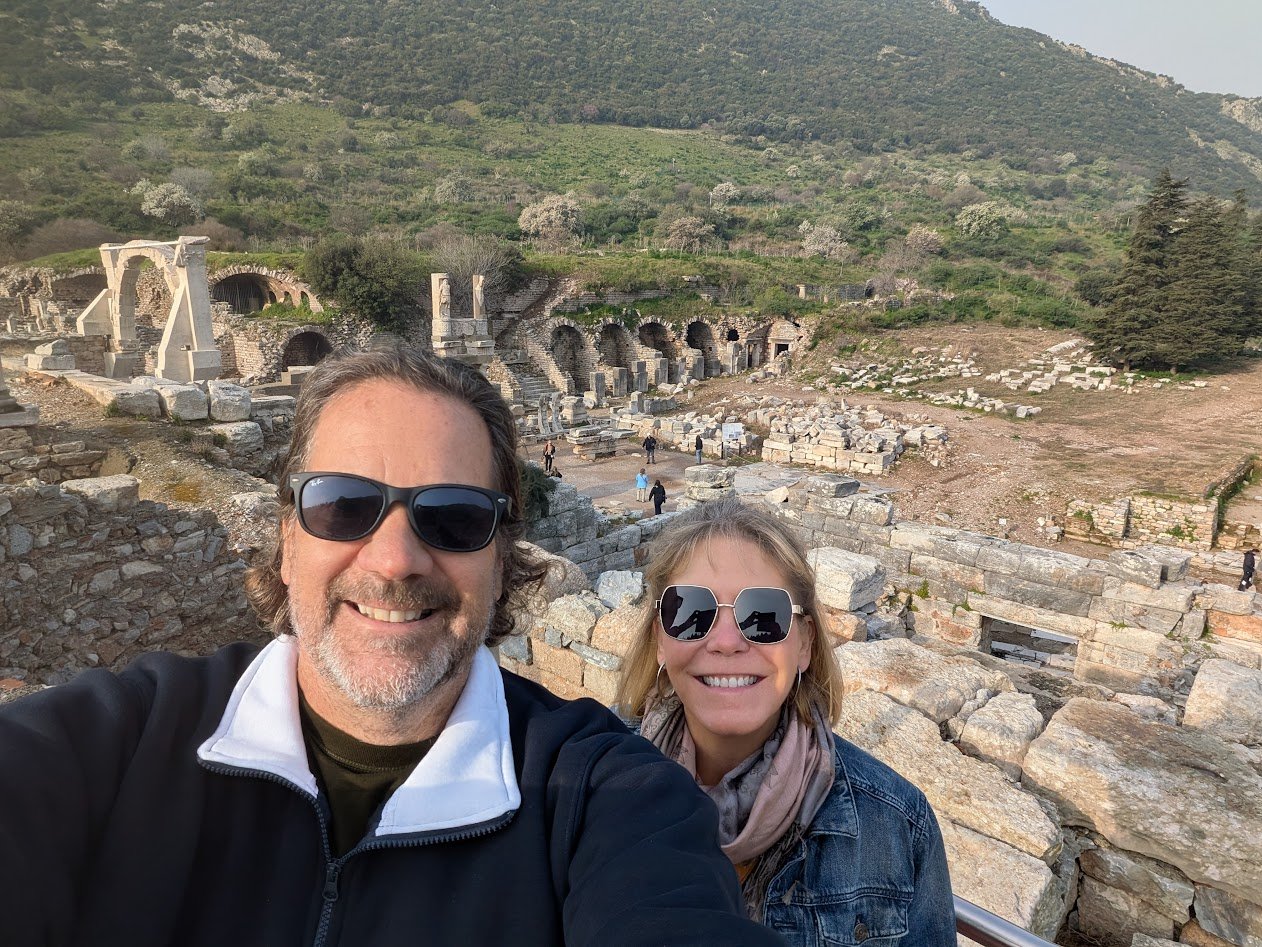
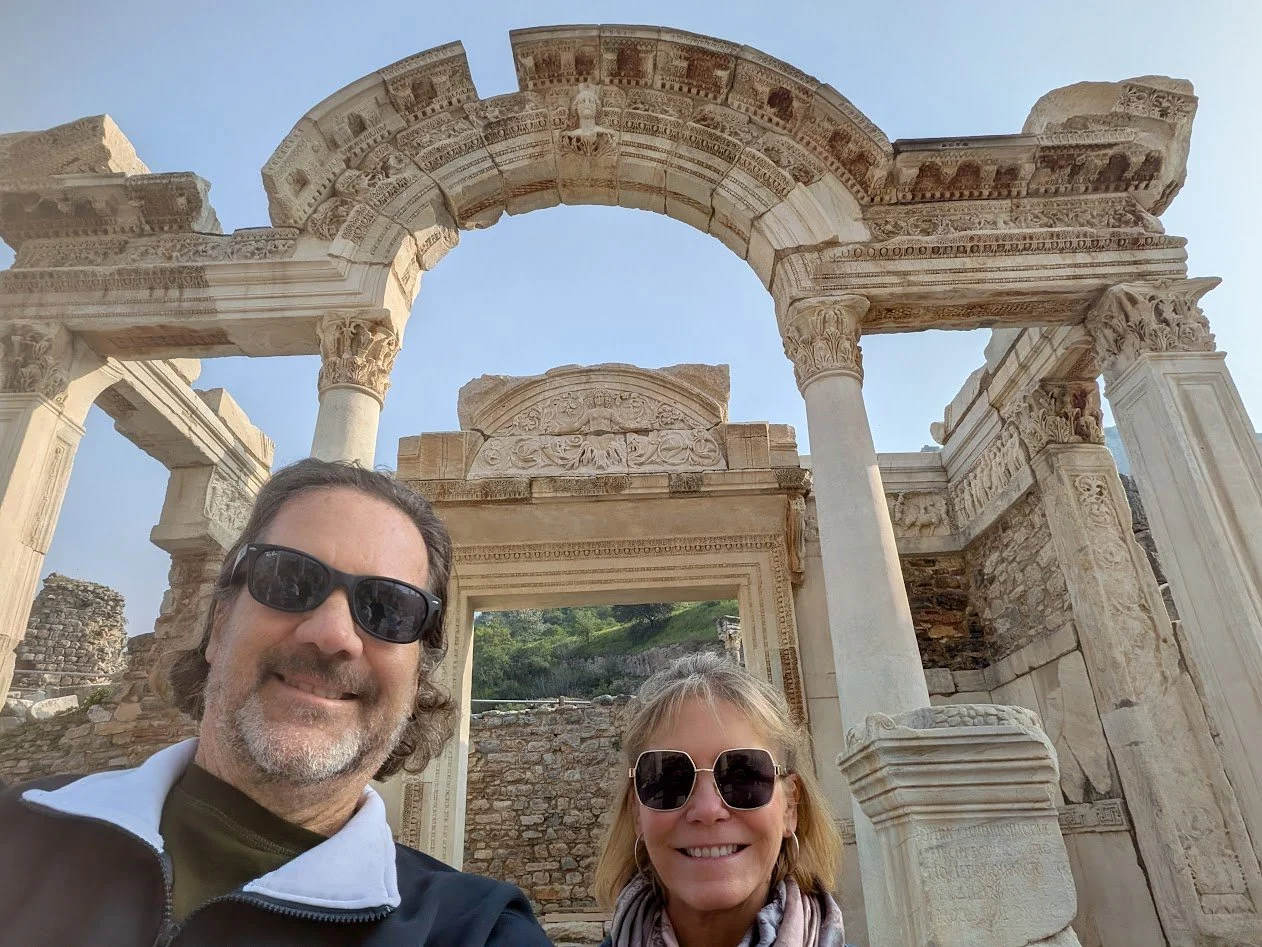
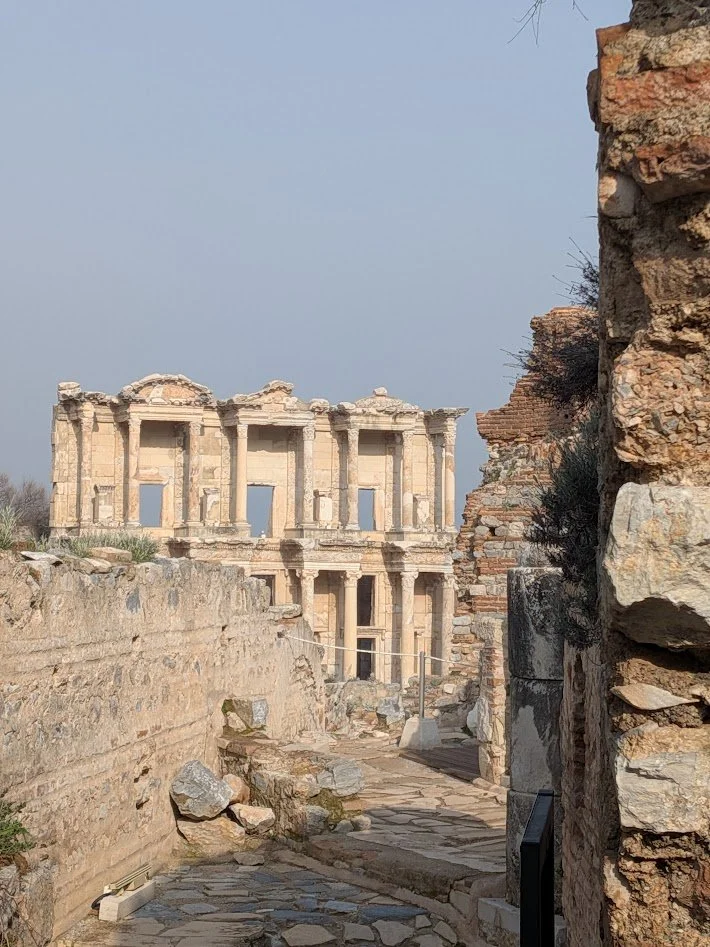
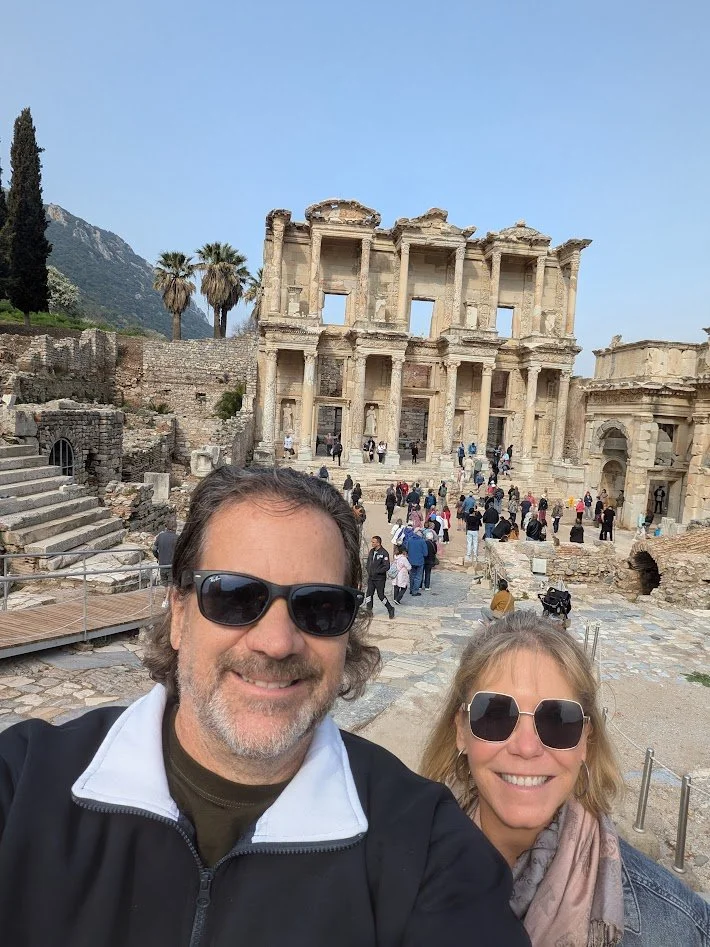
The final cruise ship stop was at Kusadasi (Ephesus) which was pretty incredible. It is a premier UNESCO World Heritage site and one of the best-preserved classical cities in the Mediterranean. It was a vital Roman, Greek, and early Christian center, renowned for the Temple of Artemis, the massive 25,000-seat Great Theatre, and the iconic Library of Celsus.
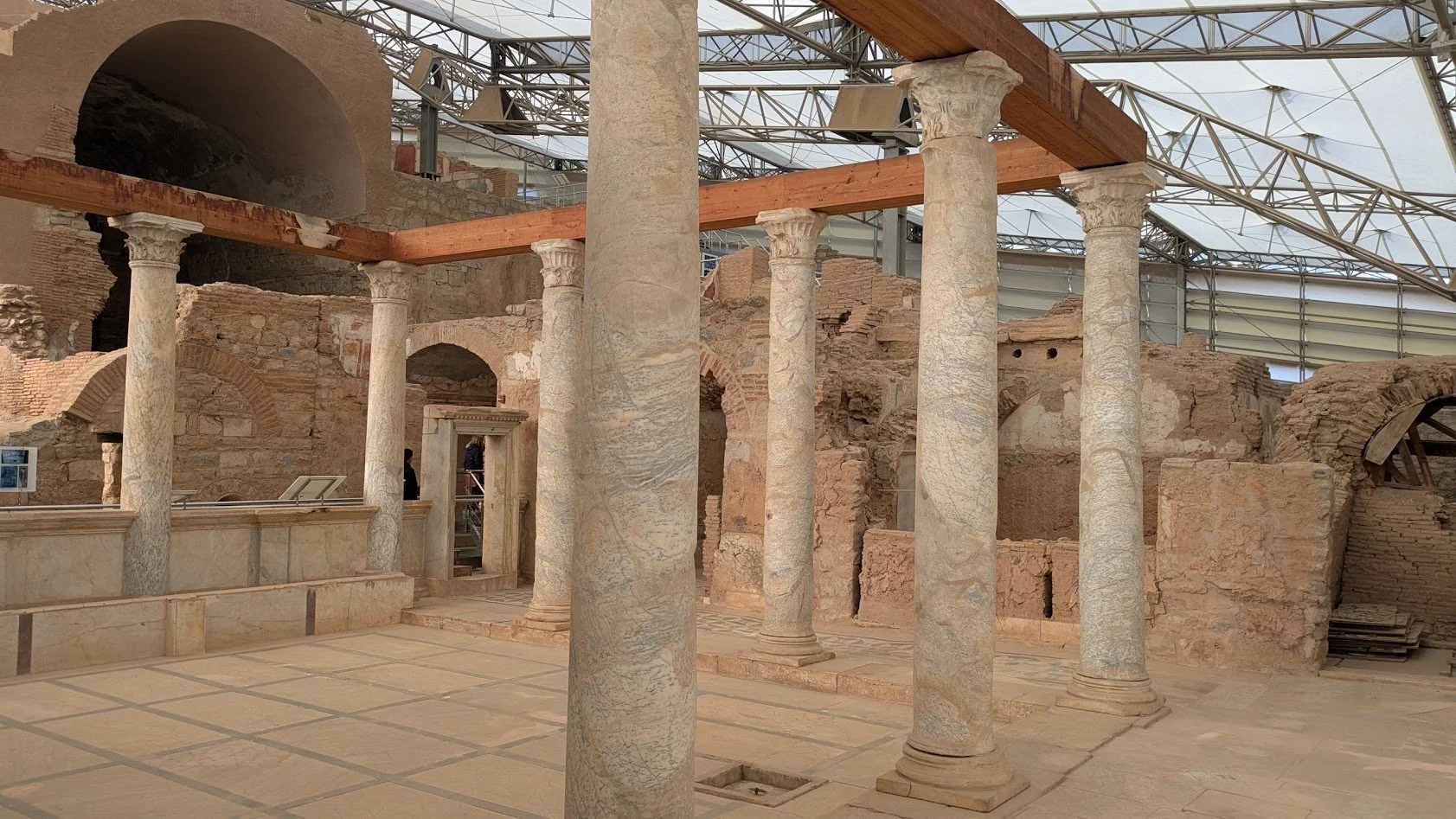
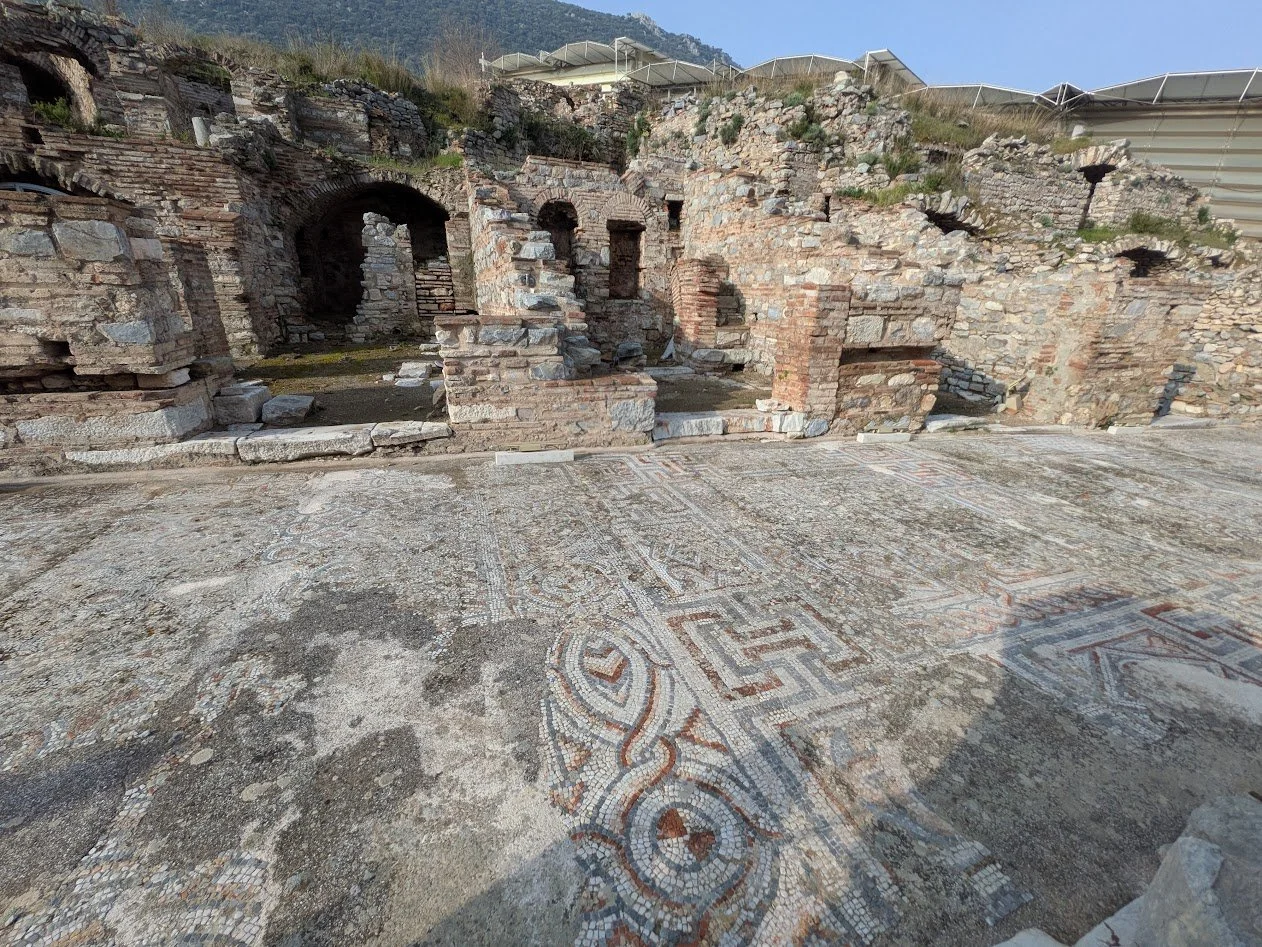
The Temple of Artemis is one of the Seven Wonders of the Ancient World, it was once a massive structure, with over 100 pillars, that drew pilgrims from all over the Mediterranean. The Library of Celsus was built around 125 AD and could hold approximately 12,000 scrolls, making it one of the largest in the ancient world. The Great Theatre held 25,000 people and is considered the largest in the ancient world and hosted plays, concerts, and gladiator contests. We also walked through the terrace houses which were the houses where the rich lived. They demonstrate luxury Roman living with intricate mosaics and frescoes.
Ephesus is considered an early Christianity hub, heavily linked to the Bible; St. Paul spent years teaching here, and it is believed that St. John wrote his Gospel in the city. The city was originally famous for the cult of Artemis, which later transitioned into a center for Christianity.
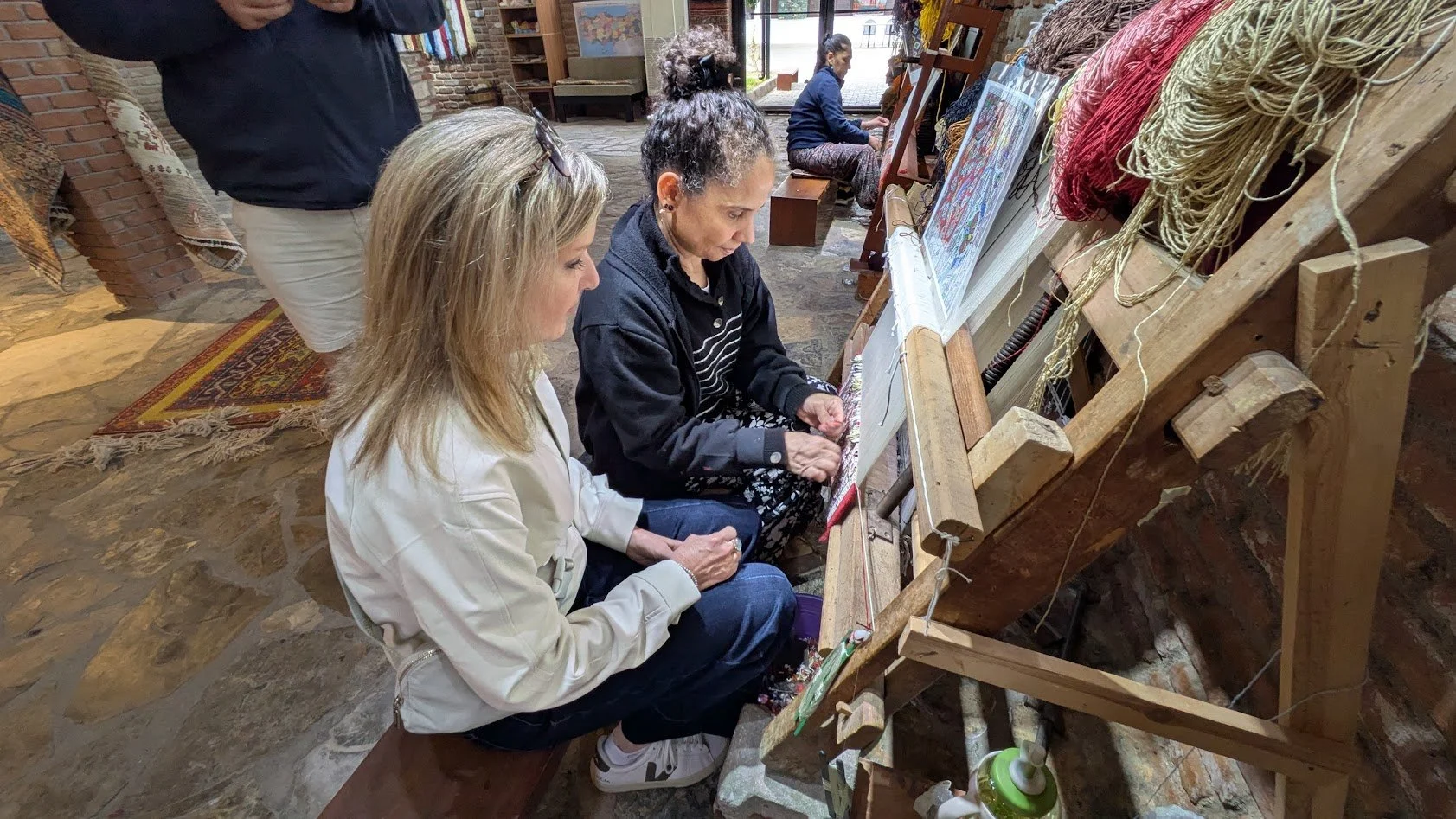
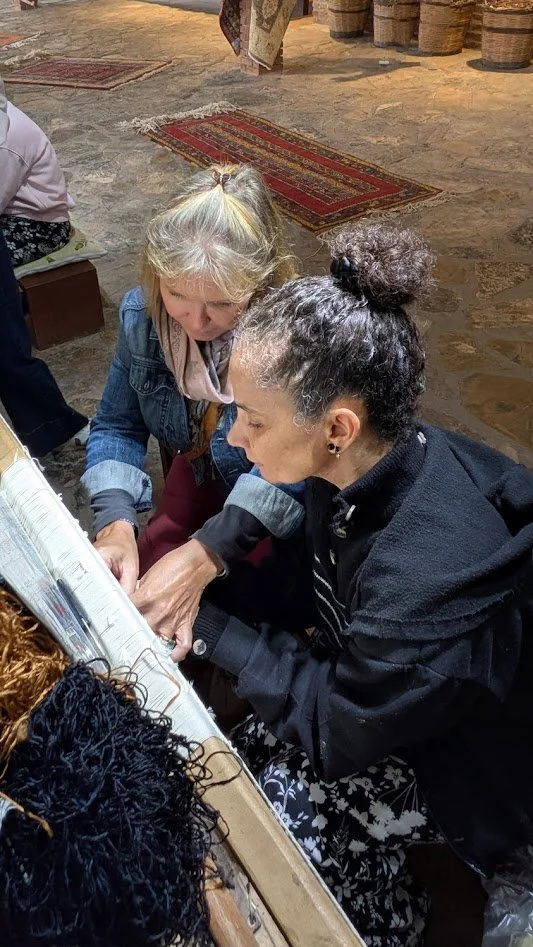
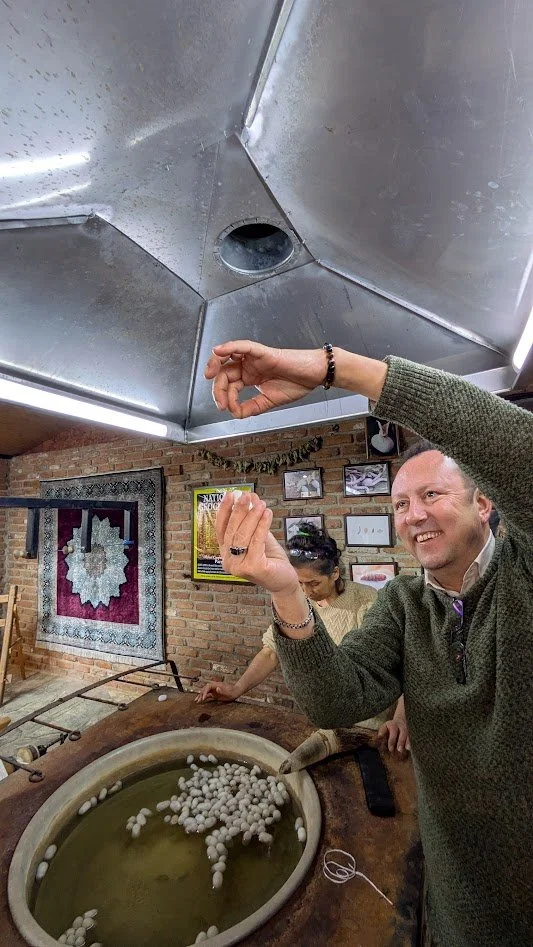
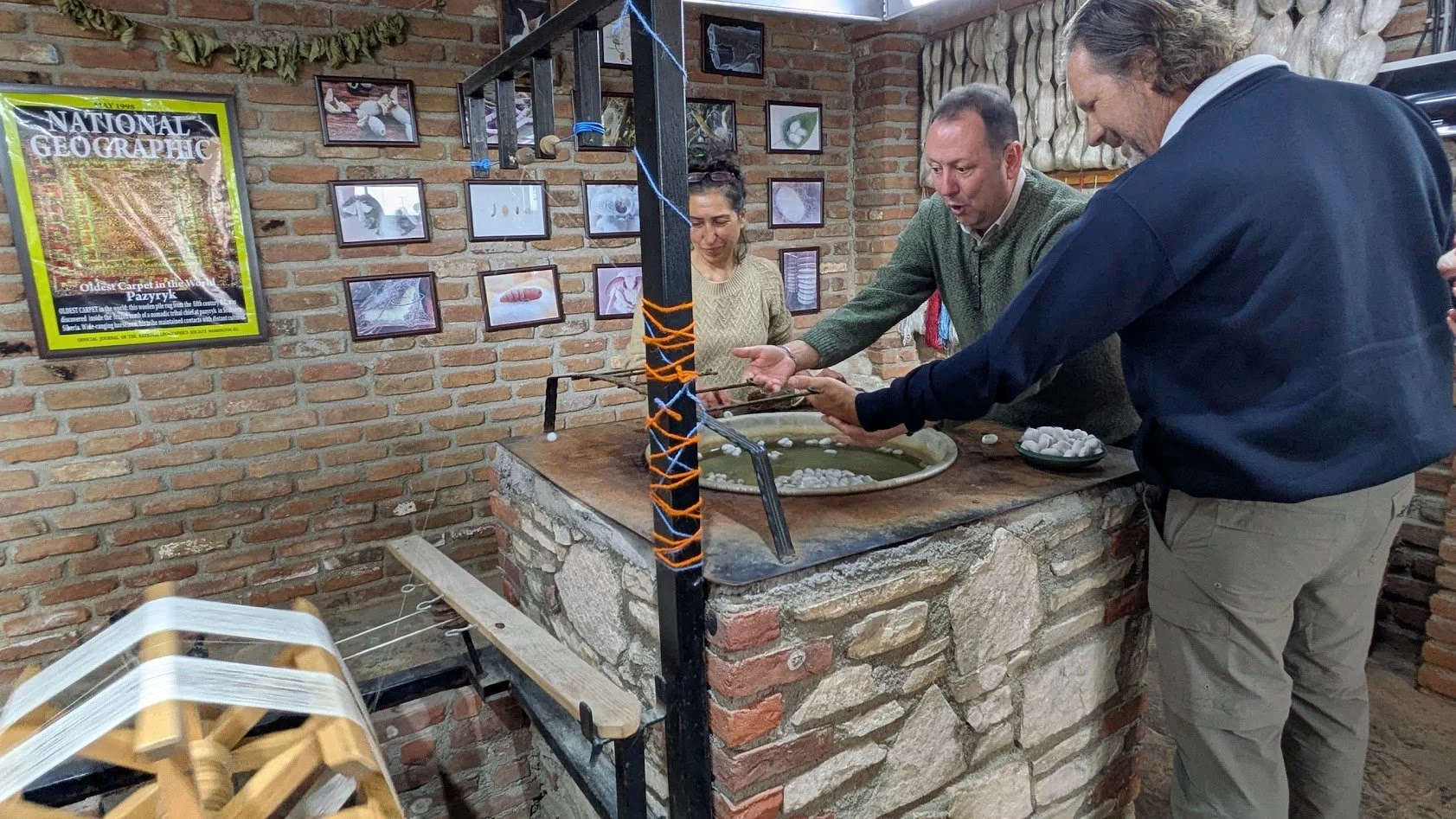
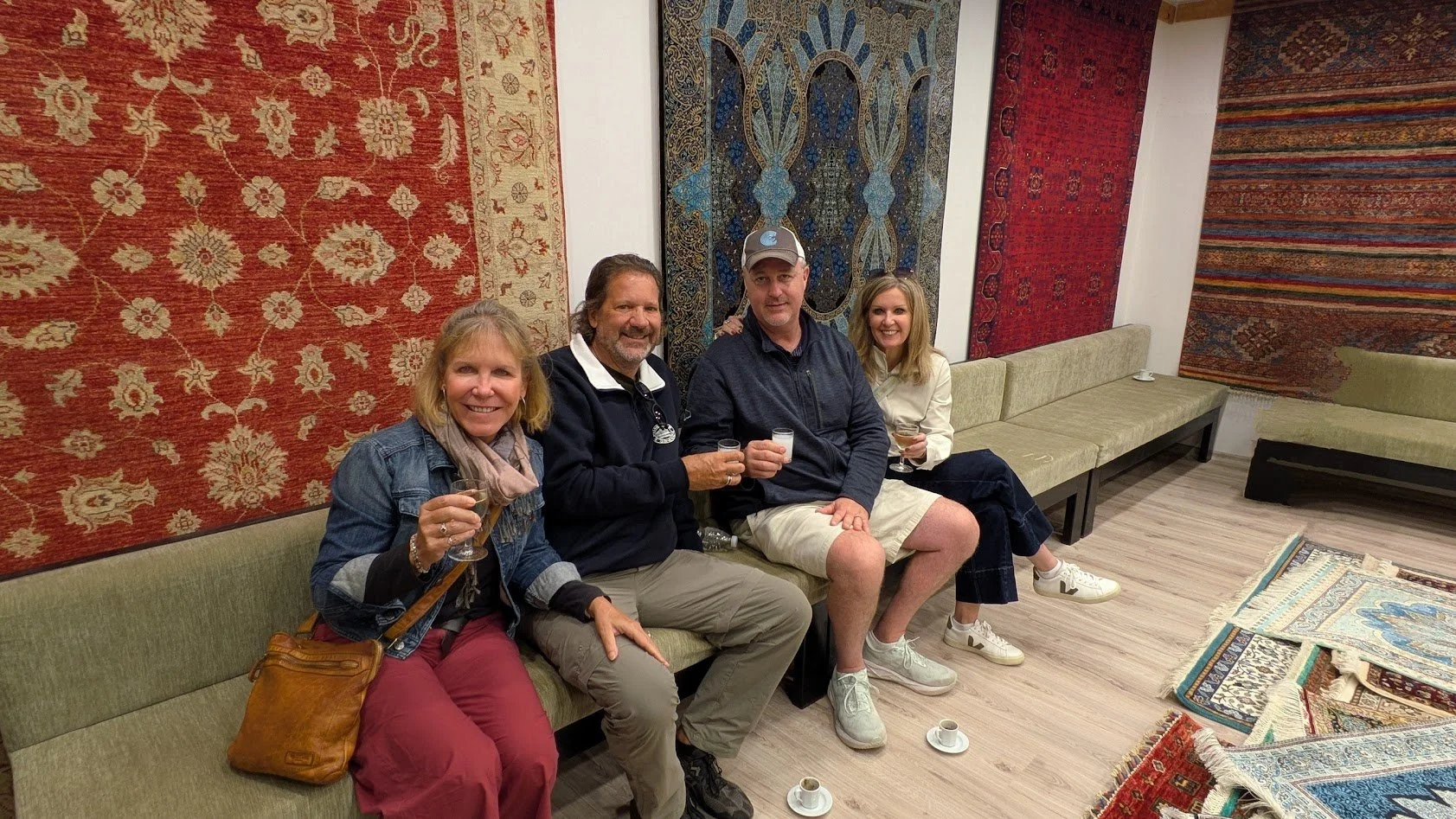
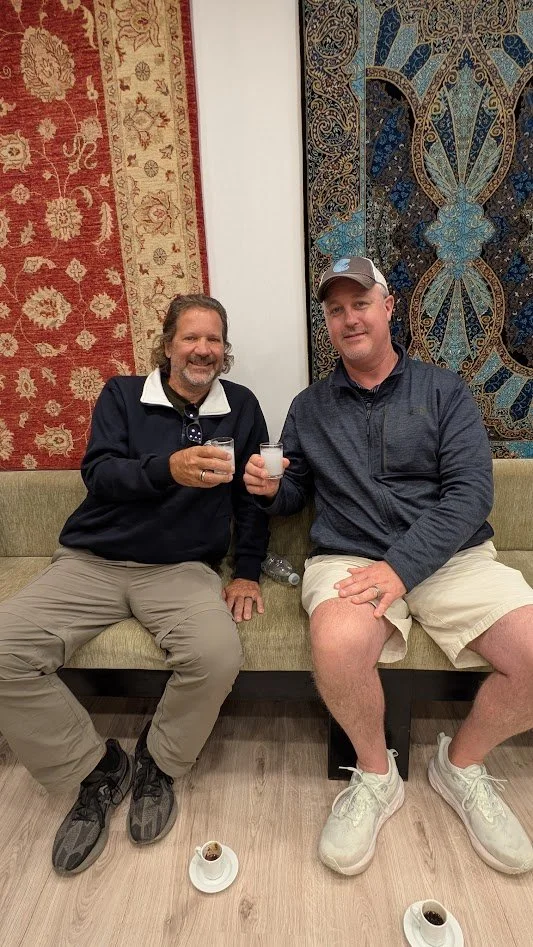
We made a final brief stop at a state sponsored business where they teach women to make Turkish rugs. We learned how the silk is extracted and spun and how the rugs are hand woven. Then we got the sales pitch and Colleen was almost guilt tripped into spending an absurd amount of money on a rug she barely liked!
Below you can add a comment: type your text in the white box and then Post Comment. If you get a second panel, you just need to enter your name and then hit ‘comment as guest’.
Be nice with your comments, we can always delete them 😊
